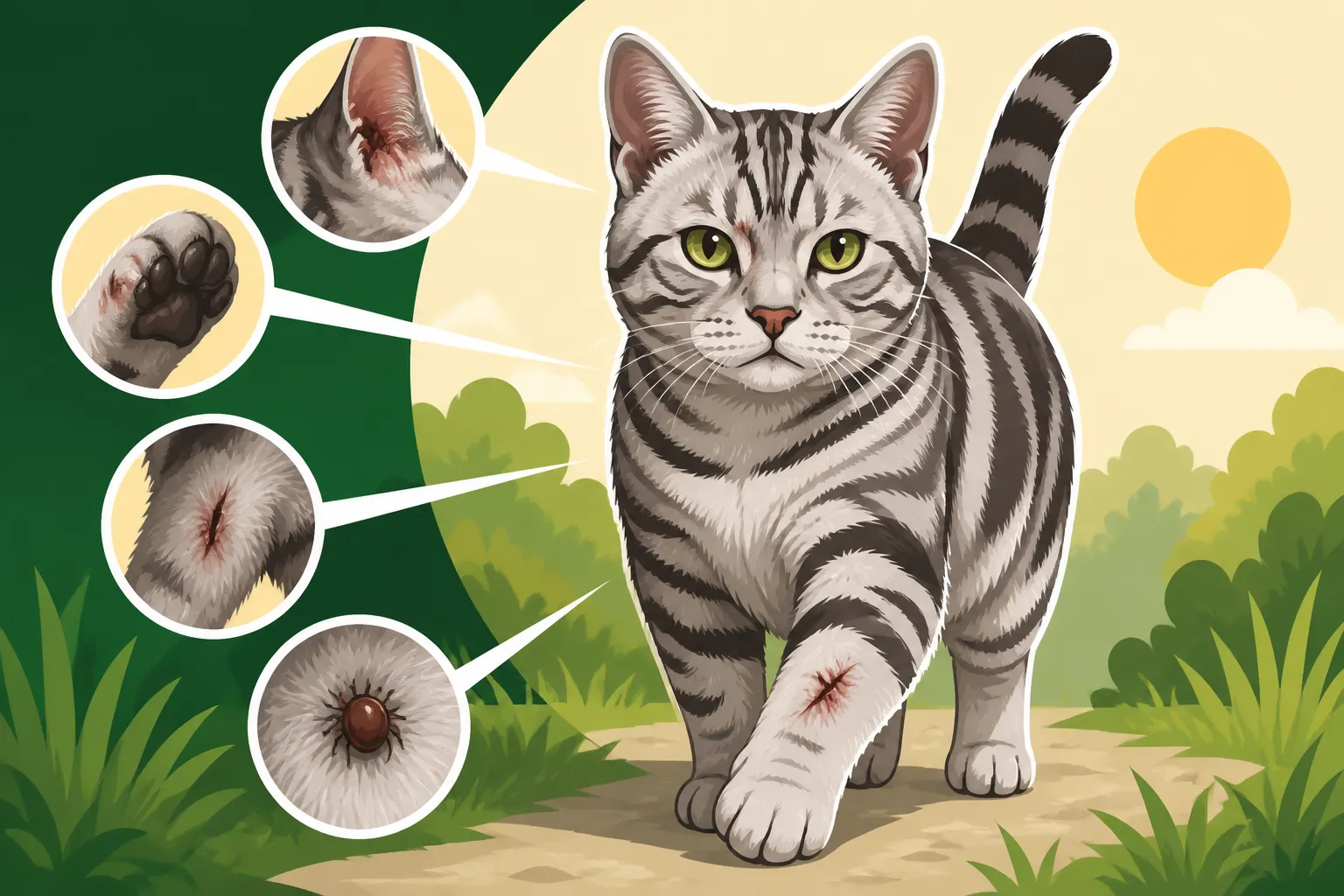
Which Injuries an Outdoor American Shorthair Comes Home With
It’s a natural instinct for many American Shorthair owners to consider letting their beloved cat explore the great outdoors. After all, these cats descend from hardy, self-sufficient ancestors who made their living as pest control. However, the world outside our homes, while stimulating, is also full of hidden dangers that can lead to unexpected and often serious injuries. This guide will walk you through the most common types of injuries an outdoor American Shorthair might face, how to recognize them, and what immediate steps you can take to help your adventurous feline friend.
The Call of the Wild and Its Real-World Consequences for Outdoor Cats
We all love to imagine our cats living their best, most natural lives, chasing butterflies and basking in the sun. For an American Shorthair, a breed known for its robust health and strong hunting drive, the appeal of the outdoors is particularly strong. They carry generations of instinct that whisper of patrol routes and prey. But while their ancestors thrived in a less developed world, today's outdoor environment presents a complex tapestry of risks that are far removed from a peaceful farmstead.
Understanding Their Natural Hunting Instincts
The American Shorthair is a magnificent, sturdy cat whose lineage is deeply rooted in working life. For centuries, these cats earned their keep as mousers on farms and ships, a history that has instilled in them a powerful prey drive and an innate curiosity. Even the most pampered indoor American Shorthair will exhibit behaviors like stalking toys, pouncing, and bringing you their "kills," whether it's a crumpled paper ball or a stray sock. When allowed outside, this instinct kicks into high gear. They don't just want to hunt; they often need to engage in these behaviors to feel fulfilled. They patrol their perceived territory, investigate every rustle in the bushes, and respond to the scent and sound of potential prey with keen focus.
However, the world beyond your back door isn't just about successful hunts. These hunting forays can quickly turn dangerous. A chase into dense undergrowth might result in nasty cuts or thorns embedded in paws. A confrontation with a rival cat over a perceived territory or a small animal can lead to deep bite wounds and painful infections. It's a tough reality that while their instincts call them to explore and hunt, the modern environment often punishes these very drives. It's a constant balancing act between respecting their nature and ensuring their safety, and it's a conversation many owners have when considering The Risks an Outdoor American Shorthair Takes That an Indoor One Does Not.
The Unseen Dangers Beyond Your Garden Fence
It’s easy to think of your neighborhood as safe, but for a cat, every corner can hold a potential hazard. Beyond the obvious threat of vehicles, which we'll delve into later, there are countless other dangers lurking for an unsupervised outdoor American Shorthair. This includes aggressive wildlife, such as raccoons, coyotes, or even large birds of prey, depending on your location. Other domestic animals, especially unleashed dogs or territorial cats, pose a significant threat.
The landscape itself can be treacherous. Cats can get trapped in sheds, garages, or even storm drains, especially if they are exploring unfamiliar areas. Toxic plants, spilled chemicals like antifreeze or pesticides, and discarded human waste can all be ingested, leading to severe illness or poisoning. It’s a sad truth that even in seemingly benign suburban environments, the unexpected can happen. A well-meaning neighbor might use rat poison that your hunter friend stumbles upon, or a garden could be treated with chemicals harmful to pets. These are the silent, invisible threats that make the decision to let an American Shorthair roam so fraught with worry for responsible owners.
Common Traumatic Injuries from Encounters with Wildlife and Other Cats
Outdoor life, for all its perceived freedom, often means confronting other creatures, big and small. These encounters, whether with rival felines or local wildlife, frequently result in injuries that range from minor scrapes to life-threatening wounds. Your American Shorthair, despite its sturdy build and courageous demeanor, is not immune to these everyday battles.
Bite Wounds and Abscesses from Feline Confrontations
This is arguably one of the most common and insidious injuries an outdoor cat faces. American Shorthairs, with their strong territorial instincts, might find themselves in skirmishes with other cats defending their turf. These aren't always dramatic, drawn-out fights; often, they're quick, brutal exchanges of bites and scratches. Cats' teeth are like tiny, sterile-looking needles that can puncture deeply, injecting bacteria under the skin. The small puncture marks might scab over quickly, seemingly healing on the surface, but underneath, the bacteria fester.
Within a few days, this often leads to a painful, pus-filled pocket known as an abscess. You might notice a swelling, often warm to the touch, or your cat might become lethargic, feverish, and reluctant to move or be petted, especially around the affected area. Common locations for bite wounds include the head, neck, hindquarters, and base of the tail – areas where a cat might get bitten while fighting or fleeing. If left untreated, abscesses can rupture, leading to open wounds, or in more severe cases, the infection can spread throughout the body, causing systemic illness. Recognizing Which Fight Wounds an Outdoor American Shorthair Comes Home With is crucial for prompt treatment, as these seemingly minor bites can escalate quickly. Ignoring a limp or a tender spot could mean a much more complicated veterinary visit down the line. It's also worth noting that cat fights can transmit serious diseases like Feline Immunodeficiency Virus (FIV) and Feline Leukemia Virus (FeLV), making regular vet checks and possibly vaccinations important considerations. If you’re wondering Whether an Outdoor American Shorthair Should Be FIV Tested, the answer is often yes, especially if they frequently get into fights.
Scratches and Lacerations from Running Through Thorns and Brush
Beyond the bites and claws of other animals, the environment itself can inflict damage. An American Shorthair, driven by curiosity or the thrill of the chase, often navigates dense thickets, thorny bushes, and overgrown areas. Their short, dense coats offer some protection, but they are not impenetrable. Running at speed through such terrain can easily lead to superficial scratches, deep lacerations, or punctures from sharp branches, thorns, or even discarded human debris like broken glass or jagged metal.
These injuries are particularly common on the legs, paws, and flanks. While many scratches might heal on their own, deeper cuts can bleed profusely, become infected, or even require stitches. Paw pads are especially vulnerable; a deep cut on a paw can be incredibly painful, making walking difficult and requiring careful cleaning and bandaging. Sometimes, a foreign body, like a splinter or thorn, can remain embedded, causing ongoing irritation and potential infection long after the initial injury. It's always a good idea to perform a quick "pat down" check after your cat comes indoors, especially if they've been on an extended adventure.
Injuries from Encounters with Small Prey
While the American Shorthair is a formidable hunter, not every encounter with prey is a clean kill. Mice and rats, even small birds, can fight back. A cornered rodent might inflict a bite wound on your cat, often on the nose or mouth, which can also lead to infection. Beyond direct injury, there’s the risk of ingesting internal parasites or bacteria from consuming infected prey. This is why it’s so vital to keep up with regular deworming schedules for outdoor cats.
Moreover, if your American Shorthair successfully catches a larger or more aggressive animal, like a squirrel or a rabbit, the struggle can lead to more significant injuries. These animals, in their desperate attempts to escape, can scratch, kick, or bite, potentially causing lacerations, sprains, or even fractures to your cat's limbs. Even if the cat wins the fight, the spoils can sometimes come at a high cost, not only in terms of injury but also the potential for disease transmission from the prey animal. This highlights why understanding Which Parasites an Outdoor American Shorthair Picks Up is so important for preventative care.
Accidents Involving Vehicles and Human Environments
Sadly, for many outdoor cats, the biggest threat isn't another animal; it's the modern human world itself, especially our roads and urban sprawl. These accidents are often the most severe and require immediate, life-saving intervention.
The Devastating Impact of Road Traffic Accidents
This is, without a doubt, one of the most heartbreaking realities of allowing cats to roam freely, especially in areas with even moderate vehicle traffic. Cars, trucks, and motorcycles move at speeds far too fast for a cat's reflexes, no matter how quick they are. The result of a collision can be catastrophic: broken bones, internal organ damage, head trauma, spinal injuries, and often, immediate death. Even if a cat survives, the injuries can be extensive, requiring complex surgeries, long recovery periods, and significant veterinary costs.
We've all seen the devastating statistics, and it's a constant worry for those of us with outdoor adventurers. The allure of chasing a leaf or crossing a familiar patch of grass can quickly turn into a fatal decision. This is precisely How Road Traffic Shortens an Outdoor American Shorthair's Life more than almost any other single factor. While some areas might have less traffic, no road is entirely safe. The decision to keep an American Shorthair indoors, or confined to a secure catio, often stems from this profound fear of road accidents, a fear that is unfortunately well-founded.
Falls from Heights and Entrapment Risks
American Shorthairs are athletic and love to climb, survey their territory from elevated positions, and explore every nook and cranny. While they are usually adept climbers, accidents can happen. A misstep on a fence, a slip from a tree branch, or a fall from a shed roof can lead to serious injuries. Common outcomes include broken limbs, sprains, joint dislocations, and even internal injuries from the impact. A cat might also fall into something, like a deep hole or a window well, and be unable to get out.
Beyond falls, the inquisitive nature of an American Shorthair can lead to entrapment. They might sneak into an open garage or shed, get accidentally locked inside, and suffer from dehydration or heatstroke. Exploring abandoned pipes, construction sites, or even tight spaces under houses can lead to them getting stuck, sometimes for days, resulting in severe injuries, starvation, or exhaustion. Being aware of their natural tendencies to climb and investigate means being vigilant about securing potential hazards around your property and advising neighbors to do the same.
Ingesting Harmful Substances
The outdoor environment is unfortunately rife with substances that are toxic to curious cats. Antifreeze, with its sweet taste, is particularly dangerous and attractive to pets, even a small amount can cause fatal kidney failure. Rodenticides (rat and mouse poisons) are designed to kill, and if an American Shorthair ingests bait directly or consumes a poisoned rodent, they can suffer from internal bleeding, neurological damage, or severe organ failure. Slug and snail bait, often containing metaldehyde, can cause seizures and respiratory distress.
Beyond overt poisons, common garden chemicals like herbicides, insecticides, and fertilizers can be harmful if a cat walks through treated areas and then grooms its paws, or directly ingests the chemicals. Even certain common plants are toxic, such as lilies, which can cause acute kidney failure. Outdoor cats are also at risk of ingesting human medications, discarded food, or other household waste. The signs of poisoning can vary widely, from vomiting and diarrhea to lethargy, tremors, or seizures, and always warrant an immediate trip to the vet. This is where having pet insurance like Healthy Paws can truly be a lifesaver, covering the often-exorbitant costs of emergency toxicology treatments.
Environmental Hazards and Weather-Related Injuries
While American Shorthairs are known for their hardy nature and adaptable coats, they are not immune to the extremes of weather or the subtle dangers presented by their immediate environment. Their very resilience can sometimes make it harder to spot when they're truly struggling.
Frostbite, Hypothermia, and Heatstroke
Even with their dense coats, American Shorthairs are susceptible to temperature extremes, especially during prolonged exposure without adequate shelter. In cold weather, frostbite can affect exposed areas like ear tips, paw pads, and tails, leading to tissue damage, pain, and in severe cases, necrosis. Hypothermia, a dangerously low body temperature, can occur if a cat becomes wet in freezing conditions or is unable to find warmth. Symptoms include shivering, lethargy, weak pulse, and eventual collapse. This is why Why an American Shorthair Should Be Kept In at Night during cold months is such important advice.
Conversely, hot weather poses its own threats. Cats can suffer from heatstroke if left outdoors in direct sun without shade or access to fresh water. While they are generally good at finding cool spots, prolonged exposure, especially on very hot and humid days, can be dangerous. Symptoms include panting, lethargy, drooling, vomiting, and staggering. Both hypothermia and heatstroke are medical emergencies requiring immediate veterinary attention. Providing a safe, temperature-controlled indoor environment is crucial for mitigating these risks.
Paw Pad Injuries and Foreign Bodies
A cat's paws are their primary interface with the world, and they take a lot of abuse outdoors. Walking across rough surfaces, hot asphalt, icy pavements, or gravel can cause cuts, abrasions, and blisters on their paw pads. A common and particularly painful issue is having foreign bodies embedded in their paws. This could be anything from a sharp splinter of wood, a piece of glass, a metal shard, or a stubborn burr or seed pod. These can cause immediate lameness, swelling, and infection if not removed promptly.
Regularly checking your cat's paw pads for any signs of injury or embedded objects is a critical part of caring for an outdoor American Shorthair. Early detection can prevent a minor irritation from escalating into a serious infection that requires antibiotics or even surgical removal. Even stepping on something as seemingly innocuous as a sticky patch of tar or sap can be irritating and difficult for them to clean off themselves, leading to persistent licking and potential skin irritation.
Chemical Burns and Irritations
Beyond ingestion, direct contact with various chemicals can cause significant external injuries. Spilled automotive fluids, harsh cleaning agents, weed killers, or garden pesticides can cause chemical burns to a cat's skin, especially on their paws if they walk through it, or around their mouth and face if they try to groom it off. These burns can be incredibly painful, causing blistering, redness, and hair loss, and often require extensive wound care.
Some irritants might not cause immediate burns but can lead to severe skin irritation, allergic reactions, or dermatitis. For example, contact with certain plants, insect bites, or even heavy concentrations of pollen can cause itchy rashes. Symptoms might include excessive scratching, licking, redness, swelling, or hair loss. Identifying the source of such irritation can be challenging, but prompt veterinary assessment is essential to alleviate discomfort and prevent secondary infections. This is another area where veterinary costs can add up quickly, making a robust pet insurance plan like those offered by Healthy Paws a practical consideration.
Recognizing Signs of Injury and Seeking Prompt Veterinary Care
One of the biggest challenges for American Shorthair owners is that these cats, true to their stoic, independent nature, are incredibly adept at hiding pain and discomfort. This instinct, a holdover from their wilder days when showing weakness meant becoming prey, can make it difficult to detect an injury until it's quite advanced or severe. Knowing what to look for, even the most subtle cues, is paramount.
Subtle Cues of Pain and Discomfort in a Stoic Cat
Your American Shorthair might not cry out or overtly limp unless an injury is excruciating. Instead, you need to be a detective, observing changes in their normal behavior. Look for subtle shifts:
- Changes in Movement: A slight stiffness, a reluctance to jump onto their favorite perch, or a noticeable decrease in their usual agility can indicate a sprain, muscle strain, or even a fracture. You might notice them favoring a limb or moving more slowly. Remember, Why a Limp in a Stoic American Shorthair Is Never Minor.
- Hiding or Withdrawal: A cat that suddenly starts hiding more than usual, avoids interaction, or seeks out quiet, secluded spots could be in pain or feeling unwell.
- Changes in Appetite or Thirst: A decrease in food or water intake, or a sudden increase in thirst, can signal underlying health issues, including pain or infection.
- Grooming Changes: Excessive licking or grooming of a specific area could indicate localized pain, irritation, or an open wound. Conversely, a painful cat might neglect grooming entirely, leading to a dull or messy coat.
- Vocalization Changes: While American Shorthairs aren't known for being overly vocal, any unusual meowing, growling, hissing, or purring (sometimes cats purr when in pain) should be noted.
- Behavioral Shifts: Increased aggression, irritability when touched, or unusual clinginess can all be signs of discomfort.
- Changes in Potty Habits: Inappropriate urination or defecation can sometimes be a sign of pain, especially if it's difficult for them to get into or out of the litter box, or if they are experiencing urinary issues related to stress or injury.
The Importance of a Thorough Post-Adventure Check
Making a routine of checking your outdoor American Shorthair after they come in can make all the difference. This doesn't need to be an invasive inspection every time, but a gentle, thorough once-over can help you spot issues early.
Start with a visual check: Are they moving normally? Is their fur ruffled in an unusual way?
Then, a gentle "pat down":
- Head and Neck: Feel for any swelling, scabs, or tenderness. Check their ears for discharge or wounds, and their mouth/nose for any signs of injury.
- Body and Tail: Run your hands gently over their ribs, back, and hindquarters, checking for lumps, bumps, or areas where they flinch. Check the base of the tail for bite wounds.
- Legs and Paws: Carefully examine each leg, feeling for swelling or heat. Lift each paw and check between the toes and on the pads for cuts, thorns, or debris. This is where many outdoor injuries manifest.
- Overall Demeanor: Pay attention to their eyes – are they bright and clear? Is their breathing regular?
Even if your cat seems fine, a regular check helps you become familiar with their normal feel and behavior, making it easier to spot deviations quickly. This routine is especially important after you've noticed them getting into a spat, or if they've been out longer than usual.
Emergency First Aid and When to Rush to the Vet
Knowing basic first aid can help stabilize your cat before you get them to a professional, but it’s crucial to understand when something warrants an immediate emergency visit.
For Minor Injuries (Scratches, Small Cuts):
- Clean: Gently clean the wound with a mild antiseptic solution (like dilute Betadine or saline solution) and a clean cloth. Avoid harsh chemicals like alcohol or hydrogen peroxide, which can damage tissue.
- Stop Bleeding: Apply gentle, direct pressure with a clean cloth or gauze for a few minutes.
- Monitor: Keep an eye on the wound for signs of infection (redness, swelling, pus) over the next few days.
For More Serious Injuries (Deep Wounds, Limping, Suspected Fractures, Severe Bleeding, Poisoning):
- Control Bleeding: For significant bleeding, apply firm, direct pressure with a sterile bandage or clean cloth. Do not use a tourniquet unless specifically instructed by a vet, as it can cause more harm.
- Immobilize (if possible and safe): If you suspect a fracture, try to keep your cat as still as possible. You might gently place them in a carrier or a secure box. Avoid trying to splint a limb yourself unless you've been trained, as you could cause more pain or further damage.
- Stay Calm: Your cat will sense your panic. Speak in a soothing voice, handle them gently, and try to keep them calm.
- Immediate Vet Visit: Do not delay. Call your veterinarian or the nearest emergency veterinary clinic immediately to let them know you're coming. They can provide guidance on what to do en route and prepare for your arrival. This is where pet insurance, like Healthy Paws, can alleviate the financial stress of an emergency situation. Knowing What an American Shorthair's Emergency Visit Costs can be daunting, but early action is key for prognosis and often helps reduce long-term complications.
Remember, while a well-stocked pet first-aid kit is helpful, it's not a substitute for professional veterinary care. For any serious injury, a vet visit is non-negotiable.
Protecting Your Outdoor Adventurer: Prevention and Ongoing Care
While the thrill of the chase and the freedom of the great outdoors are undeniably appealing to an American Shorthair, responsible ownership means weighing these benefits against the very real and often severe risks. Proactive prevention and diligent ongoing care are essential for any cat with outdoor access.
Creating a Safer Outdoor Environment for Your Cat
It’s often not about completely eliminating outdoor time, but about managing the risks. If you do allow your American Shorthair outside, consider ways to make their environment safer:
- Supervised Outings: Instead of free-roaming, consider supervised leash walks or enclosed outdoor spaces like a "catio." This allows them to enjoy fresh air and stimulation without the dangers of traffic, other animals, or poisons. Whether a Catio Satisfies an American Shorthair's Drive is a common question, and for many, it's a great compromise.
- Secure Your Property: Regularly check your fence lines for gaps, ensure sheds and garages are securely closed, and remove any toxic plants or chemicals from your yard.
- Limit Roaming Hours: Keep your American Shorthair indoors during peak traffic times, at night when predators are most active, and during extreme weather conditions. This significantly reduces their exposure to many common hazards.
- Talk to Neighbors: Politely inform neighbors about the dangers of antifreeze, rodenticides, and certain plants, encouraging them to be mindful of pet safety in their own yards.
While it's impossible to eliminate all risks for an outdoor cat, these steps can drastically reduce the likelihood of injury.
The Role of Vaccinations and Parasite Prevention
For any cat with outdoor access, a comprehensive preventative health plan is non-negotiable. Vaccinations against common feline diseases, especially rabies, Feline Leukemia Virus (FeLV), and Feline Immunodeficiency Virus (FIV), are critical. While FeLV and FIV are often spread through bite wounds, vaccinating can provide protection against these serious, often fatal, diseases that are prevalent in the outdoor cat population.
Consistent parasite control is equally important. Outdoor cats are highly susceptible to fleas, ticks, and various intestinal worms. Regular application of veterinarian-prescribed flea and tick preventatives, along with routine deworming, helps protect your cat from discomfort, skin issues, and potentially serious illnesses that these parasites can transmit. These preventative measures are a crucial line of defense against many of the common issues an outdoor American Shorthair faces, reducing both the risk of illness and the need for costly treatments down the road.
Regular Veterinary Check-ups and Emergency Preparedness
Even with the best preventative measures, accidents can happen. This is why regular veterinary check-ups are so important for outdoor American Shorthairs. Your vet can perform thorough physical exams, ensuring your cat is healthy, up-to-date on vaccinations, and on an appropriate parasite control regimen. They can also discuss specific risks in your area and tailor advice to your cat's lifestyle.
Beyond routine care, having an emergency plan in place is crucial. Know the location and contact information for your nearest 24-hour emergency veterinary clinic. Consider having a designated "vet fund" or, even better, investing in pet insurance. Companies like Healthy Paws can provide immense peace of mind, covering a significant portion of unexpected veterinary bills for accidents, illnesses, and emergencies. When your beloved American Shorthair is rushed in after a fall or a fight, the last thing you want to worry about is whether you can afford the best care. Being prepared financially allows you to focus solely on your cat's recovery.
| Type of Injury | Common Causes | Signs to Look For | Immediate Action |
|---|---|---|---|
| Bite Wounds/Abscesses | Cat fights, wildlife encounters | Swelling, pain when touched, lethargy, fever, foul odor, matted fur over wound. | Clean superficial wounds; Vet for deep bites/abscesses. |
| Lacerations/Scratches | Thorns, sharp objects, fights | Bleeding, visible cuts, limping, excessive licking. | Clean, apply pressure to stop bleeding; Vet for deep/gaping wounds. |
| Road Traffic Accidents | Vehicle collisions | Limping, obvious fractures, internal bleeding (pale gums, rapid breathing), unconsciousness, shock. | Immediate emergency vet visit. Handle with extreme care. |
| Falls/Entrapment | Falling from heights, getting stuck | Limping, pain, swelling, difficulty moving, signs of dehydration/distress (if trapped). | Assess for injury; Vet for suspected fractures/internal damage. |
| Poisoning (Ingestion) | Antifreeze, rodenticides, toxic plants, chemicals | Vomiting, diarrhea, lethargy, tremors, seizures, excessive drooling, difficulty breathing. | Identify toxin if possible; Immediate emergency vet visit. |
| Frostbite/Hypothermia | Prolonged cold exposure | Pale/discolored skin (ears, paws, tail), cold to touch, shivering, lethargy. | Warm slowly with blankets; Vet for severe cases. |
| Heatstroke | Prolonged heat exposure | Panting, drooling, lethargy, vomiting, red gums, staggering. | Move to cool area, offer water, apply cool (not cold) water; Immediate emergency vet visit. |
| Paw Pad Injuries | Rough surfaces, embedded objects | Limping, licking paw, visible cuts, swelling, tenderness. | Clean, check for embedded objects; Vet if deep/infected. |
| Chemical Burns | Contact with harsh chemicals | Redness, blistering, hair loss, pain, excessive grooming of affected area. | Rinse thoroughly with water; Immediate vet visit. |
Caring for an American Shorthair with Injuries
Once your American Shorthair has received initial veterinary care for an injury, the recovery process begins. This often involves follow-up appointments, medication administration, and sometimes wound care at home. It’s essential to follow your vet’s instructions precisely, even if your cat seems to be recovering quickly. Pain medication, antibiotics, and anti-inflammatory drugs might be necessary to manage discomfort and prevent infection. Ensuring your cat stays calm and rested during recovery is vital. This might mean confining them to a quiet room or a large crate to limit their activity, especially for orthopedic injuries.
The emotional toll of an injury can also be significant for your cat. Provide a comfortable, safe space, plenty of fresh water, and easy access to their litter box and food. Gentle reassurance and quiet companionship can go a long way in their healing process. Some injuries, particularly those from significant trauma, might lead to lasting health issues, necessitating ongoing management. For example, severe fractures can lead to arthritis later in life, and internal injuries might require long-term medication. This highlights the long-term commitment involved in caring for an injured pet and reinforces the value of pet insurance from the outset.
Disclaimer
As a blogger and cat enthusiast, I aim to provide comprehensive and helpful information based on my experience and available research. However, this article is for informational purposes only and is not a substitute for professional veterinary advice. Always consult with a qualified veterinarian for any health concerns or before making any decisions about your pet's medical care.