Whether a Wheel Replaces an American Shorthair’s Patrol
One of the biggest concerns for American Shorthair owners, especially those of us whose cats live indoors, is how to keep their naturally active and curious companions truly engaged. These aren't dainty lap cats; they're descendants of working felines, hardwired with a deep-seated instinct to patrol and hunt. So, when you see those sleek cat exercise wheels popping up, it's natural to wonder: can a wheel really satisfy that intrinsic need for a "patrol"? This guide dives into the nuances of your American Shorthair's inner world and explores how a cat wheel fits into their overall enrichment.
Understanding the American Shorthair's Natural Patrol Instinct
Your American Shorthair might be purring on your sofa right now, seemingly content, but underneath that calm exterior lies centuries of instinct. These cats weren't bred for delicate features or extreme coats; they were bred for function. They were the original pest control experts, keeping ships, barns, and homes free of rodents. That history has left an indelible mark on their behavior, manifesting in what we lovingly call their "patrol" instinct.
The Ancestral Roots of the Patrol
Imagine your American Shorthair's ancestors: constantly scanning their surroundings, marking their territory, and methodically checking for anything new or out of place. This wasn't just aimless wandering; it was survival. They had to know every nook and cranny of their domain, every potential hiding spot for prey, every escape route from a perceived threat. This thorough, systematic survey of their environment is the essence of their patrol. It's not simply about running or chasing; it's a cognitive and physical activity that engages their senses, their problem-solving skills, and their inherent need for security.
Even generations removed from active barn duty, that programming remains. It’s why you might see your cat walk the perimeter of a room repeatedly, jump onto a high shelf to survey the scene, or intently watch a bird from the window. They're enacting a miniature version of their ancestral duties, ensuring their "territory" is safe and understood. It’s part of The American Shorthair Still Hunts, Whether You Want It To or Not, even if the "prey" is just a dust bunny.
What a "Patrol" Entails for an Indoor American Shorthair
For your indoor American Shorthair, a "patrol" isn't about covering vast distances. Instead, it’s about a meticulous, routine exploration of their available space. This could look like:
- Routine Circuits: Walking a consistent path through different rooms, sniffing corners, checking under furniture.
- Vertical Observation: Utilizing cat trees, shelves, or even high-backed chairs to gain a vantage point, scanning the room below.
- Window Duty: Spending time at windows, watching the world outside, tracking birds or squirrels, effectively "monitoring" the outer boundaries of their perceived territory.
- Scent Checks: Rubbing against furniture or you, leaving their scent, reinforcing their ownership of the space.
- Investigation: Approaching new objects or changes in the environment with caution and thorough inspection.
It's a way for them to map their territory, assert their presence, and feel secure. This isn't usually expressed through frantic activity but rather a quiet, observant confidence, which is why Why a Working Bred American Shorthair Sits Beside You Rather Than On You rings so true for this breed. They are present, aware, and constantly evaluating their domain.
The Consequences of Unfulfilled Instincts
When an American Shorthair's natural patrol and hunting instincts aren't adequately met, it can lead to a variety of behavioral and even physical issues. These cats are built for purpose, and without an outlet for that purpose, boredom and frustration can easily set in.
Think about it: a cat with an innate drive to explore and monitor is confined to a predictable, unchanging environment. This can result in:
- Destructive Behaviors: Scratching furniture, chewing on household items, or trying to access "forbidden" areas out of sheer boredom or a desperate need for stimulation.
- Anxiety and Stress: A cat unable to express its natural behaviors might become withdrawn, over-groom, or exhibit signs of stress like inappropriate urination.
- Overeating and Obesity: Without sufficient physical and mental stimulation, food can become the primary source of engagement. This is a significant concern for the American Shorthair, a breed known for its robust appetite. Why Indoor Life Made the American Shorthair Fat is a common problem, and a lack of activity only exacerbates it.
- Lethargy and Depression: In some cases, prolonged boredom can lead to a general lack of interest in play or interaction, mimicking depression.
It's clear that providing enrichment that truly speaks to their ancestral needs isn't just a luxury; it's essential for their well-being.
The Appeal and Limitations of Cat Exercise Wheels for American Shorthairs
Cat exercise wheels have become quite popular, and for good reason. They offer a specific type of outlet that many indoor cats, including American Shorthairs, can benefit from. However, it's crucial to understand what they do provide and, more importantly, what they don't.
The Allure of the Cat Wheel
For many busy pet parents, the cat wheel seems like a perfect solution. It’s a dedicated piece of equipment designed to let a cat run to its heart's content, right in your living room. The idea of your American Shorthair burning off energy safely indoors, especially if you live in an apartment or don't feel comfortable letting them roam outside, is incredibly appealing. You can find various models online, from those boasting "silent" operation to different sizes and materials, with popular options available through retailers like Amazon. They promise convenience and a clear channel for your cat's energy.
What a Wheel Does Provide
A cat wheel is, first and foremost, an excellent source of cardiovascular exercise. For an American Shorthair, a breed that historically used its body for robust activity, a wheel can offer:
- Energy Release: If your American Shorthair has bursts of zoomies or a surplus of energy, a wheel provides a safe and effective way to burn it off. This can be particularly helpful for younger, more active cats.
- Physical Conditioning: Regular use can contribute to muscle tone and overall fitness, which is beneficial for a muscular breed.
- Weight Management: Paired with a proper diet, a wheel can be a valuable tool in preventing or managing obesity, a common issue for indoor cats. Considering How Few Calories an Indoor American Shorthair Burns, any opportunity for sustained exercise is a bonus.
- Mental Stimulation (of a sort): While not fulfilling the complex cognitive aspects of a patrol, the act of running can be self-rewarding for some cats, providing a form of focused engagement.
For many American Shorthairs who enjoy the sensation of running, it's a fantastic addition to their daily routine.
Why a Wheel Doesn't Fully Replace a Patrol
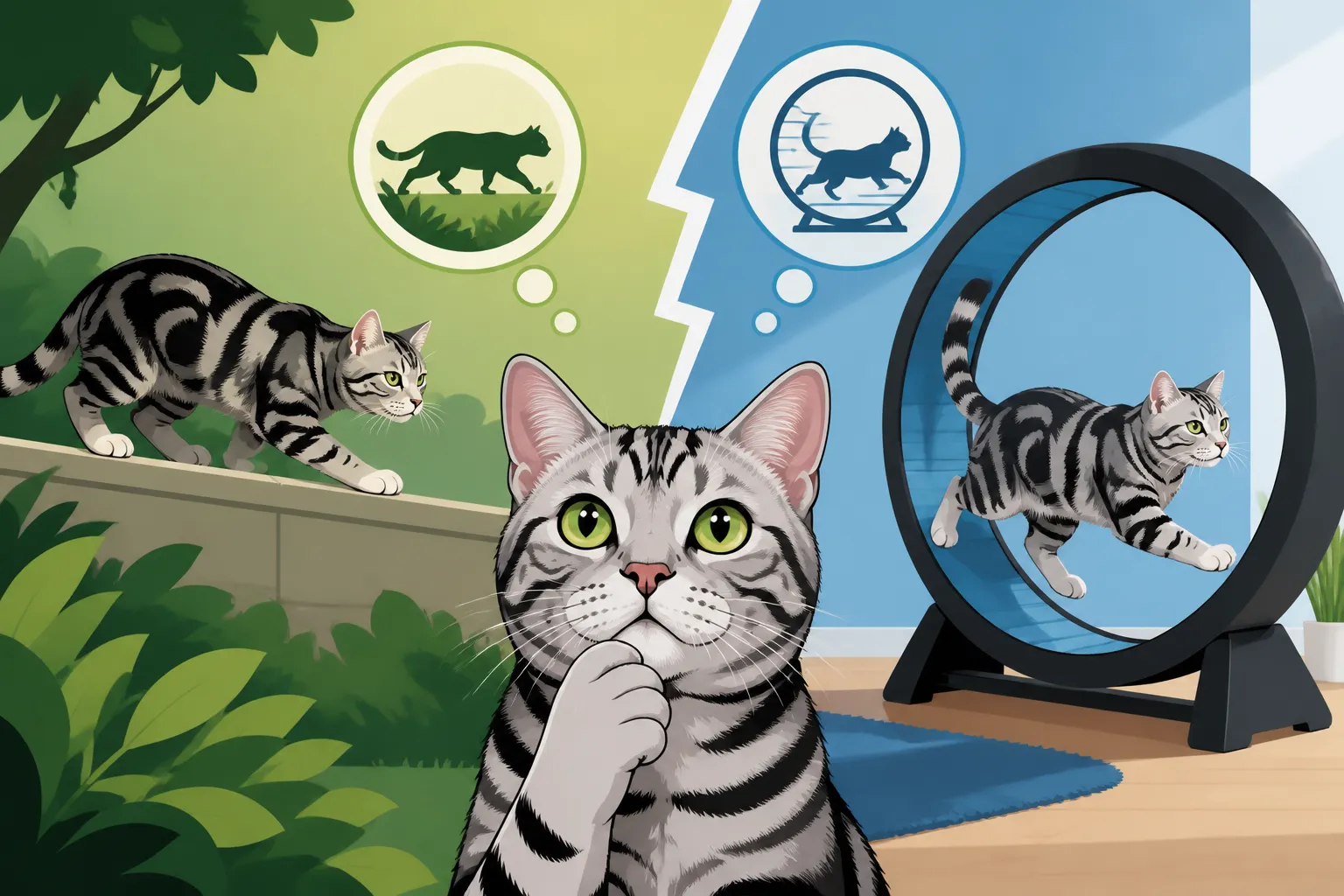
Here's the critical distinction: a cat wheel provides exercise, but it doesn't replicate the multifaceted experience of a territorial patrol. While it allows your American Shorthair to run, it lacks the cognitive and sensory richness that defines a true patrol.
Consider these limitations:
- Unidirectional and Repetitive: A wheel is a loop. There's no new terrain to explore, no varied scents to investigate, no strategic points to observe from. The mental engagement of discovering, assessing, and responding to a dynamic environment is completely absent.
- Lack of Sensory Input: A patrol engages sight, smell, hearing, and touch in a varied way. A wheel provides largely consistent visual and tactile input. There are no "new" things to discover, no changes in air currents, no unexpected sounds to analyze.
- Absence of Purposeful Exploration: The essence of a patrol is purposeful movement – checking boundaries, identifying potential prey, ensuring security. A wheel offers no such "mission." It's merely running. It's the difference between walking a treadmill and going on a hike through a forest. Both are exercise, but only one offers exploration, discovery, and a connection to nature.
- No Vertical Dimension: Patrolling for an American Shorthair often involves moving vertically – climbing, jumping to perches, surveying from above. A wheel is strictly horizontal.
- Limited Problem Solving: There are no obstacles to navigate, no puzzles to solve, no "prey" to track or capture on a wheel. This removes a significant cognitive component of a true patrol.
So, while a cat wheel can be a wonderful supplement for physical activity, it's not a substitute for the comprehensive engagement that an American Shorthair's deep-seated patrol instinct demands. It addresses the "running" part, but not the "exploring, assessing, and securing" part.
Integrating a Cat Wheel into a Comprehensive Enrichment Plan
Since a cat wheel alone can't fully satisfy your American Shorthair's patrol instinct, the smart approach is to incorporate it as one valuable tool within a broader, more holistic enrichment strategy. Think of it as part of a varied exercise and engagement routine, not the entire solution.
Making the Wheel Part of a Larger Strategy
The key to successful American Shorthair enrichment is variety and acknowledging all aspects of their natural behavior. A cat wheel can be a fantastic way for them to burn off excess energy in short bursts, but it needs to be complemented by activities that engage their minds, senses, and hunting drive in more complex ways.
For example, your American Shorthair might enjoy a vigorous 10-15 minute session on the wheel, followed by an interactive play session with a wand toy that simulates hunting. Later, they might spend time observing from a window perch or exploring a new cardboard box tunnel. The wheel contributes to their physical well-being, freeing up energy that can then be channeled into more cognitively demanding activities. It ensures that while they are getting exercise, they also have other outlets for their intelligence and instincts.
Training and Encouraging Wheel Use
Not every American Shorthair will instinctively hop onto a wheel and start running. Some need a bit of encouragement and positive reinforcement. Here are some tips for introducing your American Shorthair to a cat wheel:
- Placement Matters: Place the wheel in a high-traffic area where your cat spends a lot of time, but also where it won't feel cornered or overlooked. A quiet corner of the living room or a sunny spot can work well.
- Positive Association: Start by placing treats (Amazon has a great selection of healthy cat treats) or favorite toys on the wheel to encourage initial exploration. Let them investigate it on their own terms.
- Lure with a Wand Toy: This is often the most effective method. Use a wand toy (like Which Wand Toy Reads as Prey to an American Shorthair) to lure them onto the wheel, enticing them to walk or even run after the toy. Move the toy in a way that encourages forward motion on the wheel. Start with very short sessions.
- Clicker Training: For some cats, clicker training can be highly effective. Reward any interaction with the wheel – a sniff, a paw touch, a single step – with a click and a treat. Gradually increase the criteria.
- Patience is Key: Don't force your cat. If they're not interested, try again later. Some cats take days or even weeks to warm up to the idea. The goal is to make it a positive, self-initiated activity.
- Make it Fun: Keep sessions short and positive. Always end on a good note, maybe with a final treat or a favorite toy.
Remember, the goal is for them to enjoy it. If your American Shorthair simply isn't interested after a fair attempt, don't worry. There are plenty of other ways to keep them active and engaged.
When a Wheel Is Most Beneficial
A cat wheel can be a game-changer for specific types of American Shorthairs or households:
- High-Energy Individuals: Some American Shorthairs, especially younger ones, have boundless energy. A wheel provides a fantastic outlet for this, preventing boredom-induced mischief.
- Cats Prone to Weight Gain: For a breed susceptible to gaining weight, a wheel offers a consistent way to burn calories and maintain a healthy physique. This is particularly relevant if you're working on a weight loss plan with your vet.
- Smaller Living Spaces: If you live in an apartment or a home with limited space for extensive cat trees and obstacle courses, a wheel can maximize exercise opportunities within a smaller footprint.
- Indoor-Only Cats: For American Shorthairs who never go outdoors, a wheel offers a valuable source of intense physical activity that might otherwise be hard to replicate inside.
- When You Have Limited Time for Interactive Play: While a wheel shouldn't replace interactive play, it can certainly supplement it on days when your schedule is particularly hectic. Your cat can use it independently.
Ultimately, a cat wheel is an excellent tool to consider, but its effectiveness is amplified when seen as part of a larger, well-thought-out enrichment strategy that addresses all facets of your American Shorthair's natural instincts.
Beyond the Wheel: Holistic Enrichment for Your American Shorthair
While a cat wheel offers a burst of physical exercise, truly satisfying your American Shorthair's deep-seated patrol and hunting instincts requires a multi-faceted approach. We want to recreate the richness and complexity of their ancestral world within your home, not just provide a treadmill.
Creating a Dynamic Territory Indoors
To truly engage your American Shorthair's patrol instinct, you need to make their indoor environment as dynamic and stimulating as possible. This means thinking about your home not just as a flat space, but as a three-dimensional territory to be explored and monitored.
- Vertical Spaces are Crucial: American Shorthairs love to survey their domain from a height. Invest in sturdy cat trees, wall-mounted shelves, or even clear off the top of a bookshelf to create elevated perches. These provide safe vantage points from which they can "patrol" their territory and feel secure. How Much Vertical Space an American Shorthair Needs is often underestimated, but it’s vital for their sense of security and engagement.
- Window Perches: Windows are their "television." Provide comfortable, secure window perches where they can watch the outside world, observing birds, squirrels, and passersby. This is a crucial part of their "outer perimeter" patrol.
- Varied Textures and Hiding Spots: Offer different textures for them to explore – a crinkly tunnel, a soft blanket, a sturdy cardboard box (easily found on Amazon and endlessly entertaining). Hiding spots, like cat caves or even just a blanket draped over a chair, provide secure places for them to observe or retreat, mimicking dens in a larger territory.
- Rotating Toys and Scents: Keep their environment fresh by rotating toys regularly. Introduce new, safe scents (like catnip, silvervine, or even a leaf from outside) to pique their curiosity.
By layering these elements, you create a complex "patrol route" that engages their senses and cognitive abilities far more than a simple wheel ever could.
Engaging the Hunting Sequence
The patrol instinct is often intertwined with the hunting instinct. American Shorthairs need to express their natural predatory behaviors – stalking, pouncing, capturing, and "killing" their prey.
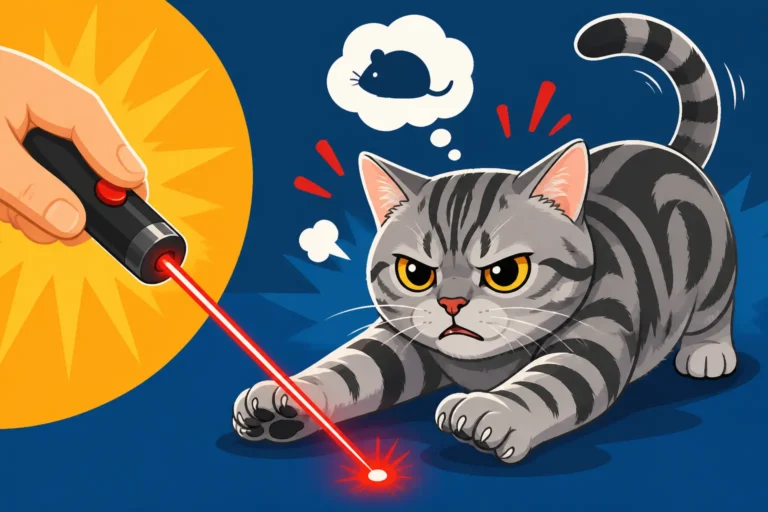
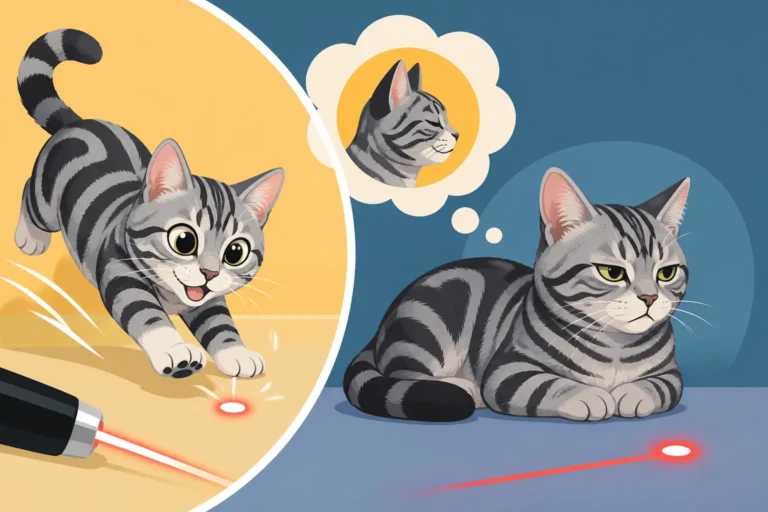
- Interactive Play Sessions: Dedicate time daily for interactive play using wand toys. Crucially, allow your cat to catch the "prey" at the end of the session. The frustration of an uncatchable laser pointer, for instance, can be detrimental. Let them "win" and feel the satisfaction of the capture. How Much Simulated Hunting an American Shorthair Needs can be several short sessions throughout the day.
- Puzzle Feeders: These are brilliant for engaging their minds and instincts. Instead of just eating from a bowl, your American Shorthair has to "work" for their food, simulating the effort of hunting. There are many varieties on Amazon, from simple treat-dispensing balls to more complex feeders. Whether a Puzzle Feeder Satisfies an American Shorthair is often a resounding yes for this intelligent breed.
- Hidden Treats/Food: Hide small portions of their daily kibble or treats around the house, encouraging them to "forage" and "hunt" for their meals. This taps into their exploratory drive. How to Hide an American Shorthair's Food Around the House is a simple yet effective method.
- Feather Toys and "Mice": Provide toys that mimic the size, texture, and movement of real prey. Crinkly balls, plush mice, and toys with real feathers are often big hits.
Sensory and Social Enrichment
Beyond physical space and hunting, American Shorthairs benefit from a variety of sensory and social inputs that contribute to their overall well-being.
- Safe Outdoor Access: If possible and safe, consider a secure catio or supervised leash walks. This provides an explosion of new sights, sounds, and smells that no indoor environment can replicate. Just be mindful of Which Injuries an Outdoor American Shorthair Comes Home With if unsupervised.
- Novelty: Introduce new items periodically, like a large cardboard box, a crinkly paper bag, or even a new scent on a blanket. The novelty itself is stimulating.
- Consistent Routine, with Flexibility: American Shorthairs appreciate routine, which contributes to their sense of security in their territory. However, subtle changes and new experiences keep their minds sharp.
- Human Interaction: Even though American Shorthairs are famously independent – An American Shorthair Asks You for Almost Nothing – they still crave companionship and interaction on their own terms. Gentle petting, quiet presence, and shared observation moments reinforce your bond.
- Considering a Companion: For some American Shorthairs, especially if you have long hours away from home, a compatible feline companion can provide social enrichment and shared "patrols." Which Companion Suits an American Shorthair would be another cat with a similar temperament.
By combining the physical benefits of a cat wheel with a rich, dynamic indoor environment and engaging play, you can create a truly fulfilling life for your American Shorthair that honors their ancient instincts.
| Feature / Benefit | Cat Exercise Wheel | Natural "Patrol" Instinct |
|---|---|---|
| Primary Benefit | Cardiovascular exercise, energy release | Territorial management, security, cognitive engagement |
| Movement | Repetitive, unidirectional running | Varied walking, climbing, jumping, surveying, exploring |
| Sensory Input | Limited, consistent (visual, tactile) | Rich, varied (sight, smell, sound, touch) |
| Cognitive Engagement | Low (motor skills only) | High (problem-solving, assessment, memory, strategy) |
| Purpose | Physical exertion | Exploration, mapping, hunting, security |
| Emotional Impact | Can reduce boredom/frustration, boost mood | Builds confidence, reduces anxiety, fulfills instinct |
| Versatility | Specific for running | Adaptable to diverse environments and situations |
| Replacement for Patrol? | No, a supplement for physical activity | Core behavior for well-being |
Disclaimer
This article is for general informational purposes only and does not constitute professional advice. Laws, prices and regulations vary by location and change over time. Consult a qualified professional for guidance on your specific situation.