How Few Calories an Indoor American Shorthair Burns
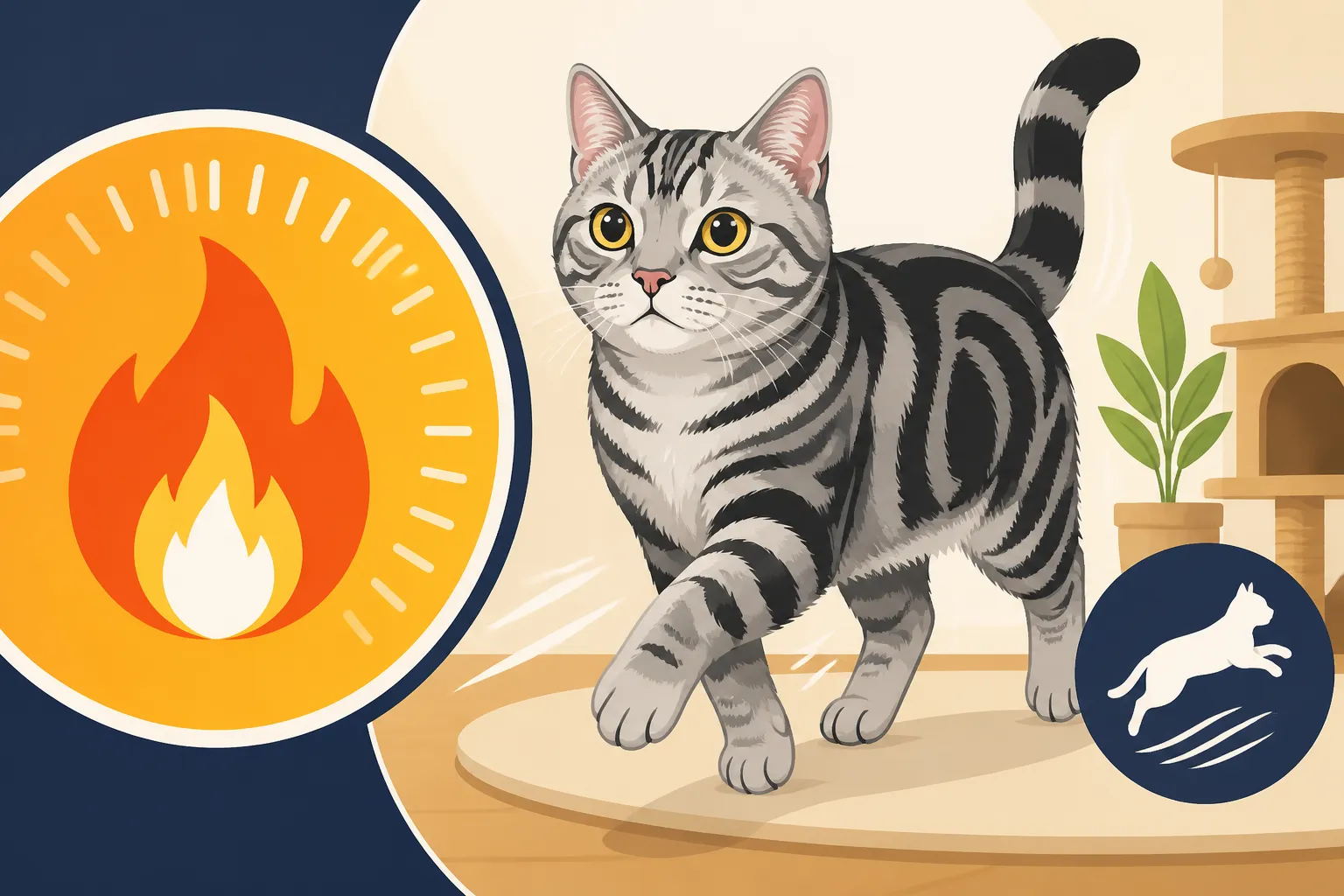
It’s a common heartache for so many of us American Shorthair owners: you adore your sturdy, good-natured cat, but you’ve noticed them slowly, almost imperceptibly, getting a little… rounder. You might be feeding them what feels like a sensible amount, perhaps even the recommendations on the bag, yet the weight creeps on. This isn't just a cosmetic issue; it's a real health concern that stems from the stark reality of how few calories an indoor American Shorthair actually burns compared to their ancestral activity levels, and it's a frustration we absolutely need to talk about.
The Sedentary Reality of an Indoor American Shorthair
Let's be honest, our beloved American Shorthairs are living the good life. They have warm beds, endless cuddles, and regular meals that appear magically in a bowl. But this luxurious existence is a far cry from their roots, and it fundamentally changes their metabolic needs.
The Shift from Barn Cat to Sofa Companion
Imagine for a moment the ancestors of your American Shorthair. These were not pampered house pets; they were rugged, self-sufficient working cats. They sailed on ships, guarding provisions from rats, and later patrolled barns and farms across North America, keeping rodent populations in check. This wasn't a casual hobby; it was a full-time job that demanded constant vigilance, quick bursts of energy for hunting, and extensive territorial patrols. Every meal was earned through effort.
Fast forward to today, and most American Shorthairs spend their days as cherished indoor companions. They no longer need to hunt for survival, nor do they traverse vast territories to maintain their domain. This massive shift in lifestyle means their inherent design for high energy expenditure is now largely redundant. Their bodies are still wired for that historical level of activity, but their daily lives simply don't provide it. This historical context is vital to understanding why an American Shorthair's metabolism is geared for much more than snoozing on the sofa.
How Daily Activity Levels Plummet Indoors
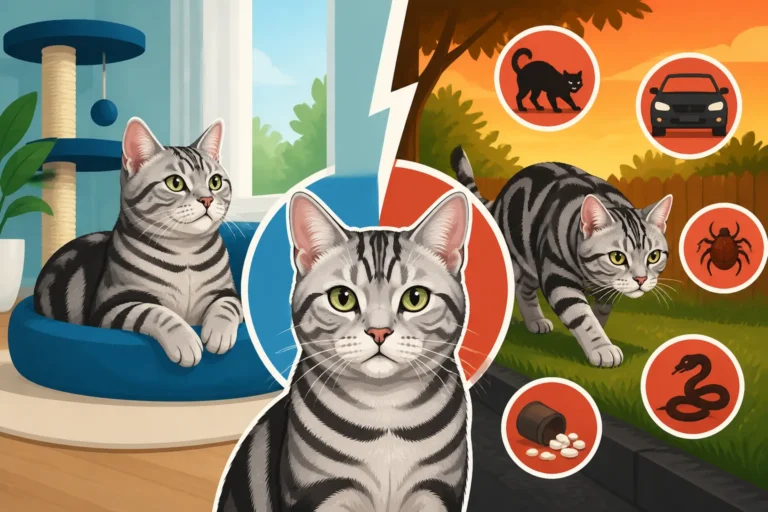
When we bring a cat indoors, we're doing it to keep them safe from the perils of the outside world—traffic, predators, disease. It's a loving choice, but it comes with a trade-off in terms of natural exercise. An outdoor cat might walk miles in a day, climb trees, sprint after prey, engage in territorial disputes, and navigate complex environments.
An indoor American Shorthair, by contrast, might:
- Walk from the bed to the food bowl.
- Stroll to the litter box.
- Maybe, maybe, engage in a 10-minute play session with a feather wand.
- Jump onto a window sill to watch birds.
- Perform a few stretches.
Compare that to the sustained, varied physical activity of their ancestors. The difference is staggering. Their energy expenditure drops dramatically, yet their appetite, a holdover from those working days, often remains robust. This is the core of the calorie dilemma; their intake often far outstrips their actual energetic needs, leading to insidious weight gain. It highlights the problem of why ending the mousing job made the American Shorthair heavy.
Understanding Calorie Needs vs. Intake for the Indoor American Shorthair
The disconnect between an American Shorthair's natural, historical calorie expenditure and their modern, sedentary lifestyle is a leading cause of obesity. It's not about being "lazy"; it's about a fundamental mismatch.
Basal Metabolic Rate and Energy Requirements
Every living creature has a Basal Metabolic Rate (BMR), which is the minimum amount of energy needed to keep the body functioning at rest—think breathing, digestion, maintaining body temperature, and cellular repair. For a cat, especially a spayed or neutered adult, this BMR makes up the bulk of their daily calorie needs because their activity levels are so low.
Beyond the BMR, additional calories are needed for:
- Activity: As discussed, this is significantly reduced for indoor cats.
- Growth: Only relevant for kittens and young cats. An American Shorthair kitten stays on kitten food longer because they take a while to fill out their muscular frame.
- Reproduction: Only for breeding cats.
- Lactation: For nursing mothers.
For an average, healthy, spayed or neutered adult indoor American Shorthair, their daily energy requirement (DER) is often barely above their BMR. While a large, muscular breed might seem like it needs a lot of food, if that muscle isn't being actively used, the calorie burn is remarkably low. Many sources estimate that a typical inactive indoor cat needs around 20-25 calories per pound of ideal body weight per day. This is a general guideline, and individual cats will vary, but it provides a starting point that is often far lower than what owners assume.
The Calorie Discrepancy: Why Even "Normal" Food is Too Much
The caloric content of commercial cat foods is designed with a "typical" cat in mind, which often means a cat with a moderate level of activity. However, for an American Shorthair who spends most of its day napping, even the recommended serving size on a bag of cat food can be excessive. We often fall into the trap of thinking a full bowl is a happy cat, or that a cat should have access to food whenever they want it. This mindset, combined with an American Shorthair's strong food drive inherited from their past, can quickly lead to an caloric surplus.
Consider an American Shorthair that weighs 12 pounds, which might be a healthy weight for a male with a good frame. If it's a sedentary indoor cat, it might only need around 240-300 calories per day. Many popular dry cat foods contain around 350-400 calories per cup. If you're free-feeding or even giving what you think is a small amount, it's incredibly easy to exceed their needs. This is why a bowl left down ruins an American Shorthair, as it allows constant grazing, turning a mild caloric surplus into a significant one. The cumulative effect of even a small excess each day adds up over weeks and months, leading to gradual but persistent weight gain.
Estimated Daily Calorie Needs for Adult American Shorthairs (Indoor, Spayed/Neutered)
| Ideal Body Weight (lbs) | Estimated Daily Calories (kcal) | Typical Dry Food (per cup) | Approximate Daily Portion (cups) |
|---|---|---|---|
| 10 | 200-250 | 350 | 0.57 – 0.71 |
| 12 | 240-300 | 350 | 0.68 – 0.85 |
| 14 | 280-350 | 350 | 0.80 – 1.00 |
Note: These are estimates. Individual needs vary based on age, metabolism, and precise activity level. Always consult your vet for tailored advice.
Practical Strategies for Managing an Indoor American Shorthair's Weight
Understanding the problem is the first step; the next is implementing effective strategies to help your American Shorthair maintain a healthy weight. It's about adjusting their lifestyle to fit their genetic blueprint in a modern world.
Rethinking Feeding Habits and Portion Control
The single most impactful change you can make is to take control of your cat's food intake. This means moving away from free-feeding and embracing structured meals with carefully measured portions.
- Measure Everything: Don't eyeball it. Use a dedicated measuring cup to ensure you're providing the exact calorie amount recommended by your vet. If your vet advises a weight loss plan, they will calculate a specific caloric target. Remember, it's often less than you think.
- Scheduled Meals: Instead of leaving a bowl out all day, offer two or three small meals at set times. This creates a routine, allows you to monitor intake, and prevents constant grazing. For an American Shorthair that once worked for meals, this structured approach can also tap into their natural instincts, even if the "work" is just waiting for dinner.
- Choose Appropriate Food: Talk to your vet about specific diet foods if your cat is overweight. These are often lower in calories but still provide essential nutrients. Look for foods that are high in protein to help maintain muscle mass, and moderate in fat. Wet food can be a great option for weight management as its higher water content helps cats feel fuller with fewer calories.
- Slow Feeders and Puzzle Toys: To prevent your American Shorthair from gobbling down their measured meal too quickly, use slow feeders or puzzle toys. This not only stretches out mealtime but also provides mental stimulation and a semblance of "work" for their food. It's a fantastic way of making an American Shorthair work for its dinner again, appealing to their innate hunting drive.
- Treats Count: Those little treats add up! Factor them into your cat's daily calorie allowance. Opt for low-calorie treats or even pieces of their regular kibble if they respond well to them.
Boosting Activity in a Limited Environment
Even in a small apartment, there are many ways to encourage your American Shorthair to move more. It requires a bit of creativity and consistency from you.
- Interactive Play Sessions: Dedicate at least two 10-15 minute play sessions daily with wand toys, laser pointers (with a tangible "catch" at the end to prevent frustration), or remote-controlled mice. Mimic hunting behaviors: stalk, pounce, capture. This is crucial for stimulating their predatory instincts and burning calories.
- Vertical Space: American Shorthairs love to climb and observe their territory from above. Invest in cat trees, shelves, or wall-mounted perches. This encourages jumping, climbing, and exploring, turning your home into a more dynamic environment.
- Food Scavenger Hunt: Instead of putting all their food in one bowl, hide small portions around the house. Place some on lower shelves, inside puzzle feeders, or even at the top of a cat tree. This forces them to "hunt" for their food, adding activity and mental engagement.
- Supervised Outdoor Time: If safe and practical, consider a securely enclosed "catio" or harness training for supervised walks. While not every cat takes to a harness, even a small, safe outdoor space can provide significant environmental enrichment and encourage more movement.
- New Toys and Rotation: Cats can get bored with the same old toys. Rotate their toy selection weekly to keep things fresh and exciting. Consider different textures, sounds, and sizes to pique their interest.
Remember, an active cat is a healthier cat. If you notice your American Shorthair losing some of their agility or enthusiasm for play, it might be a sign of discomfort, which could be related to weight.
The Health Implications of Underexpended Calories
The impact of not burning enough calories goes far beyond just a wider waistline. For an American Shorthair, carrying extra weight can significantly compromise their health and reduce their quality of life.
Common Health Problems from Excess Weight
Obesity in cats, just like in humans, is a gateway to a host of serious medical conditions. Our American Shorthairs, with their naturally sturdy build, are often perceived as less fragile, but this can mask the underlying strain that excess weight puts on their systems.
- Diabetes Mellitus: This is one of the most common and serious consequences of feline obesity. Excess fat cells can lead to insulin resistance, meaning the body's cells don't respond properly to insulin, resulting in high blood sugar. This condition requires daily insulin injections and strict dietary management. Knowing how weight turns into diabetes in an American Shorthair can be a real wake-up call.
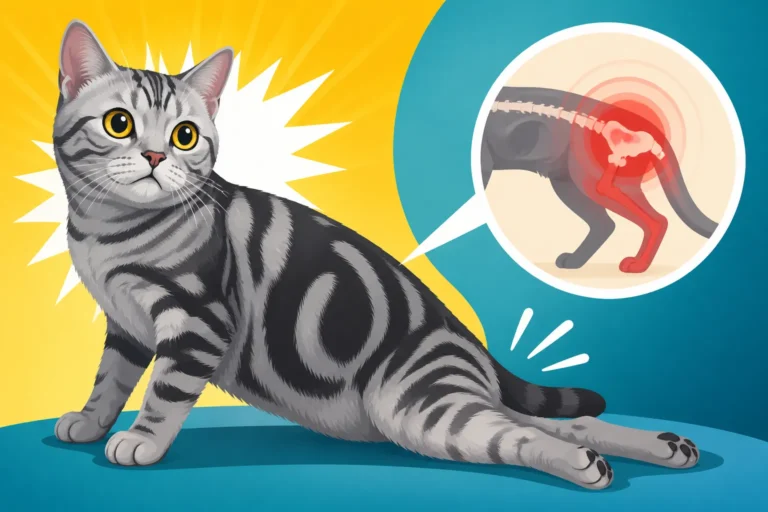
- Arthritis and Joint Pain: The American Shorthair's broad chest and muscular frame means they are designed to carry weight through their hips. However, carrying excess weight puts immense strain on their joints, particularly the hips and knees. This can exacerbate or accelerate the development of osteoarthritis, making jumping, running, and even walking painful. This is a clear example of what extra weight does to an American Shorthair's working frame, turning a strength into a vulnerability.
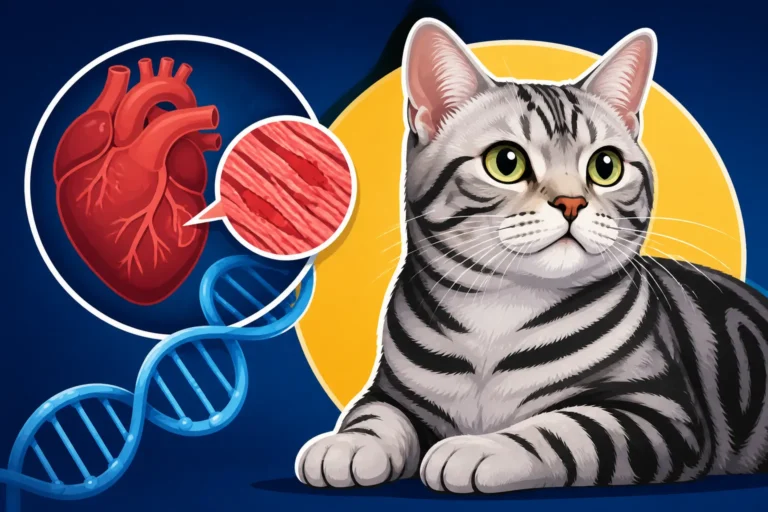
- Heart Disease: While American Shorthairs are generally a healthy breed, obesity can contribute to cardiovascular strain. Extra weight means the heart has to work harder to pump blood throughout the body, potentially leading to issues like hypertension (high blood pressure) which can further damage organs like the kidneys and eyes.
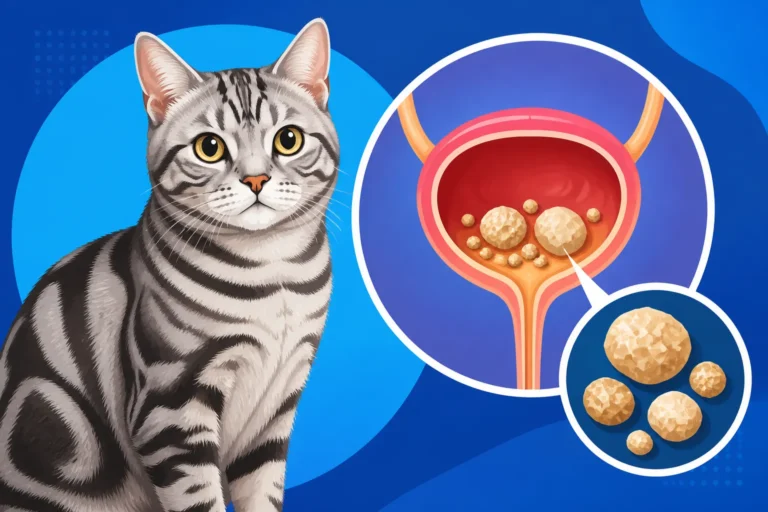
- Urinary Tract Issues: Obese cats may have difficulty grooming themselves, especially in the hindquarters, which can contribute to urinary tract infections. Furthermore, obesity can alter the immune response and increase inflammation, potentially making them more susceptible to bladder issues.
- Liver Disease (Hepatic Lipidosis): Rapid weight loss in an obese cat can trigger hepatic lipidosis, a severe and potentially fatal liver condition where the liver becomes overwhelmed with fat. This is why any weight loss program for an American Shorthair must be slow and carefully managed under veterinary guidance.
- Reduced Lifespan and Quality of Life: Simply put, obese cats live shorter, less comfortable lives. They're often less playful, less mobile, and more prone to chronic pain and illness. This unfortunately answers the question of how many years extra weight takes off the American Shorthair's lifespan.
Recognizing and Preventing Obesity
Being proactive is key to keeping your American Shorthair healthy and at an ideal weight. Regular check-ups and mindful monitoring at home are essential.
- Body Condition Scoring: Learning how to assess your cat's body condition is more important than relying solely on the number on a scale. You should be able to easily feel their ribs when running your hands along their side, but not see them. They should have a visible waistline when viewed from above, and no sagging belly when viewed from the side. If you're unsure how to tell if your American Shorthair is overweight, learning how to spot weight gain on a square built American Shorthair is crucial.
- Regular Vet Visits: Annual (or bi-annual for seniors) veterinary check-ups are vital. Your vet can accurately weigh your cat, assess their body condition, and discuss appropriate feeding and exercise plans. They can also rule out any underlying medical conditions that might contribute to weight gain. Providers like Healthy Paws pet insurance can help cover the costs of these essential preventive visits and any treatments for weight-related conditions that might arise.
- Weigh Your Cat at Home: While not as precise as a vet scale, using a baby scale or even weighing yourself, then picking up your cat and weighing again, can help you track trends. Consistency is more important than absolute accuracy for home monitoring.
- Consistency is Key: Once you've established a healthy feeding and exercise routine, stick with it! It's an ongoing commitment to your cat's well-being. Small deviations, like an extra handful of treats here and there, can quickly undermine progress.
- Consider Pet Insurance: As mentioned, conditions like diabetes, arthritis, or heart disease can be incredibly expensive to manage over a cat's lifetime. Having pet insurance, perhaps through a reputable provider like Healthy Paws, can provide significant peace of mind and ensure you can afford the best possible care if your American Shorthair does develop a weight-related illness.
By understanding that your indoor American Shorthair simply doesn't burn many calories, and by taking concrete steps to manage their diet and encourage activity, you can help them live a longer, healthier, and happier life, avoiding the frustrations and heartaches that come with preventable weight-related diseases.
Disclaimer
This article is intended for informational purposes only and does not constitute veterinary advice. Always consult with a qualified veterinarian for any health concerns or before making any changes to your pet's diet, exercise routine, or medical care.