Why a Laser Frustrates an American Shorthair That Needs the Catch
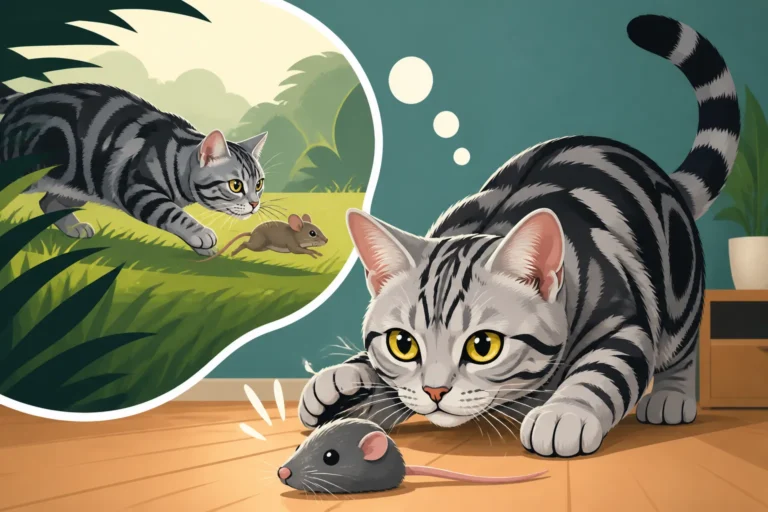
It's a common scene: you're relaxing, you grab that handy laser pointer, and suddenly your American Shorthair is transformed into a sleek, silent hunter, eyes locked on the little red dot. They stalk, they pounce, they race around the room with an intensity that's truly captivating. But then, when you turn the laser off, why does your cat sometimes seem even more wired, perhaps even a little grumpy, staring intently at the spot where the dot vanished, or maybe even batting at your ankles? This isn't just a quirky cat habit; it stems from the deeply ingrained hunting instincts of the American Shorthair, and this guide will explore why a laser, while exciting, often frustrates these natural-born predators by denying them the satisfying conclusion to their hunt.
The American Shorthair's Deep-Seated Hunting Instincts
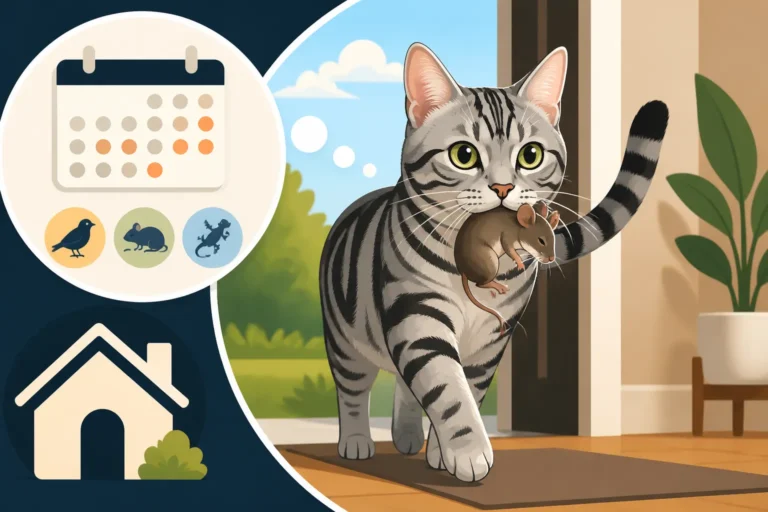
For centuries, before they became beloved household companions, the ancestors of the American Shorthair were invaluable working cats. They were the original pest control experts, keeping barns, granaries, and even ships free of rodents. This wasn't just a casual pastime; it was their job, crucial for the survival of early settlers and their supplies. Why Centuries of Ratting Left the American Shorthair Its Drive Their very existence depended on their hunting prowess, and this history has etched an incredibly strong predatory drive into their DNA.
The Complete Predatory Sequence
When we talk about a cat's hunting instinct, it's not just a single action. It's a complex, multi-stage sequence of behaviors, often referred to as the "predatory sequence." This sequence typically involves:
- Orienting: Noticing the potential prey.
- Stalking: Approaching the prey stealthily, using cover, low to the ground. How an American Shorthair Stalks
- Chasing: Pursuing the prey once it starts to move or once the cat decides to make its move.
- Pouncing: Leaping onto the prey with precision. How an American Shorthair Pounces
- The Kill Bite: Delivering a swift, decisive bite to the neck, severing the spinal cord – this is the crucial, instinctual act that ends the hunt for the cat.
- Consuming: Eating the prey.
For the American Shorthair, whose sturdy build and strong jaws were perfected over generations of catching and dispatching prey, every stage of this sequence is immensely rewarding. Why the American Shorthair Kept Strong Jaws Even if your American Shorthair has never seen a live mouse in its life, these instincts are alive and well. An indoor American Shorthair still retains the instinct to hunt, even if the "prey" is just a dust bunny or a shadow. Why an Indoor American Shorthair Keeps the Instinct They don't just enjoy the chase; they need the satisfaction of completing the entire sequence, especially that critical "kill" phase.
The Unfulfilled Chase: Why Laser Pointers Fall Short
Now, let's talk about the laser pointer. It's so easy, so mesmerizing, and seems like such a fantastic way to get your cat moving. Indeed, a laser pointer excels at simulating the first few stages of the predatory sequence: the orienting, the stalking, and the exhilarating chase. The erratic, fast-moving red dot perfectly mimics the unpredictable movements of small prey, triggering your American Shorthair's innate drive to pursue. Their pupils dilate, their body language becomes intensely focused, and they engage fully in the thrill of the hunt.
The Missing Conclusion to the Hunt
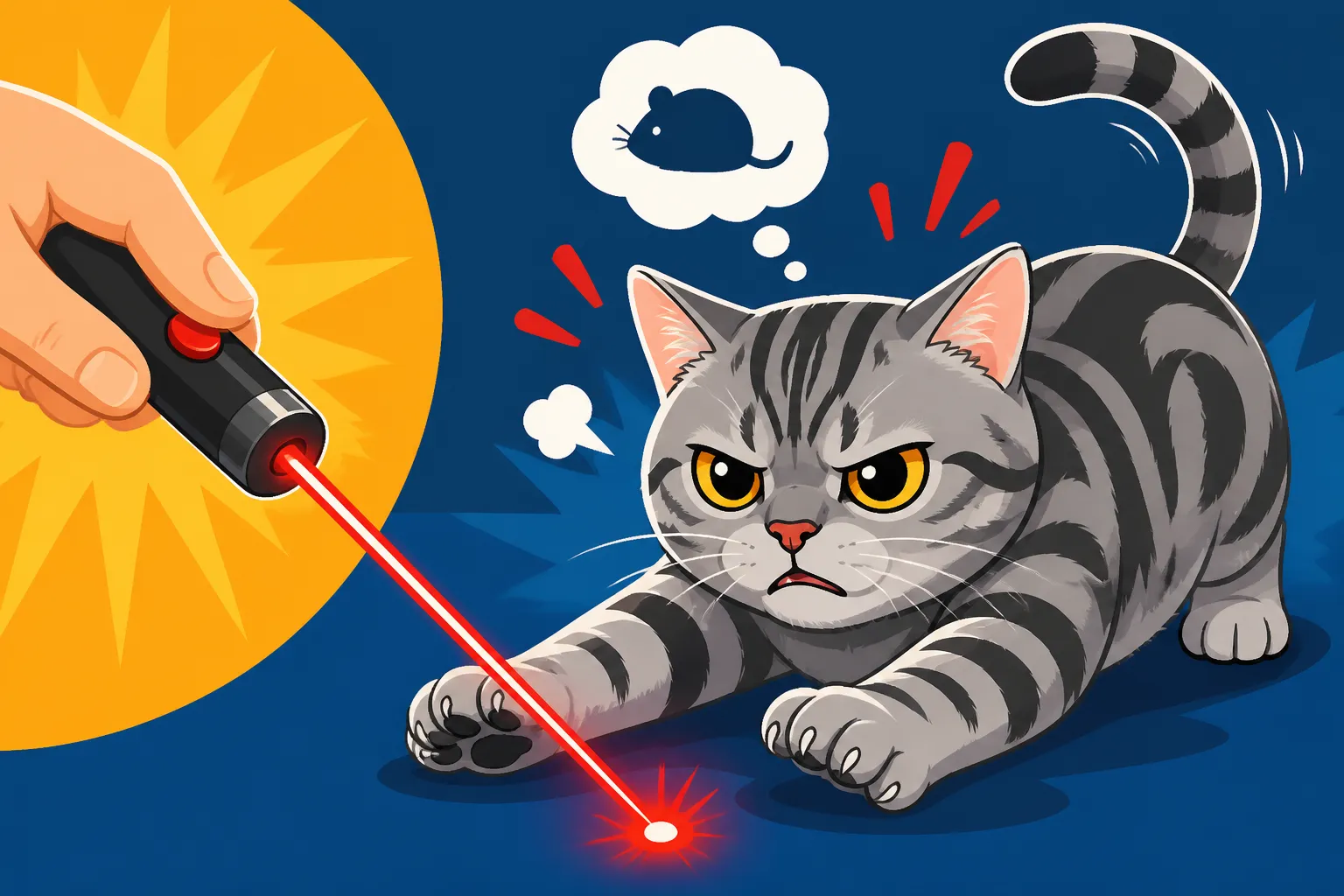
Here's where the frustration sets in. The profound problem with a laser pointer is that it cannot provide the crucial "kill" stage of the predatory sequence. The dot is intangible. No matter how perfectly your American Shorthair pounces, no matter how skilled their "catch," their paws close on thin air. The prey simply vanishes when you turn the device off, leaving them with an immense surge of unreleased hunting energy and a profound sense of incompleteness. They've gone through all the motions, their adrenaline is pumping, their instincts are screaming for that final, satisfying bite, and then… nothing.
Imagine working tirelessly towards a goal, pouring all your energy and focus into it, only for the finish line to disappear the moment you reach it. That's essentially what a laser pointer does to your American Shorthair. This emotional and physiological build-up without release can lead to significant psychological stress for some cats. They might become agitated, compulsively search for the vanished dot, or even redirect their pent-up energy into less desirable behaviors, such as suddenly attacking your ankles, biting at hands, or scratching furniture, because they haven't had the proper outlet for their hunting drive. Many owners grab a laser pointer from a popular online retailer like Amazon, unaware of the potential for this kind of subtle, but real, feline frustration. This isn't to say laser pointers are inherently evil, but understanding their limitations is key to using them responsibly. Why a Laser Frustrates an American Shorthair That Needs the Catch
Alternative Play: Satisfying the American Shorthair's Drive
The good news is that you can absolutely satisfy your American Shorthair's hunting instincts in a way that is both enriching and fulfilling. The key is to provide opportunities for them to complete the entire predatory sequence, including a tangible "kill."
The Power of Interactive Wand Toys
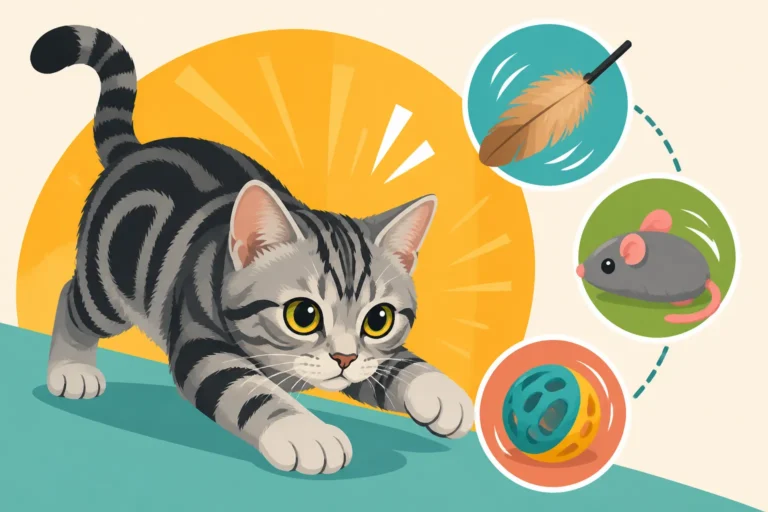
The gold standard for interactive play with an American Shorthair is a good quality wand toy. These toys, often found on sites like Amazon, consist of a stick with a string and an enticing "lure" on the end – think feathers, soft fabric, or even crinkly plastic.
Here’s why they work so well:
- Mimicry: You can make the lure dart, hide, and scurry just like real prey, engaging your cat's stalking and chasing instincts.
- Tangible Catch: Crucially, when your American Shorthair pounces, they catch something real. They can grab it, bunny-kick it, and perform that satisfying "kill bite" on the toy. This provides the physical and psychological release they crave. Why an American Shorthair Needs to Catch the Toy
- Variety: You can get different lures to keep things interesting. One day it might be a feathery bird, the next a scurrying mouse. Which Wand Toy Reads as Prey to an American Shorthair
When playing with a wand toy, always ensure you let your cat "win" and catch the toy multiple times throughout the session. This builds their confidence and provides the necessary completion of the hunt.
Engaging Their Minds with Puzzle Feeders and Foraging
Beyond direct "hunt and kill" toys, you can also engage your American Shorthair's foraging instincts, which are closely related to their hunting behaviors. Puzzle feeders, which require your cat to manipulate them to release treats or portions of their meal, are excellent for this.
Imagine your American Shorthair having to "hunt" for their breakfast by batting around a ball that dispenses kibble, or using their paws to extract treats from a maze-like device. This taps into their problem-solving skills and provides mental stimulation that a simple bowl of food doesn't. Whether a Puzzle Feeder Satisfies an American Shorthair You can even hide small portions of their daily kibble ration around the house, turning mealtime into a scavenger hunt. This isn't about making them work too hard, but about giving their intelligent, historically driven minds something constructive to do.
Structuring Play Sessions for Maximum Satisfaction
To truly satisfy your American Shorthair, aim for a few short, intense play sessions each day rather than one long, drawn-out one. Think of it as mimicking several small hunts throughout the day, just as they would in the wild. How Many Hunts a Day an Indoor American Shorthair Needs
Here’s a good rhythm:
- Build the Excitement: Start with fast, erratic movements, encouraging stalking and chasing.
- Allow for the Catch: Let your cat successfully catch and "kill" the toy multiple times.
- Wind Down: Gradually slow the prey's movement, making it easier to catch, and then let your cat have a final, decisive "kill."
- Transition to Food: Immediately after the last successful catch, offer a small meal or a treat. This helps to complete the entire predatory sequence by adding the "consumption" phase, bringing a sense of closure and satisfaction. How to End a Play Session With an American Shorthair
This mindful approach to play not only prevents the frustration caused by endless, unfulfilled laser chases but also strengthens the bond between you and your American Shorthair. You're speaking their language, honoring their history, and providing genuine enrichment for their powerful, ancient instincts.
Here's a quick comparison of popular play tools and how they measure up against an American Shorthair's natural hunting needs:
| Play Tool | Simulates Hunt Stages | Provides Tangible "Kill" | Risk of Frustration | Primary Benefit |
|---|---|---|---|---|
| Laser Pointer | Orient, Stalk, Chase | No | High | High energy burn |
| Feather Wand Toy | Orient, Stalk, Chase, Pounce, Kill | Yes | Low | Complete hunting cycle, bond |
| Electronic Moving Toy | Orient, Stalk, Chase | Sometimes (if catchable) | Moderate | Independent play |
| Puzzle Feeder | Orient, Stalk, Forage | Yes (food) | Low | Mental stimulation, satiety |
| Plush Toy (thrown) | Chase, Pounce, Kill | Yes | Low | Quick engagement, easy |
By understanding the true nature of their hunting drive and adapting our play methods, we can ensure our American Shorthairs are not just entertained, but truly satisfied, happy, and fulfilled companions.
Disclaimer
This article is for general informational purposes only and does not constitute professional advice. Laws, prices and regulations vary by location and change over time. Consult a qualified professional for guidance on your specific situation.