How Much an American Shorthair Climbs a Cat Tree
One of the most common worries I hear from American Shorthair owners, especially those new to the breed, is whether their sturdy, sensible cat will actually use that fancy, multi-level cat tree they invested in. It’s a valid concern! You want to provide the best for your furry family member, and sometimes it feels like they have their own agenda. But rest assured, the American Shorthair, despite its calm demeanor, has a deep-seated instinct for vertical exploration that makes a good cat tree a truly essential piece of enrichment. This guide will delve into just how much an American Shorthair climbs a cat tree, why they do it, and how to pick the perfect one to satisfy their natural urges.
Understanding the American Shorthair's Natural Inclination for Vertical Space
It's easy to look at a calm, quiet American Shorthair lounging on the sofa and assume they're not much for adventure, but that's far from the truth. These cats carry centuries of working-cat DNA, and that history profoundly shapes their need for vertical territory.
The Ancestral Need to Climb and Observe
Think about the American Shorthair's ancestors – those hardy "ships' cats" and barn cats that journeyed across oceans and protected settlers' stores from rodents. Their survival depended on keen observation, quick reflexes, and the ability to find a vantage point. Being up high wasn't just about fun; it was a strategic advantage. From an elevated perch, they could survey their territory, spot potential prey (or predators!), and feel safe knowing they had a clear view of their surroundings. This deeply ingrained instinct for observation and security from above hasn't vanished just because they now live pampered lives indoors.
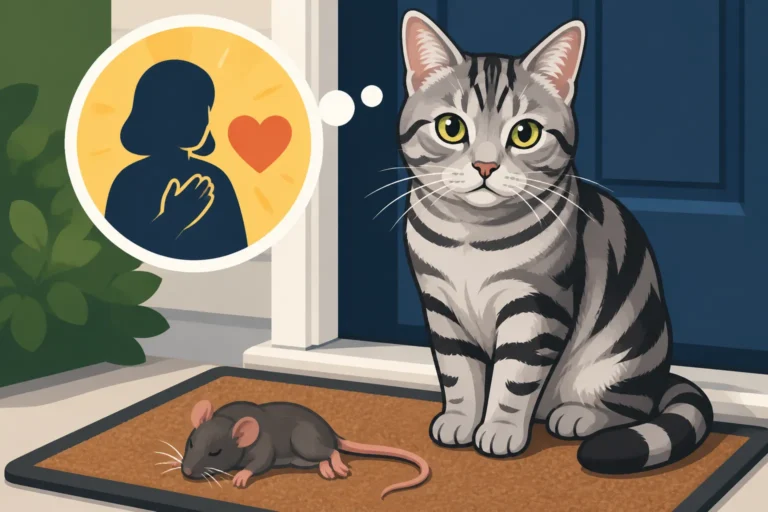
Even if your American Shorthair has never seen a mouse in its life, that primal drive to stalk and pounce remains. The American Shorthair Still Hunts, Whether You Want It To or Not. A cat tree provides a safe, indoor outlet for this behavior. When they climb, they're not just exercising; they're fulfilling an ancient, hardwired purpose. They might be watching you cook dinner, keeping an eye on the birds outside the window, or simply enjoying the feeling of being above the fray. It gives them a sense of control and security in their environment.
Why an American Shorthair Needs Vertical Territory
Beyond the ancestral drive, vertical space is absolutely crucial for an American Shorthair's overall well-being, both mentally and physically. Cats are naturally territorial creatures, and they perceive their territory not just as a flat plane, but as a three-dimensional space. Adding vertical elements, like a robust cat tree, effectively expands their usable territory.
This expansion offers several benefits. For one, it’s a fantastic source of exercise. Climbing, stretching, and jumping engage their strong muscles and joints, helping to maintain their healthy, muscular build. How Much of a Working Cat's Energy the American Shorthair Kept. This is especially important for indoor cats who might otherwise become a little too sedentary. Secondly, vertical spaces provide mental enrichment. It gives them options, places to retreat, and new perspectives on their world. This can be particularly beneficial in multi-cat households or homes with children, offering a safe haven where they can observe without being disturbed. A cat tree offers a quiet escape, a place to decompress, or a lookout point to survey the activity below. It's their personal high-rise apartment in your living room, and it goes a long way in creating a stress-free environment for them.
How American Shorthairs Utilize Cat Trees
So, you've bought a cat tree. Now, how exactly will your American Shorthair put it to good use? It's often more than just a quick climb and a nap.
More Than Just a Scratching Post
While many people think of cat trees primarily as scratching posts, for an American Shorthair, they are so much more. These intelligent and adaptable cats will incorporate a well-chosen cat tree into almost every aspect of their daily routine.
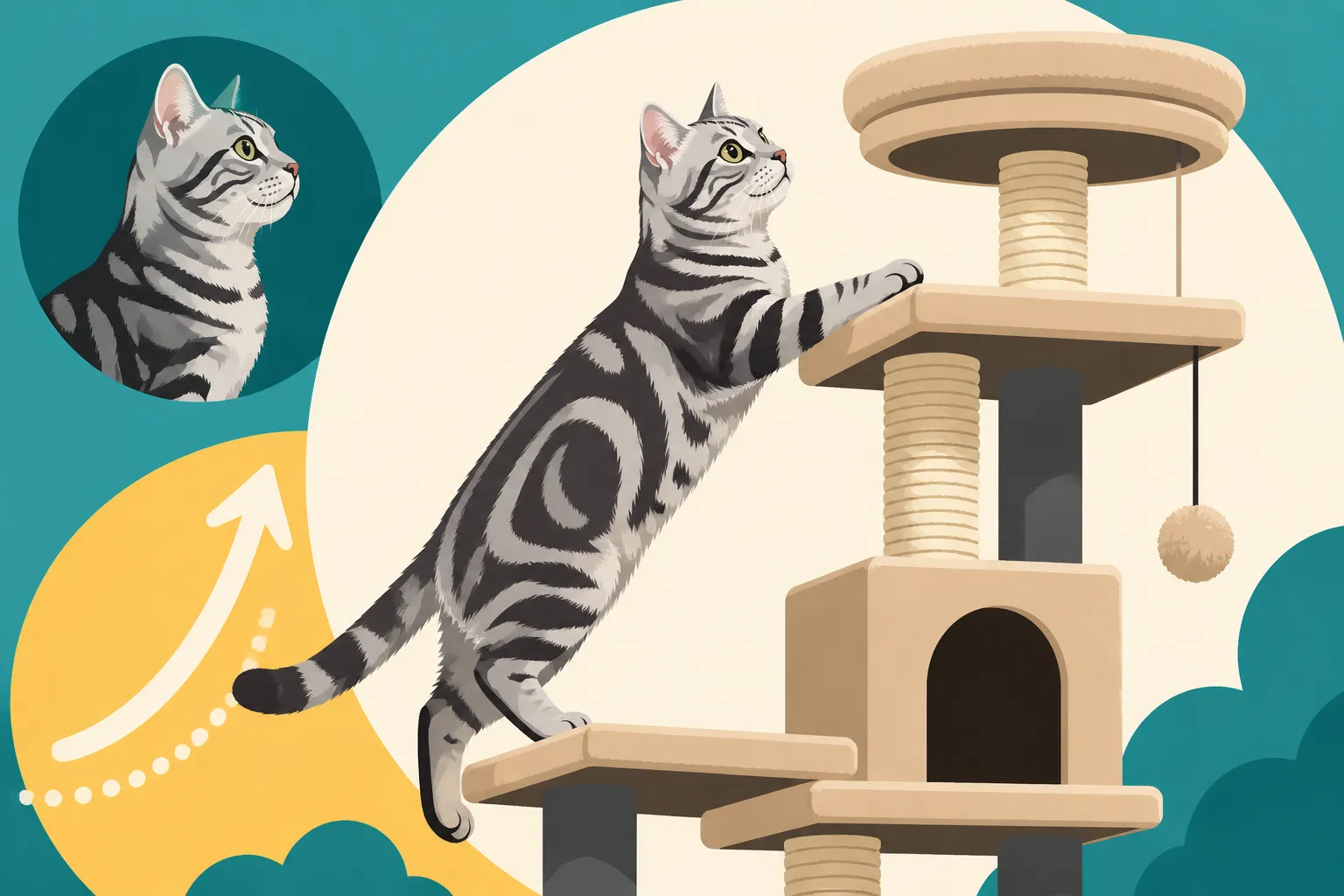
Firstly, yes, they will scratch on it. Their strong claws need regular conditioning, and the sisal rope or carpeted surfaces of a tree provide an excellent, designated outlet for this natural behavior, saving your sofa in the process. Which Post Lets an American Shorthair Condition Its Claws. But beyond that, they’ll climb the various levels, often with surprising agility for such a solidly built cat. They might stalk an imaginary fly up the side, or simply enjoy the feeling of reaching the highest perch. Many American Shorthairs love to nap on elevated platforms or snuggle into a cozy enclosed condo section. These provide warmth, security, and a fantastic view. They'll also use the tree for play, batting at dangling toys, or launching themselves from one level to another. It's a vertical playground, a lookout tower, a cozy bed, and a nail salon all rolled into one. The more versatile the tree, the more your American Shorthair will engage with it.
Factors Influencing Climbing Behavior
Not all American Shorthairs will scale their cat tree with the same enthusiasm, and several factors can influence how much your individual cat uses it.
- Age: Kittens are often fearless explorers, scrambling up and down with boundless energy. As they mature, especially into their senior years, their climbing might become a bit more deliberate or less frequent. An older American Shorthair might still enjoy a low-level perch but might find the highest climbs more challenging, especially if they have underlying joint stiffness. When a Stiff American Shorthair Needs Joint Support.
- Personality: While American Shorthairs are generally known for their adaptable and easygoing nature, individual personalities still shine through. Some are naturally more adventurous and will take to climbing like a pro, while others might be a bit more reserved, preferring a lower perch to the very top.
- Other Pets: In multi-cat households, a cat tree can become a crucial tool for establishing social hierarchy and providing individual space. A cat seeking refuge from a boisterous dog or a more dominant feline housemate will often utilize the higher perches for safety and peace.
- Tree Design and Stability: This is a huge one. An American Shorthair is a medium to large, muscular cat. They need a tree that feels utterly solid and secure under their paws. If a tree wobbles even slightly, especially when they jump on it, they’re likely to avoid it. They're sensible cats, and they won't risk an unstable ascent. When looking at options, checking customer reviews on sites like Amazon for comments on stability and durability is a smart move. A flimsy tree, no matter how appealing it looks, won't cut it for this breed.
Choosing the Right Cat Tree for Your American Shorthair
Selecting the perfect cat tree isn't just about aesthetics; it's about functionality, safety, and meeting your American Shorthair's specific needs.
Size, Stability, and Materials Matter
For a breed as substantial and strong as the American Shorthair, size and stability are non-negotiable. You can't just pick up any flimsy-looking tower and expect them to embrace it.
First, size. These aren't dainty cats. An adult male American Shorthair can easily weigh between 11-15 pounds, and females often range from 8-12 pounds, all packed into a dense, muscular frame. What an American Shorthair Weighs. This means they need ample space on platforms and in condos. Look for trees with large, wide perches where they can comfortably stretch out and sleep without feeling like they're about to fall off. The posts themselves should be thick and strong, not thin tubes.
Second, and perhaps most importantly, stability. A wobbly cat tree is not only a wasted investment but also a potential hazard. American Shorthairs need a heavy, wide base that prevents tipping, even when they launch themselves onto the highest level. If the base isn't solid, or the construction feels cheap, your cat will instinctively avoid it. Consider models that have multiple support posts or even wall anchors for extra security. When browsing options on Amazon, pay close attention to the product dimensions and user reviews regarding stability.
Finally, materials. Sisal rope is ideal for scratching posts as it's durable and satisfying for cats. Plush carpeted surfaces are great for lounging, but make sure the carpet isn't too soft or prone to shedding. Durable, non-toxic materials are key. Avoid anything that looks like it will unravel or fall apart after a few enthusiastic climbs.
Here's a quick comparison of cat tree features:
| Feature | Benefit for American Shorthair | What to Look For |
|---|---|---|
| Heavy, Wide Base | Prevents tipping during jumps and vigorous play; ensures safety. | Solid wood or thick particle board; large footprint. |
| Thick Posts | Provides stable climbing surface and durability. | Posts 4+ inches in diameter. |
| Large Platforms | Allows comfortable lounging and sleeping for a medium-large cat. | Perches at least 15×15 inches. |
| Sisal Scratching | Satisfies natural scratching instinct, preserves furniture. | Abundant sisal rope coverage on posts. |
| Enclosed Condos | Offers secure, private retreat for naps or hiding. | Roomy interiors, multiple entry/exit points if possible. |
| Window Access | Satisfies observation instinct, especially for indoor cats. | Placement near a window, or features a window-facing perch. |
Features That Encourage Climbing and Use
Once you have the basics of size and stability down, look for features that will specifically appeal to your American Shorthair's instincts and personality.
- Multi-level Design: Don't just get a single post. A true cat tree should have multiple platforms and varying heights. This provides different vantage points and encourages more climbing activity. The more "rooms" and "levels" they have to explore, the more engaging it becomes.
- Perches and Beds: Look for comfortable perches, ideally with soft, washable cushions or plush fabric. An American Shorthair loves a good nap, and a cozy, elevated bed offers a secure place to doze while still being aware of their surroundings. Enclosed cubbies or "cat condos" are also very popular, providing a sense of security and a dark, quiet retreat.
- Interactive Elements: Many cat trees come with dangling toys, ropes, or balls on elastic cords. These are fantastic for engaging their predatory instincts and encouraging play. Just make sure they're securely attached and durable enough to withstand an American Shorthair's enthusiastic pounce! You can also hang your own favorite toys from the tree to increase its appeal.
- Placement Near a Window: This might not be a feature of the tree itself, but it's a critical consideration for placement. American Shorthairs, with their keen observational skills, absolutely love watching the world go by. Placing their cat tree near a window allows them to track birds, squirrels, or even just passersby, providing endless entertainment and mental stimulation. Many excellent cat trees available on Amazon are designed with window-facing perches in mind.
Encouraging Your American Shorthair to Climb and Explore
You've got the perfect cat tree. Now, how do you convince your sometimes-stubborn American Shorthair that it's the best thing since sliced salmon? It often takes a little encouragement and positive reinforcement.
Strategic Placement and Scent Attraction
Where you put the cat tree is almost as important as the tree itself. Think like a cat!
- Visibility is Key: Place the tree in a central area of your home, or at least in a room where you spend a lot of time. Your American Shorthair wants to be part of the action, even if it's from a distance. If it's tucked away in a spare room, it's less likely to be used.
- Window Views: As mentioned, a window is gold for a cat. Positioning the tree so your cat can look out a window will dramatically increase its appeal. This taps into their natural curiosity and provides "cat television."
- Escape Route: If you have other pets or young children, consider placing the tree in an area that also offers a clear "escape route" or a sense of privacy from above. This reinforces its role as a safe haven.
- Scent Power: Cats are highly scent-driven. Rub some of your American Shorthair's favorite blanket or toy on the tree to transfer their scent and make it feel more familiar and comforting. Catnip is also your secret weapon! Sprinkle a little on the platforms or rub it into the scratching posts to attract their attention. You can find a good variety of catnip sprays and toys on Amazon to help with this.
Interactive Play and Positive Reinforcement
Once the tree is in place, it's time to make it fun and rewarding.
- Lead the Way with Toys: Use a wand toy, a feather teaser, or even a laser pointer (with caution to always end on a tangible catch!) to guide your American Shorthair up the levels of the tree. Let them "hunt" the toy up each platform, encouraging them to climb and explore. Why an American Shorthair Needs to Catch the Toy. These types of interactive toys are abundant and easily found on Amazon. Make sure they actually get to "catch" the toy at the end of the session, either by letting them grab the wand toy or by rewarding a laser chase with a physical treat.
- Treats and Praise: When your American Shorthair investigates, climbs, or even just sits on a platform, offer gentle praise and a small, high-value treat. This positive reinforcement creates a strong association between the cat tree and good things. They’ll quickly learn that using the tree is a rewarding experience.
- Consistency: Don't get discouraged if they don't immediately take to it. Cats are creatures of habit. Keep the catnip fresh, offer treats, and engage in play sessions near or on the tree regularly. Over time, your American Shorthair will likely integrate it fully into their daily routine. Remember, these are intelligent, independent cats. They'll use it when they're ready, but a little nudge in the right direction doesn't hurt! How Many Hunts a Day an Indoor American Shorthair Needs.
Ultimately, an American Shorthair will climb a cat tree as much as it allows them to fulfill their natural instincts for observation, play, exercise, and security. By choosing a stable, appropriately sized tree with engaging features and encouraging its use through strategic placement and positive reinforcement, you'll find your sensible American Shorthair spending plenty of time enjoying its elevated domain.
Disclaimer
This article is for general informational purposes only and does not constitute professional advice. Laws, prices and regulations vary by location and change over time. Consult a qualified professional for guidance on your specific situation.