What Yearly Heart Screening Costs an American Shorthair Breeder
One of the biggest anxieties for American Shorthair breeders, despite the breed's generally robust health, is the potential for inherited conditions that can silently impact their cats and future lines. Specifically, managing the risk of Hypertrophic Cardiomyopathy (HCM) requires diligent, proactive measures. This guide aims to thoroughly break down the financial commitment involved in yearly heart screening for American Shorthair breeders, helping you understand what to expect when investing in the health of your breeding program.
Understanding the "Why" Behind Yearly Heart Screening for American Shorthair Breeders
It’s easy to assume that because American Shorthairs are known for their sturdy, landrace origins and fantastic longevity, you might dodge many of the health issues seen in more "designer" breeds. And while that's true for many conditions, HCM remains a significant concern. This isn't just about adhering to breed club guidelines; it's about ethical breeding and ensuring the continued health and reputation of these wonderful cats.
The Importance of Screening for HCM in American Shorthairs
Hypertrophic Cardiomyopathy (HCM) is a heartbreaking disease where the walls of the heart's main pumping chamber thicken, reducing its efficiency and leading to eventual heart failure. What makes it particularly insidious for breeders is that it can progress silently for years, with no outward symptoms until the disease is quite advanced. Imagine a seemingly healthy cat, a beloved member of your breeding program, suddenly showing signs of distress. It's devastating for the cat, for you, and for any potential kittens that might inherit the predisposition. While The American Shorthair Is the Control Group of Cat Breeding in many aspects of health, HCM is that one inherited curveball.
The American Shorthair, despite its broad genetic base, is not entirely immune. Responsible breeders understand that even in a breed known for its health, a single inherited disease like HCM can have a profound impact if not actively managed. This commitment to screening is a core part of their ethical obligation, helping to ensure that kittens they place in homes are as healthy as possible. It’s about being proactive rather than reactive, preventing suffering before it even begins. This rigorous approach is exactly What an American Shorthair With No Designer Defect Gets Instead – proactive, preventative care.
How Yearly Scans Protect Future Litters and the Breed Standard
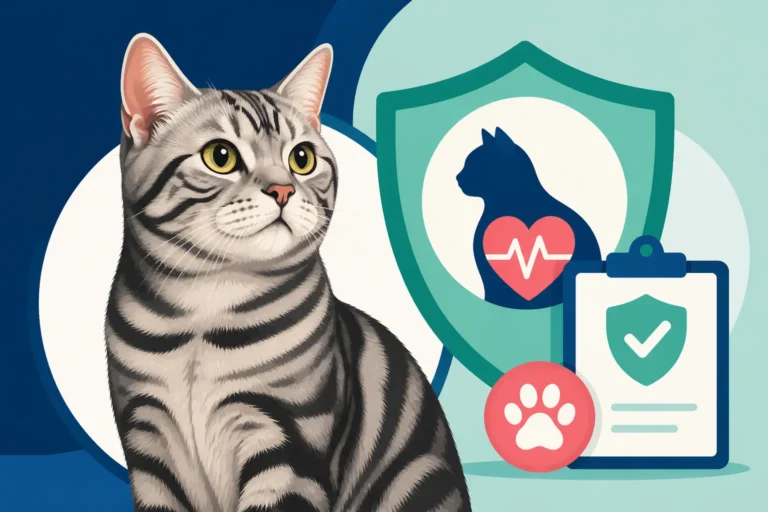
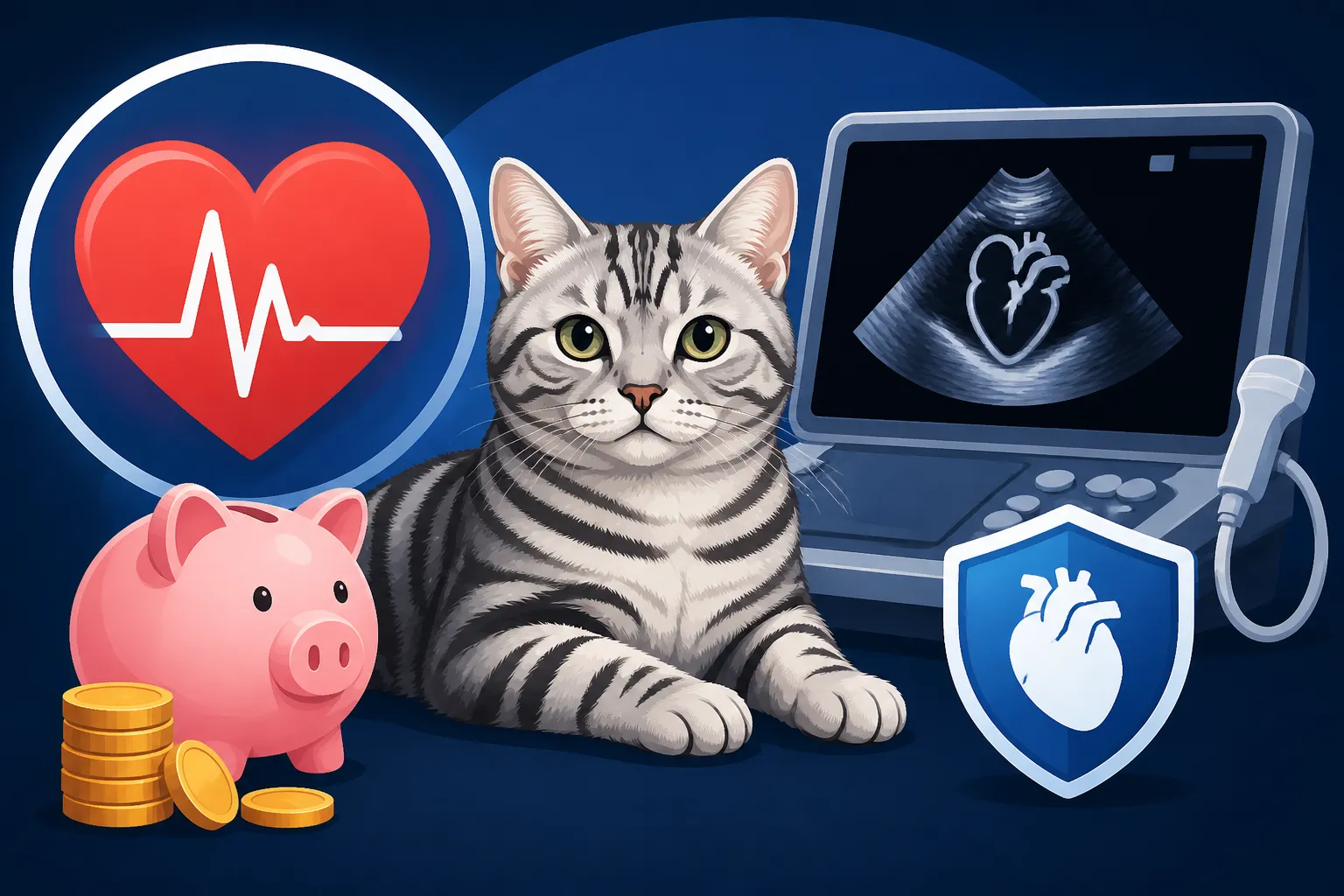
Yearly heart screenings, specifically echocardiograms, are the gold standard for detecting HCM in breeding cats. Unlike a genetic test, which may only identify a single known mutation (and not all breeds or all HCM cases have an identified genetic marker), an echocardiogram provides a real-time visual assessment of the heart's structure and function. This means it can detect the physical changes of HCM, regardless of the underlying genetic cause. Why a Gene Test Cannot Clear an American Shorthair's Heart is a critical piece of information for breeders.
By performing these scans annually, breeders can identify cats that are developing HCM before they are bred, or if they have already produced a litter, remove them from the breeding program immediately. This action prevents the transmission of the disease to future generations. Maintaining healthy lines is paramount, not just for the individual cat, but for the entire breed. It's part of What an American Shorthair Breeder Should Have Screened beyond basic vet checks. A reputation for healthy, well-socialized kittens is built on this kind of dedicated health management.
Deconstructing the Costs of a Feline Echocardiogram
So, you're ready to make that important investment in your American Shorthair's health. What exactly are you paying for when you schedule a yearly heart screening? It's more than just a quick glance; it's a specialized diagnostic procedure that requires specific expertise and equipment.
The Basic Vet Consult and Cardiac Exam
Before your American Shorthair even sees a specialist, they'll often need a preliminary visit with your regular veterinarian. This initial consult serves a few purposes. Your vet will conduct a general physical examination, listen to your cat's heart and lungs, and check their overall health. They might note any murmurs, arrhythmias, or other signs that warrant further investigation. While a murmur doesn't automatically mean HCM, it certainly indicates a need for deeper scrutiny. This initial check-up ensures your cat is healthy enough for the more specialized procedure and helps your vet prepare a referral to a board-certified cardiologist.
The cost for this initial visit will typically include the consultation fee, any basic vitals taken, and the physical examination. It’s an important first step, establishing a baseline and ensuring your cat is ready for the next stage of screening. Don't skip this, even if your cat seems perfectly fine. Remember, HCM is often a silent killer.
The Specialist Referral and Echocardiogram Procedure
This is where the bulk of the heart screening cost comes in. An echocardiogram is essentially an ultrasound of the heart. To get accurate, diagnostic-quality images, your American Shorthair will need to visit a board-certified veterinary cardiologist. These specialists have advanced training and equipment dedicated solely to animal heart health.
During the procedure, your cat will be gently restrained, usually without full sedation unless they are particularly anxious or fractious. The cardiologist or a trained technician will shave small patches of fur on their chest to ensure good contact with the ultrasound probe. They will then carefully guide the probe, taking numerous measurements and images of the heart's chambers, valves, and muscle walls. This is how they can visually assess for any thickening, abnormal blood flow, or other indicators of HCM. The entire process can take anywhere from 30 minutes to an hour, depending on the cat's cooperation and the complexity of the heart's structures. Why an American Shorthair Still Needs a Yearly Heart Scan highlights the importance of this detailed visual assessment.
Interpreting Results and Follow-Up
Once the images and measurements are taken, the cardiologist will meticulously review them. This isn't an instant process; it requires careful analysis and comparison to breed-specific norms. They will then generate a detailed report, often called a "health certificate" or "clearance form," which documents their findings. This report is critical for breeders, as it provides official documentation of your cat's cardiac health status. What an American Shorthair Breeder's Echo Paperwork Should Say should be specific and include the cardiologist's signature and registration details.
The cost of this interpretation and report is usually bundled into the overall echocardiogram fee. If the cardiologist identifies any abnormalities, they will discuss these findings with you, explain the implications, and recommend any necessary follow-up steps, which could range from further diagnostic tests to medication or removal from the breeding program. This thorough communication and documentation are essential components of the screening process.
Factors Influencing the Final Bill and How to Manage Them
It's natural to wonder why prices can fluctuate so much for what seems like the same procedure. Several variables play a significant role in determining the ultimate cost of yearly heart screening for your American Shorthair. Understanding these can help you better budget and plan.
Geographic Location and Clinic Type
Just like human healthcare, veterinary costs can vary significantly depending on where you live. Clinics in major metropolitan areas, where overheads like rent and staff salaries are higher, typically charge more than those in rural or smaller suburban communities. It's often worth calling around to several clinics within a reasonable driving distance to compare quotes.
Furthermore, the type of clinic makes a difference. A general veterinary practice that offers basic cardiology services might be less expensive than a specialized veterinary cardiology center or a university teaching hospital. While a specialist center offers unparalleled expertise and state-of-the-art equipment, a general practice with a vet who has a special interest in cardiology might provide a more budget-friendly option, though it's crucial to ensure they are highly experienced in performing and interpreting feline echocardiograms for breeding clearances.
Ancillary Services and Potential Complications
While a straightforward echocardiogram might not require sedation, some cats simply won't tolerate the procedure while awake. If sedation is necessary, that will add to the overall cost. This might include pre-sedation bloodwork to ensure your cat is a good candidate, the sedative itself, and monitoring during recovery. These are not always optional; sometimes, for the cat's safety and the quality of the results, sedation is the best course.
Additionally, if the cardiologist discovers something unexpected or particularly complex during the scan, they might recommend additional diagnostics right then and there. This could include further specialized blood tests, blood pressure measurements, or even an ECG (electrocardiogram) to assess electrical activity of the heart. While these are often unforeseen, they are necessary for a complete diagnosis and will increase the total bill. This is part of the cost of being thorough, and while it adds to the immediate expense, it can save significant heartache and larger bills down the line.
Strategies for Breeders to Mitigate Costs
It's absolutely understandable that breeders want to manage these essential costs effectively. One common strategy is to inquire about breeder discounts. Some veterinary practices, especially those familiar with breeding communities, offer reduced rates for multiple cats from the same cattery being screened at the same appointment. Don't be shy about asking!
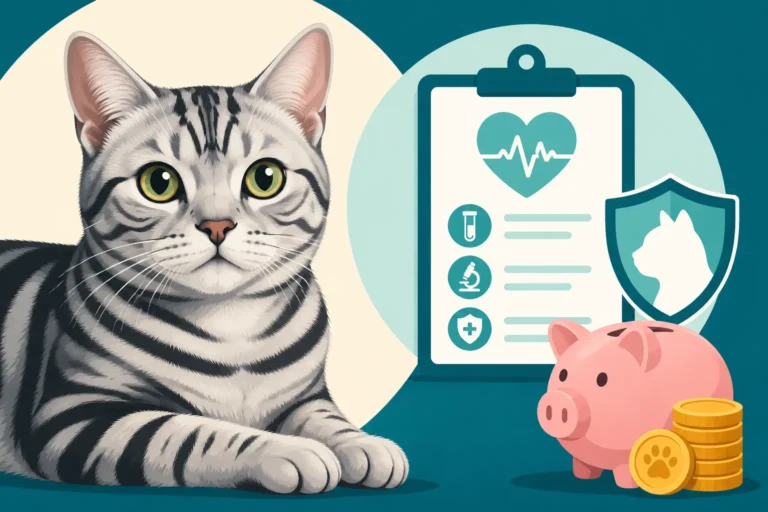
Another option is pet insurance. While many breeders consider pet insurance for their kittens once they go to new homes, policies exist for breeding animals too. Companies like Healthy Paws, for instance, offer various plans that might cover diagnostic procedures like echocardiograms, especially if they are deemed medically necessary (e.g., following a detected heart murmur). It’s worth checking policy details to see what is covered, as preventative screenings often have different coverage levels than treatment for an illness. Whether Insurance Pays for an American Shorthair's Echo is a question many breeders ask, and the answer largely depends on the specific policy.
Here's a quick look at how various factors might influence your echocardiogram cost:
| Factor | Cost Impact | Notes |
|---|---|---|
| Location | High | Urban areas generally cost more than rural. |
| Clinic Type | Medium | Specialist cardiac centers are pricier than general practices. |
| Sedation Needed? | Medium | Adds cost for drugs, monitoring, and pre-anesthetic bloodwork. |
| Additional Tests | Variable | If abnormalities are found, further diagnostics increase the bill. |
| Breeder Discounts | Lowers | Ask about multi-cat discounts or breeder loyalty programs. |
| Pet Insurance | Lowers | Coverage varies; check policy for diagnostic/preventative screening. |
Remember, while seeking out the best value, never compromise on the quality of the specialist performing the scan. The accuracy of the diagnosis is paramount. This can sometimes be What a Cardiologist Charges to Scan an American Shorthair.
The Long-Term Investment and Broader Financial Implications
Thinking about yearly heart screening purely in terms of a single bill misses the bigger picture. This is a foundational investment in your breeding program, with ramifications that extend far beyond the immediate expense. It affects your reputation, the health of your future kittens, and the long-term viability of the American Shorthair breed itself.
The Value of a Clear Bill of Health
When you consistently screen your breeding cats for HCM and can provide documented proof of their clear hearts, you are adding immense value to your kittens. Potential buyers are increasingly health-conscious, and a breeder who goes the extra mile with specialized screenings instills confidence and trust. It signals that you are a responsible, ethical breeder who prioritizes health over profit. This transparency helps you attract serious buyers who are willing to pay for a well-bred, healthy kitten.
This rigorous health testing becomes a powerful selling point. When you hand over that kitten, along with its registration papers, vaccine records, and a certificate showing its parents' clear heart scans, you're offering peace of mind. This not only makes your kittens more desirable but also justifies the higher purchase price typically associated with responsibly bred pedigreed cats. It's a key part of What an American Shorthair Pedigree Predicts About Health.
Ethical Considerations and the Cost of NOT Screening
While the direct cost of screening might seem significant, consider the hidden costs of not screening. If an affected cat is unknowingly bred, it can pass the HCM gene to its offspring. This can lead to heartbreaking situations for the new kitten owners, who might face huge veterinary bills for treating a cat with advanced heart disease, or worse, the sudden loss of their beloved pet. The emotional toll on everyone involved is immeasurable. How Many Months Follow an American Shorthair's HCM Diagnosis can be devastatingly short once symptoms appear.
Beyond individual suffering, an undisclosed or unmanaged health issue like HCM can severely damage a breeder's reputation and, by extension, the reputation of the entire American Shorthair breed. Negative experiences spread quickly, and restoring trust is a long, arduous process. The cost of dealing with sick kittens, disgruntled buyers, and a tarnished reputation can far outweigh the upfront expense of consistent screening. It is a fundamental ethical responsibility to ensure the health of your lines.
Planning for Ongoing Costs
Yearly heart screening is not a one-time expense; it's an annual commitment for your breeding cats. This needs to be a regular line item in your breeding program budget. Many breeders will factor these costs into the price of their kittens, ensuring that the investment in health is sustainable. It's a cycle of care that ensures the health of future generations.
Furthermore, remember that health care needs evolve. As your breeding cats age, even if they've consistently screened clear for HCM, other age-related conditions might arise. While HCM screenings are typically part of a specific annual health check, general wellness visits and potential issues like dental care or arthritis (especially in a sturdy breed like the American Shorthair) will also need to be budgeted for. Subscription services for food and supplies can help with routine costs, but thinking ahead for vet costs requires a dedicated fund or a comprehensive insurance plan. The entire lifespan of a cat can be quite long, and Caring for an American Shorthair Past Twelve requires thoughtful financial planning.
The commitment to yearly heart screening is a testament to a breeder's dedication. It's an investment in the individual cat's well-being, the strength of your breeding program, and the future health of the American Shorthair breed.
Disclaimer
This article is for general informational purposes only and does not constitute professional advice. Laws, prices and regulations vary by location and change over time. Consult a qualified professional for guidance on your specific situation.