What a Cardiologist Charges to Scan an American Shorthair
The moment your beloved American Shorthair's vet suggests a specialist cardiac scan, a wave of concern often washes over you. Beyond the worry for your feline friend's health, there's the inevitable question of cost, which can feel like a daunting, opaque figure. This guide aims to pull back the curtain on what a board-certified veterinary cardiologist charges for an echocardiogram for your American Shorthair, helping you understand the factors involved and how to navigate this important healthcare decision.
Why a Heart Scan is Crucial for Your American Shorthair
It's easy to assume our sturdy American Shorthairs, with their reputation for robust health and easygoing natures, are immune to serious health issues. While they are indeed a wonderfully healthy breed, no cat is entirely without risk. A heart scan, specifically an echocardiogram, is a non-invasive way to get a detailed look at the internal structure and function of your cat's heart, which is vital for early detection and management of potential issues.
The Hidden Risks: Understanding HCM in American Shorthairs
Despite their generally good health, American Shorthairs are not completely immune to certain genetic predispositions, and one of the most significant concerns for heart health in cats is Hypertrophic Cardiomyopathy (HCM). This condition causes the muscular walls of the heart to thicken, particularly the left ventricle, making it harder for the heart to pump blood effectively. What makes HCM so insidious is that it often presents without any outward symptoms until it's quite advanced, which is why proactive screening can be so important. It's a silent threat, and an American Shorthair, even one that appears perfectly healthy, could be carrying this condition. For a deeper dive into this, you might find our article on HCM Is the One Inherited Disease the American Shorthair Kept insightful.
When Your Vet Recommends a Specialist Echo
Your regular veterinarian might first detect a heart murmur during a routine check-up, or they might notice subtle changes in your American Shorthair's breathing or activity levels. While a murmur doesn't automatically mean heart disease, it's often the first indicator that warrants further investigation. At this point, your vet will likely recommend a referral to a veterinary cardiologist. This specialist has advanced training and equipment to perform a comprehensive echocardiogram, which is essentially an ultrasound of the heart. They can then accurately diagnose the presence and severity of any cardiac conditions, providing a much clearer picture than a general practitioner might be able to achieve with basic tools. This referral is a crucial step in ensuring your American Shorthair gets the best possible diagnostic care.
Deconstructing the Cost of a Cardiology Scan
When you're faced with a referral for a specialist procedure like a cardiology scan, the cost can feel like a black box. However, understanding the various components that contribute to the overall fee can help demystify the process and prepare you for the financial commitment. It’s not just one lump sum; it’s a reflection of specialized expertise, sophisticated equipment, and the time involved.
Geographic Location and Clinic Type
Just like human healthcare, the cost of veterinary specialist services can vary significantly based on where you live. Major metropolitan areas, for example, often have higher overheads for clinics and a higher cost of living for staff, which translates into higher prices for services. A cardiology clinic in, say, New York City or Los Angeles is likely to charge more than one in a smaller, rural town. Furthermore, the type of facility matters. A large, multi-specialty veterinary hospital with 24/7 emergency care and a dedicated cardiology department often has different pricing structures than a smaller, independent specialist practice. These larger facilities may have a broader range of diagnostic tools on-site and more extensive support staff, which factors into their overall costs.
The Expertise of a Board-Certified Cardiologist
The primary reason for the higher cost of a specialist scan is the unparalleled expertise of the person performing and interpreting it: a board-certified veterinary cardiologist. These veterinarians undergo extensive additional training after vet school, completing an internship and a multi-year residency program focused solely on animal heart health. They pass rigorous board examinations to achieve their specialist certification, which signifies a profound depth of knowledge and skill in diagnosing and treating complex cardiac conditions. You’re not just paying for an ultrasound machine; you’re paying for years of advanced education, specialized experience, and the precise diagnostic capabilities that only such a specialist can provide. This level of expertise ensures the most accurate diagnosis for your American Shorthair.
What the Scan Itself Involves
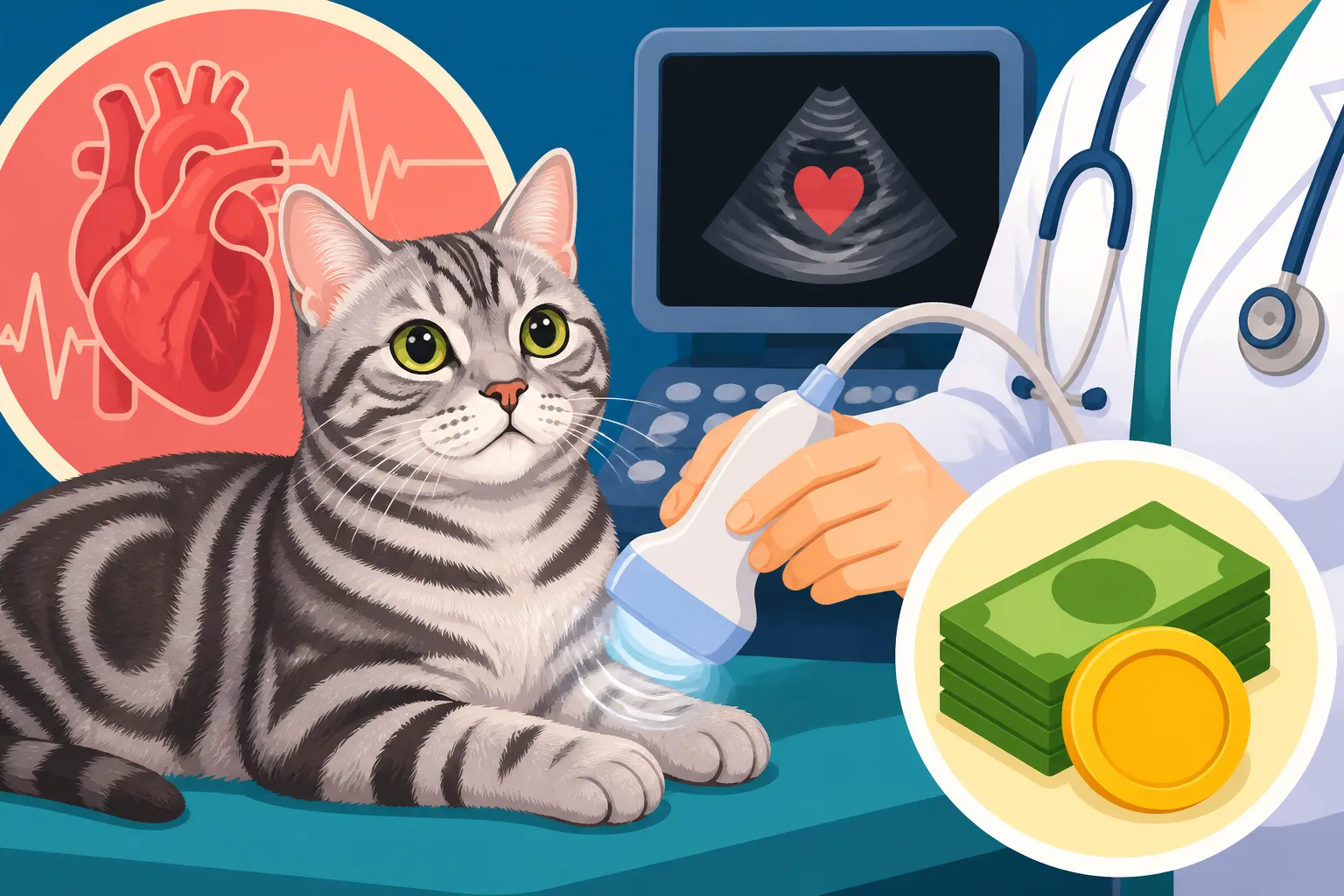
The echocardiogram itself is a detailed, non-invasive procedure that typically takes anywhere from 30 to 60 minutes, sometimes longer if the cat is uncooperative or the case is particularly complex. During the scan, your American Shorthair will lie comfortably (often on their side) on a cushioned table, with a small patch of fur shaved on their chest to allow for better contact with the ultrasound probe. The cardiologist systematically images different chambers of the heart, measuring wall thickness, chamber size, blood flow velocity, and assessing valve function. They look for subtle abnormalities that could indicate conditions like HCM, valve disease, or congenital defects. The equipment used is highly sophisticated and expensive, requiring regular calibration and maintenance. This advanced technology, combined with the cardiologist's interpretive skills to assess the minute details of your cat's cardiac anatomy and physiology, contributes significantly to the overall fee. After the scan, the cardiologist will then thoroughly analyze the images and measurements, compile a detailed report, and discuss their findings and recommendations with you. This comprehensive process ensures that you receive a clear understanding of your American Shorthair’s heart health.
Beyond the Scan: Additional Associated Costs
While the echocardiogram itself is the main event, it's important to remember that it's rarely a standalone expense. There are often other related costs that contribute to the overall financial picture of a cardiac work-up for your American Shorthair. Thinking about these additional components upfront can help you budget more effectively and avoid surprises.
Initial Consultations and Referrals
Before the actual echocardiogram, there will almost certainly be an initial consultation with the veterinary cardiologist. This appointment is crucial for the specialist to review your American Shorthair's medical history, any previous diagnostics performed by your regular vet, and to perform their own physical examination. They will listen carefully to your cat's heart, assess their overall condition, and discuss your concerns and any symptoms you may have observed. This consultation allows the cardiologist to determine if an echocardiogram is indeed the most appropriate next step and to explain the procedure and its implications. This initial visit is a separate charge from the scan itself, as it involves the cardiologist's time and expertise in assessing your cat and formulating a diagnostic plan.
Sedation and Monitoring During the Procedure
Most American Shorthairs are generally calm and cooperative, but undergoing a potentially lengthy and unfamiliar procedure like an echocardiogram can be stressful for any cat. To ensure the best quality images and to minimize stress for your feline friend, mild sedation is often recommended or even required. This is particularly true if your cat is anxious or prone to movement, as even small shifts can blur the ultrasound images, necessitating repeat attempts. If sedation is administered, there will be additional costs for the sedative medications themselves, as well as for the veterinary technician's time to administer and monitor your cat throughout the procedure. This monitoring includes checking heart rate, respiration, and oxygen levels to ensure your American Shorthair remains safe and comfortable. While not always necessary, it's a common and beneficial component of a specialist cardiac scan.
Follow-Up Visits and Long-Term Management
A heart scan isn't usually a one-and-done event, especially if a condition like HCM is diagnosed. Depending on the findings, your American Shorthair will likely require follow-up visits with the cardiologist to monitor the progression of the disease and adjust any prescribed medications. These follow-up echoes might be recommended every six months to a year, or more frequently if the condition is severe or unstable. Each follow-up visit will incur its own consultation and scan fees, though sometimes at a slightly reduced rate compared to the initial comprehensive diagnostic scan. If medication is prescribed to manage a heart condition, you’ll also need to factor in the ongoing cost of those drugs, which can be a significant long-term expense. Understanding the need for this ongoing care, as outlined in guides like How a Vet Manages an American Shorthair With HCM, is vital for effective management.
Navigating Financial Considerations and Support
The financial aspect of specialized veterinary care can be overwhelming, but there are several avenues to explore to help manage the costs associated with your American Shorthair's cardiology scan and potential long-term care. Being proactive and informed can make a big difference.
The Role of Pet Insurance in Covering Costs
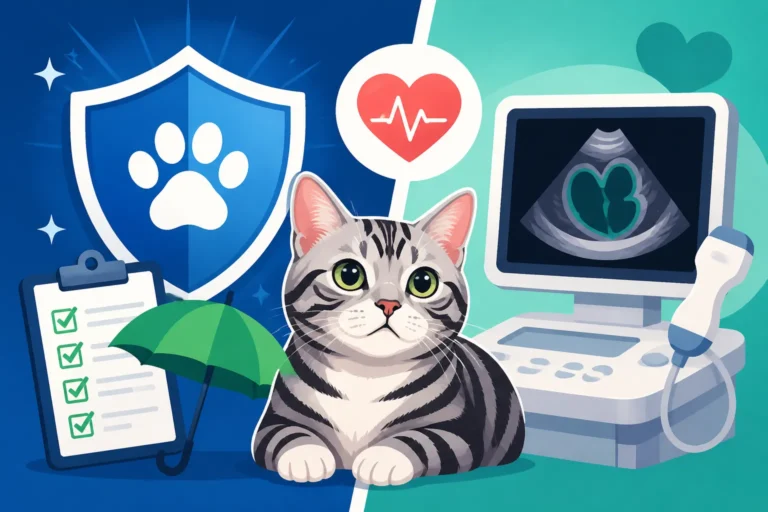
Pet insurance has become an invaluable tool for many pet owners, helping to cushion the blow of unexpected veterinary expenses. Policies vary widely, but many comprehensive plans will cover a significant portion of diagnostic tests, specialist consultations, and treatments for illnesses like heart disease, especially if the condition isn't pre-existing. Before the scan, it's always wise to contact your pet insurance provider to understand your specific coverage, deductible, and reimbursement rates for specialist visits and echocardiograms. Many American Shorthair owners find peace of mind with pet insurance providers like Healthy Paws, who can help mitigate the financial impact of such crucial procedures. It's worth investigating if your existing policy covers a cardiac echo, or if enrolling in a policy now could help with future care. Our article Whether Insurance Pays for an American Shorthair's Echo can provide more context here.
Payment Plans and Financial Aid Options
If you don't have pet insurance or if the costs are still a challenge, don't despair. Many veterinary specialist clinics understand the financial burden of advanced care and offer various payment options. Some clinics provide in-house payment plans, allowing you to pay the total cost over several months. There are also third-party medical credit cards specifically designed for veterinary expenses, which can offer deferred interest periods. Additionally, several non-profit organizations and foundations exist that provide financial assistance for pet owners facing significant veterinary bills, especially for life-saving treatments. It's always worth discussing your financial concerns openly with the clinic staff; they can often guide you toward available resources or help you set up a manageable payment schedule.
Comparing Costs: What to Ask Your Vet
When your primary vet recommends a cardiology referral, don't hesitate to ask for an estimate of the costs involved. While they may not have exact figures for the specialist, they can often provide a ballpark range or give you the names of a few different cardiology practices in the area. When you contact the specialist clinic, be direct. Ask for a detailed estimate that breaks down the cost of the initial consultation, the echocardiogram itself, any potential sedation, and follow-up recommendations. Here's a table of questions to consider asking:
| Aspect of Cost | Key Questions to Ask |
|---|---|
| Initial Visit | What is the cost of the initial cardiology consultation? |
| Echocardiogram | What is the estimated cost of the comprehensive echocardiogram? Does this include interpretation? |
| Sedation | Is sedation typically needed, and what is its additional cost? Does this include monitoring? |
| Diagnostics | Are there any other required diagnostic tests (e.g., blood work, X-rays) and their costs? |
| Report | Does the price include a written report for my primary vet? |
| Follow-Up | What is the estimated cost for a follow-up re-check or repeat scan? |
| Payment Options | Do you offer payment plans or work with third-party financing? |
| Insurance | What information will I need to submit to my pet insurance for reimbursement? |
Gathering estimates from a couple of different clinics, if available in your area, can help you compare and make an informed decision without compromising on the quality of care for your American Shorthair.
Preparing Your American Shorthair for a Stress-Free Scan
Getting your American Shorthair ready for a trip to a specialist, especially for a cardiac scan, involves more than just physically getting them to the clinic. It's about minimizing their stress and ensuring they are as comfortable and cooperative as possible, which can positively impact the entire experience for everyone involved. A calm cat often leads to a smoother, quicker scan.
Pre-Scan Preparation at Home
A little preparation at home can go a long way in making the vet visit less daunting for your American Shorthair. Start by getting them comfortable with their carrier well in advance. Leave it out in a common area, make it inviting with soft bedding and treats, and let your cat explore it on their own terms. If your cat tolerates it, practice gently handling their chest area, as this will be where the ultrasound probe is applied. Keep things calm and quiet on the day of the appointment. Avoid any sudden changes to their routine that might add to their anxiety. Before your appointment, you might consider things like a new, comfortable carrier or calming sprays from retailers like Chewy to help ease travel anxiety. Sometimes, just having a familiar scent or item with them can make a world of difference.
Ensuring Your Cat's Comfort at the Clinic
Once you arrive at the specialist clinic, continue to prioritize your American Shorthair's comfort. If possible, ask if there’s a quiet waiting area or if you can wait in your car until it’s your turn to minimize exposure to other animals or loud noises. During the actual echocardiogram, your presence can often be reassuring, but follow the cardiologist’s guidance, as sometimes it's best for a technician to handle the cat to ensure optimal positioning. Many clinics use Feliway diffusers or sprays, which contain synthetic feline pheromones known to have a calming effect. Some pet parents even find that certain calming treats or specialized foods can make a difference in reducing anxiety for future visits. Remember, a calm American Shorthair allows the cardiologist to obtain clearer images more efficiently, leading to a more accurate diagnosis and a better outcome for their health. This also ties into the understanding that Why an American Shorthair Is a Low Anesthetic Risk when procedures are managed well.
Managing the Diagnosis: What Comes Next
Receiving the results of your American Shorthair's cardiac scan can be an emotional experience, whether it's relief or the confirmation of a heart condition. Understanding what typically happens after the diagnosis can help you feel more prepared for the journey ahead, focusing on your cat's quality of life and longevity.
Understanding the Cardiologist's Report
After the echocardiogram, the cardiologist will provide a detailed report outlining their findings. This report typically includes specific measurements of heart chamber sizes, wall thickness, valve integrity, and blood flow velocity. They will classify any detected heart disease (such as HCM) by its stage, which helps in determining the appropriate course of action. This comprehensive document is not just for you; it's also sent to your primary veterinarian, ensuring continuity of care. Don't be afraid to ask for clarification on any terms or measurements you don't understand. The cardiologist will explain the implications of the diagnosis for your American Shorthair's long-term health and what prognosis they anticipate. For those interested in the technical side, learning How a Cardiologist Reads an American Shorthair's Scan can be quite enlightening.
Treatment Options and Prognosis
If a heart condition is diagnosed, the cardiologist will discuss various treatment options. For many cardiac diseases, medication is the cornerstone of management, aimed at slowing progression, improving heart function, and alleviating symptoms. These medications might include diuretics to reduce fluid buildup, ACE inhibitors to relax blood vessels, or beta-blockers to control heart rate. The cardiologist will also provide an estimated prognosis, which can vary widely depending on the type and severity of the heart disease and how well your American Shorthair responds to treatment. They will explain what potential complications to watch for, such as congestive heart failure or arterial thromboembolism, and when to seek emergency care. While heart disease can be serious, early diagnosis and consistent management can often allow your American Shorthair to live a good quality of life for an extended period, especially given that The Fifteen to Twenty Years the American Shorthair Was Given means you want to maximize those healthy years.
Long-Term Monitoring and Lifestyle Adjustments
Living with an American Shorthair that has a heart condition means committing to long-term monitoring and making certain lifestyle adjustments. Regular follow-up appointments with the cardiologist, typically involving repeat echocardiograms, will be essential to track the disease's progression and ensure the medications are working effectively. Your vet might also recommend specific dietary changes, such as a low-sodium diet, to support heart health. Exercise restrictions might be advised to prevent overexertion, particularly for cats with advanced disease. Providing a calm, predictable environment and minimizing stress can also be beneficial. Remember that even with a diagnosis, many cats can thrive with proper care and attention, and consistent communication between you, your primary vet, and the cardiologist is key to ensuring your American Shorthair receives the best possible ongoing care. It’s a commitment, but one that ensures your beloved companion continues to enjoy life to the fullest.
Disclaimer
This article is for general informational purposes only and does not constitute professional advice. Laws, prices and regulations vary by location and change over time. Consult a qualified professional for guidance on your specific situation.