What Twenty Years of American Shorthair Echoes Cost
Caring for our beloved American Shorthairs brings immense joy, but it also comes with the understandable worry of long-term health, especially for conditions that creep up silently, like heart disease. The idea of regular, specialized veterinary care, year after year, can feel daunting, particularly when you consider the financial commitment over a cat's entire lifespan. This guide will walk you through what to expect when it comes to the cost of regular echocardiograms for your American Shorthair over a potential two-decade journey, breaking down the why, the how, and ways to make it manageable.
The Indispensable Role of Regular Heart Scans for American Shorthairs
It's a common misconception that because American Shorthairs are known for their robust health, they're entirely free from genetic predispositions. While they generally enjoy excellent health, one condition often raises a red flag in many cat breeds, including our sturdy American Shorthairs: hypertrophic cardiomyopathy (HCM). Regular heart scans, known as echocardiograms, become an essential tool in proactive care, offering peace of mind or, if needed, early intervention.
Understanding HCM in American Shorthairs
Hypertrophic Cardiomyopathy, or HCM, is the most common heart disease in cats. It's characterized by a thickening of the heart muscle, particularly the left ventricle, which makes it harder for the heart to pump blood effectively. What’s truly frustrating about HCM is its sneaky nature; often, cats show absolutely no outward symptoms until the disease is quite advanced, sometimes even to a critical stage. You might not notice your usually active cat slowing down, or you might attribute subtle changes to just "getting older," when in reality, their heart is working overtime. This silent progression is precisely why early detection through regular screening is so vital. It’s not about finding something wrong, but about knowing if everything is right, or if there's an emerging concern that needs attention. HCM Is the One Inherited Disease the American Shorthair Kept can give you more insights into this condition.
While the American Shorthair is generally celebrated for its healthy lineage, a byproduct of its landrace origins and working past, HCM is one of those conditions that can still surface. It's not as prevalent or aggressive as in some other pedigrees, but it’s there, lurking in some lines. Breeders often screen their cats to try and minimize its spread, but even with careful breeding, no cat is entirely immune. For an American Shorthair owner, understanding this means recognizing that while your cat might be a picture of health, a peek inside their heart can offer invaluable information.
The Rationale Behind Ongoing Monitoring
So, why not just one scan and be done with it? Unfortunately, HCM can develop at any age, even in cats that have previously had clear scans. Think of it like a human getting regular physicals or blood pressure checks. Your blood pressure might be fine today, but regular monitoring helps catch changes down the line. For cats, especially breeds with any known predisposition, ongoing monitoring ensures that any thickening of the heart muscle is caught as early as possible. This allows your veterinarian to establish a baseline, track any changes over time, and intervene with medication or lifestyle adjustments if necessary.
An annual or biennial echo might seem like a lot, but for a cat breed that can live The Fifteen to Twenty Years the American Shorthair Was Given, it's a small investment in their overall health. The alternative – waiting until symptoms appear – often means the disease is already quite advanced, making management more challenging and potentially shortening their precious lifespan. Imagine the regret of realizing you could have given your cat more comfortable, quality years if only you'd known sooner. That's the core reason behind ongoing heart monitoring: proactive care means better outcomes and more cherished moments with your furry family member. Why an American Shorthair Still Needs a Yearly Heart Scan delves deeper into this necessity.
Deconstructing the Cost of a Single Echocardiogram
When you're told your American Shorthair needs a heart scan, the first thought after concern for your cat is often, "How much is this going to cost?" It's a completely valid question, and the answer isn't always straightforward. The price of an echocardiogram can vary significantly based on several factors, from where you live to the specific expertise of the veterinarian performing the scan. It's rarely a 'one-size-fits-all' fee.
Initial Consultation and Specialist Fees
An echocardiogram isn't just a simple test; it's a sophisticated diagnostic procedure. Typically, it involves a referral to a veterinary cardiologist, a specialist with advanced training in heart conditions. When you visit a specialist, you're not just paying for the use of the ultrasound machine; you're paying for their extensive knowledge, their ability to interpret complex images, and their expertise in diagnosing subtle heart abnormalities. This means the cost often includes an initial consultation fee with the cardiologist, where they'll take a detailed history of your cat, listen to their heart, and explain the procedure.
The actual echocardiogram itself then carries a separate fee. This fee covers the time the cardiologist spends performing the scan, which can take a good 20-45 minutes depending on the cat's cooperation and what the doctor finds. It also covers the cost of the specialized equipment, and the subsequent analysis and report writing. In some cases, a general practice veterinarian might offer a screening echo, but for a thorough, definitive diagnosis, especially if HCM is suspected or for breeding animals, a board-certified cardiologist is usually recommended. The precision and diagnostic value from a specialist are truly unmatched.
Regional Variations and Clinic Types
Just like human medical procedures, the cost of veterinary care, including echocardiograms, can differ dramatically depending on your geographic location. A clinic in a major metropolitan area, especially one with a high cost of living, will almost certainly charge more than a clinic in a rural or less expensive region. This isn't just about profit; it reflects higher operating costs for staff, rent, and equipment in those areas.
Furthermore, the type of clinic makes a difference. A university veterinary teaching hospital, for instance, might have state-of-the-art equipment and multiple specialists, but their fees can sometimes be higher due to their research and educational overhead. Specialty veterinary practices focused solely on cardiology often fall into a similar price range. Your local general practice veterinarian might charge less for a basic heart workup, but again, for a detailed echo, they'll likely refer you to a specialist anyway. It’s always a good idea to call around to different specialty clinics in your area and ask for an estimated cost, ensuring you understand exactly what’s included in the quoted price. Don't be shy about asking if they offer any payment plans or if they have different tiers of service.
Projecting the Long-Term Financial Commitment
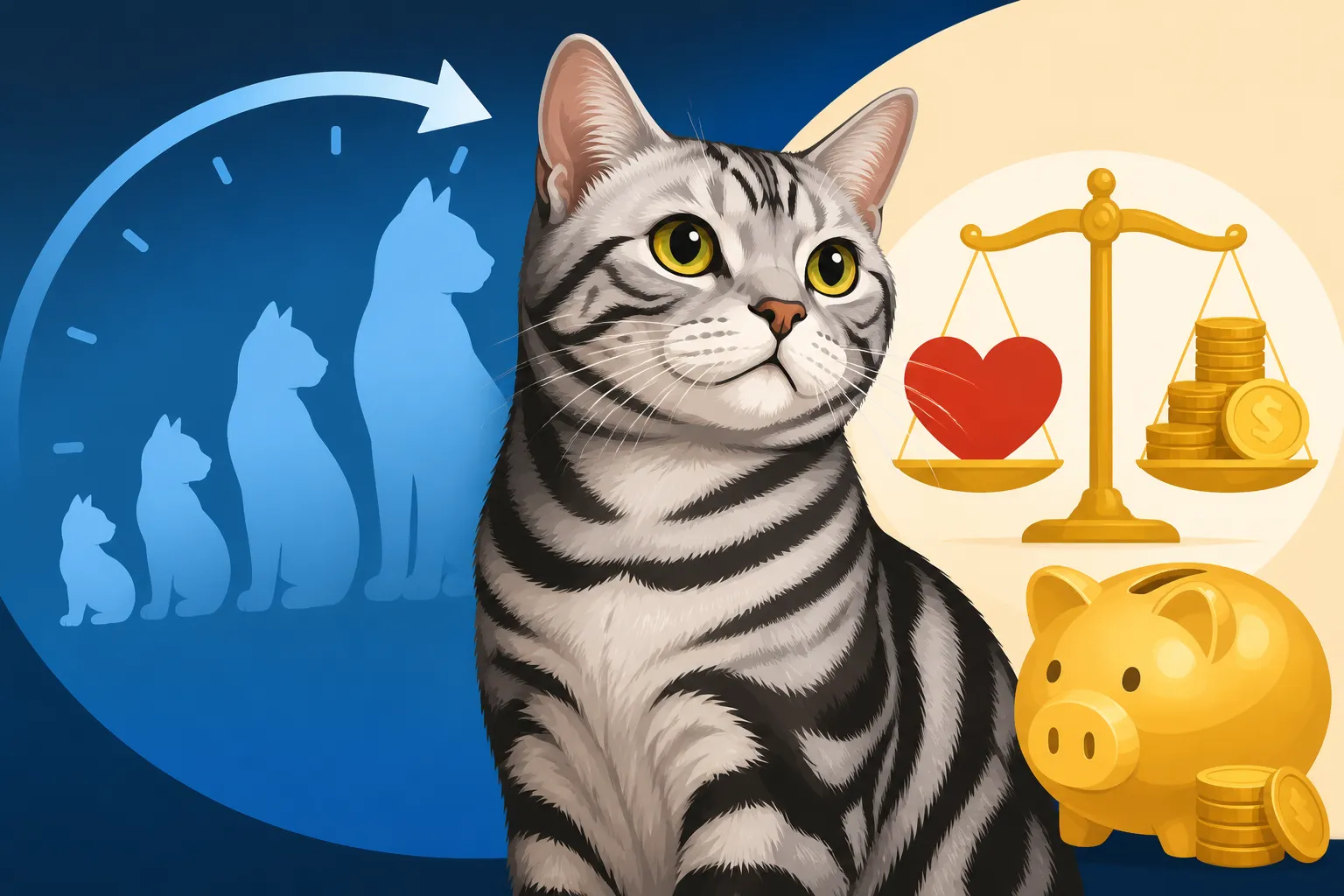
When we talk about an American Shorthair living for fifteen to twenty years, the thought of repeat specialist visits over such a long span can feel overwhelming. It’s not just the cost of a single echo; it’s the cumulative expense that truly represents the long-term commitment. This perspective helps you prepare and budget effectively, avoiding unpleasant surprises down the road.
How Frequency of Scans Impacts Total Cost
The frequency of echocardiograms will directly influence your total expenditure over your cat's lifetime. For breeding American Shorthairs, annual or even biennial scans are often recommended, especially for those known to be in lines where HCM has appeared. For a pet American Shorthair with no known family history of HCM and a clear initial scan, your vet might recommend less frequent checks, perhaps every couple of years, particularly as they approach middle age. However, once a murmur or an arrhythmia is detected, the frequency of monitoring will almost certainly increase, often to annually or even more often if medication is initiated or symptoms progress. The Age an American Shorthair's Heart Starts to Thicken can help you anticipate key monitoring periods.
Let's consider a hypothetical scenario: if your cat lives for 18 years and has an echo every two years after their initial clear scan at age two, that's roughly eight to nine additional scans. If they develop a murmur later in life and need annual checks for five years, that's five more. You can quickly see how even at current price levels, these costs add up significantly over a long lifespan. The crucial part is that these are necessary diagnostics for a breed that can live two decades, ensuring quality of life for as long as possible.
Here's a simplified look at how frequency can affect the total "shape" of the cost:
| Scenario | Initial Scan (Age 1-2) | Scans (Ages 3-10) | Scans (Ages 11-20) | Overall Financial Impact (Relative) |
|---|---|---|---|---|
| Optimal Prevention (Low Risk) | 1 (baseline) | Every 2-3 years | Every 1-2 years | Moderate |
| Increased Monitoring (Medium Risk) | 1 (baseline) | Annually | Annually | High |
| Diagnosed HCM (High Risk) | 1 (diagnostic) | Annually/Bi-annually | Every 6-12 months | Very High |
This table doesn't even account for the cost of potential medications if HCM is diagnosed, which adds another layer of ongoing expense. The takeaway here is to have open conversations with your vet about the recommended frequency for your individual American Shorthair, taking into account their age, health, and any breed-specific factors.
Considering Inflation and Advancements in Care
Another factor that will undoubtedly influence the total cost of twenty years of echocardiograms is the unavoidable march of inflation. Veterinary costs, like all healthcare costs, tend to rise over time. The price you pay for an echo today will almost certainly be higher in five, ten, or fifteen years. This isn't necessarily a bad thing; it often reflects advancements in diagnostic technology, improved training for specialists, and a higher standard of care.
For example, the clarity and detail of ultrasound images today are far superior to what was available decades ago, allowing for more precise diagnoses. New medications or treatment protocols for feline heart disease may also emerge, offering better management options. While these advancements are wonderful for our cats' health, they often come with a higher price tag. So, when you're thinking about the long-term financial commitment, it's wise to factor in that future costs will likely be higher than current ones. This makes planning, such as considering pet insurance or setting aside dedicated savings, even more important for ensuring your American Shorthair gets the care they need throughout their long, happy life. What Twenty Years of American Shorthair Against a Shelter Cat can offer a broader perspective on long-term costs.
Strategies for Managing Long-Term Echocardiogram Expenses
The thought of cumulative veterinary costs over two decades can be intimidating, but it doesn't have to be a barrier to providing excellent care for your American Shorthair. There are proactive steps you can take to manage these expenses, allowing you to focus more on your cat's well-being and less on the financial strain.
Pet Insurance and Wellness Plans
One of the most effective ways to mitigate the shock of unexpected or recurring veterinary bills, including echocardiograms, is investing in pet insurance. Companies like Healthy Paws offer various plans that can reimburse a significant percentage of eligible veterinary costs after your deductible is met. While routine wellness exams might not always be covered, diagnostic tests like echocardiograms for suspected or diagnosed conditions are often included. Imagine the relief of knowing that a substantial portion of that specialist's fee will be reimbursed, especially if your American Shorthair needs annual or semi-annual checks.
When choosing a pet insurance policy, it's crucial to read the fine print. Look for plans that have strong coverage for diagnostic tests, specialist visits, and chronic conditions. Some plans might have waiting periods for certain conditions, or might consider pre-existing conditions ineligible for coverage. The earlier you enroll your American Shorthair, the better, as it helps avoid conditions being classified as "pre-existing." Some providers also offer "wellness plans" as an add-on, which can help cover routine preventative care, but typically, major diagnostics like echoes fall under illness/accident coverage. While you'll still have out-of-pocket expenses, insurance can turn a potentially crippling bill into a manageable one, allowing you to make medical decisions based on what's best for your cat, not just your wallet. Whether Insurers Price the American Shorthair Low can provide more context on how these policies work for the breed.
Exploring Payment Options and Financial Assistance
Even with pet insurance, there might be deductibles or co-pays, or you might choose not to get insurance. In such cases, it's vital to know your options for managing costs. Many veterinary clinics, particularly specialty hospitals, understand the financial burden of advanced care and offer various payment solutions. Don't hesitate to discuss payment plans directly with the clinic's financial coordinator. They might have in-house plans, or they may work with third-party medical credit providers that allow you to pay off the bill in installments, sometimes with deferred interest for a set period.
Another strategy is to maintain a dedicated savings fund specifically for your cat's health. Even putting aside a small amount each month into a “pet emergency” fund can accumulate into a significant sum over several years, ready to be tapped when those echo bills come due. Additionally, for owners facing significant financial hardship, there are various charitable organizations and foundations that offer assistance for veterinary care. While these typically have strict eligibility requirements, they can be a lifeline in dire situations. Finally, managing your routine pet expenses effectively can free up funds for more critical care. Buying food and supplies conveniently and comparing prices can sometimes yield savings that you can redirect towards veterinary savings. Every little bit helps when planning for the health and longevity of your cherished American Shorthair.
Disclaimer
This article is for general informational purposes only and does not constitute professional advice. Laws, prices and regulations vary by location and change over time. Consult a qualified professional for guidance on your specific situation.