How Many Months Follow an American Shorthair’s HCM Diagnosis
Receiving an HCM diagnosis for your beloved American Shorthair can feel like a punch to the gut. The immediate fear and uncertainty about how much time you have left with your cherished companion are completely overwhelming. This guide aims to pull back the curtain on what an HCM diagnosis truly means, offering a realistic, empathetic look at the factors influencing your cat's prognosis and how you can best support them through this challenging time.
Understanding Hypertrophic Cardiomyopathy in American Shorthairs
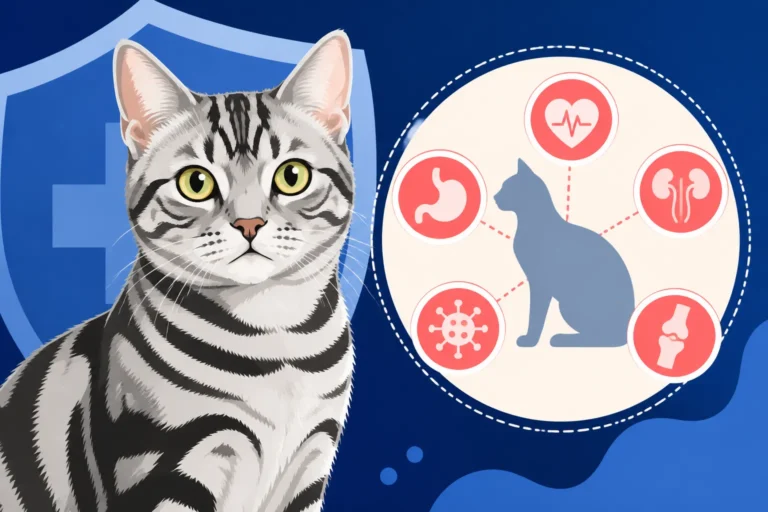
Hypertrophic Cardiomyopathy, or HCM, is the most common heart disease in cats, and while American Shorthairs are generally known for their robust health, they are not entirely immune. It's a condition that causes the muscular walls of a cat's heart, particularly the left ventricle, to thicken abnormally. Imagine your heart as a pump; when its walls become too thick, the chambers shrink, reducing the amount of blood the heart can effectively pump with each beat. This isn't just about weaker pumping; the thickened muscle also becomes stiff, making it harder for the heart to relax and fill with blood between beats.
What HCM Really Means for Your Cat
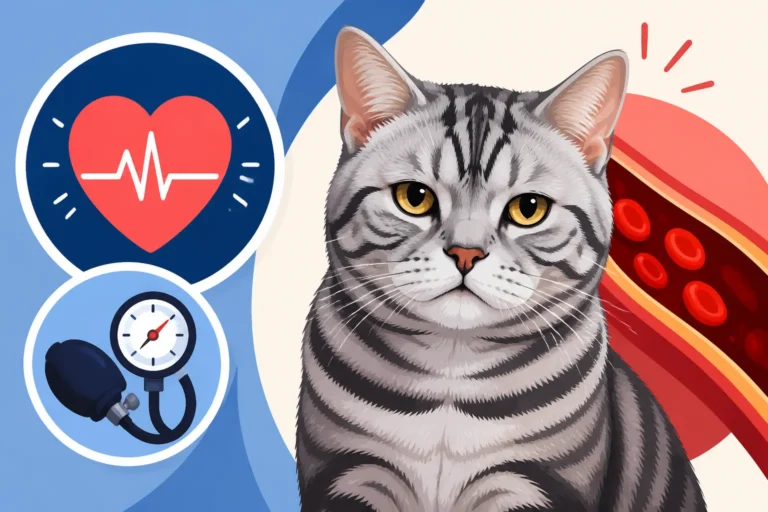
For your American Shorthair, this thickening means their heart is working much harder than it should. Initially, cats can compensate remarkably well, showing no outward signs of illness. This is why HCM is often called a "silent killer" – by the time symptoms appear, the disease is usually quite advanced. As the condition progresses, the inefficient pumping can lead to a backup of fluid in the lungs (congestive heart failure) or the chest cavity, making breathing difficult. The altered blood flow within the heart can also create turbulence, increasing the risk of blood clot formation. These clots can then travel through the bloodstream and lodge in vital arteries, causing severe and sudden issues like paralysis of the hind legs.
Why the American Shorthair Is Prone to HCM
While the American Shorthair is revered for its hardy constitution and minimal genetic health issues, HCM is one inherited disease that has unfortunately persisted within the breed. Unlike some breeds where a specific genetic mutation has been identified (like in Maine Coons or Ragdolls), the genetic basis for HCM in American Shorthairs is less clear-cut or often polygenic, meaning multiple genes might be involved. This makes it harder to screen for with simple DNA tests alone. What this means for an owner is that even if a specific gene test isn't available or recommended, the risk remains. The breed's historical development as working cats, valued for their health and resilience, meant less emphasis on specific genetic screening for obscure heart conditions in earlier generations. This is a topic further explored in Why HCM Survived in the American Shorthair, highlighting the complexity of genetic health in even the most robust breeds.
Factors Influencing Prognosis After an HCM Diagnosis
The question of "how many months" is agonizing, and the truth is, there's no single, straightforward answer. The prognosis for an American Shorthair diagnosed with HCM can vary wildly, from a few months to several years. This wide range depends heavily on several critical factors unique to your cat and their specific disease presentation.
The Severity of the Disease at Diagnosis
One of the most significant factors is how advanced the HCM is when it's first detected. If your American Shorthair is diagnosed incidentally during a routine vet check-up, perhaps a vet notices a heart murmur, and a subsequent echocardiogram confirms mild thickening without any clinical signs, the prognosis tends to be much better. These "asymptomatic" cats may live for years with careful monitoring and sometimes prophylactic medication.
However, if the diagnosis comes when your cat is already showing overt symptoms like rapid breathing, difficulty breathing (dyspnea), lethargy, or loss of appetite, it often indicates the disease has progressed significantly. These cats are usually experiencing secondary complications like congestive heart failure (CHF) or, even worse, arterial thromboembolism (ATE, a blood clot). In such cases, the immediate prognosis is more guarded, and the focus shifts to stabilizing them and improving their quality of life. An American Shorthair, being a naturally stoic and independent cat, might hide symptoms for a long time, making early detection a challenge. Understanding What an American Shorthair Shows Before Its Heart Fails can help owners be more vigilant.
Presence of Secondary Complications
The presence of complications like congestive heart failure or arterial thromboembolism drastically alters the outlook.
- Congestive Heart Failure (CHF): When the heart can no longer pump blood efficiently, fluid builds up, often in the lungs (pulmonary edema) or around the lungs (pleural effusion). Cats with CHF will typically show signs like increased respiratory rate and effort, open-mouth breathing, or coughing. Stabilizing CHF requires aggressive treatment with diuretics and oxygen therapy, but it indicates a more advanced stage of heart disease.
- Arterial Thromboembolism (ATE): This is one of the most devastating complications of HCM, often referred to as a "saddle thrombus" if it lodges at the bifurcation of the aorta, cutting off blood supply to the hind legs. Cats experiencing ATE will suddenly become paralyzed or severely weak in their hind limbs, often vocalizing in extreme pain. This is a true emergency and, even with immediate veterinary intervention, carries a very poor prognosis, with many cats not recovering or requiring euthanasia due to the severity of pain and permanent damage. You can read more about this frightening complication in How a Thickened Heart Throws a Clot in an American Shorthair and Why an American Shorthair Suddenly Loses Its Back Legs.
The Role of Consistent Veterinary Care and Medication Adherence
Once an HCM diagnosis is made, consistent veterinary follow-up and strict adherence to the prescribed medication regimen are paramount. This isn't a condition where you can simply get a diagnosis and then wait for symptoms to worsen. Regular check-ups allow your vet to monitor your American Shorthair's heart function, adjust medication doses as needed, and catch any worsening signs before they become critical.
Your veterinarian will likely recommend periodic echocardiograms to reassess the heart's structure and function. For an American Shorthair specifically, who may be stoic about their discomfort, these objective assessments are invaluable. Medications prescribed, which might include beta-blockers, ACE inhibitors, or anti-clotting agents, are designed to slow the progression of the disease, manage symptoms, and reduce the risk of complications. Missing doses or stopping medication can quickly undermine even the best treatment plan. This diligent approach is critical, as detailed in How a Vet Manages an American Shorthair With HCM. It's also worth considering that managing a chronic condition like HCM can involve significant costs, and a pet insurance plan like those offered by Healthy Paws can be a real lifesaver, helping to cover continuous medication and specialist visits.
Realistic Expectations for Life Expectancy Post-Diagnosis
It's natural to want a clear timeline, but HCM is frustratingly unpredictable. Some cats decline rapidly, while others manage to live full, happy lives for years after diagnosis. Setting realistic expectations involves understanding this variability and focusing on the quality of life.
The Wide Range of Prognoses
While it’s challenging to give an exact number of months, studies and anecdotal evidence suggest a wide range. For American Shorthairs diagnosed with mild, asymptomatic HCM, they might live for many years – sometimes even the full expected lifespan of The Fifteen to Twenty Years the American Shorthair Was Given, especially if caught early and managed well. Some studies cite median survival times for all cats with HCM (including various breeds) ranging from about 2-3 years after diagnosis, but this is a median, meaning half live shorter, half live longer. It’s important to remember that this figure encompasses all stages of the disease.
Cats diagnosed with moderate HCM, or those who have experienced a mild episode of CHF that was successfully managed, might still have several months to a couple of years of good quality life. However, if your American Shorthair is diagnosed at an advanced stage, perhaps with severe CHF or after a debilitating saddle thrombus, the prognosis is often measured in weeks to a few months, despite aggressive treatment. It's truly a spectrum, and your cat's specific condition will dictate their individual path. The fact that HCM is considered How Rare HCM Is in an American Shorthair in the breed does not diminish the severity for an affected individual.
Quality of Life Over Quantity
When facing a chronic, progressive illness like HCM, the focus for you and your vet should shift from simply extending life to ensuring the best possible quality of life for your American Shorthair. This means managing pain or discomfort, ensuring they can breathe easily, maintaining their appetite, and allowing them to engage in their normal activities as much as their condition allows.
Medications can significantly improve your cat's comfort and slow the disease's progression, but they don't cure it. There will come a point where the disease progresses beyond what medication can effectively manage. At this stage, difficult decisions about palliative care or euthanasia might need to be made, always with your cat's comfort and dignity as the highest priority. Regularly assessing your cat's daily joy and comfort is key.
Monitoring for Progression and Signs of Decline
As an American Shorthair owner, you are on the front lines of monitoring your cat's health. While your vet provides professional guidance, you're the one seeing your cat every day. It's crucial to learn to recognize subtle signs that indicate the disease might be progressing. These can include:
- Changes in breathing: An increase in respiratory rate (more than 30 breaths per minute while resting or sleeping), increased effort to breathe, or open-mouth breathing are red flags.
- Lethargy or weakness: Less interest in play, sleeping more, or being less active than usual.
- Decreased appetite or weight loss: Not wanting to eat, or a noticeable loss of muscle mass.
- Hiding or changes in behavior: A normally social American Shorthair becoming withdrawn.
- Hind limb weakness or paralysis: This is an emergency and requires immediate veterinary attention.
Keeping a log of your cat's respiratory rate at home can be incredibly helpful for your vet. Many pet owners find comfort in the fact that pet insurance plans, such as those from Healthy Paws, often cover the diagnostic tests and treatments for chronic conditions like HCM, which can involve expensive regular monitoring and potential emergency care.
Supportive Care and Management Strategies
While an HCM diagnosis is daunting, proactive and compassionate care can significantly impact your American Shorthair's comfort and potentially extend their good quality of life. The management of HCM is a long-term commitment that involves medication, careful monitoring, and thoughtful adjustments to their daily routine.
Medical Therapies to Slow Progression
The cornerstone of HCM management lies in medical therapies designed to address the specific issues caused by the thickened heart muscle. Your veterinarian, often in consultation with a veterinary cardiologist, will tailor a medication regimen for your American Shorthair. Common medications include:
- Beta-blockers (e.g., Atenolol): These help slow the heart rate, allowing the stiff heart muscle more time to fill with blood, and reduce the heart's workload.
- ACE inhibitors (e.g., Benazepril, Enalapril): These medications help relax blood vessels, making it easier for the heart to pump blood, and can also help prevent further remodeling of the heart muscle.
- Diuretics (e.g., Furosemide): If your cat develops congestive heart failure, diuretics are crucial for removing excess fluid from the body, particularly from the lungs, to alleviate breathing difficulties.
- Anti-clotting medications (e.g., Clopidogrel/Plavix): These are often prescribed to reduce the risk of dangerous blood clot formation, especially if the cardiologist identifies risk factors for ATE within the heart.
It's vital to administer all medications exactly as prescribed and to never stop them suddenly without veterinary guidance. Learning Which Drugs Slow an American Shorthair's Heart Disease will empower you to discuss treatment options knowledgeably with your vet.
Lifestyle Adjustments for an HCM Cat
Beyond medication, certain lifestyle adjustments can help minimize stress on your American Shorthair's heart:
- Stress Reduction: Cats are sensitive creatures, and stress can exacerbate heart conditions. Maintain a calm, predictable environment. Avoid sudden loud noises, crowded social gatherings, or changes to their routine if possible. Provide plenty of safe hiding spots and quiet areas where your American Shorthair can retreat.
- Dietary Considerations: While there isn't a specific "heart diet" for HCM in its early stages, ensuring your cat maintains an ideal body weight is crucial. Obesity puts extra strain on the heart, so a balanced, high-quality diet, portioned appropriately, is key. If CHF develops, your vet might recommend a low-sodium diet to help manage fluid retention.
- Controlled Activity: While you don't want to restrict all play, discourage overly strenuous activity that might tax their heart too much. Gentle play sessions with a wand toy are usually fine, but avoid anything that leaves them panting excessively. Observe their tolerance and let them set the pace.
- Monitoring at Home: As mentioned earlier, regularly observing your cat's breathing rate and overall behavior is one of the most powerful tools you have. Any changes should prompt a call to your vet.
The Importance of Regular Re-Checks and Echocardiograms
Regular veterinary check-ups and follow-up echocardiograms are absolutely non-negotiable for an American Shorthair with HCM. These re-checks allow your vet or cardiologist to:
- Assess disease progression: Comparing current echo results to previous ones helps determine if the heart muscle is thickening further, or if heart function is deteriorating.
- Adjust medication: Doses of heart medications often need to be fine-tuned over time based on your cat's response and the progression of the disease.
- Monitor for complications: Early detection of fluid buildup or changes indicating an increased risk of blood clots can lead to timely intervention.
While a yearly heart scan might be recommended for a seemingly healthy American Shorthair for preventative screening, as discussed in Why an American Shorthair Still Needs a Yearly Heart Scan, for a cat already diagnosed with HCM, these scans will be much more frequent. A clear scan doesn't guarantee a lifetime free from issues, as noted in How Many Years a Clear Scan Covers a Breeding American Shorthair, but for an HCM cat, it provides vital real-time information. These follow-up visits, specialist consultations, and ongoing medications can add up, which is where having comprehensive pet insurance like Healthy Paws can truly alleviate some of the financial burden, allowing you to prioritize your cat's health without undue stress over costs.
| Factor Affecting Prognosis | Description | General Outcome Tendency |
|---|---|---|
| Severity at Diagnosis | Asymptomatic (mild thickening, no symptoms) vs. Symptomatic (difficulty breathing, lethargy, etc.) | Asymptomatic: Longer prognosis (years); Symptomatic: Shorter prognosis (months to 1-2 years), especially with CHF. |
| Presence of Complications | Congestive Heart Failure (CHF) or Arterial Thromboembolism (ATE) | Absence of complications: Better; CHF: Guarded; ATE: Poor, often weeks. |
| Response to Treatment | How well the cat tolerates and responds to prescribed medications (e.g., improved breathing, stabilized heart rate) | Good response: Helps extend quality life; Poor response: Indicates rapid progression. |
| Owner Adherence & Care | Consistency in administering medication, attending vet appointments, and monitoring at home. | Diligent care: Maximizes potential lifespan and quality of life; Inconsistent care: Can hasten decline. |
| Individual Cat Variation | Every cat is an individual, with unique physiology and disease progression rates, even within the same breed. | Unpredictable; some cats defy odds, others decline quickly despite best efforts. |
Disclaimer
This article is intended for informational purposes only and does not constitute medical advice. Always consult with a qualified veterinarian or veterinary cardiologist regarding your American Shorthair's specific health condition and treatment plan. Individual prognoses can vary significantly.