Whether an American Shorthair Policy Covers HCM
One of the biggest worries for any American Shorthair owner is the health of their beloved feline companion, and among those concerns, hypertrophic cardiomyopathy (HCM) often looms large. It’s a heartbreaking condition that can strike without much warning, leaving you wondering if your pet insurance policy will actually be there to help ease the financial burden of diagnosis and ongoing treatment. This guide is all about helping you understand exactly how pet insurance policies typically handle HCM, particularly with a breed like the American Shorthair, so you can make informed decisions and hopefully gain some peace of mind.
Understanding Feline Hypertrophic Cardiomyopathy HCM in American Shorthairs
It’s truly disheartening to think about any health issues affecting our cats, especially something as serious as heart disease. For American Shorthair owners, HCM is a topic that comes up often, even though our resilient, classic breed is generally considered very healthy. It's a cruel twist that such a solid, old-school cat can still face this particular challenge.
What is HCM and Why it Matters for American Shorthairs
Hypertrophic Cardiomyopathy, or HCM, is essentially a thickening of the heart muscle walls, particularly the left ventricle. When this muscle thickens, it becomes less efficient at pumping blood, and the heart chambers can't fill properly. Over time, this can lead to fluid buildup in the lungs, blood clots, and eventually heart failure. What makes HCM so insidious is that it can be incredibly sneaky. A cat might show no outward symptoms at all, or only very subtle ones, until the disease is quite advanced. Suddenly, you might notice your usually active American Shorthair becoming more lethargic, breathing rapidly, or even collapsing. HCM Is the One Inherited Disease the American Shorthair Kept is a stark reminder that even in breeds known for their robustness, genetic predispositions can exist. It's a significant concern for us because while the American Shorthair generally avoids many of the extreme health issues seen in other breeds, HCM is one that they can, unfortunately, be prone to, especially in certain lines.
The American Shorthair's Specific Risk Profile for HCM
While the American Shorthair is celebrated for its natural good health and sturdy build, they aren't entirely immune to inherited conditions. HCM is one of the more significant concerns, largely due to its genetic component. It's not as prevalent as in some other breeds like the Maine Coon or Ragdoll, where specific gene mutations have been identified, but it does occur. This means that responsible breeders will screen their cats, but even with careful breeding, the risk isn't completely eliminated. The frustration comes from the fact that it can sometimes feel like a lottery, especially if your cat has no known family history of the condition. We cherish our American Shorthairs for their easygoing nature and longevity, making any threat to their heart health particularly jarring. This is why vigilance and understanding your cat's specific risk are so important.
Diagnosing HCM in Your American Shorthair
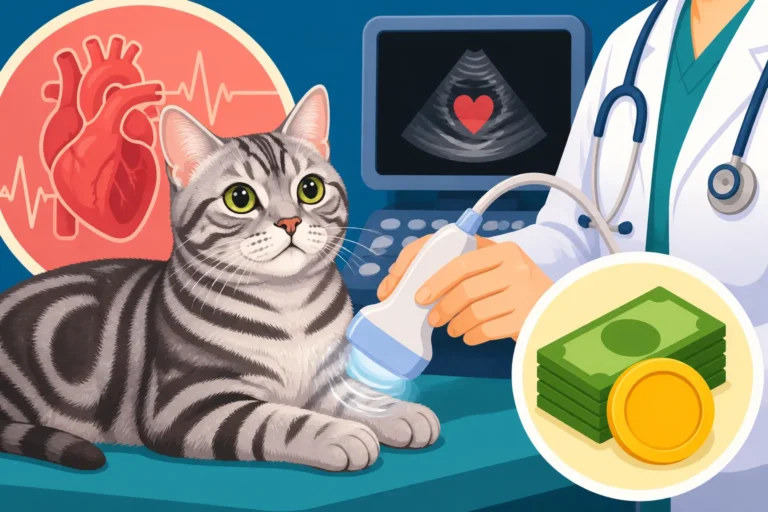
Diagnosing HCM usually begins with a routine veterinary check-up. Sometimes, your vet might pick up an abnormal heart sound, like a murmur or a gallop rhythm, during a physical exam. This is often the first clue. However, a murmur doesn't automatically mean HCM; many benign murmurs exist. The definitive diagnostic tool is a cardiac ultrasound, also known as an echocardiogram or "echo." This non-invasive procedure allows a veterinary cardiologist to visualize the heart's structure, measure the thickness of the ventricular walls, and assess blood flow. Why an American Shorthair Still Needs a Yearly Heart Scan highlights the proactive approach many owners and breeders take. While there are some genetic tests available for specific mutations in other breeds, Why an Echo Beats a Gene Test in an American Shorthair makes it clear that for our American Shorthairs, an echo remains the gold standard because not all genetic causes are known, and the disease can manifest without those specific gene markers. This means regular screenings, especially as your cat ages, become incredibly important, as The Age an American Shorthair's Heart Starts to Thicken suggests.
The Nitty-Gritty of Pet Insurance and Pre-Existing Conditions
Pet insurance can be a lifesaver, but understanding how it works, especially concerning a condition like HCM, feels like trying to decipher ancient texts. The term "pre-existing condition" is often the biggest hurdle, and it's where many pet owners find themselves caught off guard. It's not just about getting a policy; it's about understanding what that policy actually covers.
What "Pre-Existing Condition" Truly Means for Insurers
This is probably the most frustrating part of pet insurance for many of us. Generally, a “pre-existing condition” is any illness or injury that your pet had before the start of their insurance policy or before the end of their waiting period. This includes conditions that were formally diagnosed by a vet, but also those that merely showed symptoms, even if you hadn't taken your cat to the vet for them yet. For example, if your American Shorthair had been coughing a lot or seemed unusually tired before you bought the policy, and then later gets diagnosed with HCM, an insurer might consider that coughing a symptom of an underlying cardiac issue, thus making the HCM a pre-existing condition. Most pet insurance policies, across the board, do not cover pre-existing conditions. Insurers generally align with this industry standard. They need to protect themselves from people buying insurance only after a problem has started.
When Does HCM Become a Pre-Existing Condition?
The timing here is everything. HCM becomes a pre-existing condition as soon as there is a documented medical history of it, or even symptoms that could be related to it, prior to your policy's effective date and the end of any waiting periods. Let's say your American Shorthair has a vet visit, and the vet notes a heart murmur in their records. Even if the vet says it's likely benign, or simply decides to "monitor" it, that note in the medical record could be enough for an insurer to consider any future HCM diagnosis a pre-existing condition. The devil is truly in the details of your cat's vet history. This is a common point of contention and a huge source of stress for owners who thought they were doing everything right by getting insurance.
Waiting Periods and Their Impact on HCM Coverage
Another crucial element to consider is waiting periods. Almost all pet insurance policies have them. These are specific lengths of time, after you purchase the policy, before certain coverages kick in. For accidents, it might be as short as 24-48 hours. For illnesses, it's typically much longer, often 14 days or even up to 30 days. Some conditions, like orthopedic issues, might even have longer waiting periods. If your American Shorthair shows symptoms of HCM or is diagnosed during this waiting period, even if it's the very first time anyone has noticed anything, it will almost certainly be classified as a pre-existing condition and therefore not covered. This means if you buy a policy today and your cat is diagnosed with HCM a week later, before the 14-day illness waiting period is up, you're likely out of luck. This emphasizes the need to enroll your pet as early as possible.
Navigating Insurance Policies for American Shorthair HCM Coverage
Given the complexities, finding the right insurance for your American Shorthair and understanding its potential for HCM coverage can feel like a full-time job. It requires careful planning and a thorough review of policy documents.
The Critical Timing of Purchasing Pet Insurance
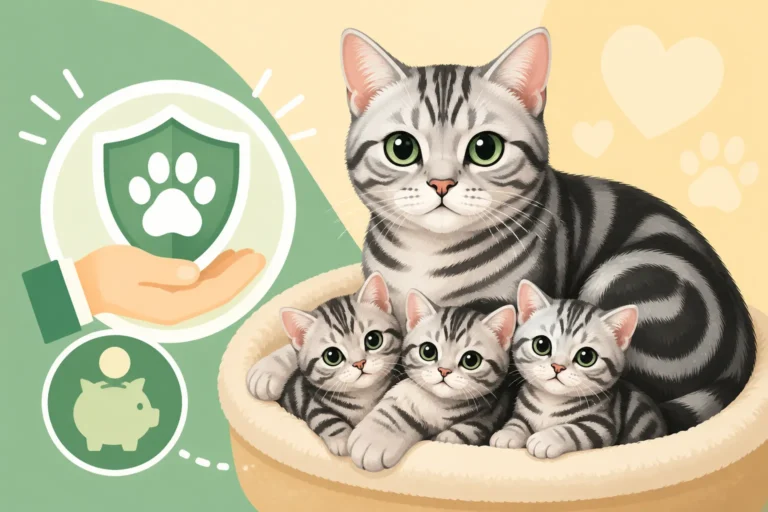
The absolute best time to purchase pet insurance for your American Shorthair is when they are a young kitten, ideally before their first vet check-up that might uncover a murmur or any other potential health concern. At this stage, your cat is generally considered "clean slate" from an insurance perspective, meaning there's no existing medical history to flag as pre-existing conditions. This proactive approach drastically increases the chances of any future HCM diagnosis being covered, assuming it appears after all waiting periods are met. It may seem like an unnecessary expense for a perfectly healthy kitten, but it's an investment in future peace of mind. Think of it as protecting their future, not just their present. What an American Shorthair Kitten Needs an Early Vet Check highlights the importance of those initial vet visits, which also serve as a baseline for insurance purposes.
Policy Types and What They Generally Cover for Cardiac Issues
Most pet insurance companies offer a few different types of policies, and it's essential to know the difference, especially for something like HCM.
- Accident-Only Policies: These are the most basic and typically cover injuries from accidents (like falls, car incidents, or swallowed objects). They will not cover HCM or any other illness.
- Accident & Illness Policies (Comprehensive Policies): These are what most pet owners choose, and they cover both accidental injuries and a wide range of illnesses, including chronic conditions like diabetes, cancer, and, crucially, newly diagnosed heart conditions like HCM. As long as HCM isn't deemed pre-existing, these policies are designed to cover the diagnostics (like the echo mentioned earlier, which What a Cardiologist Charges to Scan an American Shorthair can confirm is a significant cost), medications, and ongoing care your American Shorthair would need. This is the type of policy you'd be looking for to address HCM concerns. Brands like Healthy Paws are known for their comprehensive coverage.
Reading the Fine Print: Exclusions and Limitations to Watch For
Never skip the fine print! Every policy has exclusions and limitations, and they can vary significantly between providers. For HCM, specifically look for:
- Genetic or Hereditary Conditions Clauses: Some policies might have specific clauses about genetic conditions. Ensure that HCM isn't specifically excluded or subject to different terms, especially if your breed is known to carry a predisposition.
- Age Limits: While not common for denying coverage outright, older pets might have higher premiums or different terms. Whether Insurers Price the American Shorthair Low may give some general insight into breed pricing, but individual age matters greatly.
- Benefit Caps: Understand if there are annual limits, per-incident limits, or lifetime limits. Managing HCM is an ongoing commitment, and How Many Months Follow an American Shorthair's HCM Diagnosis can often extend for years, meaning costs can accumulate. A policy with high annual limits or unlimited coverage would be ideal.
- Bilateral Conditions: While HCM is typically a single-organ issue, some conditions are considered "bilateral" (affecting both sides of the body, like hip dysplasia). Read carefully to ensure no confusing language that might inadvertently limit cardiac coverage.
Seeking Out Specific Cardiac Riders or Comprehensive Plans
Some insurance providers might offer optional riders or endorsements that provide enhanced coverage for specific conditions, or they might simply have very robust comprehensive plans that inherently include excellent cardiac care. When you're comparing policies, ask direct questions about how they handle conditions like HCM. It's not enough to assume; you need clarity. If you're comparing offerings from different providers, for example, through a marketplace like Chewy or directly from providers like Healthy Paws, make sure to get a detailed breakdown of cardiac coverage. Some might cover certain specialized tests or alternative therapies that others don't. Given that American Shorthairs are generally considered robust, Whether Insurance Pays Off on a Low Risk American Shorthair can be a valid question, but a serious condition like HCM still warrants comprehensive protection.
Managing HCM Costs Without Full Insurance Coverage
It's a tough reality, but sometimes, despite our best efforts, a pet insurance policy might not cover HCM due to it being a pre-existing condition, or perhaps you chose not to get insurance at all. This doesn't mean you're out of options; it just means you need to be strategic about managing the financial aspects of your cat's care.
The Reality of Uninsured HCM Treatment Costs
Let's be blunt: treating HCM can be expensive, and it's almost always an ongoing cost. The initial diagnostic echocardiogram is a specialist procedure, and subsequent re-checks will be needed regularly to monitor the progression of the disease. Beyond diagnostics, your American Shorthair will likely be on daily medication for the rest of their life to manage symptoms and slow progression. These medications can include diuretics to reduce fluid buildup, beta-blockers or calcium channel blockers to help the heart function more efficiently, and even blood thinners to prevent clot formation. Emergency visits for acute heart failure, which can be sudden and terrifying, will also rack up significant bills. This isn't a one-time fix; it's a chronic condition requiring consistent, dedicated care. The cumulative cost over the remaining years of your cat's life can be substantial.
Alternative Financial Strategies for Pet Healthcare
If insurance isn't an option or only covers a portion, there are still ways to manage the financial burden:
- Dedicated Savings Account: Setting aside a specific amount each month into a "pet emergency fund" can provide a crucial safety net. Even $25-$50 a month can build up quickly over time.
- Veterinary Payment Plans: Many veterinary clinics, especially those dealing with specialist care, understand the financial strain and offer payment plans. Don't be afraid to discuss this with your vet's office.
- Credit Options: Health-specific credit cards or personal lines of credit can provide access to funds quickly, though you'll need to be mindful of interest rates.
- Breed-Specific Rescues/Foundations: While HCM affects many breeds, some breed-specific rescues or foundations might offer financial assistance programs for owners struggling with medical costs, though this is less common for the generally healthy American Shorthair.
- Discount Plans: Some organizations offer veterinary discount plans where you pay a monthly fee for a percentage off vet services. These aren't insurance, but they can help reduce costs for routine care and sometimes specialist visits.
How to Compare Pet Insurance Providers for Your American Shorthair
Even if you're not getting coverage for an existing HCM diagnosis, understanding how to choose an insurer for future potential issues or other health concerns is vital. When comparing providers, it’s not just about the lowest premium.
- Reputation and Reviews: Look into what other pet owners say. Are claims processed quickly? Is customer service responsive?
- Coverage Details: Beyond just "accident and illness," dive into what specific treatments, diagnostics, and medications are covered. Are specialist visits included? Are alternative therapies?
- Deductibles and Reimbursement Levels: Understand your deductible (how much you pay before coverage kicks in) and the reimbursement percentage (e.g., 70%, 80%, 90% of covered costs). A lower reimbursement means you pay more out-of-pocket.
- Annual Limits: As mentioned, high or unlimited annual limits are crucial for chronic conditions.
- Wellness Options: While wellness plans typically cover routine care and aren't insurance for illness, some providers offer them as add-ons. This can help budget for things like vaccinations and annual check-ups.
- Flexibility: Does the policy allow you to choose any licensed vet or specialist? Most do, but it's worth confirming.
When researching, explore websites of providers like Healthy Paws for their comprehensive offerings, and platforms like Chewy, which often aggregates information from multiple insurance partners, allowing for easy comparison. Remember, even a generally healthy breed like the American Shorthair can benefit from robust insurance coverage for unexpected illnesses or accidents. Why an American Shorthair Is a Low Anesthetic Risk highlights a general positive, but unforeseen circumstances can still arise.
| Feature | Key Considerations for HCM Coverage |
|---|---|
| Pre-Existing Cond. | Crucial: Was HCM (or related symptoms) present before policy start/waiting period? Most policies exclude. |
| Waiting Periods | Illness waiting periods (typically 14 days or more) must pass before HCM is covered. |
| Policy Type | Must be an "Accident & Illness" or "Comprehensive" plan. Accident-only plans do not cover HCM. |
| Genetic/Hereditary | Check for specific exclusions or limitations for genetic conditions. |
| Annual Limits | High or unlimited annual limits are best for ongoing, chronic HCM treatment. |
| Reimbursement Rate | Affects your out-of-pocket costs (e.g., 80% reimbursement means you pay 20% of covered costs). |
| Deductible | The amount you pay first each year before the policy starts paying. |
| Specialist Cover | Ensure cardiologist visits and advanced diagnostics (echos) are fully covered. |
| Medication Cover | Confirm ongoing prescription medications for HCM management are included. |
This article is for general informational purposes only and does not constitute professional advice. Laws, prices and regulations vary by location and change over time. Consult a qualified professional for guidance on your specific situation.