What an American Shorthair Breeder’s Echo Paperwork Should Say
Bringing a new kitten into your home is an incredibly exciting time, full of dreams about purrs and playful antics. But for many prospective American Shorthair owners, that excitement can quickly turn into a knot of anxiety when faced with health paperwork from a breeder. It’s hard to know what you’re looking at, what’s legitimate, and what truly ensures your future feline friend has the best start in life. This guide will meticulously break down exactly what an American Shorthair breeder's echocardiogram (echo) paperwork should say, helping you navigate the sometimes overwhelming world of responsible breeding and health clearances.
The Non-Negotiable Core of Heart Health Screening
When you’re considering an American Shorthair, you’re often drawn to their reputation for robust health and easy-going temperament. And it’s true, for the most part, the American Shorthair is the control group of cat breeding when it comes to genetic issues. These cats are known for their strong genetics, a legacy from their working cat ancestors. However, even in a breed celebrated for its health, there are still potential health considerations, and one of the most significant, albeit rare, concerns is Hypertrophic Cardiomyopathy (HCM).
Understanding Hypertrophic Cardiomyopathy HCM in American Shorthairs
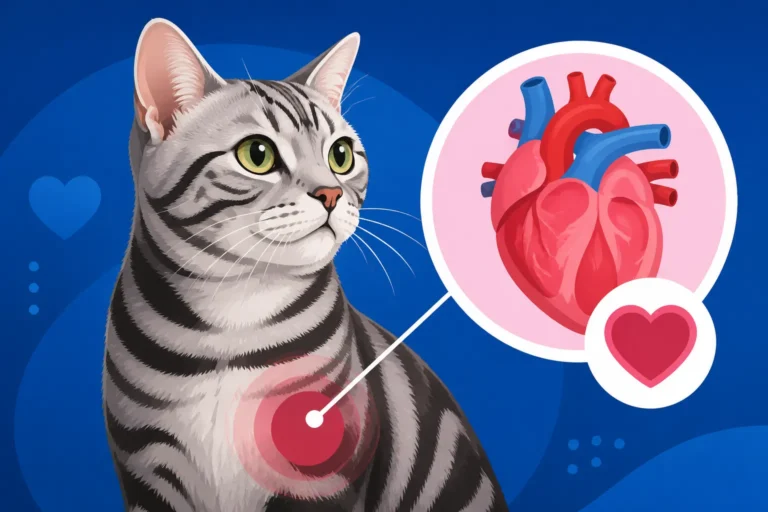
Hypertrophic Cardiomyopathy, or HCM, is a disease that causes the muscular walls of a cat’s heart to thicken, particularly the left ventricle. This thickening makes the heart less efficient at pumping blood, leading to potential complications like congestive heart failure, blood clots, or sudden death. It's a scary thought for any pet parent. While the American Shorthair enjoys a generally healthy lifespan, HCM is the one inherited disease the American Shorthair kept. It's not nearly as prevalent as in some other pedigrees, but it’s still something responsible breeders take very seriously.
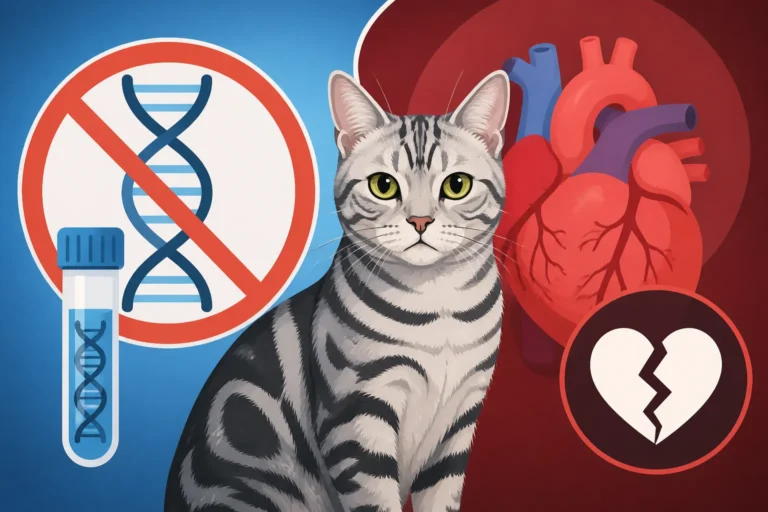
You might hear about genetic tests for HCM in some breeds. However, it's crucial to understand why a gene test cannot clear an American Shorthair's heart for HCM. In many breeds, specific genetic mutations linked to HCM have been identified, allowing for DNA testing. For American Shorthairs, however, the genetic markers for HCM are complex and not yet fully understood or reliably identified through a simple DNA test. This means that even if a breeder provides a genetic test result, it's not a definitive "all clear." The disease is known to be polygenic, meaning multiple genes are involved, making a single gene test insufficient for accurate screening. This is why a thorough physical examination, paired with an echocardiogram, becomes absolutely vital.
Why an Echocardiogram is the Gold Standard
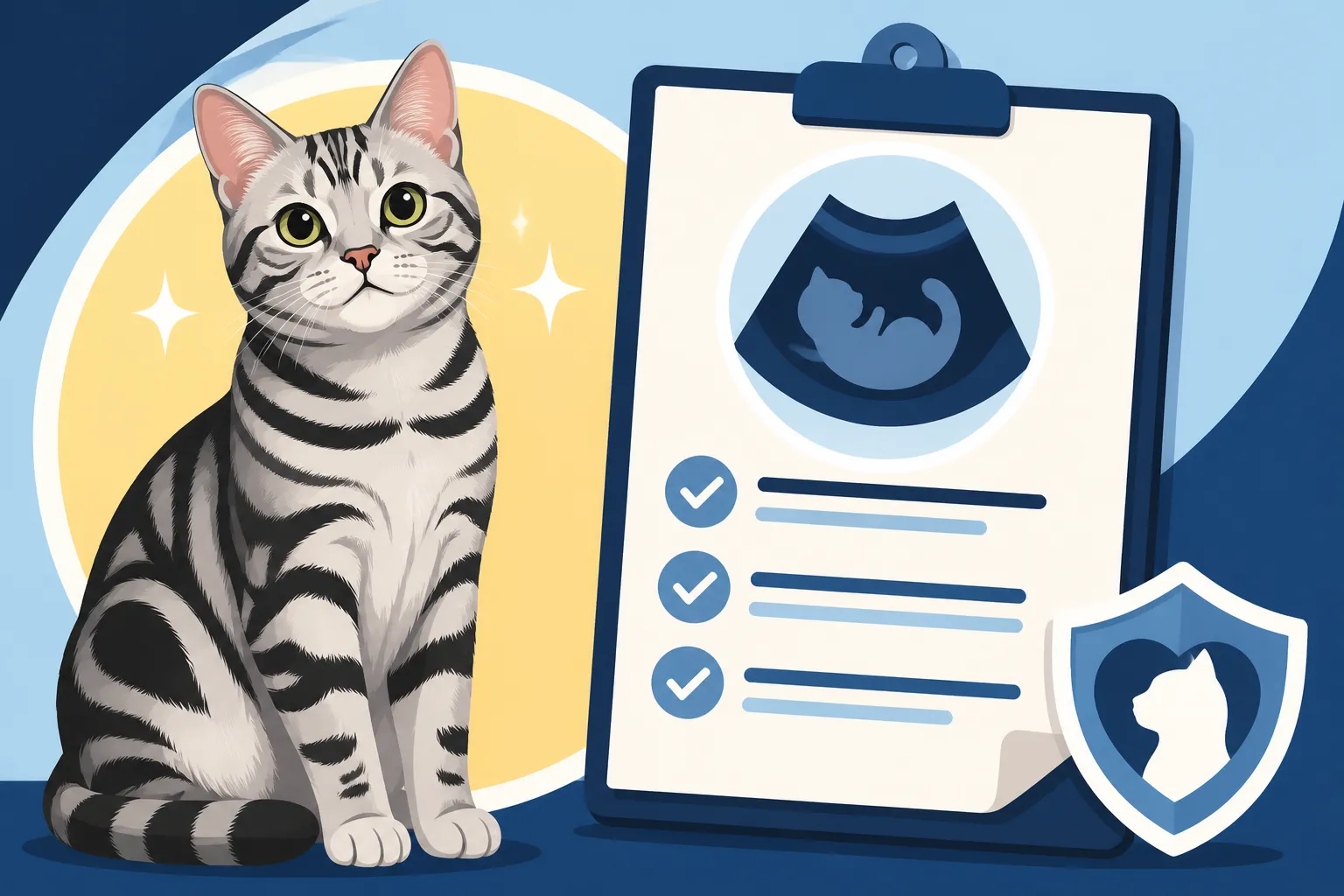
Given the limitations of genetic testing for HCM in American Shorthairs, the echocardiogram stands out as the absolute gold standard for diagnosing this condition. An echo is essentially an ultrasound of the heart. It provides a real-time, dynamic image of the heart’s structure and function. During an echo, a veterinary cardiologist can directly visualize the thickness of the heart muscle walls, assess the size of the heart chambers, observe how blood flows through the heart, and check the function of the valves.
Unlike a genetic test that looks for a specific genetic predisposition, an echo directly measures the physical manifestation of the disease—the thickening of the heart walls. This direct visualization is why an echo beats a gene test in an American Shorthair when it comes to screening for HCM. It doesn’t just tell you if a cat might carry a risk; it tells you if the cat currently has the structural changes indicative of HCM. This is especially important because HCM can develop at different ages, and a cat that screens clear at one point may develop the condition later in life.
Decoding the Echo Paperwork: What You Should See
When a breeder presents you with health paperwork, it shouldn't just be a cryptic piece of paper. It should be clear, detailed, and verifiable. The echocardiogram report is a technical document, but you should be able to identify key pieces of information that confirm a thorough screening has taken place.
Verifying the Veterinarian and Clinic Details
The very first thing you should look for on any echo paperwork is who performed the examination. This isn't just about a name; it's about credentials. A proper cardiac ultrasound for HCM screening should ideally be performed by a board-certified veterinary cardiologist or at least by a veterinarian with extensive training and experience in echocardiography. These specialists have the expertise to accurately interpret the subtle nuances of heart structure and function.
The report should clearly state the name of the veterinary clinic, its address, and contact information. Crucially, it should also list the name and professional credentials of the veterinarian who performed and interpreted the echocardiogram. For instance, "Dr. Jane Doe, DVM, DACVIM (Cardiology)" indicates a board-certified specialist in cardiology. If it's a general practitioner, inquire about their specific training in echocardiography for HCM screening. Knowing how a cardiologist reads an American Shorthair's scan involves highly specialized knowledge, so having that expert review is paramount. A truly responsible breeder will readily provide this information, and it should be prominent on the report.
Breeder and Cat Identification
This might seem obvious, but it’s an area where corners can sometimes be cut. The echo paperwork must unequivocally identify both the breeder and the specific American Shorthair cat being screened. Look for:
- Breeder's Name and Contact Information: This ensures you know exactly who commissioned the test.
- Cat's Registered Name: This is the official name under which the cat is registered with organizations like the CFA (Cat Fanciers' Association). It distinguishes the cat from any others in the cattery.
- Call Name: The everyday name of the cat, often included for convenience.
- Registration Number: The unique identifier assigned by the cat registry.
- Microchip Number: A permanent form of identification. This is especially important for verification. Ask the breeder to show you the cat and its microchip scan to match the number on the paperwork.
- Date of Birth: To confirm the cat’s age at the time of the scan. This is important because HCM can develop or progress over time.
- Color and Pattern: For example, "Silver Tabby" or "Brown Classic Tabby" helps confirm the identity.
Without clear, matching identification, you can’t be certain that the paperwork belongs to the cat you're interested in.
The Echocardiogram Report Itself
This is the technical heart of the matter. While you won't be expected to interpret every numerical value, you should be able to see that specific measurements were taken and an overall assessment was made.
Key components to look for include:
- Date of Exam: When the echo was performed. This is crucial for understanding how current the clearance is.
- Measurements of Heart Structures: The report should include numerical values for various heart structures. For HCM screening, the most critical measurements are the Left Ventricular Wall Thickness (LVWT) and the thickness of the Interventricular Septum (IVS). These are typically measured in millimeters. The cardiologist compares these measurements against established normal ranges for the breed, adjusted for the cat's size and age. Deviations from these norms are indicators of thickening.
- Atrial Size: The size of the atria (the upper chambers of the heart) is also important. Enlarged atria can be a sign of the heart working harder, which can occur with HCM.
- Blood Flow Velocity/Doppler Studies: The report might also include details from Doppler studies, which assess the speed and direction of blood flow through the heart. Abnormal flow patterns can indicate issues with valve function or increased turbulence due to a thickened heart.
- Overall Impression/Conclusion: This is the most important part for a layperson. The cardiologist will provide a clear, concise conclusion regarding the presence or absence of HCM. You want to see statements like:
- "Normal heart, no evidence of HCM."
- "No structural heart disease detected."
- "Clear for HCM at this time."
Be wary of vague statements. A truly clear report will leave no room for doubt about the cat's cardiac health at the time of the examination.
Certification and OFA Listings: The Layers of Trust
Beyond the individual echo report, look for evidence of official certification and listing in public databases. These steps add layers of transparency and trust to a breeder's health screening claims.
The Role of OFA and Other Registries
The Orthopedic Foundation for Animals (OFA) is a well-respected organization that maintains a public database of health clearances for various inherited diseases, including cardiac conditions. When a cat has an echo performed by a board-certified cardiologist, the results can be submitted to OFA for official certification.
An OFA certificate will list the cat's registered name, breed, date of birth, registration number, microchip number, and the date of the cardiac exam, along with the results. You can often look up a cat on the OFA website using its registered name or registration number to verify the information independently. This transparency is invaluable.
The OFA also specifies how many years a clear scan covers a breeding American Shorthair. For breeding cats, OFA recommends annual screening until at least age five, and then every two to three years thereafter, for the lifetime of the cat. This isn't a one-and-done test; it's an ongoing commitment to health. This diligent screening is part of what an American Shorthair breeder should have screened if they are truly committed to the breed's health.
Understanding Clearance Status and Grades
When a cat's echo results are submitted to OFA, they are typically assigned a status or grade:
- Normal: This is the ideal result. It means no evidence of HCM was found at the time of the examination. A cat with a "Normal" rating is suitable for breeding, assuming all other health and breed standards are met.
- Equivocal: This indicates that the cardiologist found some minor abnormalities or borderline changes that are not definitively HCM but also not entirely normal. A cat with an "Equivocal" rating should generally not be bred until further evaluation can definitively rule out HCM. Often, a repeat scan in 6-12 months is recommended. Responsible breeders will typically remove such cats from their breeding program.
- Affected: This means the cat has been diagnosed with HCM. Such a cat should absolutely be removed from any breeding program to prevent passing on the predisposition. This is a critical point: why an affected cat leaves the American Shorthair gene pool is simple—to protect the future health of the breed and ensure that kittens are not born with a higher risk of this devastating disease.
A responsible breeder will only breed cats with "Normal" clearances and will be transparent about the history of their breeding lines. While you might consider pet insurance from providers like Healthy Paws for your new kitten, robust breeder screening significantly reduces the likelihood of these serious, costly conditions appearing early in life.
Frequency and Ongoing Screening: A Lifelong Commitment
It’s easy to think of health screening as a one-time event, a checkbox to tick off before breeding. But for a responsible American Shorthair breeder, it’s a continuous, lifelong commitment to the health of their cats and the entire breed.
Recommended Screening Intervals for Breeding Cats
As mentioned earlier, HCM can develop at any age, even in cats that have previously screened clear. This is why ongoing screening is so vital. For American Shorthairs used in breeding programs, the recommended protocol is rigorous:
- Annual Echocardiograms: Breeding cats should undergo an echocardiogram every year until they reach at least five years of age. This frequent screening helps detect any changes as early as possible.
- Less Frequent Post-Breeding: Once a cat is retired from breeding, or if they are older than five and consistently clear, the screening frequency might be extended to every two to three years. However, many dedicated breeders continue annual scans even for their retired queens and studs, simply because they love their cats and want to monitor their health.
- Kitten Screenings: While not typically done for kittens, it’s important for prospective owners to know the parents have been screened regularly.
This continuous vigilance explains why an American Shorthair still needs a yearly heart scan, particularly if they are part of a breeding program. Even a seemingly healthy, stoic American Shorthair can be silently developing HCM. And don't forget, why an untested adult American Shorthair should still be scanned holds true for any pet owner, not just breeders. If you adopt an adult cat with unknown history, a cardiac check-up is always a good idea.
The Importance of a Pedigree with Clearances
When evaluating a breeder's paperwork, don't just ask about the parents. A truly comprehensive health history extends backward through the generations. Ask to see clearances not just for the dam and sire, but also for their parents (the grandparents of your potential kitten). This gives you a much clearer picture of the health trends within that specific line.
A pedigree showing multiple generations of clear HCM scans is a strong indicator of a breeder’s dedication to producing healthy kittens. It suggests they are actively selecting against the disease. Conversely, a pedigree with gaps in health screening, or where certain ancestors show "equivocal" or "affected" status, should be a red flag. This also helps understand what an American Shorthair breeder should have screened beyond just the immediate parents. It's about a holistic approach to genetic health.
Consider a situation where you're looking at a kitten from a breeding pair, and both parents have current, clear HCM certificates from a board-certified cardiologist. That's fantastic! But then, if you look at the grandparents' certificates and find similar clear results, it strengthens your confidence immensely. This kind of transparent, multi-generational health record is what you're looking for. It shows that the breeder isn't just reacting to current health, but proactively working to safeguard the American Shorthair's robust legacy.
| Element of Echo Paperwork | What to Look For | Why It Matters |
|---|---|---|
| Veterinarian Credentials | Name, DVM, and specialty (e.g., DACVIM Cardiology) or clear evidence of extensive echo training. Clinic name and contact. | Ensures the scan was performed and interpreted by a qualified expert. |
| Cat Identification | Registered Name, Call Name, Registration Number, Microchip Number, Date of Birth, Color/Pattern. | Confirms the paperwork belongs to the specific cat being evaluated and can be independently verified. |
| Date of Examination | Clearly stated and recent (within the last 12-18 months for a breeding cat). | HCM can develop later in life; a recent clearance is crucial for breeding animals. |
| Key Cardiac Measurements | Numerical values for Left Ventricular Wall Thickness (LVWT), Interventricular Septum (IVS), Atrial Size. | Shows a thorough evaluation of the heart's structure. These are the primary indicators of HCM. |
| Conclusion/Assessment | Clear statement: "Normal," "No evidence of HCM," "Clear for breeding," or "Affected." | Provides a definitive diagnostic outcome for the cat's heart health. "Normal" is the desired outcome for breeding. |
| OFA Certification/Listing | An OFA certificate number, or the cat listed in the OFA public database as "Cardiologist (ECHO) – Normal." | Third-party verification of health clearances adds transparency and ensures adherence to recognized standards. Confirms the cat's status in a public, searchable database. |
| Multi-Generational Data | Clearances for the cat’s parents and ideally grandparents. | Demonstrates a long-term commitment to health within the breeding line and reduces risk of inherited conditions. |
What to Do If the Paperwork Isn't What You Expect
Sometimes, despite your best efforts, the paperwork just doesn't add up, or a breeder is hesitant to provide it. This is where your diligence as a prospective owner really comes into play. You have every right to ask questions and expect clear answers.
Asking the Right Questions
Don't be afraid to be assertive and thorough. A good breeder will welcome your questions, understanding that you’re doing your due diligence. Here are some questions to ask if the echo paperwork isn't immediately clear or complete:
- "Can you show me the original echocardiogram report, not just a certificate?"
- "Was the echo performed by a board-certified veterinary cardiologist? Can I see their credentials?"
- "Is this cat listed in the OFA cardiac database? Can you provide the link or certification number so I can verify it?"
- "What is the frequency of your HCM screening for your breeding cats? Do you screen annually?" This relates directly to how many years a clear scan covers a breeding American Shorthair.
- "Can I see the health clearances for this kitten's parents and grandparents, specifically for HCM?"
- "What is your policy if a kitten develops HCM later in life?" This question, while difficult, gauges a breeder's commitment and ethical responsibility.
Remember, a responsible breeder will be an open book about their health practices. They understand that transparency builds trust. They might even encourage you to look into pet insurance options from companies like Healthy Paws, knowing that even with the best breeding, unexpected health issues can arise, providing peace of mind for the future.
When to Walk Away
It can be tough, especially when you’ve fallen in love with a cute kitten, but knowing when to walk away from a breeder is crucial for your peace of mind and the long-term health of your pet. Here are some red flags regarding echo paperwork:
- No Paperwork at All: If a breeder claims their cats are healthy but can’t or won't provide any verifiable health clearances for HCM, especially for breeding animals, this is a major red flag.
- Vague or Incomplete Reports: If the reports are missing critical information like the performing veterinarian's credentials, the cat's full identification, or specific heart measurements, it’s not acceptable.
- Only Genetic Tests Provided: If a breeder only offers a genetic test for HCM and dismisses the need for echocardiograms for an American Shorthair, they are not adhering to the breed-specific recommended screening protocols. Remember, why a gene test cannot clear an American Shorthair's heart.
- Reluctance or Evasiveness: If a breeder seems annoyed, defensive, or unwilling to answer your questions thoroughly about health screening, it’s a sign they might have something to hide.
- Outdated Clearances: For breeding cats, clearances should be current, ideally within the last 12-18 months, depending on the cat's age and the specific guidelines of the certifying body (like OFA). An old, single "clear" scan from years ago is not sufficient for an active breeding cat.
- "Equivocal" or "Affected" Breeding Cats: If a breeder is actively breeding a cat with an "equivocal" or "affected" HCM status, this is highly unethical and puts all offspring at risk. This directly contradicts the principle of why an affected cat leaves the American Shorthair gene pool.
Choosing an American Shorthair from a breeder who prioritizes robust health screening, backed by verifiable echo paperwork, is one of the most important decisions you'll make. It’s an investment not just in a pet, but in a long, healthy, and happy life for your new feline family member.
Disclaimer
This article is for general informational purposes only and does not constitute professional advice. Laws, prices and regulations vary by location and change over time. Consult a qualified professional for guidance on your specific situation.