What an American Shorthair’s Senior Panel Costs
Watching our beloved American Shorthairs grow older is a bittersweet journey. We cherish every gray whisker and slower step, but with age often comes a gnawing worry about their health, and let's be honest, the potential costs that come with it. Understanding what a senior wellness panel entails and what it might cost you is a huge step toward planning for their golden years, easing some of that financial anxiety, and ensuring they get the best care possible.
Why a Senior Panel Becomes Essential for Your Aging American Shorthair
It’s a tough truth, but cats are masters of disguise when it comes to pain or illness. They’ve got this incredible, almost frustrating, ability to hide discomfort, a leftover instinct from their wild ancestors who couldn't afford to show weakness. This stoicism becomes even more pronounced as they age, making regular vet visits, especially a comprehensive senior panel, absolutely critical for our American Shorthairs.
The Silent Changes Happening Inside Your Senior Cat
You might notice your senior American Shorthair slowing down a bit, maybe not jumping to the highest shelf with the same agility, or spending more time napping in a sunbeam. These subtle shifts are often brushed off as "just old age," and while some are certainly normal, many can be early indicators of underlying health issues. Things like kidney disease, hyperthyroidism, diabetes, or even arthritis can creep up silently, gradually impacting their well-being long before you see obvious signs. Your American Shorthair is particularly good at this quiet suffering, often masking issues until they're quite advanced. Why a Stoic American Shorthair Hides Pain the Longest is a topic many of us can relate to, making us feel guilty when we finally realize what's been going on.
For instance, kidney disease can progress significantly before your cat starts drinking noticeably more water or losing weight. Hyperthyroidism might present as increased vocalization or restlessness, which could be mistaken for "age-related confusion." Early detection of these conditions can mean the difference between managing them effectively for years and facing a sudden, critical health crisis. These quiet changes are why a proactive approach is so important; by the time your American Shorthair is overtly sick, the condition might be much harder and more expensive to treat.
Catching Problems Early: The Value of Proactive Screening
Think of a senior panel as your cat's annual physical, but supercharged for their age group. It’s designed to uncover those hidden issues before they become debilitating, painful, or even life-threatening. Catching something like early-stage kidney disease means your vet can implement dietary changes or medications that slow its progression, potentially adding years of good quality life. The alternative is often an emergency vet visit when your cat is in distress, which not only causes immense stress for both of you but also typically comes with a far higher price tag for urgent care and more intensive treatment.
Proactive screening means you're investing in prevention and early management, which almost always translates to less suffering for your cat and less financial strain on your wallet in the long run. It allows for a tailored care plan, adjusting diet, activity, and potentially adding supplements or medications as needed. This kind of thoughtful, forward-looking care is truly the best gift you can give your aging American Shorthair. It's about maintaining their comfort and independence for as long as possible, rather than reacting to a crisis. How Kidney Disease Creeps Up on an Old American Shorthair is one such example where early detection can make all the difference.
What an American Shorthair's Senior Panel Actually Screens For
A comprehensive senior panel for an American Shorthair typically goes beyond the basic annual check-up, delving deeper into the systems most commonly affected by age. It’s not just a quick peek; it’s a thorough investigation into their inner workings.
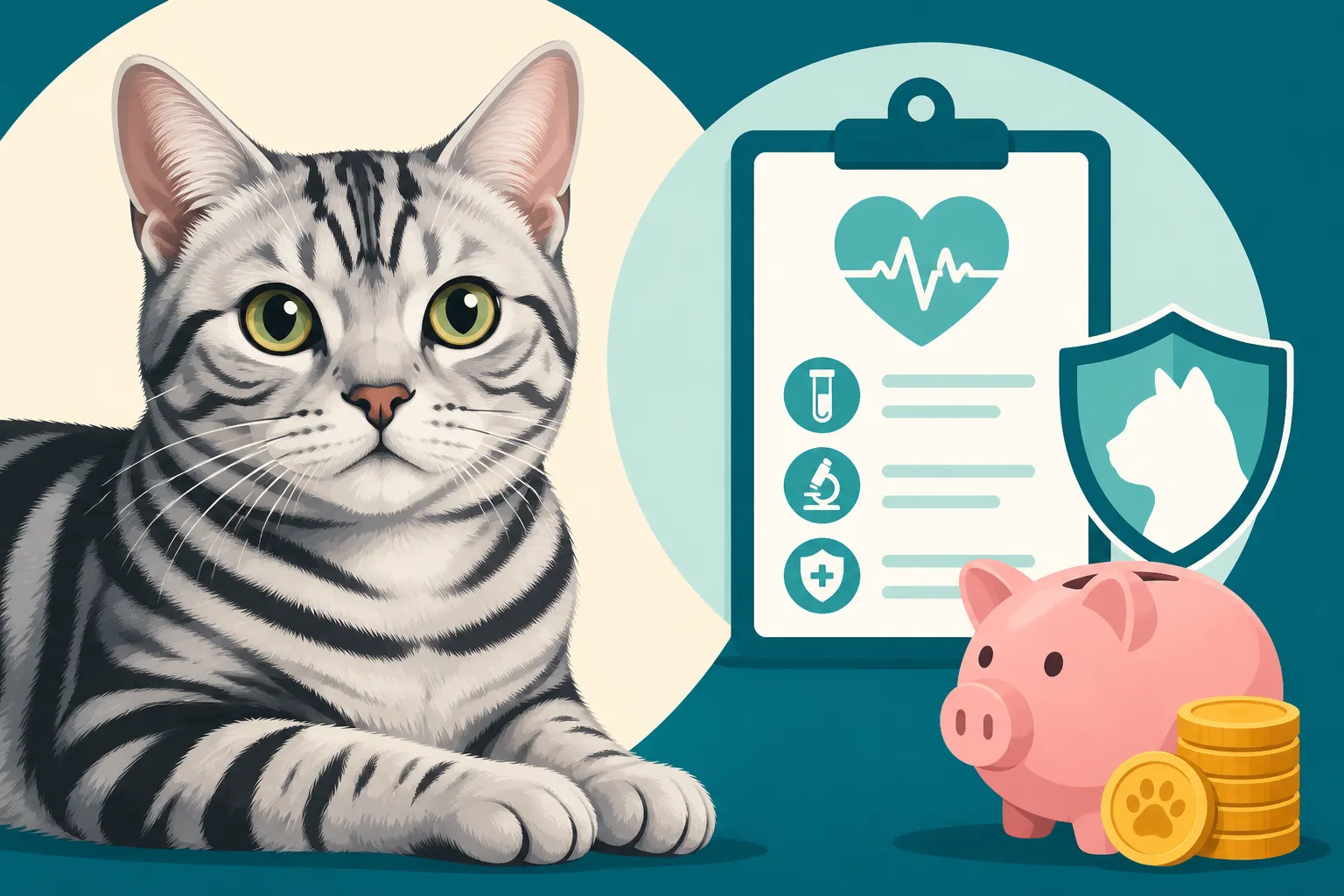
Here’s a breakdown of what a typical senior panel often includes and why each component is vital for your American Shorthair:
- Complete Blood Count (CBC): This looks at red blood cells, white blood cells, and platelets. It can detect anemia, infection, inflammation, and even some types of cancer. For a senior cat, changes here could indicate a slow-bleeding ulcer, a burgeoning infection that their stoic nature has hidden, or even a bone marrow issue.
- Blood Chemistry Profile (or Serum Chemistry): This is a powerhouse of information. It assesses organ function, including the kidneys (BUN, creatinine, phosphorus), liver (ALT, ALP, bilirubin), and pancreas (amylase, lipase). It also checks electrolyte balance, blood sugar (glucose), and protein levels. High blood sugar could signal diabetes, while elevated kidney values point to renal compromise. Which Blood Values Matter Most in an American Shorthair can give you more insight into these specific markers.
- Thyroid Hormone Levels (T4): Hyperthyroidism is incredibly common in older cats and can affect nearly every organ system, leading to weight loss despite a ravenous appetite, hyperactivity, and heart issues. Catching it early allows for management with medication or other treatments before it causes more significant damage.
- Urinalysis: A simple urine sample provides crucial information about kidney function, hydration status, and the presence of infection, inflammation, or crystals that could lead to painful bladder stones. For an aging American Shorthair, particularly males, urinary issues can become a serious, even life-threatening, concern. Why a Female American Shorthair Faces Fewer Urinary Risks highlights the specific vulnerabilities of males in this regard.
- Blood Pressure Measurement: Just like in humans, high blood pressure (hypertension) in cats can lead to serious problems, particularly affecting the kidneys, eyes, heart, and brain. It's often a silent killer and is particularly associated with hyperthyroidism and kidney disease. Regularly checking blood pressure is a non-invasive way to catch this early. How to Spot Hypertension in an Older American Shorthair discusses the importance of this test.
- Fecal Exam: While not strictly part of every "senior panel" bundle, a fecal exam is often recommended to check for intestinal parasites, which can be particularly taxing on an older cat's system.
- Physical Exam: Never underestimate the power of a good hands-on physical exam by your veterinarian. They’re feeling for lumps and bumps, checking teeth and gums, listening to the heart and lungs, and assessing joint mobility. How an Old American Shorthair Shows Its Joints Hurt can sometimes be identified through these careful physical assessments.
This comprehensive approach gives your vet a full picture of your cat's internal health, allowing them to recommend preventative measures or early interventions.
Breaking Down the Costs of an American Shorthair Senior Panel
Now, let's get down to the brass tacks: what does this actually cost? It's a question on every pet parent's mind, and rightly so. Veterinary care is an investment, and understanding the potential expense of a senior panel can help you budget effectively for your beloved American Shorthair's health. It’s important to remember that these are general figures, and actual costs will vary widely depending on many factors.
The Core Components and Their Individual Price Tags
The beauty of a senior panel is that it often bundles several tests together, typically at a slightly lower combined price than if you were to order each test individually. However, understanding the cost of the individual components can help you grasp the overall value.
Here’s a general idea of the costs associated with common senior panel components:
- Veterinary Consultation/Physical Exam: This is almost always the baseline fee. It covers the vet's time, expertise, and the hands-on examination of your cat. Expect this to be a foundational charge before any tests are run.
- Complete Blood Count (CBC): This essential blood test provides information about red and white blood cells and platelets. It's usually one of the more affordable blood tests.
- Blood Chemistry Profile: This is typically a more expensive component as it measures multiple organ functions and electrolyte levels. It's often broken down into basic (fewer parameters) and comprehensive (more parameters) panels, with the comprehensive being more costly.
- Thyroid Hormone (T4) Test: Given the prevalence of hyperthyroidism in senior cats, this is a highly recommended and common addition. The cost is usually moderate.
- Urinalysis: This can range from a basic dipstick and specific gravity check to a full microscopic examination and culture if an infection is suspected. The more in-depth the analysis, the higher the cost.
- Blood Pressure Measurement: This non-invasive test is often included or offered as a separate, relatively low-cost add-on.
When bundled as a "senior panel," these tests usually offer a slight discount compared to ordering them piecemeal. Many clinics offer various tiers of senior panels – perhaps a "basic senior panel" and a "premium senior panel" with additional diagnostics like X-rays or more advanced blood tests. It’s wise to ask your vet what their standard senior panel includes and if there are any optional add-ons they recommend for your particular cat.
Factors That Influence the Overall Bill
The total cost of your American Shorthair's senior panel isn't set in stone. Several variables play a significant role in determining what you'll ultimately pay:
- Geographic Location: Veterinary costs, much like human healthcare costs, vary considerably by region. Clinics in major metropolitan areas often have higher overheads and thus charge more than those in rural or suburban locations. A vet in, say, New York City will likely charge more than a vet in a small town in Iowa.
- Type of Veterinary Practice: A small, independent general practice might have different pricing structures than a large corporate-owned clinic or a specialized veterinary hospital. Emergency veterinary hospitals, while not typically where you'd go for a routine senior panel, would certainly have higher costs if any emergent issues are discovered and require immediate attention there.
- Clinic Amenities and Technology: A clinic with state-of-the-art diagnostic equipment, in-house labs, and a larger staff may charge more to cover these advanced capabilities. While convenient, these services do come at a premium.
- Your Cat's Specific Needs: If your American Shorthair has pre-existing conditions or presents with certain symptoms during the physical exam, your vet might recommend additional diagnostic tests beyond the standard panel. For example, if a heart murmur is detected, an echocardiogram might be suggested, significantly increasing the bill. Why an American Shorthair Still Needs a Yearly Heart Scan and How a Vet Assesses an American Shorthair's Hips are examples of additional specific tests that might be recommended.
- Sedation: Some cats, especially those who are anxious or reactive at the vet, might require mild sedation for blood draws or blood pressure measurement to ensure their comfort and accurate results. This adds to the cost.
It’s always best to call your chosen veterinary clinic beforehand and ask for a detailed estimate for a senior wellness panel for your American Shorthair. Don't be shy about asking what's included and if there are different tiers of service. Transparency is key to managing expectations.
Comparing Costs: Vet Clinic versus Emergency Hospital versus Mobile Vet
Where you take your American Shorthair for their senior panel can also impact the cost significantly.
- Regular Veterinary Clinic: This is where most senior panels are performed. Costs here are generally the most predictable and reasonable for routine preventative care. They have the necessary equipment and staff for comprehensive panels and follow-up.
- Emergency Veterinary Hospital: These facilities are designed for urgent, critical care outside of regular business hours. While they can perform a senior panel, their overheads are much higher due to 24/7 staffing and advanced equipment, making their prices substantially higher. You wouldn't typically go here for a routine panel unless it was a last-minute necessity and your regular vet was unavailable.
- Mobile Veterinarian: Mobile vets come directly to your home, which can be a godsend for anxious cats or owners with transportation challenges. This convenience often comes with a higher service fee than a traditional clinic, though the individual test costs might be similar. For a stoic American Shorthair who might find a clinic visit stressful, a mobile vet could be a worthwhile investment for their comfort, even if it adds a bit to the overall price.
Here’s a simplified comparison to illustrate the general cost shape:
| Service Provider | Convenience/Benefits | Typical Cost Trend for Senior Panel |
|---|---|---|
| Regular Vet Clinic | Standard, comprehensive care, established relationship | Moderate to High |
| Emergency Vet Hospital | 24/7 immediate care, advanced facilities | Very High (for routine care) |
| Mobile Veterinarian | In-home service, reduced stress for anxious cats | Moderate to High (with convenience fee) |
Remember, this table is about the trend in cost; the exact numbers will still depend on all the factors mentioned above.
Making Senior American Shorthair Care Affordable
The thought of accumulating vet bills for a senior cat can be daunting, but there are definitely strategies you can employ to make it more manageable. Proactive planning can prevent financial stress down the line and ensure your American Shorthair gets the care they deserve.
Understanding Pet Insurance and Senior Care
Pet insurance can be a game-changer, especially for senior cats, but it's crucial to understand how it works. Providers like Healthy Paws offer various plans that can help reimburse you for a significant portion of unexpected vet bills, from accidents and illnesses to surgeries and diagnostic tests. The key is often to enroll your cat when they're younger and healthier. If you wait until your American Shorthair is already showing signs of a chronic condition, that condition will likely be considered "pre-existing" and excluded from coverage. This is a common frustration for many pet parents who only think of insurance when problems start.
A senior panel itself might or might not be covered, depending on whether your plan includes "wellness" or "preventative" care add-ons. Most standard accident and illness plans focus on unexpected medical events. However, if the senior panel uncovers an illness (like kidney disease or hyperthyroidism), the subsequent diagnostic tests, medications, and treatments for that newly diagnosed condition would typically be covered, provided it wasn't pre-existing before your policy started. It's a complex landscape, so reading the fine print is essential. Whether Insurers Price the American Shorthair Low is a relevant consideration when looking into policies.
Creating a Dedicated "Senior Cat Fund"
Even with pet insurance, it's wise to have a dedicated savings fund specifically for your American Shorthair's healthcare. This "Senior Cat Fund" acts as a buffer for deductibles, co-pays, and services not covered by insurance, such as those routine wellness components or experimental treatments. Start saving a small amount regularly when your cat is younger. Even $20-$30 a month put aside into a separate account can accumulate into a substantial sum over a decade.
This fund can also cover costs like specialized senior diets, supplements, or environmental modifications (like heated beds or ramps) that enhance their quality of life but aren't typically covered by insurance. Imagine the peace of mind knowing you have a few thousand dollars set aside specifically for your beloved feline's health needs as they age. It reduces the agony of making tough financial decisions during an emotional time. Whether an American Shorthair Owner Should Keep a Vet Fund is a question many consider.
Discount Programs, Payment Plans, and Financial Aid
If you find yourself facing a large vet bill that's unexpected and uninsured, don't panic. There are resources available.
- Veterinary Clinic Payment Plans: Many veterinary clinics understand that pet care can be expensive and offer their own in-house payment plans or work with third-party financing options. These allow you to pay off a large bill over several months, often with low or no interest if paid within a certain timeframe.
- Discount Programs: Some clinics offer loyalty programs or discounts for multiple pets. Additionally, certain organizations might provide discounts for senior citizens or those on fixed incomes. It never hurts to ask your vet's office what options they have.
- Financial Aid and Charity Organizations: Several national and local organizations are dedicated to helping pet owners afford veterinary care. These often have specific criteria based on income or the type of illness. Examples include The Pet Fund, RedRover, and various breed-specific rescues or humane societies. While they might not cover a routine senior panel, they can be a lifeline if that panel uncovers a serious, expensive condition.
- Medication Savings: Once a condition is diagnosed and requires ongoing medication, look into prescription savings. Online pharmacies like Chewy often offer competitive pricing and convenient home delivery for maintenance medications, potentially saving you a significant amount over buying directly from your vet.
Being prepared and knowing your options can significantly alleviate the financial burden of senior pet care.
Beyond the Panel: Ongoing Care Costs for Your Senior American Shorthair
A senior panel is a snapshot, a crucial starting point. But if it reveals something, it's just the beginning of a journey. The costs don't necessarily end with the panel itself; they can ripple out into follow-up diagnostics, long-term medication, and adjustments to daily life. This is the reality of caring for an aging American Shorthair.
The Ripple Effect: Follow-Up Tests and Medications
Let's say your American Shorthair's senior panel comes back with elevated kidney values. That's fantastic that you caught it early, but now your vet will likely recommend further diagnostics to determine the exact stage and extent of the kidney disease. This could include more specialized blood tests, repeat urinalysis, abdominal ultrasound, or even specific urine protein tests. Each of these carries its own cost.
Once a diagnosis is confirmed, managing a chronic condition often involves lifelong medication. For hyperthyroidism, this might be daily pills or a special diet. For kidney disease, it could be prescription food, phosphate binders, or fluid therapy. These medications are an ongoing expense. What an Aging American Shorthair's Medication Bill Reaches can be significant over time. While some conditions might be managed with relatively inexpensive generics, others require specific formulations that can add up. Again, online pet pharmacies like Chewy can be a great resource for competitive pricing on these ongoing prescriptions. You'll also likely need regular recheck appointments and blood tests to monitor the condition and adjust medication doses, which means more vet visits and more lab fees.
Nutritional Support and Lifestyle Adjustments
Beyond medication, many senior American Shorthairs benefit immensely from specialized diets. If kidney disease is diagnosed, your vet might prescribe a renal-supportive diet. If your cat is diabetic, a low-carb diet might be necessary. These prescription diets, while designed to improve health, can often be more expensive than regular cat food. Some retailers and fresh food services might offer veterinary-approved options, but always consult your vet before switching to a therapeutic diet. Which Prescription Diet an American Shorthair Ends Up On should always be vet-recommended.
Lifestyle adjustments also come with costs. Arthritis, for example, might mean needing orthopedic beds, ramps to help them access favorite spots, or even joint supplements. Investing in things like a heated bed can bring immense comfort to aching joints. When a Stiff American Shorthair Needs Joint Support can be a daily consideration. You might need to add more litter boxes, or switch to low-sided ones if mobility becomes an issue. While not always direct medical costs, these items contribute to your overall financial outlay for their comfort and well-being.
The Long-Term Financial Commitment
Caring for an American Shorthair in their senior years is truly a long-term financial commitment, but it’s one that repays itself in years of companionship and purrs. The purchase price of a kitten often pales in comparison to the total cost of ownership over their full lifespan, especially as they enter their golden years. Twenty Years of an American Shorthair, Priced Out makes this reality very clear.
The senior panel is a brilliant first step in ensuring they stay as healthy and comfortable as possible. By being informed, preparing financially, and working closely with your veterinarian, you can navigate the challenges of senior cat care with confidence, allowing you both to enjoy those precious twilight years together without undue stress. Remember, every dollar spent on their health is an investment in their happiness and your peace of mind. Caring for an American Shorthair Past Twelve is a journey, and the senior panel is a vital checkpoint along the way.
Disclaimer
This article is for general informational purposes only and does not constitute professional advice. Laws, prices and regulations vary by location and change over time. Consult a qualified professional for guidance on your specific situation.