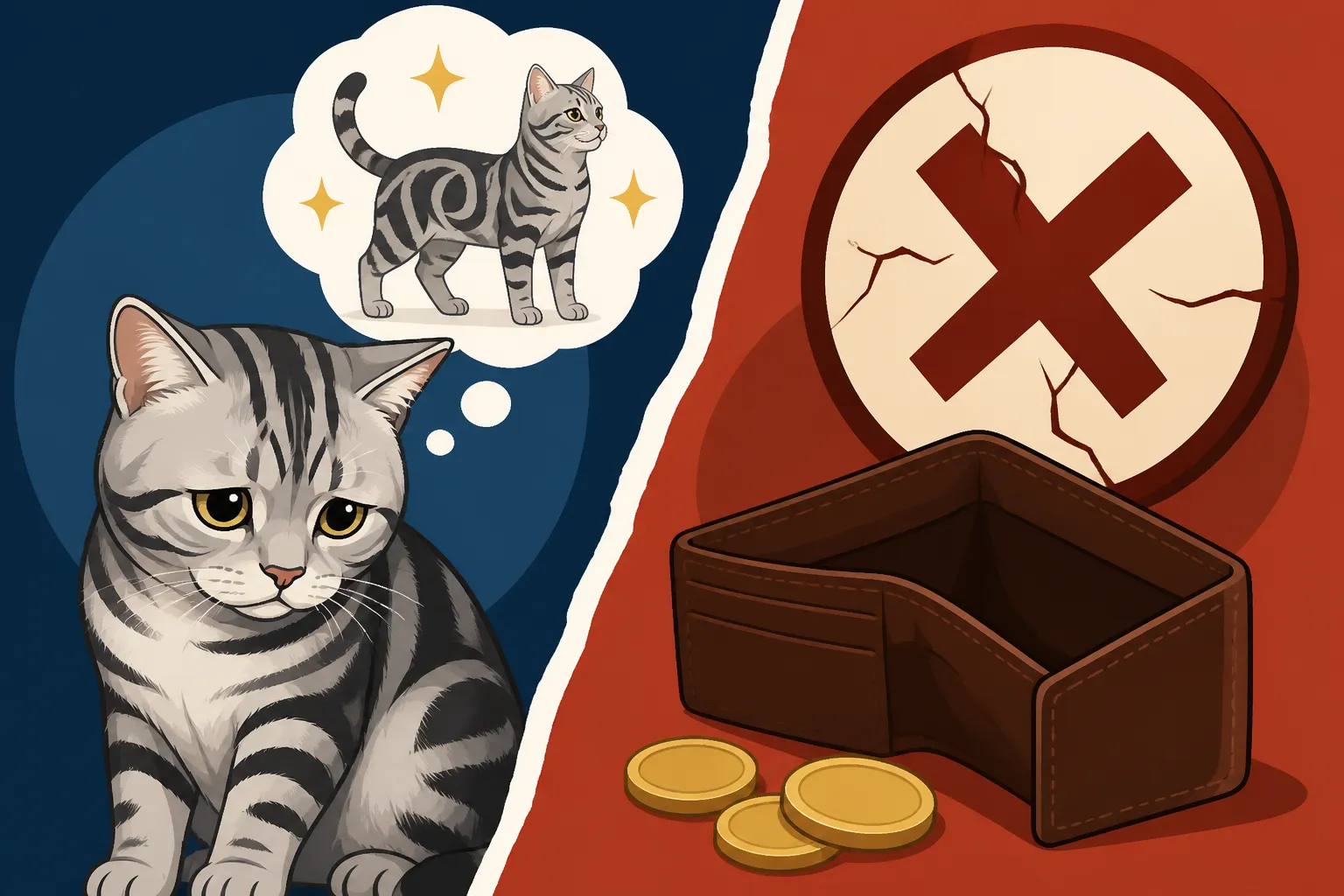
What an American Shorthair Costs When the Markings Miss
It's incredibly frustrating when you fall in love with a specific cat breed, like the sturdy, affectionate American Shorthair, only to start looking at prices and discover a huge range. You might see two kittens that look almost identical, both boasting a proud pedigree, yet one costs significantly less. Often, the reason for this price disparity comes down to something seemingly minor: "missed markings." This guide will help you understand what those missed markings are, how they influence the price of a purebred American Shorthair, and why a cat with less-than-perfect patterns can still be the perfect addition to your home.
Understanding the American Shorthair Standard and Markings
Before we dive into why some markings are considered "missed," it helps to understand what the breed standard actually calls for. The American Shorthair has a long, illustrious history as a working cat, originally valued for its robust health and formidable mousing skills rather than its precise aesthetics. However, once breeders began to formally recognize and show them, a standard was developed to define the ideal American Shorthair.
The Ideal American Shorthair Pattern and Color
The breed standard for the American Shorthair describes a cat of medium to large size, powerful and well-muscled, with a well-rounded face and prominent cheekbones. When it comes to coat, the American Shorthair boasts a dense, hard coat that serves as excellent protection from the elements. But it's the patterns and colors that often catch people's eye and become a point of careful judgment. While American Shorthairs come in a dizzying array of colors and patterns, the tabby patterns are perhaps the most iconic, especially the classic silver tabby.
The "Classic Tabby" pattern, often called a blotched tabby, is characterized by distinct, swirling patterns on the sides of the body, resembling a target or bullseye. On the forehead, there's a clear "M" marking, and "necklaces" of stripes are typically visible around the neck and chest. The "Mackerel Tabby" pattern, on the other hand, features narrow, parallel stripes running down the sides of the body, much like a fish skeleton. Both patterns require clarity and good contrast, meaning the stripes or swirls should be sharply defined against the background color. Beyond these intricate patterns, the American Shorthair comes in solid colors, bicolors, smokes, and more, each with its own specific criteria. For instance, the renowned Silver Tabby, often considered the face of the breed, demands a brilliant, clear silver background with dense, black markings. You can learn more about What a Classic Tabby American Shorthair Is to appreciate the specific details breeders strive for.
What "Missing" Markings Actually Mean
When we talk about "missing" or "incorrect" markings, it's crucial to understand that we're not talking about a health defect or any flaw that would impact the cat's well-being or longevity. Instead, these are purely cosmetic deviations from the specific, detailed requirements of the breed standard set forth by cat registries like the CFA (Cat Fanciers' Association). Think of it like a minor aesthetic imperfection on a piece of art; it doesn't make the art any less beautiful or functional, but it might mean it won't win first prize in a competition.
For an American Shorthair, "missed markings" could manifest in several ways. Perhaps a classic tabby's swirls aren't perfectly symmetrical, or the "bullseye" on its side isn't quite closed. A mackerel tabby might have stripes that are slightly broken or fade in certain areas instead of being continuous and sharp. Sometimes, the contrast between the pattern and the ground color isn't as distinct as the standard demands, making the markings appear blurry. Other examples include an incorrect number of "necklace" stripes, a less-than-perfect "M" on the forehead, or even an eye color that isn't considered ideal for that particular coat pattern. For example, a pure silver tabby is ideally judged with green eyes, so a silver tabby with gold eyes, while still stunning, might be considered "pet quality" for show purposes. These variations are simply genetic quirks that make each cat unique, but they mean that the cat wouldn't excel in the competitive show ring, where every detail is meticulously judged.
How "Missed Markings" Affect an American Shorthair's Price
The presence of these minor cosmetic variations directly impacts how a reputable breeder prices an American Shorthair kitten. It's not about devaluing the cat as a companion, but rather reflecting its potential (or lack thereof) in the show and breeding world.
The Tiered Pricing System in Reputable Breeding
Reputable American Shorthair breeders typically operate on a tiered pricing system that reflects a kitten's potential in relation to the breed standard. This system isn't unique to American Shorthairs; it's a common practice across many purebred animal communities. Generally, kittens are categorized into three main tiers:
- Show Quality: These are the kittens that adhere most closely to the breed standard in every measurable way – conformation, coat quality, color, and, critically, markings. They are considered to have the potential to compete and win in cat shows, often carrying forward championship bloodlines. These kittens command the highest prices.
- Breeder Quality: These kittens also meet the standard very well, often possessing excellent health and temperament, and could contribute positively to a breeding program. They might have a minor deviation that would prevent them from being a top show contender, but are still ideal for expanding a healthy gene pool. Their price is usually just below show quality.
- Pet Quality: This is where kittens with "missed markings" usually fall. These are healthy, well-socialized kittens that embody the wonderful temperament and physical robustness of the American Shorthair breed, but have one or more cosmetic traits that deviate from the strict show standard. This might be a pattern that isn't quite clear, a color that's a shade off, or other minor aesthetic variations. They are destined to be cherished family companions, not show winners or breeding stock.
It's important to understand that regardless of the tier, a reputable breeder has invested the same amount of care, health screening, and early socialization into every kitten. The price difference solely reflects the cat's alignment with subjective breed aesthetics. This explains Why American Shorthair Prices Range So Widely across breeders and even within the same litter.
Why Pet Quality American Shorthairs Cost Less
The primary reason a pet-quality American Shorthair with "missed markings" costs less is that it lacks the competitive advantage in the show ring or the specific genetic markers for perpetuating the exact visual standard in future generations. Breeders pour immense resources into their lines: genetic health testing for diseases like HCM (Hypertrophic Cardiomyopathy), maintaining optimal nutrition for their breeding cats, attending shows, and carefully selecting pairings to produce kittens that meet the breed ideal. The cost of a show-quality kitten reflects not just the kitten itself, but years of this dedicated effort and the potential for the kitten to carry on that legacy.
A pet-quality kitten, while still a purebred American Shorthair with all the health and temperament benefits that come with a well-bred cat, doesn't have that "show potential." This doesn't mean it's a "lesser" cat; it simply means its market value for specific purposes (showing or breeding) is lower. For an owner simply seeking a loving, healthy companion, this can actually be a fantastic opportunity. You get all the wonderful qualities of the American Shorthair – their calm demeanor, intelligence, and affectionate nature – at a more accessible price point. Reputable breeders typically require pet-quality kittens to be spayed or neutered before going to their new homes, or they will include a clause in the contract requiring the new owner to do so by a certain age. This practice ensures that only cats closely meeting the breed standard are used in future breeding programs, helping to maintain the integrity of the breed.
Pet vs. Show Quality: The Price Difference
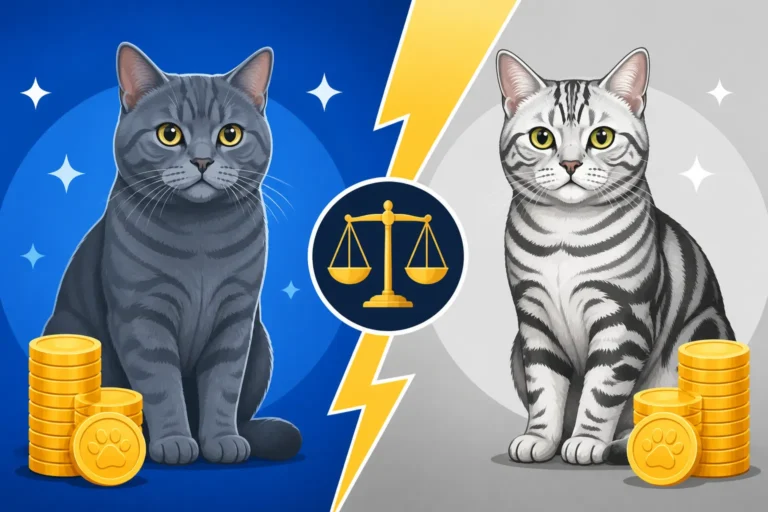
The disparity in pricing between a pet-quality American Shorthair and a show-quality one can be quite significant. This difference isn't arbitrary; it reflects the varying levels of investment, potential, and rarity associated with each category.
The Investment in Show Potential
When a breeder labels a kitten "show quality," they are identifying a cat that embodies the breed standard almost perfectly. This isn't an accident. It's the culmination of generations of careful breeding, health screening, and an eye for specific traits. Breeders attend cat shows, consult with judges and other breeders, and invest considerable time and money to ensure their breeding cats not only meet the standard but also produce kittens that have the best chance of doing the same. This includes extensive health testing for both parents, such as yearly echocardiograms to screen for HCM, a serious inherited heart condition, even though American Shorthairs are generally healthy. You can understand why Why an American Shorthair Still Needs a Yearly Heart Scan is so critical for breeding animals.
A show-quality kitten carries the weight of this entire investment. It has the correct head shape, ear set, eye color, body conformation, and, of course, impeccable coat color and markings. For example, a perfectly patterned silver tabby American Shorthair, with its clear, dense black markings on a brilliant silver ground, is the result of focused breeding efforts. These kittens are priced to reflect their potential to win titles, generate prestige for the cattery, and contribute to the breed's future. The cost for What a Championship Bloodline American Shorthair Costs can be substantially higher than a pet-quality kitten from the same litter. Buyers of show-quality cats are often other breeders or serious exhibitors willing to pay for that potential and pedigree.
The Value Proposition of a Pet-Quality American Shorthair
For the vast majority of people looking to welcome an American Shorthair into their home, the "pet quality" designation offers an incredible value proposition. You are essentially getting a purebred American Shorthair with all the desirable characteristics that make the breed so beloved, without paying a premium for show ring perfection. These cats are still very much American Shorthairs. They possess the sturdy build, easygoing temperament, intelligence, and generally robust health that the breed is known for.
The minor cosmetic "flaws" that prevent them from being show quality – a slightly less defined swirl, a touch of white where it shouldn't be, or a less intense eye color – have absolutely no impact on their ability to be a loving, playful, and healthy family member. In fact, many owners find these unique quirks charming and part of their cat's individual personality. What an American Shorthair pedigree guarantees isn't just a look, it's also a predictable temperament and a generally good health outlook. These pet-quality cats will typically be well-socialized by the breeder, accustomed to human interaction, and ready to adapt to a family home. You're paying for a healthy, well-adjusted companion with a known lineage and predictable traits, not for ribbons or breeding potential.
To help visualize the distinctions, here's a table outlining the key differences:
| Feature | Pet Quality American Shorthair | Show Quality American Shorthair |
|---|---|---|
| Price | Generally lower (e.g., in the lower range of breed prices) | Significantly higher (reflects breeding investment and potential) |
| Markings/Coat | Minor deviations from breed standard (e.g., blurry patterns, imperfect colors, small white spots) | Meets breed standard perfectly; clear, distinct, correct |
| Purpose | Loving family companion | Competition in cat shows, potential future breeding |
| Health | Excellent, from health-tested parents | Excellent, from extensively health-tested parents |
| Temperament | Typical American Shorthair: calm, affectionate, adaptable | Typical American Shorthair: calm, affectionate, adaptable; must handle show environment |
| Breeding Potential | None (sold with spay/neuter contract) | Full (may be sold intact to approved breeders) |
| Papers | Usually comes with registration papers (pet limited) | Full registration papers, often with breeding rights |
Beyond the Purchase Price: Long-Term Costs for a Pet-Quality American Shorthair
While the initial purchase price of an American Shorthair with "missed markings" might be lower, it's crucial to remember that this is just one piece of the financial puzzle. Owning any cat, purebred or not, comes with ongoing expenses that need to be budgeted for over their potentially long lifespan. The good news is that American Shorthairs are generally robust and low-maintenance, which helps keep recurring costs manageable.
Initial Setup and Recurring Needs
Bringing a new American Shorthair kitten or adult cat home requires an initial investment in essential supplies. You'll need food and water bowls, a comfortable bed, a litter box (or several, if you have a larger home), and litter. For food, remember that American Shorthairs are sturdy and can be prone to weight gain if their diet isn't managed carefully, so a high-quality, protein-rich food is important. Many owners find great success with a variety of options, from premium kibble and wet food to fresh food that can offer tailored nutrition. It's good to consider What Feeding an American Shorthair by Portion Costs a Month to budget for this.
Beyond the basics, think about enrichment. Scratching posts are a must to protect your furniture – invest in a sturdy one your American Shorthair will actually use. Toys are also essential for satisfying their natural prey drive and keeping them entertained. Don't forget their initial veterinary check-up, vaccinations, and microchipping if not already done by the breeder. Even if your kitten came with its first rounds, booster shots will be necessary. These upfront costs, while not tied to the cat's markings, are fundamental for a happy and healthy start.
Healthcare Costs Over a Lifetime
American Shorthairs are renowned for their generally excellent health, often living 15 to 20 years. This longevity, while wonderful, means you'll be responsible for their healthcare for a significant period. Regular veterinary check-ups are paramount, typically once a year for adult cats and more frequently for kittens and seniors. These visits include vaccinations, parasite prevention (fleas, ticks, worms), and a general health assessment.
While the breed is healthy, no cat is immune to illness or injury. Unexpected vet visits for things like minor scrapes, ear infections, or more serious conditions can arise. One area often overlooked until problems start is dental care. Even in a hardy breed like the American Shorthair, gum disease can creep up silently and cause significant issues if not addressed. Understanding Why Gum Disease Is the American Shorthair's Quietest Problem can help you be proactive. As your American Shorthair ages, they may develop common senior ailments like arthritis, kidney disease, or hyperthyroidism, which require ongoing medication and veterinary care. To help mitigate the financial impact of these potential health issues, many owners opt for pet insurance from providers like Healthy Paws. Insurance can provide peace of mind and help cover a significant portion of unexpected veterinary bills, allowing you to focus on your cat's recovery rather than the cost. Caring for an American Shorthair past twelve, for instance, often involves increased vet visits and specialized diets. While American Shorthairs are often How Much Less an American Shorthair Owner Spends at the Vet compared to some other breeds, ongoing care is still a significant commitment.
Enrichment and Lifestyle Expenses
Providing a stimulating environment for your American Shorthair is crucial for their mental and physical well-being, and these costs are entirely separate from their markings. American Shorthairs are intelligent and active cats, despite their calm demeanor. They benefit immensely from vertical spaces, like sturdy cat trees or shelves, where they can climb and observe their territory from a high vantage point. Puzzle feeders are excellent for engaging their minds and slowing down mealtime, tapping into their natural hunting instincts. If you're wondering Whether a Puzzle Feeder Satisfies an American Shorthair, the answer is often yes, as it mimics the "work" they used to do for food.
Grooming needs for an American Shorthair are minimal thanks to their short, dense coat, but a good quality comb or brush can help manage seasonal shedding. The One Grooming Tool an American Shorthair Owner Buys is usually just a simple comb. If you travel frequently, you'll need to factor in the cost of a pet sitter or boarding facility. Even though American Shorthairs are quite independent, they still thrive on routine and companionship. These lifestyle expenses contribute to a happy, healthy cat, regardless of whether their tabby markings are perfectly aligned.
Finding a Healthy, Well-Adjusted American Shorthair (Even with "Missed Markings")
So, you've decided a pet-quality American Shorthair is right for you, understanding that minor cosmetic variations don't diminish their worth as a companion. The next step is finding the right cat, and that means finding the right source. Just because a kitten has "missed markings" doesn't mean you should compromise on health or ethical breeding practices.
What to Look for in a Reputable Breeder
Finding a reputable breeder is absolutely paramount, regardless of whether you're seeking a show-quality or pet-quality American Shorthair. A good breeder prioritizes the health and temperament of their cats above all else. They will be transparent about their breeding practices, openly discuss any "missed markings" and why a kitten is designated as pet quality, and never make you feel like you're getting a "lesser" animal. A reputable breeder's kittens come from parents who have undergone appropriate health screenings, especially for conditions that can affect the breed, such as hypertrophic cardiomyopathy (HCM). They should be able to provide documentation of these health results. Knowing Which Health Results an American Shorthair Breeder Must Show is crucial for your peace of mind.
Beyond health, look for a breeder who emphasizes early socialization. Kittens should be raised in a clean, stimulating home environment, handled regularly, and exposed to various sights and sounds. They should be outgoing, curious, and comfortable with human interaction. A good breeder will also provide a written contract, health guarantee, and ensure kittens are age-appropriately vaccinated and dewormed before leaving for their new homes. Don't be afraid to ask for references or to visit their cattery if possible. This upfront diligence is key to ensuring you bring home a healthy, well-adjusted companion. It's worth learning How to Find an American Shorthair Breeder Worth Paying For to avoid common pitfalls.
Asking the Right Questions and Viewing Kittens
When you've found a breeder, preparing a list of questions can help you make an informed decision. Don't hesitate to ask about the health history of both the parents and previous litters. Inquire about their vaccination schedule, deworming protocols, and what kind of food the kittens are eating. Specifically, for a pet-quality kitten, ask the breeder to point out the specific "missed markings" they identified and explain why that particular kitten is priced as pet quality. A good breeder will be happy to educate you and will never shy away from these conversations.
When you go to view the kittens, observe their behavior. Are they playful and active? Do they approach you with curiosity, or do they cower? Look for clear eyes, clean ears, and a healthy coat. While a kitten might be boisterous, excessive fear or aggression could be red flags. A reputable breeder will provide you with detailed health records for your kitten, including dates of vaccinations and deworming. This paperwork is vital and should include proof that Whether an American Shorthair Kitten Arrives With Health Paperwork with you. Remember, a breeder's willingness to answer your questions and provide documentation is a sign of their commitment to their cats and the breed.
Adopting a Rescued American Shorthair
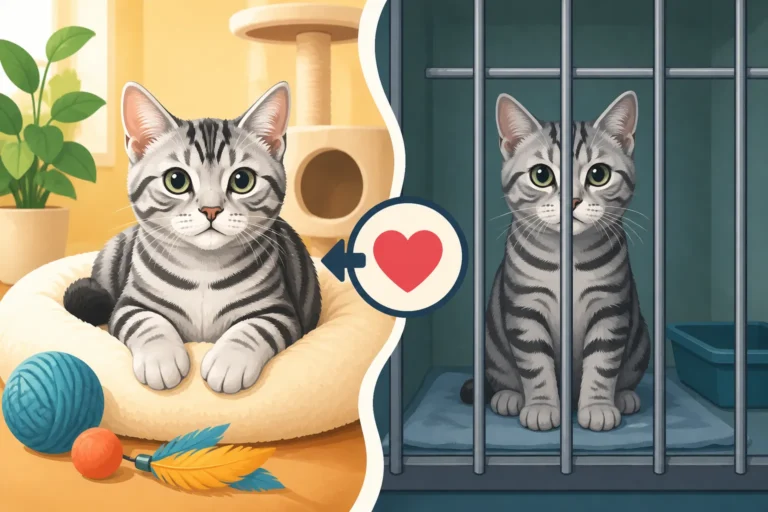
Another fantastic avenue for finding an American Shorthair, particularly one that might technically have "missed markings" if judged by show standards, is through adoption. While dedicated American Shorthair rescues exist, you might also find purebred American Shorthairs or American Shorthair types in general animal shelters or breed-specific rescue organizations. These cats often end up in rescue through no fault of their own, perhaps due to owner circumstances or simply because they were not considered "show quality" by a previous owner.
Adopting from a shelter or rescue organization typically comes with many benefits. The adoption fees are usually significantly lower than purchasing from a breeder, and these fees often include spay/neuter, initial vaccinations, and microchipping – which are substantial savings. Rescues often have a good understanding of their cats' personalities and can help match you with a feline that fits your lifestyle. While you might not get a detailed pedigree, you'll be giving a loving home to a deserving cat, and you'll still get all the wonderful American Shorthair traits, even if their markings aren't "perfect." Consider learning more about Adopting an American Shorthair From a Shelter if this path appeals to you.
Ultimately, whether you choose a pet-quality kitten from a reputable breeder or adopt a rescue, what truly matters is finding a healthy, well-socialized companion whose personality shines through, regardless of whether its stripes are perfectly straight or its swirls are perfectly symmetrical. The joy an American Shorthair brings to your home far outweighs any minor aesthetic detail.
Disclaimer
This article is for general informational purposes only and does not constitute professional advice. Laws, prices and regulations vary by location and change over time. Consult a qualified professional for guidance on your specific situation.