Whether Insurance Pays for an American Shorthair’s Echo
It's an utterly sickening feeling when your vet recommends an echocardiogram for your beloved American Shorthair. Your mind immediately jumps to two things: "Is my cat okay?" and then, almost instantly, "How much is this going to cost, and will my pet insurance actually cover it?" It’s a very real and valid concern for any pet parent, especially when dealing with advanced diagnostics. This guide is here to walk you through the labyrinth of pet insurance coverage for an American Shorthair's echocardiogram, helping you understand what to expect and how to navigate your policy.
Understanding Why Your American Shorthair Might Need an Echocardiogram
Before we even dive into the insurance side of things, it’s important to understand why your vet might recommend an echocardiogram (often just called an "echo") for your American Shorthair. It's not a casual recommendation; it's usually because they suspect an underlying heart condition.
Common Heart Concerns in American Shorthairs
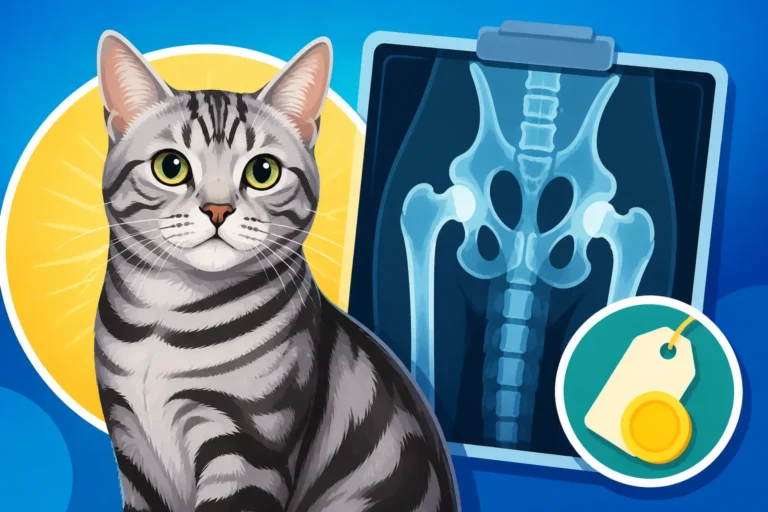
While American Shorthairs are celebrated for their robust health and generally long lifespans, they aren't entirely immune to health issues. One of the more significant concerns, albeit less common than in some other breeds, is Hypertrophic Cardiomyopathy (HCM). This is a disease that causes the muscular walls of a cat's heart to thicken, making it harder for the heart to pump blood effectively. It’s a silent killer in many cases, progressing unnoticed until it reaches a critical stage.
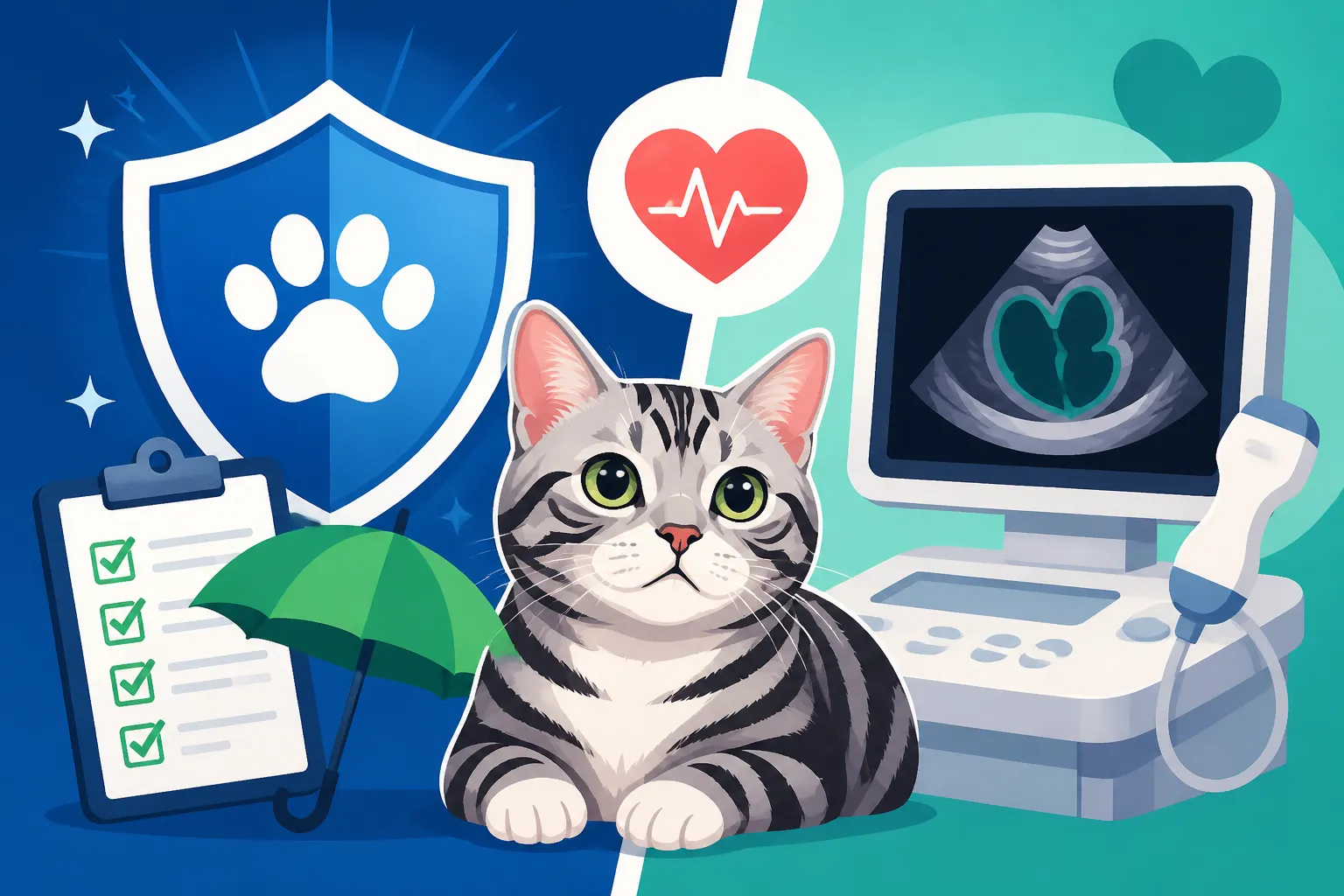
Your vet might hear a heart murmur during a routine check-up, or your cat might show subtle signs like lethargy, changes in breathing, or a decreased appetite. While these symptoms can be indicative of many things, a murmur is often a red flag that points directly to the heart. An echo is the gold standard for diagnosing HCM because it allows the veterinary cardiologist to see the heart's structure and function in real-time. It's a non-invasive ultrasound of the heart, providing crucial information that other tests simply cannot. HCM Is the One Inherited Disease the American Shorthair Kept is a resource you might find helpful for more context.
The Importance of Early Diagnosis
Early detection of heart conditions like HCM in your American Shorthair can be incredibly important for managing the disease and improving your cat's quality of life. Without an echo, many heart conditions go undiagnosed until they are severe, at which point treatment options may be limited or less effective. A proper diagnosis allows your vet to prescribe medications that can help manage symptoms, slow the progression of the disease, and prevent complications like blood clots or congestive heart failure.
This proactive approach means more comfortable years for your cat. Even if the diagnosis is serious, knowing what you're dealing with empowers you to make informed decisions about care and to support your American Shorthair through their journey. This is why when your vet mentions an echo, it’s a serious conversation, not one to be brushed aside due to potential cost worries. After all, your American Shorthair deserves the best chance at a long, happy life. Many breeders will advocate for regular heart scans, as detailed in Why an American Shorthair Still Needs a Yearly Heart Scan.
How Pet Insurance Typically Handles Diagnostic Procedures
Now, let's tackle the big question: will your pet insurance pay for that echo? The short answer is, it depends heavily on your specific policy and when the condition was first noted. Pet insurance isn't a one-size-fits-all solution, and understanding its basic mechanics is key.
Understanding Deductibles, Co-pays, and Reimbursement Rates
When it comes to diagnostic procedures like an echocardiogram, pet insurance policies generally operate similarly to human health insurance. You’ll usually have a deductible, which is the amount you have to pay out-of-pocket before your insurance coverage kicks in. For example, if your deductible is $250, you pay the first $250 of vet bills, and then your insurance starts to reimburse you.
After the deductible is met, your policy will have a reimbursement rate, often 70%, 80%, or even 90%. This means the insurance company will pay that percentage of the covered costs, and you’ll be responsible for the remaining co-pay. So, if your echo costs $500, and you have an $80 deductible and an 80% reimbursement rate, you'd pay the $80 deductible first, then 20% of the remaining $420 ($84), meaning the insurance would cover $336. The total out-of-pocket for you would be $80 + $84 = $164. It’s a lot to keep track of, but knowing these figures for your own policy is crucial.
The Crucial Role of Pre-Existing Conditions
Here's where it gets really tricky and is often the biggest hurdle for echo coverage: pre-existing conditions. Almost all pet insurance providers will not cover conditions that showed signs or symptoms before your policy's start date or during its waiting period. This is not to be confused with a formal diagnosis; even vague symptoms like coughing or lethargy noted in your cat's vet records before you bought the policy could be flagged as a pre-existing condition, leading to a denial of coverage for the echo or subsequent treatment.
If your American Shorthair had a heart murmur documented by a vet before you enrolled in insurance, or before your policy's cardiac waiting period expired, the echo and any related treatment for a heart condition would likely be considered pre-existing and therefore excluded. This is why it’s so vital to get pet insurance for your American Shorthair when they are young and healthy, before any medical issues arise. Some companies like Healthy Paws are well-regarded for their comprehensive accident and illness plans, but even they have strict rules regarding pre-existing conditions.
Navigating Your Policy: What to Look For Regarding Echo Coverage
So, you've got your policy in hand. What specific details should you be scrutinizing to understand if your American Shorthair's echocardiogram will be covered? It's all about the fine print and knowing the right questions to ask.
Policy Terms and Exclusions
First and foremost, pull out your policy document and read through the "Exclusions" section carefully. This part of your policy will list everything that isn't covered. Look for specific mentions of cardiac conditions, congenital defects (which HCM often is, though it may not manifest until later in life), or genetic diseases. While the American Shorthair is known for its general health, HCM can be genetically influenced. It's worth noting that Which Diseases the American Shorthair Actually Carries might offer more insight into common conditions.
You'll also want to check for any specific waiting periods related to orthopedic or cardiac conditions. Standard waiting periods for accidents are typically a few days, and for illnesses, it's often 14 days. However, some policies have extended waiting periods for specific conditions, sometimes up to 6 months or even a year for things like patellar luxation or hip dysplasia. Make sure you understand these, as an echo performed during such a waiting period would not be covered.
Accident & Illness vs. Accident-Only Plans
It might sound obvious, but ensure your American Shorthair is covered by an "accident and illness" policy, not just an "accident-only" plan. An echo, being a diagnostic tool for an illness (a suspected heart condition), would never be covered by an accident-only policy, which is designed solely for injuries like a broken bone or a cut. While accident-only plans are cheaper, they offer very limited protection against the kinds of medical issues an echo addresses.
A comprehensive accident and illness policy will typically cover diagnostic tests, veterinary exams, specialist visits, surgery, hospitalization, and medication for unexpected illnesses. However, even within these plans, the specifics of what's considered "illness" and what might fall under a "pre-existing" or "excluded" category can vary wildly. Don't assume; verify.
Annual Limits and Riders
Another important aspect to check is your policy's annual limit. This is the maximum amount your insurance company will pay out in a policy year. Diagnostic tests, specialist consultations, and ongoing medications for a chronic condition like HCM can quickly add up, so a higher annual limit offers greater peace of financial security. Some policies offer unlimited annual benefits, which can be a huge relief if your American Shorthair requires extensive or long-term care.
Some policies also offer optional "riders" that you can add for an extra cost. These might include coverage for wellness and preventative care, which typically wouldn't include an echo but could cover annual exams where a murmur might first be detected. Some specialized riders might exist for genetic conditions or specific diseases, but these are less common for basic plans. Always ask about the full scope of coverage and what additional options might be available to you.
| Feature | Description | Impact on Echo Coverage (Hypothetical) |
|---|---|---|
| Deductible | Amount paid out-of-pocket before insurance starts. | You pay this first, then reimbursement begins. |
| Reimbursement | Percentage of covered costs the insurance pays after deductible. | Higher percentage means less out-of-pocket for you on the echo bill. |
| Annual Limit | Maximum amount insurer pays in a year. | Crucial if echo leads to expensive long-term treatment. |
| Waiting Period | Time before coverage for certain conditions begins. | Echo performed during this period for illness is not covered. |
| Pre-Existing | Conditions showing symptoms before policy start/waiting period. | Major exclusion: Echo for pre-existing heart condition will likely be denied. |
| Plan Type | Accident-only vs. Accident & Illness. | Accident & Illness required for echo coverage; accident-only will not cover. |
| Exclusions | Specific conditions or treatments explicitly not covered by the policy. | Check for cardiac, congenital, or genetic disease exclusions. |
Steps to Take When an Echo is Recommended
When your vet recommends an echo for your American Shorthair, here’s a sensible approach to ensure you understand your coverage:
- Contact Your Provider IMMEDIATELY: This is the most important step. Don't wait until after the procedure. Call your pet insurance company directly. Provide them with the exact reason for the echo (e.g., "vet heard a new heart murmur," "cat showing signs of lethargy").
- Verify Coverage: Ask explicitly if an echocardiogram is covered under your plan. Inquire about your deductible, reimbursement rate, and any remaining annual limits.
- Address Pre-Existing Concerns: Be upfront. Ask how they determine pre-existing conditions and if any prior vet records (even seemingly minor notes about your cat's health) could affect coverage for the echo or a future heart disease diagnosis. This is where you might get uncomfortable answers, but it's better to know now than later.
- Get it in Writing: If possible, ask for an email or reference number for your conversation. This creates a record of your inquiry and their response.
- Understand the Process: Confirm how claims are filed for diagnostic tests like an echo and what documentation (vet notes, itemized bill) they will require. Some vets can submit directly, while others require you to pay upfront and seek reimbursement.
Many pet insurance providers, like those you might compare on platforms such as Chewy, offer online portals or direct phone lines for these types of inquiries. It can be a bit of a headache, but being proactive here can save you significant stress and financial strain down the road.
Making the Best Decision for Your American Shorthair and Your Wallet
The prospect of an expensive diagnostic test like an echocardiogram can be overwhelming, but there are ways to approach it smartly, both for your American Shorthair's health and your peace of mind.
Proactive Health Management and Financial Planning
The best defense against unexpected vet bills for things like echoes is often a good offense: proactive health management. Regular veterinary check-ups for your American Shorthair are paramount. Catching potential issues early, such as a new heart murmur, can make a world of difference. Your vet might even suggest specific screenings for older cats or those with certain predispositions, as discussed in What a Full American Shorthair Panel Actually Screens For.
Financially, having an emergency fund specifically for pet care is an excellent idea. While insurance helps, it rarely covers 100% of costs, and the deductible and co-pay can still be substantial. A dedicated savings account can bridge these gaps. Also, consider the overall cost of ownership. Twenty Years of an American Shorthair, Priced Out shows just how much a cat can cost over its lifetime, and medical expenses are often the largest variable.
Comparing Insurance Plans and Providers
If you don't yet have pet insurance for your American Shorthair, or if you're considering switching, take the time to compare different providers. Look beyond just the monthly premium. Compare deductibles, reimbursement rates, annual limits, waiting periods, and crucially, their policies on pre-existing conditions and hereditary diseases. Some companies might have better track records for covering specialist care or diagnostic imaging.
Websites and platforms that allow you to compare multiple pet insurance quotes are invaluable. You can input your American Shorthair's age, breed, and location, and see what different providers offer. Pay attention to reviews regarding claims processing and customer service; you want a company that's easy to work with during stressful times. Ensuring your American Shorthair is on a high-quality diet can also contribute to their overall health and potentially reduce the frequency of certain health issues, making preventative care a part of a broader financial strategy.
Alternatives and Payment Options
What if your insurance denies coverage or you don't have a policy? It's not the end of the world, though it certainly feels that way. Many veterinary clinics understand the financial burden of advanced diagnostics and offer payment plans. Don't be afraid to discuss your financial situation with your vet's office. They might have options like setting up installments, or they could recommend third-party financing services that specialize in veterinary care.
Additionally, some non-profit organizations or breed-specific rescues may offer financial assistance for specific medical conditions, although this varies widely. It never hurts to ask your vet for resources or guidance on finding help. Ultimately, the goal is to get your American Shorthair the care they need, and while insurance is a huge helper, it's not the only path. For more on what untreatable conditions might mean for your pet, check out What an Untested American Shorthair Usually Dies Of.
Dealing with a potential heart condition in your American Shorthair is undoubtedly stressful, but understanding your pet insurance options is a powerful way to regain some control. By being informed and proactive, you can ensure your beloved companion receives the best possible care without undue financial strain.
Disclaimer
This article is for general informational purposes only and does not constitute professional advice. Laws, prices and regulations vary by location and change over time. Consult a qualified professional for guidance on your specific situation.