Whether a Rescue American Shorthair Comes With Results
Bringing a rescue cat into your home is a truly heartwarming experience, offering a deserving furball a second chance at a loving life. Many prospective adopters, especially those specifically seeking an American Shorthair, often wonder if their new companion will come with a detailed health history and all the genetic testing results that a reputable breeder might provide. The honest answer is that it's rare to get a full, comprehensive health dossier with a rescue cat, and this guide will explore why, what kind of information you can reasonably expect, and how to proactively ensure your rescued American Shorthair thrives.
The Reality of Health Records in Rescue American Shorthairs
It's a common misconception that rescue organizations will have extensive health records for every cat in their care, mirroring the documentation you might receive from a high-quality breeder. While rescues do an incredible job of triage, stabilization, and basic veterinary care, the nature of how most cats enter their system makes comprehensive, long-term health tracking incredibly difficult, if not impossible. Most American Shorthairs in rescue situations arrive as strays, owner surrenders with vague histories, or transfers from overcrowded shelters where resources are stretched thin.
Think about it from the rescue's perspective. When a cat is found wandering the streets or dropped off at an animal control facility, there's no previous owner to provide vet records, no family tree to trace for hereditary conditions, and often no way to even pinpoint the cat's exact age beyond a veterinary estimate. The immediate priority becomes addressing any urgent medical needs, spaying or neutering, vaccinating, deworming, and microchipping. Gathering a multi-generational health history or performing breed-specific genetic screening for something like HCM Is the One Inherited Disease the American Shorthair Kept is simply not feasible given their mission and budget constraints. They are focused on rehabilitation and rehoming, not genealogical research or extensive preventative diagnostics that would dramatically increase their costs per animal.
Even when a cat is surrendered by an owner, the provided information can be sparse or unreliable. Sometimes, owners genuinely don't know much about their cat's health beyond recent vet visits. Other times, an owner might intentionally omit difficult truths to ensure the cat gets adopted quickly. Rescues do their best to gather what they can, but they operate within these very real limitations. It's a fundamental difference in their operational model compared to a dedicated breeder who has managed the cat's entire life from birth, including its parents' and grandparents' health lines.
What to Expect: Health Screenings and Information from Rescues
While a detailed genetic report might be out of reach, rescue organizations generally provide a standard level of care and documentation. This baseline is crucial for ensuring the cat is healthy enough for adoption and for giving you a starting point for their ongoing veterinary care. What you typically receive will cover immediate health concerns and standard preventative measures.
Baseline Veterinary Care and Documentation
Almost universally, any reputable rescue or shelter will ensure a cat is spayed or neutered before adoption. This is a critical step not just for population control, but also for preventing certain health issues like mammary tumors in females or prostate problems in males later in life. You'll also usually receive proof of current vaccinations, often including distemper (FVRCP) and rabies. Depending on the rescue's protocols and local regulations, they may also test for Feline Leukemia Virus (FeLV) and Feline Immunodeficiency Virus (FIV). These are serious viral diseases, and knowing their status is vital for both the cat's future health and the health of any other pets in your home. Some organizations will also provide a basic deworming and flea treatment.
The documentation might include a vaccination certificate, a spay/neuter certificate, and perhaps a small health record from their intake exam. This initial vet visit will note basic observations like weight, dental health (often a quick visual check, not a full dental assessment), coat condition, and any obvious injuries or illnesses. If the cat had a specific medical issue while at the rescue, such as an upper respiratory infection or a minor wound, you would receive information about the diagnosis, treatment, and ongoing care instructions. This information, while not exhaustive, is far more than you'd get from simply picking up a stray, and it provides a solid foundation. For example, knowing the cat is FeLV negative is incredibly important, as this virus has significant health implications and transmissibility.
Limitations on Breed-Specific Information
When it comes to breed-specific health information, particularly for a cat like the American Shorthair, rescues face significant hurdles. Unless the cat was surrendered with impeccable paperwork from a previous owner who actually purchased it from a breeder, it's highly unlikely they will have details on genetic predispositions. For instance, knowing Whether the American Shorthair Has a Required DNA Panel or having certifications for hip health or specific heart conditions like hypertrophic cardiomyopathy (HCM) is generally something only a dedicated breeder provides.
Many cats that look like American Shorthairs are actually domestic shorthairs with similar coloring and build. While the breed is known for its robust health, they are not immune to all health challenges. Without pedigree information, confirming an American Shorthair's true lineage can be difficult. A rescue simply doesn't have the resources to conduct DNA tests to confirm breed purity or screen for specific genetic markers, especially if there's no immediate medical reason to do so. They focus on the health of the individual cat in front of them, addressing acute problems, rather than screening for potential future hereditary issues. This is not a failing of the rescue, but a reflection of the challenges inherent in their work. Therefore, adopters need to understand that the "American Shorthair" label in a rescue often refers to a cat with strong breed traits rather than a fully documented pedigree.
| Type of Health Information | Typically Provided by Rescues | Typically Provided by Reputable Breeders |
|---|---|---|
| Spay/Neuter Status | Yes | Yes (often done before going home) |
| Current Vaccinations | Yes | Yes |
| FeLV/FIV Test Results | Often | Yes |
| Basic Physical Exam Notes | Yes | Yes |
| Deworming/Flea Treatment | Yes | Yes |
| Microchip Information | Yes | Yes |
| Parental Health History | Rarely (unless surrendered with detailed records) | Yes, often extensive |
| Genetic Testing Results (e.g., HCM, PKD) | Rarely | Yes, for breed-specific conditions |
| Multi-generational Pedigree | Rarely | Yes |
Taking Control: Proactive Health Planning for Your Rescue American Shorthair
So, you've adopted a wonderful American Shorthair from a rescue, and you understand the limitations of their health history. This doesn't mean you're left in the dark! It simply means you get to be the hero of their health story from here on out. Proactive planning is key to ensuring your new companion lives a long, happy, and healthy life.
The All-Important Initial Vet Visit
The absolute first thing you should do after bringing your rescue American Shorthair home is schedule a comprehensive check-up with your own veterinarian. Ideally, this should happen within the first few days or week of adoption. This visit serves several crucial purposes. Firstly, it allows your vet to thoroughly assess your cat's overall health from head to tail. They'll perform a detailed physical exam, check their teeth, ears, eyes, listen to their heart and lungs, and palpate their abdomen. This is where conditions that might have been missed in a busy shelter environment, or that have developed since their last check, can be identified.
Your vet will also discuss a preventative care plan tailored to your cat, even without a complete history. This includes reviewing their vaccination status and recommending any boosters or additional vaccines based on their lifestyle (e.g., Whether an Outdoor American Shorthair Needs FeLV Cover if you plan to allow outdoor access). They can also discuss parasite control, nutrition appropriate for a muscular breed like the American Shorthair, and strategies for maintaining a healthy weight – a crucial consideration given how easily these adaptable cats can become overweight once their "mouser" job is gone. Bringing any documentation you received from the rescue to this appointment is incredibly helpful for your vet to fill in the blanks and establish a baseline.
Ongoing Health Monitoring and Preventative Care
Even if your rescue American Shorthair seems perfectly healthy, consistent preventative care is paramount. Regular annual vet visits are vital, even for supposedly hardy breeds. Cats are masters at hiding illness, a survival instinct that can make it difficult for owners to spot problems until they are advanced. During these annual check-ups, your vet can catch subtle changes, perform routine blood work for older cats, and monitor for common age-related issues. Remember, Why an American Shorthair Still Needs a Yearly Heart Scan can be important, especially as they get older, even if the initial risk seemed low.
For American Shorthairs, specifically, being mindful of their robust build means keeping an eye on their weight and joint health. These are solid, powerful cats, and extra pounds can put a strain on their bodies. Discuss diet and exercise with your vet. Consider feeding high-quality food that focuses on fresh, balanced nutrition. Regularly engaging them with interactive toys and ensuring they have vertical climbing opportunities can help keep them active. Caring for an American Shorthair Past Twelve will involve even more diligent monitoring, as senior cats often need more frequent vet visits and tailored care plans to manage conditions like arthritis, kidney disease, or hyperthyroidism.
The Financial Side of an Unknown Past: Budgeting for Your Rescue Cat's Wellness
Adopting a rescue American Shorthair means you're taking on the responsibility for their future health, which inevitably comes with financial considerations. The lack of a comprehensive health history means you should be prepared for potential unexpected veterinary costs, especially during that initial period and as they age.
Estimating Initial and Ongoing Vet Costs
Your first vet visit for your rescue American Shorthair will likely be more extensive than a routine annual check-up. This "new patient" exam might include initial blood tests, a fecal exam, and potentially a urinalysis, all to establish a baseline and rule out common issues. If your cat came from a high-risk environment, your vet might recommend additional screenings or treatments for parasites that weren't fully cleared by the rescue's initial efforts. These initial costs can add up, so it's wise to budget a few hundred dollars for this crucial first step. You can often find a good selection of quality cat food and supplies for your new friend at places like Chewy, which can help manage recurring costs.
Beyond the initial assessment, ongoing preventative care includes annual check-ups, vaccinations, and parasite control, which will be recurring expenses throughout your cat's life. While the American Shorthair is generally a healthy breed, the absence of a detailed past means there's always a slight unknown. It's important to remember that a rescue fee, while covering much of the initial vetting, is just the beginning of your financial commitment. It's a small investment in a long-term relationship. What a Shelter Fee Covers on an American Shorthair Type Cat usually includes spay/neuter, initial vaccines, microchip, and sometimes an initial health check, but rarely extensive diagnostics.
The Value of Pet Insurance or a Dedicated Savings Fund
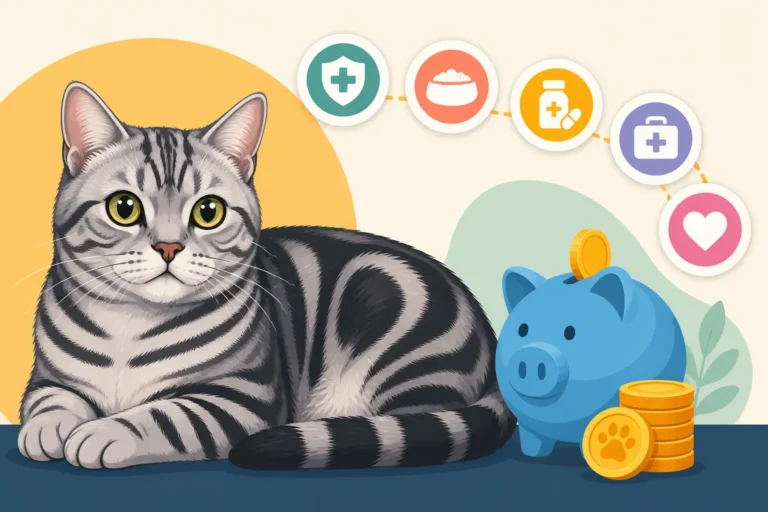
Given the unknowns that can come with a rescue cat, pet insurance is a financial tool worth serious consideration. While it might seem like an added expense, it can be a lifesaver if your American Shorthair develops an unexpected illness or injury. For instance, if they were to develop a sudden urinary blockage – a common and potentially life-threatening emergency in male cats – the cost of treatment can be substantial. Insurance providers like Healthy Paws offer various plans that can cover a significant portion of unexpected veterinary bills, giving you peace of mind and ensuring you can afford the best care for your cat without facing a difficult financial decision.
Alternatively, if pet insurance isn't the right fit for you, establishing a dedicated "pet emergency fund" is equally important. Set aside money regularly into a separate savings account specifically for your cat's health needs. Aim to build up a reserve that could cover a significant emergency. This fund acts as your personal safety net, allowing you to focus on your cat's recovery rather than worrying about the cost. Whether it's insurance or savings, preparing for the unexpected is a responsible part of adopting any pet, especially one whose early life details are a mystery. Thinking proactively about these costs allows you to enjoy the wonderful companionship of your American Shorthair without undue stress when health issues inevitably arise.
Disclaimer
This article is for general informational purposes only and does not constitute professional advice. Laws, prices and regulations vary by location and change over time. Consult a qualified professional for guidance on your specific situation.