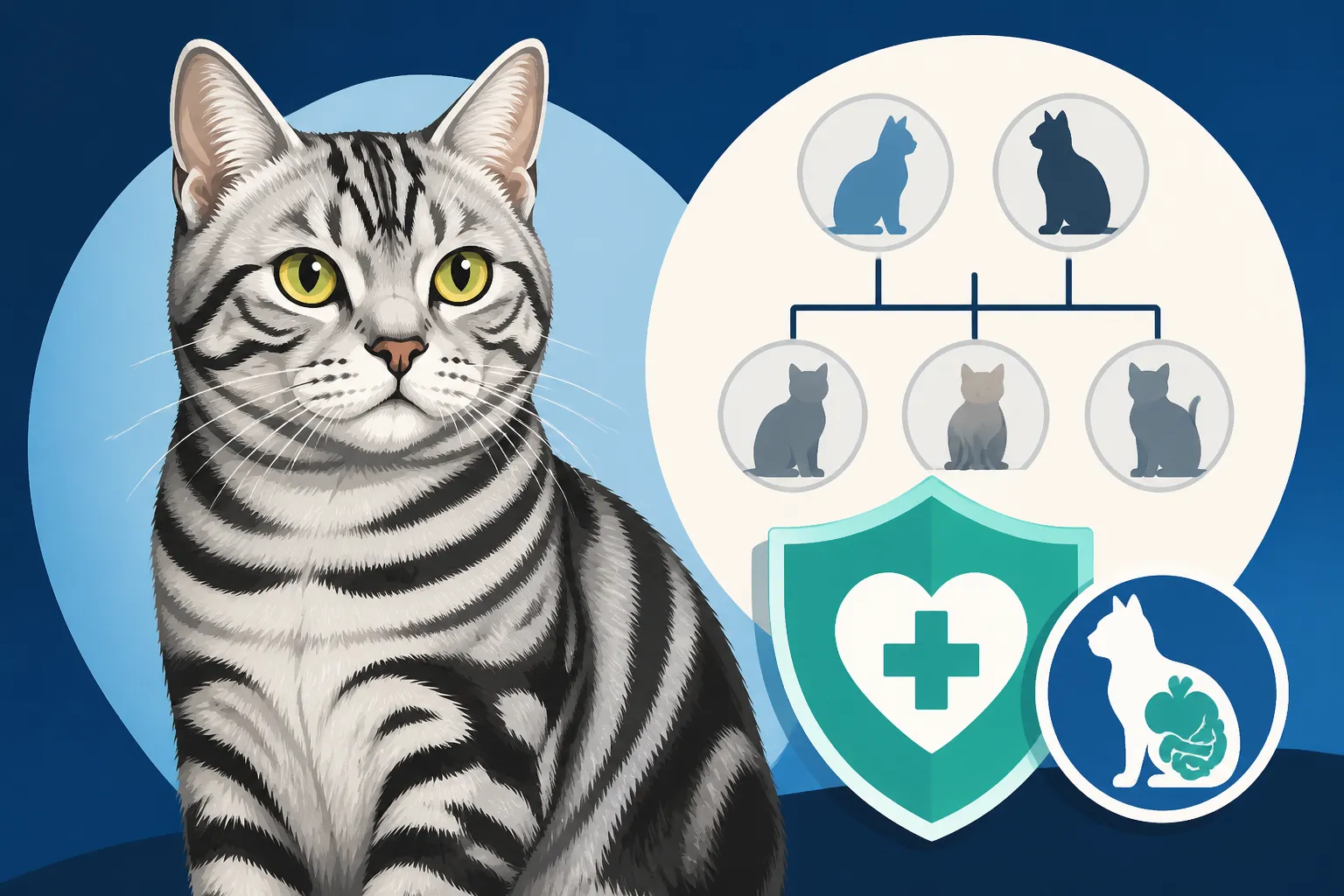
What an American Shorthair Pedigree Predicts About Health
It's completely normal to feel a bit overwhelmed when you're looking into a specific cat breed, especially when you start hearing about pedigrees and health. Many people think a pedigree is just about fancy papers or show wins, but for a breed like the American Shorthair, it actually offers a crucial roadmap to understanding potential health predispositions. This guide will walk you through what an American Shorthair pedigree can tell you about your cat's health, separating fact from fiction and helping you understand what to look for and expect.
The Foundation of American Shorthair Health: A Working Past
When we talk about the health of an American Shorthair, we really have to start at their roots. These aren't cats that were bred in a lab or selectively developed for extreme, delicate features. No, the American Shorthair, in its earliest forms, was a working cat, an essential part of colonial life and maritime voyages. This foundational history plays a massive role in their inherent hardiness and explains why their health profile is often quite robust.
Nature's Selection for Robustness
Imagine cats living on ships or in barns, where survival wasn't about looking pretty, but about being tough, agile, and healthy enough to earn their keep by catching rodents. This was the original breeding program for the American Shorthair's ancestors. Cats with genetic weaknesses, poor immune systems, or fragile constitutions simply wouldn't have survived and reproduced in those harsh environments. Over generations, this natural selection process favored strong, resilient animals. They developed excellent musculature, sharp senses, and a pragmatic approach to life that didn't come with a long list of inherent health problems.
This is a stark contrast to many other breeds that were developed through intense, often inbred, lines to achieve very specific aesthetic traits, sometimes at the cost of overall health. The American Shorthair's body is built for function: sturdy bones, powerful jaws, and a dense, weather-resistant coat. These aren't accidental traits; they are the hallmarks of a cat whose ancestors truly earned their place, and whose health was paramount for their survival and utility. When you see an American Shorthair, you're looking at centuries of a "survival of the fittest" legacy.
A Wide and Open Gene Pool
Another critical factor in the American Shorthair's general good health is its remarkably broad gene pool. Unlike some pedigreed cats where the gene pool has become incredibly narrow due to heavy line breeding for specific looks, the American Shorthair's origins as common working cats mean they started with a vast genetic diversity. Even after being recognized as a formal breed, breeders have largely prioritized maintaining this robust foundation, opting for careful breeding practices that avoid excessive inbreeding.
This wide genetic base acts as a natural buffer against the concentration of harmful recessive genes. When a breed has a very small gene pool, any undesirable genes present are more likely to be passed on and expressed, leading to a higher incidence of inherited diseases. With the American Shorthair, the sheer breadth of their ancestry means that it's far less likely for two carriers of a rare, problematic gene to be bred together. Organizations like the CFA (Cat Fanciers' Association) recognize the importance of this genetic diversity and have set standards that encourage breeders to maintain the breed's natural, healthy type rather than pursuing extreme features. If you're curious, you can learn more about How Wide the American Shorthair's Gene Pool Really Is and how this benefits their long-term health.
Understanding Inherited Health Risks: What a Pedigree Reveals
While the American Shorthair is generally celebrated for its robust health, no breed is entirely free from potential genetic predispositions. A well-documented pedigree, combined with responsible breeding practices, is your best tool for understanding and mitigating these risks. It's not about fearing what might happen, but about being informed and prepared.
The Primary Concerns: HCM and Hip Dysplasia
When we talk about inherited health issues in American Shorthairs, two conditions occasionally surface: Hypertrophic Cardiomyopathy (HCM) and, less commonly, hip dysplasia. HCM is a heart condition where the walls of the heart's main pumping chamber thicken, reducing its efficiency. While it's relatively rare in American Shorthairs compared to some other pedigreed breeds, it's the inherited disease that has received the most attention from conscientious breeders. Early detection is key, and responsible breeders are actively working to screen for and eliminate this condition from their lines. This commitment is part of what makes a pedigree so valuable.
Hip dysplasia, a condition where the hip joint doesn't form properly, can sometimes affect larger, stockier breeds. Given the American Shorthair's sturdy, muscular build, hip issues can theoretically arise, though they are not a widespread problem. However, a responsible breeder will be aware of their lines and take steps to ensure their cats are sound. These are the main inherited conditions you'll want to ask about, because a good breeder will have clear answers and documentation for them. HCM Is the One Inherited Disease the American Shorthair Kept is a crucial topic for understanding the breed's specific inherited vulnerabilities.
The Role of Breeder Screening and Health Clearances
This is where the true value of a reputable breeder and a solid pedigree shines. Responsible American Shorthair breeders don't just breed two cats because they look good together; they invest significantly in health screenings to ensure they're producing healthy offspring. For HCM, this typically means regular echocardiograms performed by a veterinary cardiologist on their breeding cats. These scans assess the heart's structure and function, helping to identify any thickening before it becomes a problem. Breeders will often provide documentation showing that their breeding animals have been screened and are clear of HCM.
For hip health, while less common, some breeders might have hip X-rays performed, especially if there's a history of soundness issues in a particular line, though this is not as routine as cardiac screening. The key is transparency. A reputable breeder will be open about their health testing protocols, willing to share health certificates for the parent cats, and happy to discuss the health history of their cattery's lines. They understand that these clearances are not just paperwork; they are a testament to their dedication to the breed's well-being and a critical component of what you're paying for when you choose a pedigreed cat. When you're considering a kitten, always ask What an American Shorthair Breeder Should Have Screened.
Beyond DNA Tests: Comprehensive Health Data
It's easy to think that a simple DNA test can tell you everything you need to know about a cat's genetic health. However, for certain conditions, especially HCM, DNA tests can be misleading or incomplete. While some breeds have identified genetic markers for HCM, the American Shorthair's situation is more complex, and a specific gene marker hasn't been definitively identified as the sole cause. This means that an echocardiogram, which directly visualizes the heart, remains the gold standard for screening breeding cats. A gene test simply cannot "clear" an American Shorthair's heart. Understanding Why a Gene Test Cannot Clear an American Shorthair's Heart is vital for prospective owners.
A comprehensive pedigree goes beyond just parental health; it provides a lineage of health information across multiple generations. This allows breeders to identify patterns, trace potential issues, and make informed decisions to improve the health of the breed. For an owner, this means you're not getting a cat whose health history is a complete mystery. Instead, you have the benefit of a known background, reducing the anxiety of unforeseen inherited conditions that can plague random-bred cats with unknown parentage. This detailed health data from a pedigree is a significant advantage, offering a level of predictability and assurance that simply isn't available with a shelter cat or domestic shorthair whose origins are unknown.
The Predictability of a Pedigree Versus the Unknown
The journey of bringing a new cat into your home is filled with excitement, and knowing you're welcoming a generally healthy companion can offer immense peace of mind. A well-researched American Shorthair pedigree provides a valuable framework for predicting certain aspects of your cat's health, distinguishing it from the often-unknown health landscape of a domestic shorthair.
Mitigating Risk, Not Eliminating It
Let's be clear: a pedigree is not a magic shield against all illness. No living creature is immune to health issues. However, what a pedigree does offer is a significant reduction in the risk of specific inherited diseases that have been carefully screened for by responsible breeders. For example, knowing that your kitten's parents and grandparents have all had clear echocardiograms for HCM drastically lowers the likelihood of your cat developing this condition compared to a cat from unknown parentage. You're essentially starting with a much healthier genetic hand.
This mitigation of risk means fewer unexpected vet bills for serious inherited conditions, and more importantly, less heartache. Imagine discovering your beloved pet has a serious genetic disease that could have been avoided with proper screening. That's a frustration many owners of non-pedigreed cats face. With an American Shorthair from a reputable breeder, you're investing in a future where major inherited health concerns have, as much as possible, been screened out, allowing you to focus on general wellness and preventative care.
General Health and Lifespan Expectations
American Shorthairs are renowned for their impressive longevity and overall good health. It's not uncommon for these sturdy cats to live well into their teens, with many reaching 15-20 years. This long lifespan is a direct testament to their working heritage and the breed's robust genetic makeup. They are not prone to a myriad of breed-specific ailments that might shorten the lives of some other pedigreed cats. The Fifteen to Twenty Years the American Shorthair Was Given is a true reflection of the breed's vitality.
Because they are generally so sound, any health issues that do arise in an American Shorthair are often more common, acquired conditions linked to lifestyle, such as dental disease, obesity, or kidney issues in old age, rather than deeply rooted genetic predispositions. This means that with good husbandry – proper diet, regular exercise, and consistent veterinary care – you have an excellent chance of enjoying many, many healthy years with your American Shorthair.
Partnering with Your Vet: Proactive Care
Even with an American Shorthair from impeccable lines, regular veterinary check-ups are non-negotiable. Your vet is your partner in maintaining your cat's health, and the information from a pedigree can actually help them tailor preventative care. Knowing that your cat comes from a line with no known history of HCM, for example, allows your vet to focus on general wellness checks rather than immediate specialized screenings unless symptoms appear. This isn't to say an echo is never needed, but it helps guide the conversation. How Regularly a Healthy American Shorthair Still Needs Checking is something every owner should know.
Furthermore, being prepared for any eventuality is part of responsible pet ownership. Many American Shorthair owners find peace of mind with pet insurance providers like Healthy Paws, which can help manage unexpected veterinary costs, regardless of a cat's pedigree. And for their daily well-being, providing high-quality nutrition is paramount. A vast selection of appropriate diets can support muscle mass and overall health, including fresh food options tailored to your cat's specific needs as they age or if they develop specific dietary requirements. These choices, coupled with a healthy genetic background, lay the groundwork for a long and happy life.
Common Misconceptions and What Isn't Predicted
It's easy to get carried away thinking a pedigree is a crystal ball, but it's important to have realistic expectations. While it offers excellent insights into genetic predispositions, a pedigree doesn't tell the whole health story for any cat. There are many factors that influence a cat's well-being that no piece of paper can predict or prevent.
Pedigree Doesn't Predict Accidents or Acquired Illnesses
A pedigree certainly can't tell you if your curious American Shorthair will take an unexpected tumble off the bookshelf or get into a tussle with another neighborhood cat. Accidents happen, and they are entirely unrelated to genetic lineage. Similarly, a pedigree doesn't offer any protection against common acquired illnesses like urinary tract infections, common colds, or certain types of cancer that aren't genetically predisposed. Even the healthiest, best-bred cat can develop these issues over its lifetime. Which Injuries an Outdoor American Shorthair Comes Home With can highlight the external risks that no pedigree can account for.
It's also important to remember that general health conditions, such as dental disease, are prevalent across all cat populations, pedigreed or not. Regular dental care and vigilance are required, regardless of your cat's impressive ancestry. The presence of a pedigree merely focuses your attention on what to look for in terms of specific, inherited conditions, freeing you up to concentrate on preventing or managing common ailments that any cat might encounter. It helps you target your proactive care more effectively.
Lifestyle and Environment Still Play a Huge Role
Perhaps one of the biggest misconceptions is that a healthy pedigree negates the need for proper lifestyle management. This couldn't be further from the truth, especially for a breed like the American Shorthair. Their sturdy, muscular build, which was once an asset for hunting, can become a liability if they live a sedentary indoor life without sufficient exercise. Obesity is a widespread problem for many indoor cats, and the American Shorthair is no exception. Obesity Is What Ending the American Shorthair's Job Cost It is a critical insight into how their modern lifestyle impacts their health.
A balanced, portion-controlled diet, plenty of interactive play, and environmental enrichment are vital for keeping an American Shorthair healthy and at an ideal weight. Furthermore, environmental factors like exposure to toxins, secondhand smoke, or allergens can impact any cat's health, regardless of its pedigree. Providing a safe, stimulating indoor environment significantly contributes to their overall well-being and longevity. In fact, many American Shorthair owners find that Whether an Indoor American Shorthair Lives Longer is a resounding yes, precisely because it removes many environmental risks.
The "Control Group" Myth and Realistic Expectations
You might hear some people refer to the American Shorthair as the "control group" of cat breeding, implying they are entirely free of genetic issues because they are so natural and robust. While it's true they are remarkably healthy, this idea is a myth. As we've discussed, they can still carry the gene for HCM or develop conditions like hip dysplasia, albeit at lower rates than many other breeds. The American Shorthair Is the Control Group of Cat Breeding article delves deeper into why this perception exists and what the reality is.
Every breed, including the American Shorthair, has potential vulnerabilities. The value of a pedigree is not in promising perfection, but in providing transparency and a reduced likelihood of known inherited issues through responsible breeding practices. It shifts the odds in your favor, allowing you to make informed choices and be proactive about preventative care rather than reacting to unexpected genetic conditions. Owners should embrace their cat's healthy foundation while still remaining diligent in their overall care and regular veterinary check-ups.
To summarize, here's a quick look at what a pedigree generally predicts versus what it doesn't:
| Aspect | What an American Shorthair Pedigree Predicts (When from a Reputable Breeder) | What It Does NOT Predict |
|---|---|---|
| Inherited Diseases | Lowered risk of specific conditions like HCM and hip dysplasia due to parental screening and clear lines. | 100% immunity from all genetic conditions; development of new mutations. |
| General Health | High likelihood of robust health and a long lifespan due to a wide gene pool and natural selection. | Immunity from common ailments like dental disease, infections, or non-genetic cancers. |
| Physical Traits | Predictable size, build, coat type, and temperament consistent with the breed standard. | Individual variations in personality beyond breed averages. |
| Veterinary Needs | A solid foundation for preventative care, with less need for early specialized screenings for inherited conditions. | Freedom from the need for regular vet check-ups or unexpected medical emergencies. |
| Resilience | Inherited physical and immune system strength. | Protection against accidents, injuries, or environmentally induced illnesses. |
Ultimately, an American Shorthair pedigree is a powerful tool for informed pet ownership. It offers a glimpse into your cat's genetic heritage, providing a strong indication of health based on responsible breeding practices. While it can't foresee every sniffle or scratch, it significantly reduces the likelihood of encountering devastating inherited diseases. This means you can focus more on providing a loving home, excellent nutrition, and preventative care, knowing you've started with a robust and well-vetted companion.
Disclaimer
This article is for general informational purposes only and does not constitute professional advice. Laws, prices and regulations vary by location and change over time. Consult a qualified professional for guidance on your specific situation.