The Age an American Shorthair Settles Down
It’s a common scenario for American Shorthair owners: you bring home that adorable, calm-looking kitten, perhaps with dreams of a dignified, placid companion, only to find yourself living with a miniature furry whirlwind for the first year or two. Many new cat parents ask, "When will my American Shorthair settle down?" This guide aims to answer that by exploring the various developmental stages of your American Shorthair, what "settling down" truly entails for this magnificent breed, and how you can support them through each phase to become the wonderful adult companion you envisioned.
What "Settling Down" Truly Means for an American Shorthair
When we talk about a cat "settling down," it’s easy to imagine them transforming into a perpetually napping, unbothered fixture on the sofa. While American Shorthairs are indeed known for their calm and adaptable temperaments as adults, "settling down" isn't about becoming completely inert. It's more about a shift from the boundless, often chaotic energy of kittenhood and adolescence to a more measured, confident, and routine-oriented adult demeanor.
For an American Shorthair, settling down means their play becomes more focused, their bursts of energy more predictable, and their overall interaction with their environment more deliberate. They might spend more time observing the world from a comfortable perch, engaging in interactive play sessions with you, and following a well-established daily rhythm. Gone are the days of sudden, unexpected zoomies at 3 AM or the relentless quest to explore every forbidden countertop. Instead, you'll see a confident cat who knows their territory and their place within it, choosing to engage on their own terms rather than constantly seeking stimulation. This inherent calmness is part of why they often make such wonderful family pets.
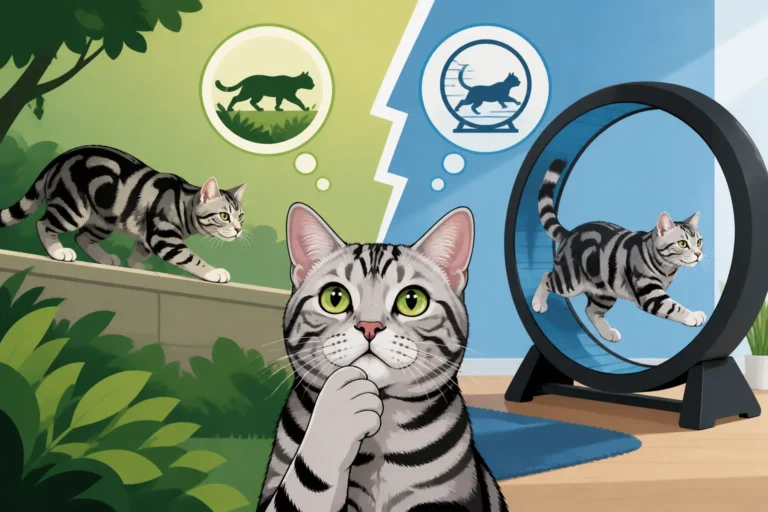
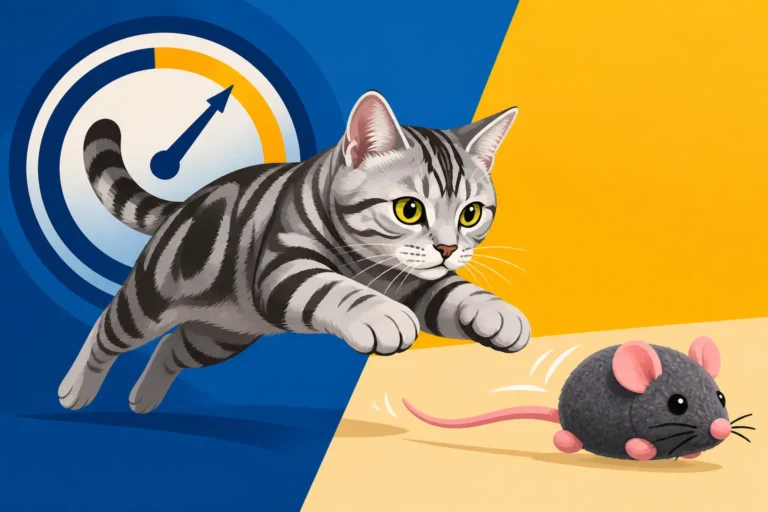
However, it's crucial to remember that the American Shorthair's heritage as a working cat means they retain a strong hunting drive. The American Shorthair Still Hunts, Whether You Want It To or Not, even if their "prey" is now a feather wand or a crinkly toy. This isn't something they "settle out of," but rather something that becomes integrated into their mature, structured day. A settled American Shorthair still enjoys a good hunt, but it's often more organized, perhaps during dedicated playtimes, rather than a frantic, unchanneled energy burst.
Key Milestones in an American Shorthair's Maturation
Understanding the different developmental stages of an American Shorthair can help you manage expectations and provide the right support as they grow into their adult selves. It’s not an overnight transformation, but a gradual process marked by distinct phases.
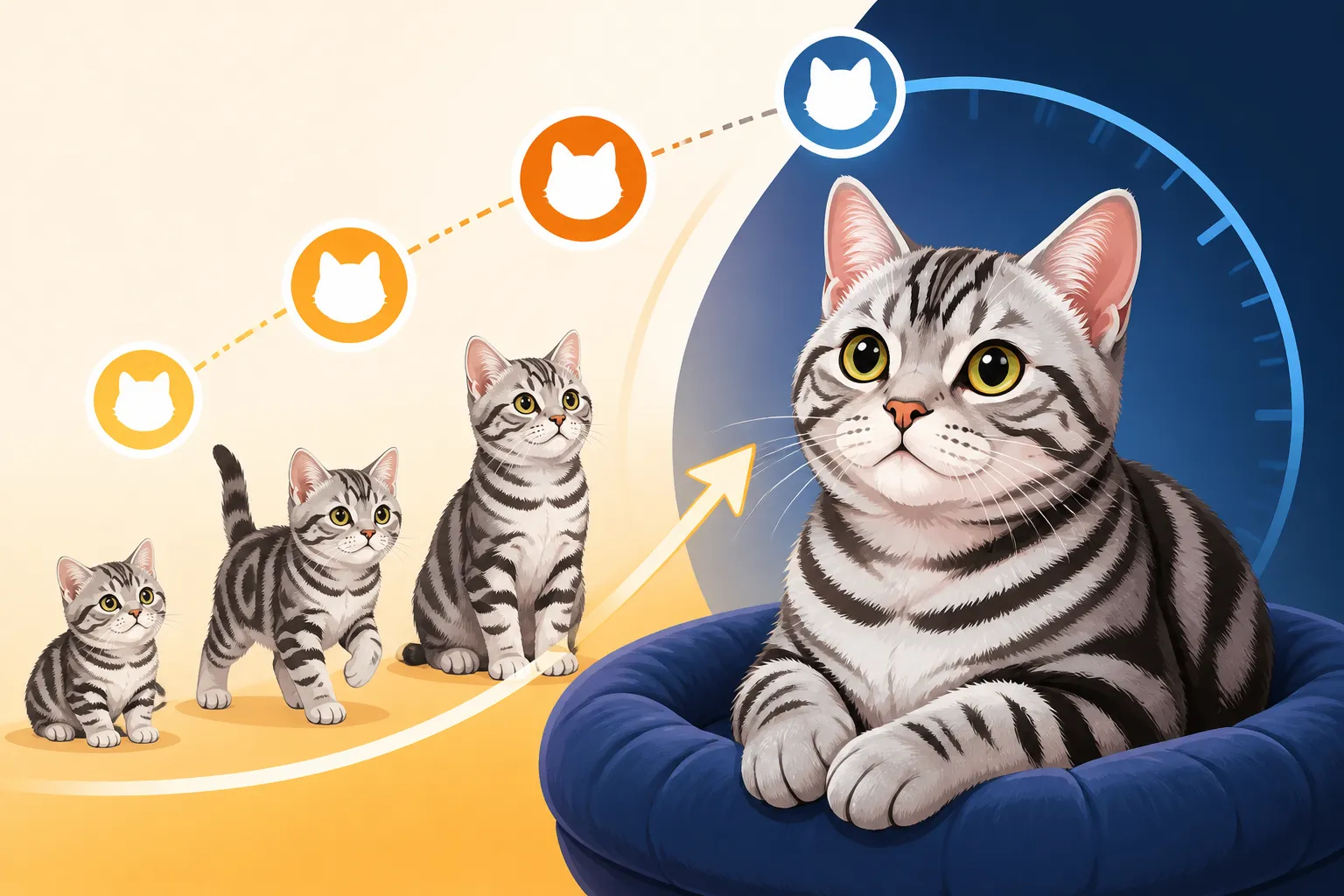
Kittenhood: The Furry Tornado Phase (0-6 Months)
This is perhaps the most adorable, yet most demanding, phase. American Shorthair kittens, like all kittens, are bundles of endless energy, curiosity, and boundless playfulness. They are learning about the world through their senses, practicing their hunting skills on anything that moves (or doesn't), and generally causing delightful mayhem. You’ll see a lot of pouncing, climbing, wrestling, and exploring. They’ll likely have "zoomies," those sudden bursts of running around the house like a tiny maniac, often at the most inconvenient times.
During this period, their behaviors are largely driven by instinct and rapid development. They’re figuring out boundaries, testing what they can get away with, and soaking up every experience. Proper socialization during these crucial months is vital, exposing them to different sounds, gentle handling, and people to ensure they grow into a confident and well-adjusted adult. Don't be surprised if your American Shorthair kitten seems to have an insatiable appetite for play; it's all part of their natural development.
Adolescence: The "Teenage" Years (6 Months – 2 Years)
Ah, adolescence. If kittenhood was a furry tornado, adolescence can sometimes feel like a furry teenager. Your American Shorthair is no longer a tiny kitten, but they haven't quite reached full emotional maturity either. Physically, they might be getting close to their adult size and strength, but mentally, they're still very much in a transitional phase. This period can sometimes be the most challenging for owners, as their cat has grown bigger and stronger, yet still retains a lot of that youthful exuberance, sometimes with a dash of boundary-testing bravado.
They might have higher peaks of energy, be more prone to destructive behaviors if bored, or vocalize more as they try to communicate their needs. It's during this time that consistent training and environmental enrichment become paramount. Providing plenty of appropriate scratching posts, tall cat trees, and interactive toys from Amazon can help channel their energy productively. Many owners consider spaying or neutering around this time, which can significantly impact their behavior. Why a Neutered American Shorthair Puts On Weight Faster explains how this biological change can also affect their metabolism and energy levels, contributing to a more settled state. While it doesn't instantly turn them into a calm adult, it removes the hormonal surges that can contribute to restless or territorial behaviors.
Adulthood: The Sweet Spot of Settled Calm (2-3 Years and Beyond)
For most American Shorthairs, the true "settling down" begins to happen around two years of age, though some may take closer to three years to fully mature. This is when their physical growth is complete, their hormones have largely stabilized, and their personality truly blossoms into the dignified, confident, and relatively calm cat that the breed is known for.
You'll notice their energy levels become more consistent and less frenetic. They will still love to play, but it will often be in more structured sessions with you, rather than spontaneous bursts of wildness. Their routines will be firmly established, and they will patrol their territory with a sense of purpose and comfort, as detailed in How an American Shorthair Splits Its Day Between Patrol and Sleep. They become masters of observation, often content to watch the household go about its business from a favorite perch, only engaging when they feel the urge or when you initiate interaction. This is the stage where their independent yet affectionate nature truly shines, offering quiet companionship and thoughtful engagement.
Factors Influencing When an American Shorthair Settles
While there's a general timeline for when American Shorthairs tend to settle down, several individual and environmental factors can influence this process. It’s never a one-size-fits-all situation, and understanding these elements can help you guide your cat towards a happy, balanced adulthood.
Individual Personality and Genetics
Just like people, every American Shorthair has a unique personality. Even within the same litter, you’ll find kittens with vastly different temperaments. Some are naturally more laid-back from day one, while others are perpetual adventurers. Genetics play a significant role here, with some lines naturally producing calmer cats. If you adopted from a reputable breeder, they might be able to offer insights into the temperaments of the parents, which can sometimes be an indicator for your kitten’s future personality. A cat's inherent disposition can accelerate or slow down the "settling" process. Some American Shorthairs might seem "settled" earlier, simply because their baseline energy is lower, while others will take longer to outgrow their boisterous tendencies.
Environment and Enrichment
A stimulating and appropriate environment is crucial for an American Shorthair, regardless of their age. A cat that is bored, under-stimulated, or lacks proper outlets for its natural behaviors is more likely to exhibit "unsettled" behaviors like destructive scratching, excessive vocalization, or even aggression. Providing ample enrichment can make a huge difference in how quickly and smoothly your cat transitions into a calm adult.
Think about incorporating:
- Interactive Toys: Feather wands, laser pointers (used carefully to avoid frustration), and small toys that mimic prey can provide vital hunting simulation. You can find a huge variety of these on Amazon. How Much Simulated Hunting an American Shorthair Needs is vital reading for understanding their needs.
- Vertical Space: American Shorthairs love to climb and observe their domain from high vantage points. Tall cat trees, shelves, or catio access (if safe) can give them a sense of security and entertainment. Many excellent multi-level cat trees are available on Amazon.
- Puzzle Feeders: Since their ancestors worked for their food, making your American Shorthair "work" for meals with puzzle feeders can engage their minds and burn off energy. This addresses their natural instinct, as discussed in Why an American Shorthair's Appetite Outlasted Its Job.
- Scratching Posts: Essential for claw health and stress relief. Ensure you have sturdy posts (both vertical and horizontal) that your American Shorthair can fully stretch on. Good quality options are easily found on Amazon.
A home that encourages positive behaviors and provides outlets for their instincts will contribute significantly to a well-adjusted, settled cat.
Diet and Health
A cat's physical health and diet directly impact their behavior. An American Shorthair on an inappropriate diet might experience energy spikes or crashes, leading to seemingly erratic behavior. Conversely, underlying health issues can cause irritability, lethargy, or discomfort that might be misinterpreted as a lack of "settling down."
Ensuring a balanced, high-quality diet that supports their muscular build is important. Regular veterinary check-ups are also crucial to rule out any medical conditions that could be affecting their energy levels or temperament. For instance, dental pain or joint discomfort could make a cat restless or less willing to engage in usual activities. As they age, their dietary needs will change, and understanding how to adjust their food intake is key to maintaining their health and preventing issues like obesity, which can also affect their comfort and mobility.
Training and Consistency
From the moment you bring your American Shorthair home, consistent training and clear boundaries are fundamental. While cats aren't "trained" in the same way dogs are, they absolutely benefit from routine and positive reinforcement. How Trainable an American Shorthair Is highlights their capacity to learn. Establishing routines for feeding, playtime, and sleep, along with consistent reactions to undesirable behaviors (like gently redirecting scratching from furniture to a post), helps them understand what is expected.
A cat that knows its boundaries and has a predictable environment often feels more secure and is therefore more likely to exhibit calm, settled behavior. Conversely, an inconsistent environment or lack of clear expectations can lead to anxiety and restless behavior. It's all about building trust and understanding.
What to Expect from a Truly Settled American Shorthair
Once your American Shorthair reaches that beautiful stage of being truly "settled," you'll notice a distinct and delightful shift in their demeanor and daily life. It’s a wonderful pay-off for the patience and care you invested during their younger, more boisterous years.
A Calmer, More Dignified Demeanor
The frantic, sudden bursts of energy often give way to more measured movements. A settled American Shorthair will still enjoy a good run and chase, but it's often more deliberate, perhaps during a dedicated play session. They move through their home with a quiet confidence, surveying their territory and choosing their actions with intention. You'll observe them enjoying peaceful naps in sunbeams, stretching languidly, and generally exuding an aura of serene contentment. This isn't to say they become statues – far from it! They're just more economical with their energy, reserving it for moments that truly capture their interest.
Established and Predictable Routines
A settled American Shorthair thrives on routine. They'll have their preferred spots for napping, their chosen times for eating, and their predictable schedule for interaction. They might greet you at the door when you come home, follow you quietly from room to room as you go about your day, or even have a specific time they expect their evening cuddle session. This predictability is comforting for both you and your cat, fostering a deeper bond and reducing anxiety. You'll start to notice that Why a Working Bred American Shorthair Sits Beside You Rather Than On You perfectly describes their affectionate, yet independent, nature in this phase.
Confident and Observant
One of the hallmarks of a settled American Shorthair is their quiet confidence. They are less likely to be startled by everyday household noises or sudden movements. Instead, they become excellent observers, often perched somewhere with a good view, taking in everything that happens around them. This isn’t a sign of disinterest, but rather a deep engagement with their environment. They’ll process information and react only when necessary, showcasing their intelligence and calm disposition. This keen observation is a leftover trait from their mousing ancestors.
Affectionate on Their Terms
American Shorthairs are known for being affectionate, but they also maintain a strong sense of independence. A settled adult American Shorthair will seek out companionship and cuddles, but on their own terms. This might mean joining you on the sofa for a quiet evening, settling on your lap for a short purring session, or simply choosing to sleep at the foot of your bed. They appreciate your presence and attention but aren't typically "needy" cats. Their affection is genuine and unforced, making those moments of connection all the more special.
Reduced Destructive Behavior
With maturity and proper enrichment, destructive behaviors typically become a thing of the past. A settled American Shorthair, having learned boundaries and having appropriate outlets for their instincts, is less likely to scratch furniture, counter-surf for food, or engage in other undesirable actions. They understand their role in the household and respect the rules. If any destructive behavior does persist, it’s often a sign that an underlying need isn't being met, perhaps a lack of sufficient play or mental stimulation.
Here’s a brief overview of how their behavior typically shifts:
| Age Range | Typical Behaviors | Needs & Expectations |
|---|---|---|
| 0-6 Months | High energy, exploratory, playful, learning boundaries, frequent zoomies. | Socialization, safe play, consistent gentle handling, basic litter training, vet visits. |
| 6 Months – 2 Years | Adolescent energy, testing limits, developing strength, increased curiosity, occasional destructive tendencies. | Robust play sessions, mental stimulation, puzzle feeders, clear boundaries, spay/neuter consideration. |
| 2-3 Years | Gradual settling, more consistent routines, confident patrolling, deliberate play, mature affection. | Continued enrichment, balanced diet, regular health checks, strong human bond. |
| 3+ Years (Adult) | Calm, observant, established routines, affectionate (on their terms), confident, minimal destructive behavior. | Maintenance of routines, interactive play, comfortable resting spots, preventative health care. |
| Senior (12+ Years) | Slowing down, increased sleep, potential joint stiffness, continued calm demeanor, seeking warmth/comfort. | Gentle play, easy access to resources, joint support, senior vet checks, warm beds. |
It's important to differentiate between a truly settled adult cat and an older cat slowing down due to age. While a senior cat might appear even calmer, this can sometimes be due to underlying health issues like joint pain or reduced hearing. How to Tell an American Shorthair's Stiffness From Middle Age is a helpful resource for distinguishing these changes.
"Settling down" for your American Shorthair is a journey, not a destination, culminating in a magnificent adult cat who embodies the best traits of their breed: calm, confident, intelligent, and a beloved member of your family. It requires patience, understanding, and a commitment to providing an enriching environment, but the reward of a well-adjusted, serene companion is truly priceless.
Disclaimer
This article is for general informational purposes only and does not constitute professional advice. Laws, prices and regulations vary by location and change over time. Consult a qualified professional for guidance on your specific situation.