Whether a Child Can Carry an American Shorthair
It’s a common heartwarming scene we all picture: a child gently cradling their beloved cat, showering it with affection. But for parents with a sturdy, independent American Shorthair, the reality can sometimes be a little more complex. You want your child to bond with your feline friend, but you also worry about the cat's comfort, the child's safety, and whether your American Shorthair will even tolerate being picked up. This guide will help you understand if and how your child can safely and respectfully carry an American Shorthair, ensuring a positive experience for everyone.
The American Shorthair's Disposition and Physical Build
The American Shorthair is renowned for its calm demeanor, robust health, and generally easygoing nature. These aren't delicate, finicky felines; they were bred for practicality, originally as working cats keeping vermin in check on farms and ships. This history means they often possess a grounded, tolerant personality, but also a strong sense of independence.
A Sturdy, Muscular Frame
When you look at an American Shorthair, you immediately notice their solid, well-muscled build. They are a medium to large-sized cat, with males often weighing more than females. This substantial physicality is a huge part of their charm, but it also means they’re not as light or flexible as some other breeds. A smaller child, or one who isn't used to handling animals, might find it challenging to lift and support an American Shorthair adequately. This isn't a cat that will easily conform to an awkward hold; their solid frame requires proper support to prevent discomfort or injury. Think about how a toddler might try to pick up a small dog – they might grab around the middle, leaving the front and back legs dangling. With an American Shorthair, this kind of handling is not only uncomfortable for the cat but could also lead to them struggling to free themselves, potentially scratching or falling. How Big an American Shorthair Gets and What an American Shorthair Weighs both speak to their robust stature, which is a key consideration here.
A Calm, but Independent Temperament
While American Shorthairs are typically very good-natured and tolerant, they are also highly independent creatures. They enjoy companionship and can be quite affectionate, often preferring to be near you rather than directly on your lap for long periods. This means they generally tolerate being picked up and held for short durations, but they might not enjoy prolonged carrying sessions. They're not typically "velcro cats" that crave constant physical contact. If a child tries to carry them for too long, or against their will, the cat might become anxious or uncomfortable. They might try to wriggle free, which could result in an accidental scratch or a fall. It's crucial to respect their boundaries and understand that their tolerance has limits. Why a Farm Bred American Shorthair's Tolerance Suits a House With Children highlights their general adaptability, but even the most tolerant cat has its breaking point.
Reading Their Cues
A huge part of successfully interacting with any cat, especially when it comes to something as intimate as carrying, is being able to read their body language. American Shorthairs are generally quiet communicators, so you need to pay close attention. Signs of discomfort include a rapidly twitching tail, flattened ears, wide eyes, tensing of the body, or trying to push away with their paws. If your American Shorthair starts to show any of these signs, it's a clear signal that they want to be put down. Teaching your child to recognize these subtle cues is paramount. It empowers the child to act respectfully and avoids escalating the situation to a point where the cat feels it needs to defend itself. Remember, an American Shorthair is rarely aggressive without warning; they typically give clear signals that they're unhappy long before they resort to scratching or biting. Why an American Shorthair Retreats Before It Scratches goes into more detail about these warning signs.
Equipping Your Child for Safe and Respectful Handling
The ability of a child to carry an American Shorthair depends far more on the child's age, maturity, and proper instruction than on the cat itself. This isn't about physical strength, but about understanding and respect.
Age and Developmental Readiness
There's no magic age when a child is suddenly "ready" to carry a cat. It's more about their individual development, empathy, and ability to follow instructions.
- Toddlers (1-3 years old): For very young children, carrying an American Shorthair is generally not recommended. Their motor skills are still developing, they lack the understanding of how fragile a cat can be, and they might not be able to differentiate between a toy and a living creature. Their interactions should be limited to supervised, gentle petting while the cat is on the floor or a secure surface.
- Preschoolers (3-5 years old): Children in this age group can begin to learn about gentle handling, but direct carrying should still be heavily supervised or avoided. They can learn to stroke the cat properly, to respect its space, and to understand that the cat might not always want attention.
- Early Elementary (6-8 years old): This is often the age when children start to develop the coordination and empathy needed to potentially carry a cat. With clear instructions and constant supervision, they can learn the proper technique.
- Older Children (9+ years old): By this age, many children can safely and respectfully carry an American Shorthair with less direct supervision, assuming they have been taught properly and consistently reinforce good habits. They are more likely to understand the cat's body language and respect its need for space.
It’s crucial to remember that these are just guidelines. Every child is different, and you, as the parent, know your child best. The key is never to leave a young child unsupervised with any pet, especially when they are attempting to pick it up.
The Art of the Proper Lift
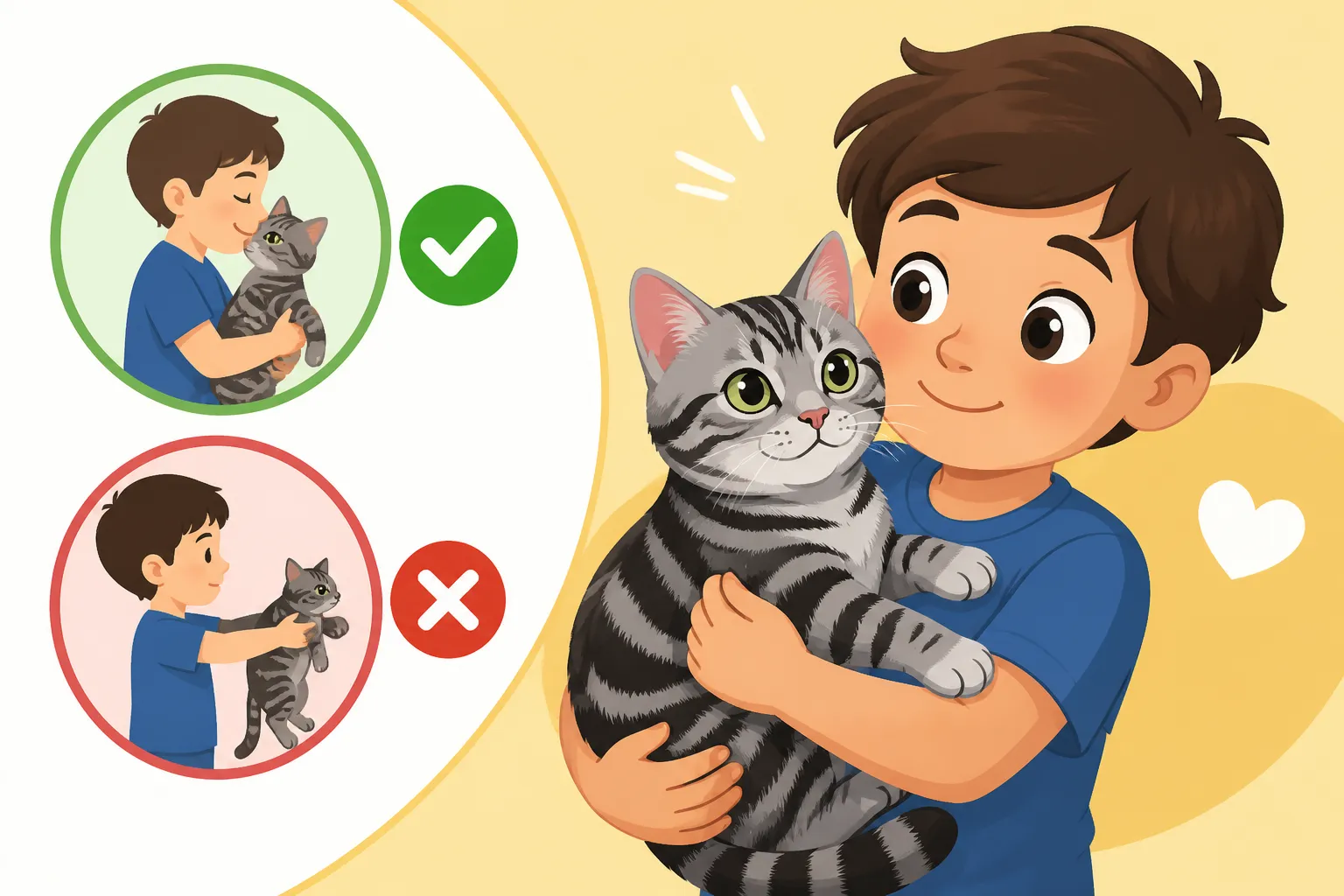
If your child is old enough and mature enough to attempt carrying, teaching them the correct method is paramount. An American Shorthair, with its sturdy build, needs to feel fully supported.
- Approach Gently: Teach your child to approach the cat calmly, without sudden movements or loud noises. Let the cat come to them, or offer a gentle hand for the cat to sniff.
- One Hand Under the Chest: The child should place one hand under the cat's chest, right behind its front legs. This supports the cat's upper body.
- Other Hand Under the Rump: The second hand should go under the cat's hindquarters, supporting its entire back end. Never let the cat's back legs dangle unsupported, as this puts strain on their spine and hips.
- Hold Close to the Body: Encourage your child to hold the cat close to their own body. This makes the cat feel more secure and less likely to struggle.
- Keep it Brief: Remind them that carrying is for short periods. If the cat shows any signs of discomfort, it should be gently put down immediately.
It’s important to practice this with your child repeatedly, under your watchful eye. Start with you demonstrating, then guide your child's hands, and offer constant positive reinforcement when they do it correctly. This isn’t just about the cat's comfort; it's also about preventing a child from being scratched if the cat panics.
| Child's Age Range | Recommended Interaction | Carrying Recommendation | Supervision Level |
|---|---|---|---|
| 1-3 years | Gentle petting on floor | Not recommended | Constant, direct |
| 3-5 years | Supervised petting | Brief, highly supervised | Constant, direct |
| 6-8 years | Guided petting & play | Brief, supervised | Close, frequent |
| 9+ years | Independent interaction | With proper technique | Occasional checks |
This table provides a general guide, but always prioritize your individual child's maturity and your American Shorthair's personality.
Fostering Mutual Respect
Ultimately, the goal isn't just for your child to carry the cat, but to develop a relationship built on mutual respect and understanding. Teach your child that the American Shorthair is a living being with feelings, not a toy. This includes:
- Respecting Space: Show them that when the cat is sleeping, eating, or in its designated safe spot (like a cat tree or cozy bed), it should not be disturbed.
- Gentle Hands: Emphasize that pets are always gentle, using soft strokes rather than rough handling or pulling.
- Reading Body Language: As mentioned, teaching them to identify signs of stress or discomfort in the cat is a crucial part of respectful interaction. When the cat signals it wants to be left alone, that request should be honored immediately. An American Shorthair With Children, Dogs and Noise often shows how well these cats adapt, but respect is always key.
Preparing Your American Shorthair for Child Interaction
It's not just about preparing the child; your American Shorthair also needs to be set up for success when living with children, especially if carrying is involved.
Early Socialization is Key
If you're bringing a kitten into a home with children, or bringing a baby into a home with an existing American Shorthair, early and positive socialization is paramount. Exposing your American Shorthair to gentle, supervised interactions with children from a young age can help them become more accepting and tolerant. This means ensuring those early experiences are overwhelmingly positive and that the cat never feels threatened or scared. If an American Shorthair has had negative experiences with children in the past, it will be much harder to build trust. Remember, they are generally adaptable, but fear can override their natural tolerance. How an American Shorthair Adapts to a New Baby provides excellent insights into this delicate process.
Creating Safe Havens and Escape Routes
Every cat, especially one living with energetic children, needs a place where it can retreat and feel completely safe and undisturbed. For an American Shorthair, which values its independence, this is crucial.
- High Perches: Cat trees or wall-mounted shelves, easily accessible to the cat but out of reach of small children, are ideal. These allow the cat to observe from a distance, feeling secure. You can find many options on platforms like Amazon that cater to various sizes and aesthetics.
- Cozy Hideaways: A quiet room, a high shelf in a closet, or a covered cat bed can serve as a perfect sanctuary. Ensure children understand that when the cat is in this space, it is off-limits.
- Cat Flaps or Gates: For certain rooms, a baby gate with a small cat flap, or a gap the cat can slip through, can create an exclusive feline zone. This empowers the cat to control its own interactions and retreat when it feels overwhelmed.
Knowing it has an escape route or a safe spot greatly reduces a cat's stress levels and makes it more likely to tolerate interactions when it chooses to. If a cat feels trapped, it's far more likely to lash out.
Positive Reinforcement for Good Behavior
Just as you praise your child for good behavior, use positive reinforcement to reward your American Shorthair for calm interactions with children. This can include:
- Treats: A favorite treat immediately after a gentle petting session or a brief, calm carry can create a positive association.
- Praise and Affection: Gentle words, a head scratch (if they enjoy it), or quiet playtime can reinforce positive interactions.
- Enrichment: Providing plenty of environmental enrichment, like Play That Finishes the Hunting Sequence for an American Shorthair with wand toys, ensures your cat's needs are met and they are less likely to be irritable or anxious.
The goal is to teach your cat that good things happen when children are around and interacting gently. Never punish the cat for hissing or swatting if it feels overwhelmed; instead, identify the trigger, separate the cat and child, and rethink your approach.
When Carrying Isn't the Best Idea: Alternatives and Boundaries
Sometimes, despite your best efforts, an American Shorthair might simply not enjoy being carried, or a child might not yet be ready. And that’s perfectly okay! There are countless other ways for children to bond with and show affection to their feline companions.
Respecting Individual Personalities
Even within the generally tolerant American Shorthair breed, individual personalities vary widely. Some American Shorthairs might be perfectly content with being picked up and cuddled for a few minutes, while others might prefer to keep all four paws on the ground. This could be due to past experiences, their individual comfort levels, or simply their unique preferences. How Much an American Shorthair Likes Being Picked Up highlights this variability.
It's vital for both parents and children to understand that not all cats are "lap cats" or enjoy being held. Forcing a cat into a situation it dislikes can damage the bond, create fear, and potentially lead to defensive behavior. If your American Shorthair consistently shows reluctance or discomfort when being picked up, respect that boundary. There's no shame in having a cat that prefers to express affection in other ways.
Engaging Through Play
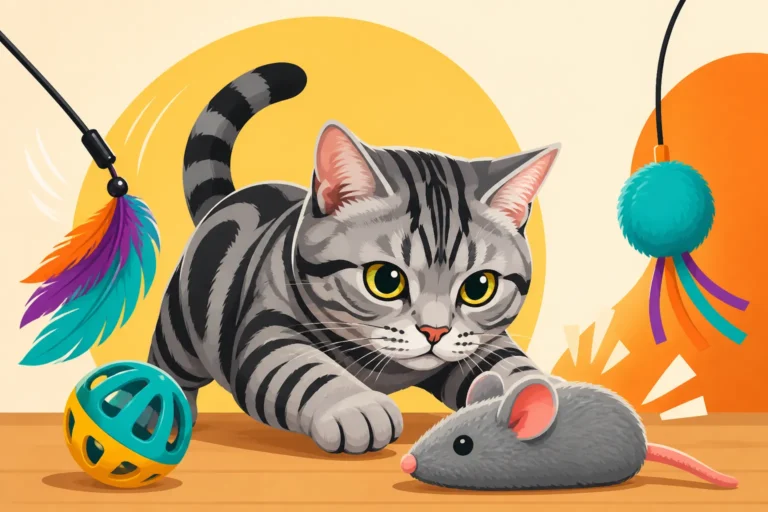
Interactive play is one of the best ways for children and American Shorthairs to bond. It satisfies the cat’s natural hunting instincts and provides an outlet for their energy, which is particularly important for an indoor cat.
- Wand Toys: These are fantastic because they create a safe distance between the child and the cat's claws. Your child can mimic prey movements, enticing the American Shorthair to chase, pounce, and "catch" the toy. Look for durable, well-made wand toys on Amazon.
- Puzzle Feeders: While not directly interactive play, puzzle feeders allow children to "hide" treats or kibble around the house, turning mealtime into a scavenger hunt for the cat. This taps into the American Shorthair's instinct to work for its food and can be a fun activity for children to set up.
- Laser Pointers (with caution): Laser pointers can be very engaging, but always ensure the play session ends with the cat "catching" a physical toy or treat. Ending with just a laser can be frustrating for a cat that needs to complete the hunting sequence.
These types of play are not only safe but also incredibly enriching for your American Shorthair, strengthening their bond with your child without the need for physical carrying.
Gentle Petting and Quiet Companionship
Sometimes the simplest forms of interaction are the most profound. Teach your child the joy of quiet companionship and gentle petting.
- "Petting Zones": Guide your child to areas where most cats enjoy being petted: under the chin, behind the ears, and along the back. Teach them to avoid sensitive areas like the belly, tail, or paws, which can make a cat feel vulnerable.
- Reading the Room: Encourage your child to sit quietly near the American Shorthair while it's relaxing. Sometimes, simply sharing the same space, perhaps with the cat curled up on a nearby sofa cushion while the child reads or plays quietly, is the deepest form of affection for an independent cat. Why a Working Bred American Shorthair Sits Beside You Rather Than On You explains this preference perfectly.
- Verbal Affection: Talk to the cat! Children can whisper sweet nothings, tell stories, or simply engage in a soft, soothing tone. Cats are often attuned to voice tones and can find a gentle, calm voice reassuring.
Setting Clear Boundaries
Establishing clear boundaries is essential for the harmony of the household. Both the child and the American Shorthair need to understand what is acceptable and what is not.
- "Cat Time Out": Teach your child that if the cat is retreating or showing signs of stress, it's time for a "cat time out." This means leaving the cat alone immediately.
- Supervision is Non-Negotiable: For young children, always supervise interactions. Your presence not only ensures safety but also allows you to model appropriate behavior and intervene if needed.
- Consistent Rules: Everyone in the household, from parents to older siblings and even guests, should follow the same rules regarding cat interaction. Consistency helps both the child and the cat understand expectations.
By focusing on these alternatives and reinforcing clear boundaries, your child and your American Shorthair can build a strong, loving relationship that honors the cat's natural independence and ensures a safe, respectful environment for everyone. Why an American Shorthair Fits Any Household when these boundaries are respected, making them wonderful family pets.
Disclaimer
This article is for general informational purposes only and does not constitute professional advice. Laws, prices and regulations vary by location and change over time. Consult a qualified professional for guidance on your specific situation.