What an American Shorthair Weighs at One and How Much Is Left
It's incredibly common for new American Shorthair owners to scratch their heads around their cat's first birthday, wondering if their furry companion is done growing or if there's more filling out to do. Many people expect a cat to be fully grown by their first year, just like many other breeds, and when their American Shorthair still seems a bit lanky or not quite as robust as they imagined, questions naturally arise. This guide will walk you through what to realistically expect from your American Shorthair's size and weight at one year old, and shed some light on the fascinating, sometimes slow, journey to their full adult physique.
The American Shorthair's Unique Growth Trajectory
When you first bring home an American Shorthair kitten, they often grow quite rapidly, just like any other kitten. Those first few months are a whirlwind of growth spurts, awkward phases, and suddenly, they're not so tiny anymore. But unlike many other breeds, hitting the one-year mark doesn't signal the absolute end of their growth journey. This is a point of frequent misunderstanding and, frankly, a little worry for owners who are trying to gauge their cat's development.
More Than Just a Kitten at One Year Old
While your American Shorthair will certainly look and act more like an adult cat by their first birthday, it's crucial to understand that their physical maturity and their full growth are not necessarily the same thing. Many breeds achieve most of their height and length within that first year, but the American Shorthair, with its robust, working-cat ancestry, takes a more leisurely pace to fully develop its characteristic muscular and broad frame. You might find yourself thinking, "Are they really done? They still seem a bit slender!" This isn't unusual. They might have reached most of their vertical height, but the real magic of filling out, of developing that solid bone density and strong musculature, often continues well beyond year one. Their historical role as capable mousers and barn cats meant they needed a strong, durable build that wasn't rushed.
Average Weight at the One-Year Mark
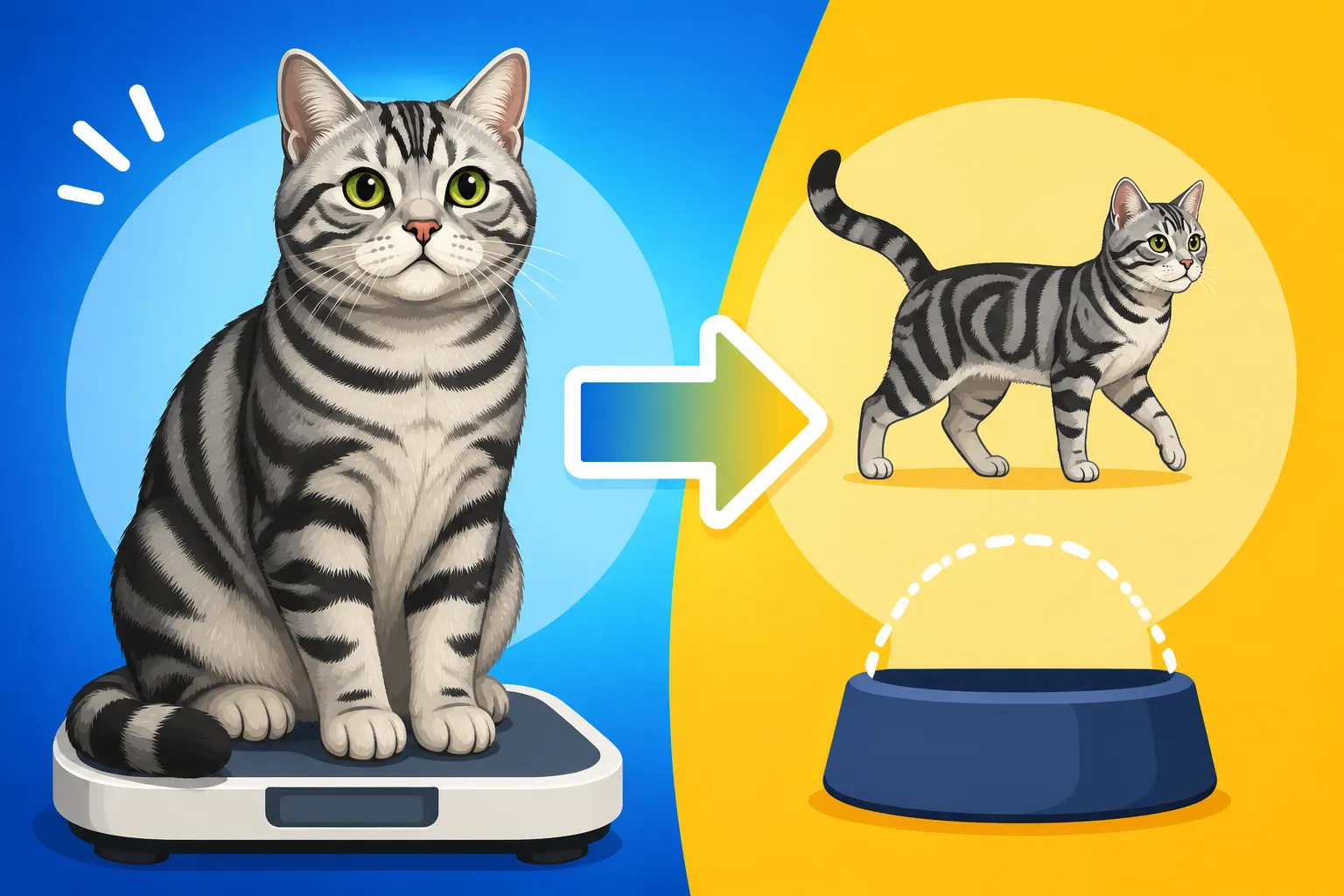
So, what should you actually expect on the scale when your American Shorthair celebrates their first birthday? Typically, at one year of age, a male American Shorthair might weigh anywhere from 9 to 12 pounds. Females tend to be a little lighter, often in the 8 to 11 pound range. Now, these are averages, and it's perfectly normal for your cat to be slightly outside these numbers. Factors like their individual genetics, the quality of their diet during kittenhood, and even their activity level can all play a part. You might have a male who's already a solid 13 pounds or a female who's still a dainty 7.5 pounds. The key is to remember that this isn't their final weight. If your cat seems smaller than these averages, don't panic! It just means they likely have more filling out to do. If they seem larger, ensure it's muscle and bone, not excess fat.
Factors Influencing Your American Shorthair's Final Size
Understanding that your American Shorthair isn't a finished product at one year old brings us to the factors that will continue to influence their growth and final adult size. It's not just about what they eat or how much they play; there are deeper elements at play that determine their ultimate physique.
Genetics and Lineage Play a Huge Role
Just like in people, genetics are a massive determinant of your American Shorthair's final size and build. You can often get a good idea of what to expect by looking at their parents, if you have access to that information. A breeder should be able to provide some insight into the size and build of the sire and dam. Cats from a lineage known for larger, more robust individuals are likely to produce kittens that follow suit, even if they take their sweet time getting there. Conversely, a cat from a line of slightly smaller, more refined American Shorthairs will likely mature into a similarly proportioned adult. Always inquire about the lineage when considering a kitten; it offers valuable clues about their potential. Knowing What a Registered American Shorthair Kitten Costs With Papers often includes this kind of background information. The American Shorthair boasts a relatively wide gene pool, which generally contributes to its overall soundness and varied, yet consistent, type.
The Impact of Diet and Nutrition on Growth
While genetics lay the foundation, proper nutrition is absolutely critical for healthy growth and development, especially in a breed that matures slowly. During those formative years, from kittenhood through the slow filling-out phase, your American Shorthair needs a diet rich in high-quality protein and balanced nutrients to support muscle development and bone density. Skimping on quality or overfeeding can both be detrimental. Overfeeding, in particular, can lead to excessive weight gain that puts strain on developing joints and can set them up for health issues later on, rather than building a stronger, larger cat.
Think of it like building a house: you need good materials. Look for cat foods with real meat as the first ingredient and avoid excessive fillers. Brands like Chewy offer a wide selection of premium cat foods suitable for growing felines. If you're wondering What an American Shorthair Kitten Should Eat, focus on formulations specifically designed for kittens or all life stages, and continue that high-quality nutrition into their second and third years. Regular, portion-controlled meals are far better than free-feeding, especially for a breed with a healthy appetite rooted in its working past.
Activity Levels and Muscle Development
The American Shorthair’s historical job as a mouser means they are naturally athletic and built for action. Even an indoor American Shorthair retains this energetic drive. Their growth isn't just about gaining weight; it's about developing the strong, muscular frame that is a hallmark of the breed. Regular exercise and interactive play are vital for building and maintaining healthy muscle mass, which contributes significantly to their overall adult weight and solid feel.
Think about incorporating engaging play sessions daily using wand toys, laser pointers (with a treat at the end to satisfy the "kill"), or even puzzle feeders. This kind of activity helps them burn calories, maintain a healthy metabolism, and develop the strong muscles that make them so robust. A sedentary lifestyle, even with proper nutrition, can lead to a less muscular build or, worse, unwanted fat accumulation. For tips on engaging them, explore articles like How Much Simulated Hunting an American Shorthair Needs. Giving them opportunities to climb, chase, and pounce is crucial for their physical development and mental well-being.
What to Expect in the Coming Years
Many cat owners are surprised to learn that their American Shorthair is far from finished growing at its first birthday. This breed is known for its slow maturation, which contributes to its robust health and solid build. Understanding this extended growth period can help you provide the best care and nutrition to support their development.
The Slow Maturation to Full Adult Size
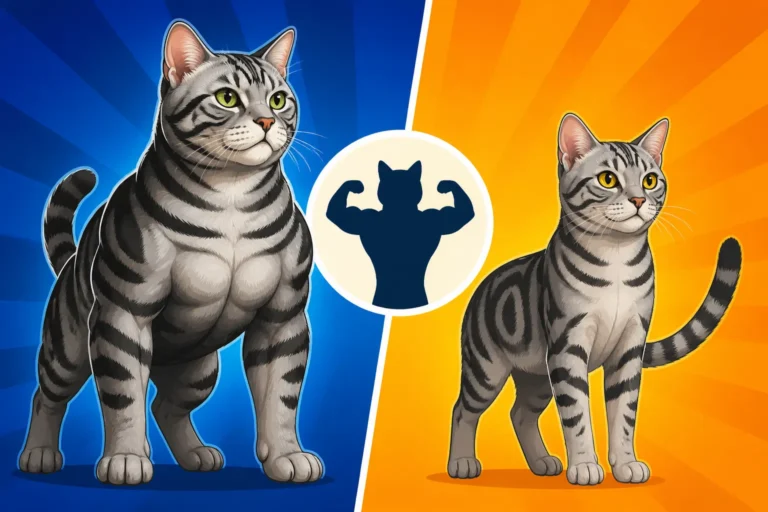
While your American Shorthair will reach most of its height and length by its first birthday, the real "filling out" happens between years one and three, and sometimes even into their fourth year. This isn't about getting taller; it's about developing dense bone structure, a broader chest, and significant muscle mass. They gain that impressive, solid feel that the breed is known for. Imagine a teenager who's reached their full height but still needs to "fill out" into their adult frame – that's a bit like an American Shorthair.
This slower maturation process is actually a huge benefit for their overall health. It allows their skeletal system to develop fully and robustly, reducing the likelihood of certain orthopedic issues that can plague breeds with rapid growth spurts. So, if your cat seems to stay roughly the same height but gradually broadens and becomes more substantial, you're seeing healthy American Shorthair growth in action. For a deeper dive into this unique aspect of their development, consider reading Why an American Shorthair Takes Three Years to Fill Out.
Monitoring Healthy Weight and Growth
Instead of fixating solely on the number on the scale, it's far more beneficial to focus on your American Shorthair's overall body condition. A healthy cat isn't just a certain weight; it's a cat with good muscle tone, a defined waist, and easily palpable ribs without being bony. This is especially important for the American Shorthair, which has a naturally broad, sturdy build that can sometimes make them appear heavier than they are, or mask slight weight gain.
Regular vet check-ups are invaluable during these growing years. Your veterinarian can assess their body condition score, which is a standardized way of evaluating a cat's fat reserves and muscle mass. They can help you determine if your cat is on a healthy growth trajectory or if any adjustments to diet or exercise are needed. You can also learn to do a basic body condition score at home. For guidance, check out How to Score a Square Built American Shorthair's Body Condition. Feel along your cat's sides: you should be able to feel their ribs with slight pressure, like the back of your hand. If you can't feel them at all, they might be carrying too much weight. If they're clearly visible and sharp, they might be underweight.
Body Condition Score Guide for American Shorthairs
| Condition Score | Description | What to Feel/See | Action |
|---|---|---|---|
| 1: Emaciated | Severely underweight, no body fat. | Ribs, spine, and hip bones easily visible and prominent. No fat covering. No discernible waist. | Immediate veterinary consultation. Dietary intervention and health assessment needed. |
| 2: Thin | Very lean, minimal body fat. | Ribs easily palpable with no fat covering. Spine and hip bones prominent. Obvious waist. | Consult vet. Increase caloric intake carefully with appropriate diet. |
| 3: Ideal | Well-proportioned, healthy weight. | Ribs easily palpable with a slight fat covering. Visible waist when viewed from above. Abdominal tuck when viewed from the side. | Maintain current diet and exercise. Regular monitoring. |
| 4: Overweight | Too much body fat, losing definition. | Ribs palpable with moderate fat covering, but more effort needed. Waist indistinct or absent. Slight abdominal tuck may still be present. | Adjust diet and increase activity. Consult vet for a weight management plan. Portion-controlled fresh food can also assist. |
| 5: Obese | Excessive body fat, very rounded appearance. | Ribs not palpable or require significant pressure. No waist. Obvious abdominal distention. Large fat deposits over back and tail base. | Urgent veterinary consultation. Strict weight loss program, often with prescription diet and increased exercise. |
This table provides a general guideline. Your vet is the best resource for a precise assessment and personalized recommendations.
Common Misconceptions About American Shorthair Growth
There are a few persistent myths and misunderstandings about the American Shorthair's growth that can lead to confusion for new and experienced owners alike. Clearing these up can provide peace of mind and help you better appreciate your cat's unique developmental journey.
"They're Just Big House Cats" The Pedigree Difference
One of the most common misconceptions about the American Shorthair is that they are "just a domestic shorthair" or a fancy tabby. While they share a similar appearance with many random-bred cats, particularly the tabby pattern, the American Shorthair is a distinct, pedigreed breed with a specific standard, including a defined range for size and build. This misunderstanding can lead owners to underestimate their cat's potential size or expect them to stop growing sooner.
A true American Shorthair, bred to standard, is generally more robust, muscular, and substantial than the average domestic shorthair. They possess a broad chest, powerful jaws, and a dense, hard coat, all traits carefully selected and maintained by breeders over generations. So, while your American Shorthair may look like a well-built house cat, their pedigree means a more predictable growth pattern and a tendency to reach a larger, more imposing size over time. The article How to Tell an American Shorthair From a Domestic Shorthair goes into more detail about these distinctions. It's not just about aesthetics; it's about a consistent type and temperament.
The Myth of Rapid Kitten Growth Ending at Twelve Months
For many cat breeds, the twelve-month mark is indeed when they are considered fully grown, having reached their adult height, length, and most of their adult weight. This rapid growth phase is typical for smaller, more delicate breeds. However, applying this same expectation to an American Shorthair will likely leave you wondering why your cat still seems to be developing long after their first birthday.
The American Shorthair's slower growth is actually a testament to their healthy and functional origins. Because they weren't bred for extreme features or rapid development, their bodies mature at a more natural, gradual pace. This extended period allows bones to strengthen, muscles to build density, and their characteristic sturdy frame to fully establish itself without undue stress. This contributes to their famed longevity and generally robust health. You might find that some breeds develop faster but then run into health issues later in life; the American Shorthair’s design philosophy aims to avoid that. Why Function Left the American Shorthair Fewer Faults is a great resource if you want to understand how their practical origins contributed to their health profile.
Ultimately, your American Shorthair will continue to grow and mature past their first year, steadily filling out their muscular frame and developing their full, robust physique. Focus on providing excellent nutrition, plenty of exercise, and regular vet check-ups to ensure they grow into a healthy, magnificent adult. Don't stress too much about the exact numbers on the scale; instead, embrace their unique, slow-and-steady journey to adulthood.
Disclaimer
This article is for general informational purposes only and does not constitute professional advice. Laws, prices and regulations vary by location and change over time. Consult a qualified professional for guidance on your specific situation.