Why an American Shorthair Keeps Its Claws Conditioned on Your Sofa
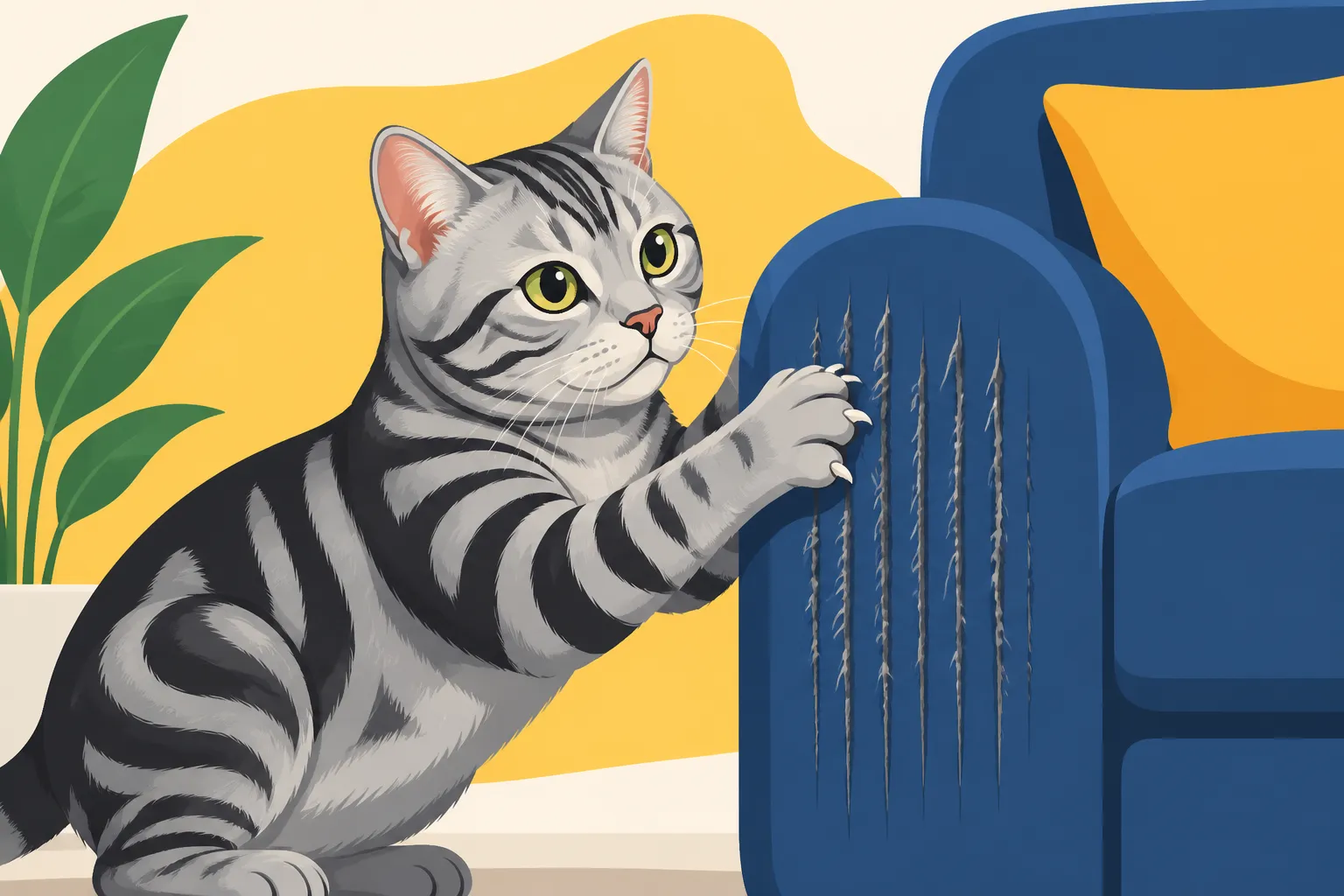
It's a familiar scene for so many cat owners: you walk into your living room, only to find your beloved American Shorthair, looking utterly pleased with itself, sharpening its claws with gusto on the arm of your favorite sofa. It’s frustrating, bewildering, and often expensive to repair. You adore your furry friend, but you also want to protect your furniture. This guide will dive deep into the instinctual reasons behind this behavior and offer practical, empathetic strategies to redirect your American Shorthair's natural urge to scratch away from your upholstery and towards appropriate outlets.
The Primal Purpose Behind Every Scratch
When your American Shorthair is digging its claws into your sofa, it's not trying to annoy you. It's performing a deeply ingrained, essential feline behavior. Understanding these fundamental reasons is the first step toward effective redirection. We tend to think of it as merely "sharpening claws," but there's so much more happening.
More Than Just a Nail Trim: The Biological Imperative
For cats, scratching is a multi-purpose activity that serves several critical biological functions beyond just keeping their nails neat. Imagine their claws as tools, and just like any tool, they need maintenance. As cats scratch, they remove the outer, dull layer of their claws, revealing the sharp, new layer underneath. This is often called "husk" or "sheath" removal. Think of it like a self-manicure, but one that is crucial for their survival in the wild and their well-being in your home.
Without this regular claw conditioning, their claws can become overgrown, brittle, or even painful, curving back into their paw pads. This makes it hard for them to walk, grasp, or defend themselves, even if the "defense" in your home is just batting at a toy mouse. It's an instinctive drive to keep their primary tools in top condition, ensuring they remain agile and capable.
Marking Territory: Scent and Sight
Cats are territorial creatures, and scratching is one of their primary methods of marking their domain. It's not just about leaving visible scratch marks (though that's certainly part of it for us humans!). When your American Shorthair scratches, tiny scent glands in their paw pads release pheromones onto the surface. These pheromones are like invisible messages, communicating to other cats (and, in a way, to themselves) that "this is my territory."
Visually, the shredded fibers and visible claw marks serve as a clear signpost. In the wild, this might warn off a competitor. In your home, it's a way for your cat to feel secure and establish their personal boundaries within shared spaces. It reassures them that they are in a safe, familiar environment. This is why a cat might scratch more when there's a new pet, a new piece of furniture, or even a new scent in the house – they're reaffirming their presence. For more on their natural behaviors, consider The American Shorthair Still Hunts, Whether You Want It To or Not.
A Full Body Stretch: Physical Wellness
Have you ever watched your American Shorthair really dig into a scratching post, stretching their entire body out? It's quite a sight, isn't it? This isn't just an incidental benefit; it's a vital part of their physical health. When a cat stretches to scratch, they're engaging muscles from their shoulders and back all the way down to their paws. It's a full-body workout that helps maintain flexibility, muscle tone, and overall agility.
This stretching helps prevent stiffness, especially in older cats, and keeps their joints limber. Think of it as a feline yoga session. If they don't have an appropriate surface that allows them to fully extend and put their weight into a good scratch, they might seek out something like your sofa, which offers the necessary resistance and height to achieve that satisfying stretch.
The American Shorthair's Enduring Instinct
The American Shorthair isn't just any cat; it's a breed with a rich history rooted in self-sufficiency and hard work. These innate traits directly influence their scratching behavior.
Generations of Independence: The Working Cat Legacy
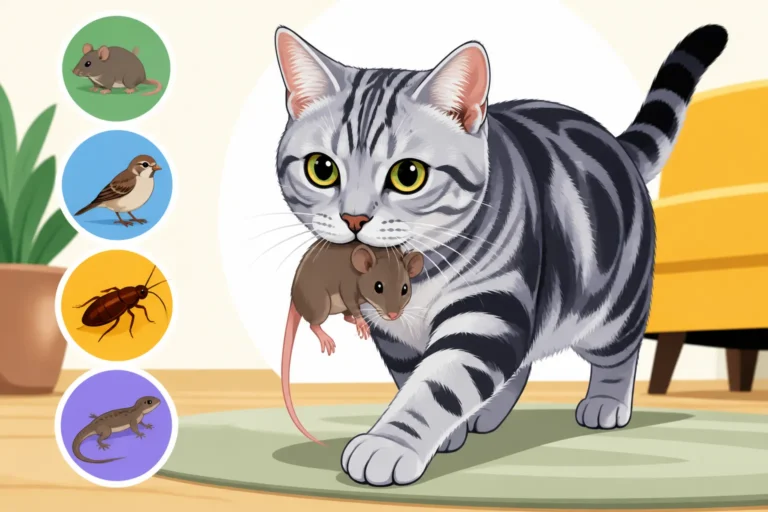
The ancestors of the American Shorthair were robust, independent working cats brought over on ships to control rodent populations. They weren't bred for delicate features or pampered indoor lives; they were bred for function, resilience, and their ability to hunt and survive. This history means they often possess a stronger, more primal drive for natural behaviors compared to some other breeds. Their independence is a hallmark, and you can learn more about it in Why an American Shorthair Was Never Bred to Need You.
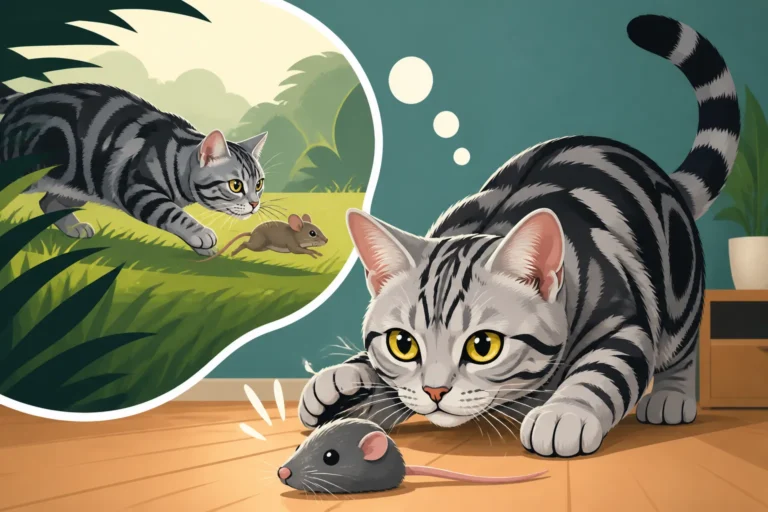
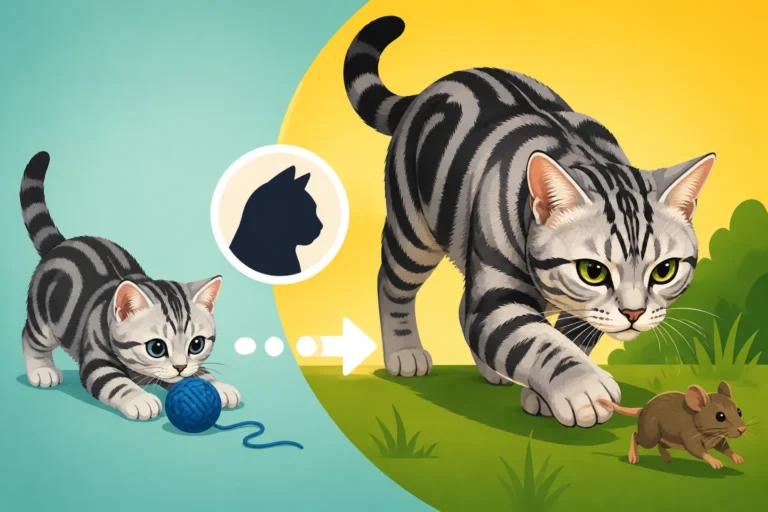
A cat that historically had to fend for itself and patrol large territories needed strong, sharp claws. They used them for climbing, hunting, and marking their vast outdoor domains. Even though your modern American Shorthair probably doesn't have a barn full of mice to clear, that genetic programming for physical activity and territorial marking hasn't faded. It’s part of what makes them such capable and healthy companions, but it also means their need for appropriate outlets for these behaviors is strong.
The Need for Hard-Wearing Surfaces
Given their working background, American Shorthairs are accustomed to using durable, unyielding surfaces for their claw maintenance. Trees, fence posts, even rough barn walls would have been their scratching posts of choice. These natural surfaces provide the perfect resistance for removing claw husks and getting a deep stretch.
Your sofa, with its sturdy frame and tightly woven fabric, often mimics the resistance and feel of these natural, hard-wearing surfaces better than a flimsy, wobbling cat tree might. It feels "right" to them because it provides the opposition they need for a truly satisfying scratch. If you've ever tried to offer a cardboard scratcher that quickly falls apart, you'll understand why your American Shorthair might pass it over for the more substantial feel of your couch.
When the Wild Instinct Meets the Home Environment
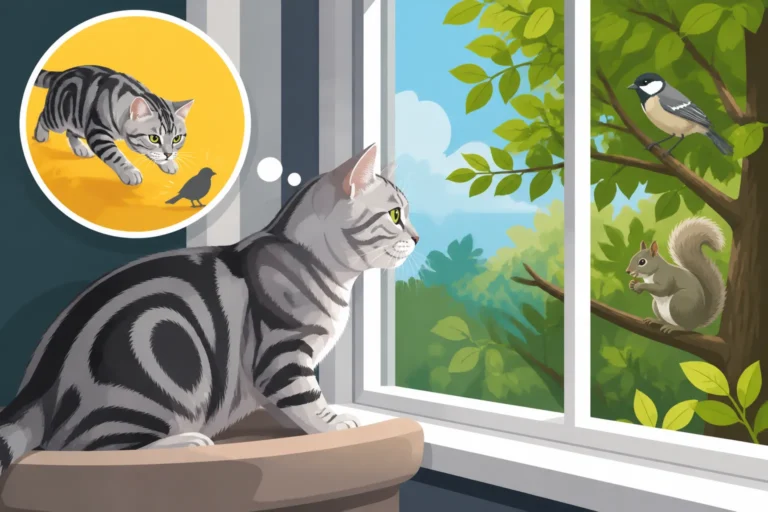
The challenge arises when these deeply ingrained instincts, honed over centuries of outdoor life, are brought into a domestic setting that might not naturally cater to them. Your American Shorthair's brain still tells it to climb, hunt, mark, and maintain its claws, even if its world now consists of plush carpets and polished hardwood floors instead of trees and rough earth.
This mismatch often leads to what we perceive as "bad behavior." Your cat isn't being naughty; it's simply trying to fulfill its natural needs with the resources it has available. The sofa becomes a convenient, sturdy, and often perfectly textured substitute for a tree trunk. It's an accidental target because it fits the bill for their primal urges better than a soft cat bed or a toy. Understanding this helps shift your perspective from frustration to finding solutions that honor their natural inclinations.
Navigating the Indoor Challenge: Why the Sofa?
Let's face it, your sofa is probably one of the most comfortable, well-placed, and frequently used items in your home. To your American Shorthair, it's often the ideal scratching surface by default.
The Appeal of the "Wrong" Surface
Why the sofa? It comes down to a few key factors that inadvertently make it the perfect scratching spot for your American Shorthair:
- Texture: Many sofa fabrics, especially woven ones, offer a satisfying resistance and shreddable quality that cats love. It feels good under their claws and provides the feedback they're looking for when they pull and tear.
- Sturdiness: Unlike a lightweight, wobbly scratching post, a sofa is heavy and doesn't move when your cat leans into a powerful scratch. This stability is crucial for a full, satisfying stretch and a confident clawing session.
- Location: Sofas are often centrally located in common areas where you spend a lot of time. For a territorial animal, scratching in a prominent, high-traffic area is an excellent way to mark their presence. It's a prime piece of real estate in their perceived territory.
- Height: The arms and back of a sofa provide vertical surfaces, allowing your cat to stretch upwards, which is essential for engaging those back and shoulder muscles. Many smaller, horizontal scratchers don't offer this full-body extension.
Lack of Appropriate Alternatives
Often, the problem isn't that your American Shorthair prefers the sofa, but that they haven't been given sufficiently appealing alternatives. If the scratching posts you provide are:
- Too small or flimsy: A short, unstable post won't allow a large, muscular American Shorthair to stretch properly or apply enough force without tipping over.
- The wrong material: Some cats prefer sisal, others carpet, some cardboard, or even plain wood. If you've only offered one type, you might not have hit on their preference yet.
- Poorly located: A scratching post tucked away in a spare room won't be used if your cat's preferred marking spot is the living room. Cats want to scratch where they live and play.
- Worn out: Once a cardboard scratcher is shredded beyond recognition, or a sisal post is bald in spots, it might lose its appeal. They need fresh, engaging surfaces.
Consider that your American Shorthair might need Which Post Lets an American Shorthair Condition Its Claws that truly meets their physical and instinctual needs.
Behavior as Communication
When your cat scratches the sofa, it's also a form of communication. They might be telling you:
- "I need a better scratching post!"
- "This spot needs more marking because I feel insecure."
- "I'm feeling stressed, and this helps me cope."
- "I'm just so happy to see you, and this is my excited stretch!"
Understanding this communication is vital. Punishing the behavior rarely works and can damage your bond. Instead, it teaches your cat to scratch when you're not around or to fear you. The goal is to provide acceptable, even preferable, alternatives.
Preventing Sofa Destruction and Redirecting Natural Urges
Now that we understand the "why," let's get to the "how." It's about making the right choice easy and appealing for your American Shorthair, and the wrong choice difficult or unappealing.
Providing Irresistible Scratching Options
The key is to offer options that are genuinely better than your sofa. This often means providing a variety of types and textures.
- Vertical Scratchers: These are crucial for the full-body stretch your American Shorthair needs. Look for sturdy posts at least 30-36 inches tall, allowing your cat to fully extend upwards. Materials like sisal rope or sisal fabric are usually a big hit because they offer excellent resistance and shreddability. You can find many durable sisal posts on Amazon.
- Horizontal Scratchers: Some cats prefer to scratch horizontally. Cardboard scratchers are popular and easily replaceable. Look for dense, corrugated cardboard that holds up well to vigorous scratching. A flat mat made of sisal or even a rough piece of wood can also serve this purpose.
- Scratching Ramps/Inclines: These offer a compromise between vertical and horizontal, appealing to cats who like a slight angle. They're often made of cardboard or sisal.
Experiment with different materials. Does your American Shorthair seem to prefer the carpet? Then a carpeted post might work. Is it the woven texture of your sofa? Sisal is probably a good bet. Variety is often key in discovering your cat's preference. Don't be afraid to try a few different kinds.
Strategic Placement and Variety
The best scratching post in the world is useless if it's in the wrong place. Think like your cat:
- Place near "Problem Areas": If your American Shorthair is currently scratching the corner of your sofa, place a new, attractive scratching post right next to that corner. Once they start using it consistently, you can gradually move the post a few inches at a time, away from the sofa and to a more permanent, acceptable spot.
- High-Traffic Areas: Remember, scratching is a territorial marker. Place scratchers in prominent areas where your cat spends a lot of time, especially after waking up or eating. Cats often love to scratch right after a nap to get a good stretch.
- Multiple Options: Don't just get one. Aim for at least one good scratching post per cat, plus an extra one, placed in different rooms or different parts of larger rooms. For example, you might have a tall sisal post in the living room and a cardboard horizontal scratcher in the bedroom. This ensures convenience and choice, reducing the likelihood of them reverting to the sofa. Vertical space is also important for cats, and a good cat tree with scratching surfaces provides both. Check out How Much Vertical Space an American Shorthair Needs for more insights.
Encouraging Use Through Positive Reinforcement
Once you have the right scratchers in the right places, you need to make them appealing:
- Catnip Power: Spraying catnip spray (or rubbing fresh catnip) on new scratching posts can make them instantly irresistible. The scent attracts your cat and encourages them to explore and interact with the new surface. You can find catnip spray easily on Amazon.
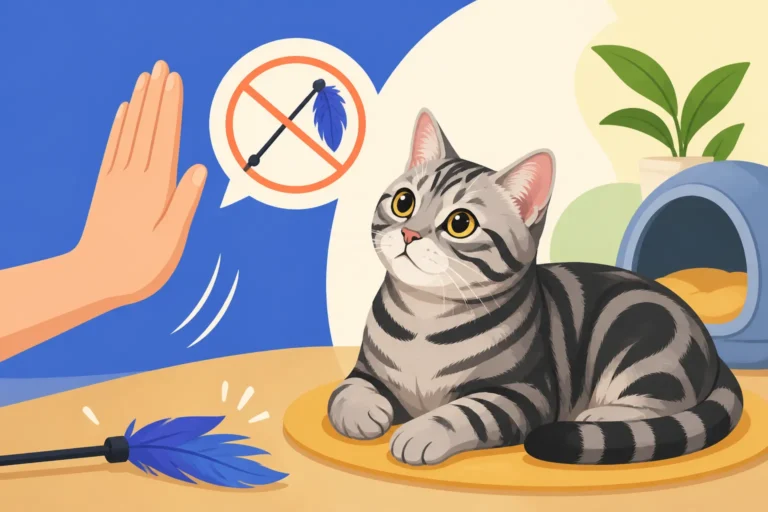
- Interactive Play: Use a wand toy to lead your American Shorthair to the scratching post. Dangle the toy around the post, encouraging them to bat at it and inadvertently get their claws on the scratching surface. When they do, reward them with praise, a treat, or more play. This creates a positive association with the post.
- No Punishment: Never punish your cat for scratching the "wrong" item. As discussed, this can lead to fear and stress, and simply teaches them to avoid scratching when you're watching. Instead, gently redirect them to the appropriate scratcher. If you see them eyeing the sofa, pick them up calmly and place them by their post.
- Praise and Treats: When you see your American Shorthair using their scratching post, offer immediate praise, a gentle pet (if they enjoy it), or a small treat. This reinforces the positive behavior and makes them more likely to repeat it.
Making Your Sofa Less Appealing
While you're encouraging use of the appropriate scratchers, you also need to make the sofa less attractive as a scratching spot.
- Texture Deterrents: Cover the areas of the sofa your cat scratches with materials they dislike. This could be double-sided sticky tape (cats hate the sticky feel), aluminum foil, or even a rough, unpleasant-feeling fabric like a shower curtain liner. Leave these in place for several weeks until the habit is broken.
- Scent Deterrents: Cats generally dislike citrus scents. You can try spraying a citrus-scented deterrent spray on the sofa, or even placing orange or lemon peels near the affected area. Just be sure any spray is cat-safe and won't stain your furniture. You can find various cat-safe deterrents on Amazon that are designed to make surfaces unappealing.
- Clipping Claws Regularly: While scratching is important for shedding claw husks, regularly trimming the tips of your American Shorthair's claws will make them less effective at damaging furniture. This isn't a substitute for scratching posts, but it can reduce the impact of accidental or redirected scratching. Many cats are surprisingly tolerant of claw trims if introduced gently. You might be surprised at How Much a Self Sufficient American Shorthair Misses You even while they're off doing their own thing, like scratching.
It might take some time and patience, but by understanding your American Shorthair's natural instincts and providing compelling alternatives, you can successfully redirect their scratching behavior and save your beloved sofa.
Disclaimer
This article is for general informational purposes only and does not constitute professional advice. Laws, prices and regulations vary by location and change over time. Consult a qualified professional for guidance on your specific situation.