What a Sitter Must Keep Up for an American Shorthair
Leaving your beloved American Shorthair when you go away can be a huge source of anxiety for any cat parent. You worry if they'll be okay, if their routine will be completely upended, or if the person watching them will truly understand their unique, often understated, needs. This comprehensive guide is here to put your mind at ease and ensure that your American Shorthair's sitter is fully equipped to maintain their comfort and routine, keeping them happy and healthy in your absence.
Understanding the American Shorthair's Routine and Needs
American Shorthairs are magnificent creatures, known for their calm demeanor and adaptability. However, even the most laid-back cat thrives on a sense of routine and predictability. When their world is suddenly shifted, even with the best intentions, it can lead to stress or behavioral changes that none of us want for our furbabies.
The Importance of a Consistent Schedule
Imagine your own day: your morning coffee, your lunch break, your evening wind-down. Cats are no different; they are creatures of habit. For an American Shorthair, whose ancestors were diligent workers on ships and farms, routine isn't just a preference—it's practically ingrained. They expect meals at certain times, play sessions around certain hours, and a consistently clean litter box. A disruption to this can leave them feeling insecure or anxious, even if they don't vocalize it dramatically. Perhaps they'll start eating less, or maybe they'll spend more time hiding under the bed. It's frustrating when you return to find your normally well-adjusted cat acting a little off, and often, it's a direct result of a disrupted schedule.
Think about it: your American Shorthair likely spends their day following a pretty predictable rhythm. They patrol their territory, nap in their favorite sunbeams, and anticipate the exact moment you get home for their dinner. For a sitter, understanding and attempting to replicate this rhythm is paramount. This includes feeding times, how often you engage them in play, and even the frequency of litter box cleaning. They really do appreciate a steady pace, and a sitter who respects this will make all the difference. How an American Shorthair Splits Its Day Between Patrol and Sleep details just how important this schedule is to their overall well-being.
Recognizing Their Independent Nature But Not Neglecting It
One of the most endearing qualities of the American Shorthair is their wonderful independence. They're not typically "velcro cats" constantly demanding attention; they're quite content to amuse themselves, observe their surroundings, and generally just be. This can sometimes lead to a misconception that they don't need much interaction from a sitter, which couldn't be further from the truth. While they might not be climbing into a stranger's lap for cuddles immediately, they still need and crave presence and subtle engagement.
Their independence doesn't mean they don't bond deeply with their humans; it just means they express it differently. Instead of constant meows or persistent nudging, an American Shorthair might show affection by simply being in the same room, following you quietly from a distance, or offering a slow blink. A sitter needs to understand this nuanced communication. They shouldn't force interaction but should be available and observant. Even a quiet presence, a gentle word, or a short, focused play session can reassure an American Shorthair that they are not alone and that their world is still safe. It’s about quality over quantity when it comes to attention for these wonderful cats. Remember, An American Shorthair Asks You for Almost Nothing, but that doesn't mean they want nothing at all.
Essential Care Tasks for an American Shorthair Sitter
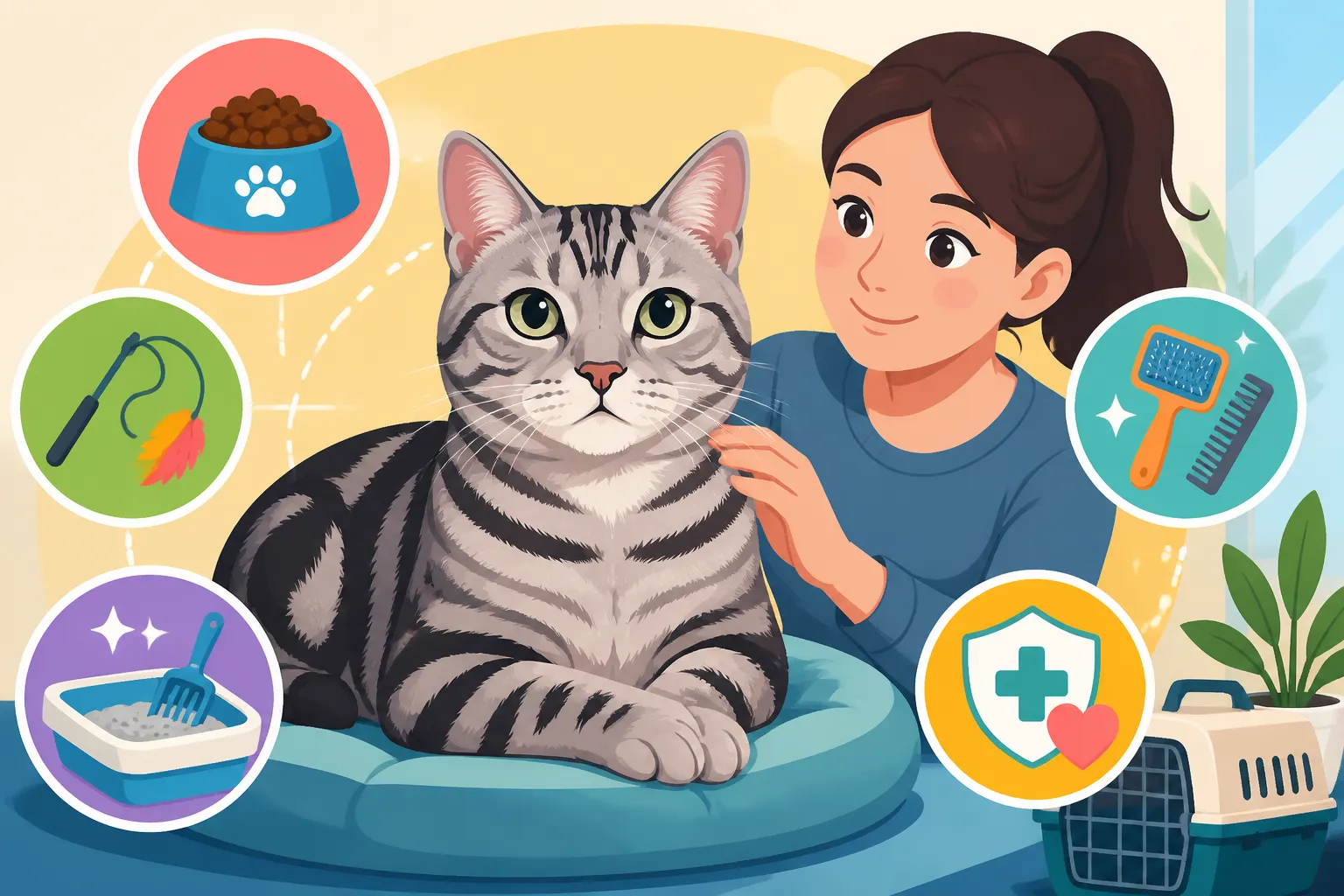
When you entrust your American Shorthair to a sitter, you're not just asking them to feed the cat; you're asking them to step into your shoes and maintain a comfortable, healthy environment. This means being meticulously clear about the daily essentials, from what goes into their bowl to how often their litter box is scooped.
Feeding and Hydration Protocol
Feeding an American Shorthair properly is more critical than many people realize, especially since their ancestors worked for their meals. Without that active hunting lifestyle, they can be prone to weight gain if not portioned correctly. This means your sitter needs explicit, detailed instructions. Don't just say "feed the cat"; specify the exact type of food, the precise amount in cups or grams, and the frequency. Do they get wet food in the morning and dry kibble at night? Is it a specific veterinary diet? Lay it all out.
Hydration is equally important. Ensure the sitter knows where all water bowls are located and how often they need to be cleaned and refilled with fresh water. If your cat uses a filtered water fountain, show them how to clean and maintain it. Many American Shorthairs prefer running water, and a clean fountain encourages them to drink more, which is vital for their urinary health. If your cat is a bit of a gourmand and you use puzzle feeders to slow them down or keep them engaged, instruct your sitter on how to use these. You can find some fantastic, durable puzzle feeders on Amazon that can keep an American Shorthair mentally stimulated while they eat. Portioning for an American Shorthair That Once Worked for Meals can give you even more insight into why this detail is so important.
Litter Box Maintenance
The litter box is arguably one of the most important aspects of your American Shorthair's comfort and health. A dirty litter box is not only unpleasant for them, but it can also lead to stress, inappropriate elimination outside the box, and even urinary issues. Your sitter needs to understand the critical importance of keeping it pristine.
Provide clear, step-by-step instructions: how often to scoop (ideally twice a day, morning and evening), how to dispose of waste, and when to completely empty and clean the box. Explain your preferred litter type – clumping, non-clumping, scented, unscented – as a sudden change can deter some sensitive cats. Make sure they know where to find extra litter and cleaning supplies. Also, confirm the size of the box is adequate for your American Shorthair; they are sturdy, muscular cats, and a small box can feel cramped. If your cat tends to track litter, you might even consider suggesting to your sitter that you have a good litter mat, easily found on Amazon, to help keep things tidy. Knowing How Many Litter Boxes an American Shorthair Needs is also crucial, as a multi-cat household might need even more diligent cleaning.
Play and Enrichment
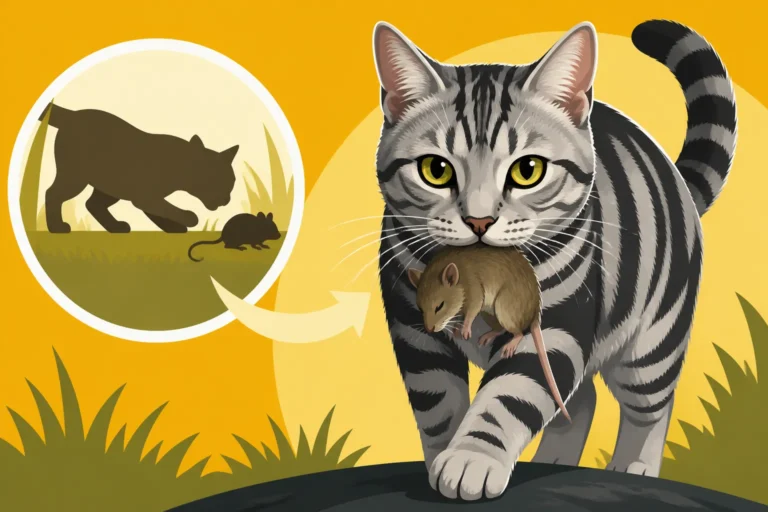
An American Shorthair, even a senior one, retains a strong prey drive. They might be indoors and have no actual "work" to do, but that instinct to hunt is still very much alive. Without proper outlets, this energy can manifest as boredom, restlessness, or even destructive behaviors. Your sitter's role isn't just about feeding and cleaning; it's about providing mental and physical enrichment.
Explain the types of play your American Shorthair enjoys most. Do they love chasing wand toys that mimic birds or mice? Are they fans of kickers? Show the sitter how to use these toys effectively, encouraging stalking, pouncing, and the all-important "catch." The "catch" is vital because it completes the hunting sequence, providing satisfaction and reducing frustration. Aim for at least one or two focused play sessions per day, lasting 10-15 minutes each. If your cat has a favorite specific toy, like a particular feather wand that always gets them going, make sure it's easily accessible for the sitter. Quality interactive toys, like durable wand toys, are excellent ways to engage their hunting instincts and can be quickly purchased on Amazon if you need to replenish your stock. Don't underestimate the power of these sessions; Play That Finishes the Hunting Sequence for an American Shorthair is essential for their mental well-being, and knowing Which Wand Toy Reads as Prey to an American Shorthair can make a huge difference in engagement.
Health, Safety, and Communication for Sitters
Beyond the daily essentials, a sitter needs to be prepared for the unexpected and maintain clear communication. American Shorthairs are notoriously stoic, which means they often hide signs of illness or discomfort until a problem is quite advanced. This makes an observant and well-informed sitter incredibly valuable.
Recognizing Health Changes and Emergency Protocols
Because American Shorthairs are so good at masking discomfort, a sitter must be exceptionally vigilant. Point out what's normal for your cat: their typical appetite, energy levels, litter box habits, and even how they carry themselves. Anything outside this norm, no matter how subtle, warrants attention. Is their gait a little off? Are they eating less? Have they been unusually quiet or withdrawn? These could be critical clues. For instance, Why a Limp in a Stoic American Shorthair Is Never Minor underscores how serious even a slight lameness can be.
Provide your sitter with a clear emergency plan: your veterinarian's contact information, the address of an emergency veterinary clinic, and explicit instructions on when to seek veterinary attention. Leave a signed letter authorizing medical treatment and information on how you'll handle payment for any emergency care. Crucially, emphasize the need to contact you immediately if anything seems amiss. Even a minor change could be significant, and it’s better to be overly cautious. Why a Withdrawn American Shorthair Should See a Vet highlights the importance of acting on behavioral changes.
Home Security and Environmental Safety
Your sitter isn't just caring for your cat; they're also looking after your home. Discuss basic home security measures, such as locking doors and windows, especially if your American Shorthair is an indoor cat. Make sure all windows have secure screens to prevent accidental escapes if they enjoy window gazing.
Beyond security, talk about environmental safety for your feline friend. Point out any household plants that might be toxic, any cabinets that need to remain closed, or small objects that could be swallowed. Ensure that any cleaning supplies are safely stored. American Shorthairs are curious and agile, and while generally sensible, accidents can happen. Maintaining a calm, consistent home environment is also part of safety; sudden loud noises or unfamiliar smells can be stressful. Reassure them that a consistent indoor environment is beneficial, and Whether an Indoor American Shorthair Lives Longer is often directly related to the safety of their surroundings.
Maintaining Communication Channels
One of the biggest anxieties for owners is the unknown. A solid communication plan with your sitter can alleviate much of this stress. Decide on how often you'd like updates – daily texts, photos, or a quick video call. Some owners prefer a simple check-in once a day to confirm all is well, while others love receiving snapshots of their cat enjoying playtime.
Consider creating a shared document or a simple notebook where the sitter can log feedings, litter box activity, and any observations. This allows for clear, ongoing communication without constant back-and-forth messages. Discuss any boundaries or expectations regarding communication: when it's okay to call, and when a text is better. Providing your sitter with a small pet camera, perhaps one found on Amazon that connects to a smartphone app, can offer both you and them extra peace of mind, allowing you to peek in and see your American Shorthair even when they aren't actively texting you.
Tailoring Care for Specific American Shorthair Personalities
While American Shorthairs share many breed traits, each cat is an individual with their own quirks and preferences. A truly excellent sitter will be able to adapt their approach to your cat's specific personality.
The Reserved but Observant American Shorthair
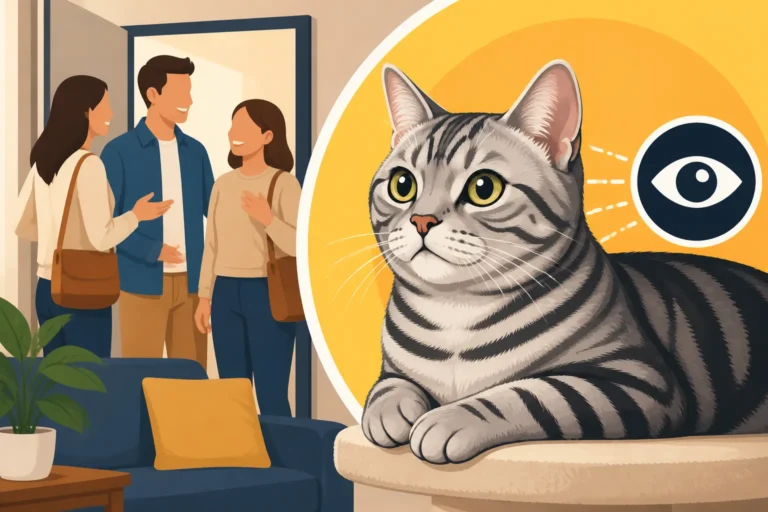
Some American Shorthairs, despite their generally friendly nature, can be a bit reserved, especially with new people. They might prefer to observe from a distance rather than immediately seek interaction. This isn't a sign of unfriendliness; it's simply their cautious, assessing nature. A sitter needs patience and respect for their space.
Instruct your sitter not to force physical contact or chase your cat. Instead, encourage them to offer a calm, consistent presence. Simple things like sitting quietly in the same room, speaking in soft tones, or gently offering a favorite treat can build trust over time. They'll appreciate the low-key approach. They might not jump onto their lap, but they'll likely choose to nap nearby or follow them from a discreet distance. For a reserved American Shorthair, knowing that Why an American Shorthair Watches Guests Instead of Hiding is just their way of processing, rather than outright fear, can help a sitter interpret their behavior correctly.
The Active and Engaged Hunter
Then there are the American Shorthairs who seem to have a perpetually active internal motor. Their hunting instincts are strong, and they thrive on play that challenges them. For these cats, simple petting isn't enough; they need serious engagement.
Your sitter needs to be prepared for more frequent and intense play sessions. Discuss your cat's favorite "prey" movements and how to mimic them with wand toys or laser pointers (with a solid "catch" at the end, of course!). Encourage the sitter to rotate toys to keep things fresh and exciting, preventing boredom. If your cat tends to get destructive when under-stimulated, make sure the sitter understands the importance of these play sessions for redirecting that energy positively. Understanding How Strong an American Shorthair's Hunting Drive Is will help the sitter realize that this isn't just about fun, but fulfilling a deeply ingrained need. Similarly, knowing How Many Hunts a Day an Indoor American Shorthair Needs will guide the sitter in providing adequate enrichment.
Older or Special Needs American Shorthairs
Caring for a senior or special needs American Shorthair requires an even greater level of attention and dedication from a sitter. As cats age, their needs can change dramatically, and issues like arthritis, dental disease, or kidney problems become more common.
If your older American Shorthair is on medication, create a very clear medication schedule, detailing the dosage, frequency, and method of administration (e.g., pill pockets, liquid in food). Ensure the sitter is comfortable and capable of giving medication. Discuss any dietary changes, such as a prescription diet or softened food, and make sure their food and water bowls are easily accessible without having to jump or strain. For older cats, changes in mobility are common, so they might need easier access to their favorite resting spots or litter boxes with lower sides. The sitter should also be acutely aware of any changes in their gait, appetite, or bathroom habits, as these can signal underlying health issues. Caring for an American Shorthair Past Twelve is a different ballgame than a young adult, and observing subtle signs like Why an Old American Shorthair Slows Before It Limps is crucial for early intervention.
Daily Sitter Checklist for Your American Shorthair
To help your sitter stay organized and ensure nothing is missed, here's a handy checklist you can prepare for them:
| Task | Frequency | Details |
|---|---|---|
| Feeding | 2-3 times daily | Exact portions of wet/dry food. Specific brand/type. Location of food. |
| Water | Daily | Refresh all water bowls. Clean fountain. Ensure all water sources are accessible. |
| Litter Box | 1-2 times daily | Scoop waste. Top up litter if needed. Note any changes in urine/stool. |
| Play/Enrichment | 1-2 times daily | 10-15 minute interactive play session using wand toys. Engage hunting instinct. Allow "the catch." Rotate toys. |
| Observation | Throughout day | Monitor appetite, energy levels, litter box use. Note any unusual behavior, hiding, or changes in movement. |
| Medication (if applicable) | As prescribed | Administer all medications per schedule. Document successful administration. |
| Communication | Daily | Send quick text/photo update. Note any concerns or questions for owner. |
| Home Security | Before leaving | Ensure doors/windows are locked. Check screens. Clean up any potential hazards. |
Preparing your sitter with clear instructions, open communication channels, and a thorough understanding of your American Shorthair's unique needs will not only make your time away more peaceful for you, but it will also ensure your wonderful cat remains happy, healthy, and stress-free until you return. Their calm nature might make them seem low-maintenance, but consistent, thoughtful care is the bedrock of their well-being.
Disclaimer
This article is for general informational purposes only and does not constitute professional advice. Laws, prices and regulations vary by location and change over time. Consult a qualified professional for guidance on your specific situation.