How an American Shorthair Reacts to a Vacuum
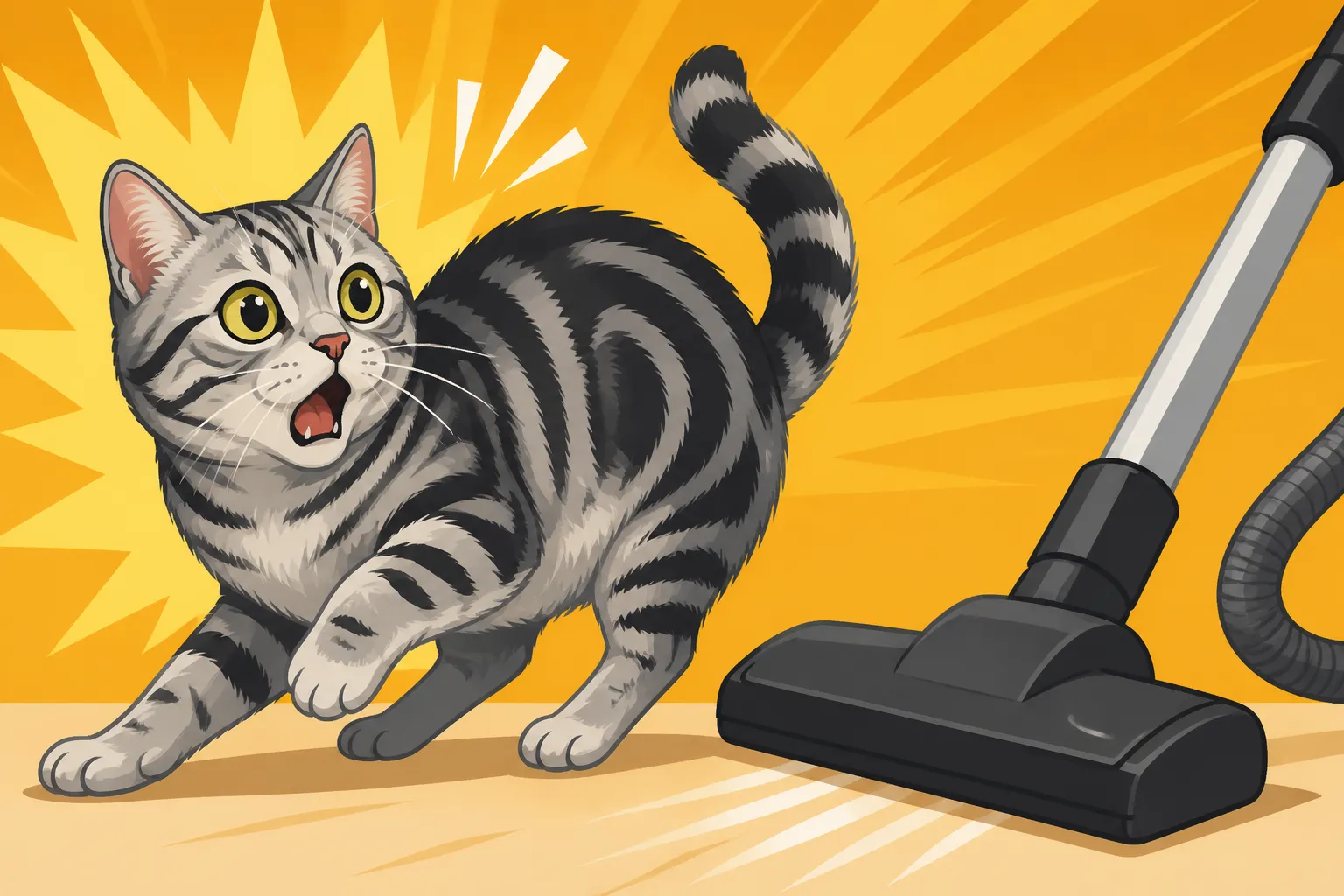
It’s a scene many cat owners know all too well: you pull out the vacuum cleaner, and suddenly your serene household animal transforms into a panicked blur, darting under furniture or hissing from a safe distance. This intense reaction to what we see as a mundane chore can be quite distressing for both you and your beloved American Shorthair. This guide is here to shed light on why your American Shorthair might react the way it does to the vacuum, and more importantly, what practical, empathetic steps you can take to make vacuum day a much calmer experience for everyone involved.
The Primal Fear: Why Vacuums Terrify Cats
To us, a vacuum cleaner is a helpful appliance, but to a cat, it can be a roaring, unpredictable monster. Understanding the root causes of this fear is the first step in helping your American Shorthair cope. It's not just about the noise; it's a whole sensory assault coupled with a violation of their deepest instincts.
Sensory Overload from Noise and Vibration
Imagine a sound that is not only loud but also vibrates through the floor, a sound that appears suddenly and moves with an erratic pattern. That’s often how a vacuum cleaner registers to a cat. Their hearing is far more sensitive than ours, designed to pick up the faintest rustle of prey. A vacuum's decibel level, even a relatively quiet one, can be painful to their ears. The low-frequency rumbling vibrations that travel through the floor are also intensely unsettling, mimicking the vibrations of a large predator approaching. This isn't just a nuisance; it's a physical assault on their senses, making them feel vulnerable and overwhelmed. For a creature whose very survival once depended on subtle environmental cues, this cacophony is nothing short of terrifying.
The Appearance of a Moving "Predator"
Beyond the sound, consider the visual aspect. A vacuum cleaner is a large, often dark, object that moves around their territory seemingly autonomously. It has a long "snout" that sucks things up, and it emits an unnatural, high-pitched whine. From a cat's perspective, this can easily be interpreted as a rival predator invading their space. Cats are highly territorial creatures, and an intruder of this size and aggression is a direct threat. Their instinct kicks in: fight, flight, or freeze. Most opt for flight, seeking refuge from this perceived danger. The unexpected movements and the relentless pursuit of dust bunnies, which might resemble scurrying prey to us, can look like aggressive hunting behavior to a cat, especially one with a strong innate hunting drive. The American Shorthair Still Hunts, Whether You Want It To or Not explores this instinct further.
Territorial Violation and Loss of Control
Cats thrive on routine and control over their environment. Their home is their sanctuary, meticulously mapped out with safe zones, patrol routes, and scent markers. The vacuum cleaner disrupts all of this. It invades every nook and cranny, moving furniture, and erasing their scent, however temporarily. This feeling of having their territory violated and their safe spaces invaded can be deeply unsettling. They lose their sense of predictability and control, which are crucial for a cat's mental well-being. Even after the vacuum is put away, the lingering scent of "clean" (and the loss of their own scent markers) can contribute to a subtle, underlying stress that makes subsequent vacuuming sessions even more dreaded. For an American Shorthair, which is typically quite comfortable in its home, this invasion is particularly jarring.
The American Shorthair's Specific Quirks with the Vacuum
While many cats fear vacuums, the American Shorthair's unique temperament and history can influence how they express that fear. They are known for their calm, adaptable, and generally placid nature, but even the most stoic American Shorthair has its limits.
Stoicism Masks Inner Turmoil
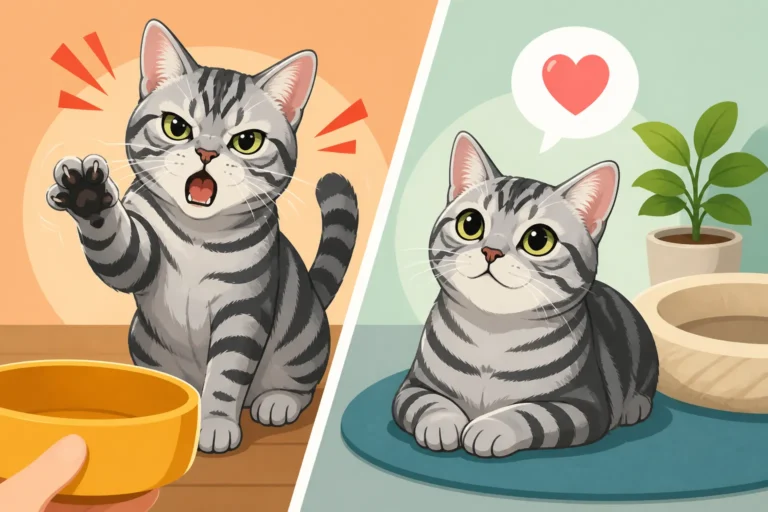
American Shorthairs are often described as easy-going and adaptable. They are less prone to dramatics than some other breeds, and they tend to handle household noise and changes with a surprising degree of composure. How an American Shorthair Handles Household Noise goes into detail about their general tolerance. However, this stoicism can sometimes mask underlying stress. An American Shorthair might not hiss or lash out violently when the vacuum comes out. Instead, they might quietly retreat to a hidden spot, freeze in place, or simply become incredibly still, watching with wide eyes. It's easy for an owner to mistake this quiet retreat for indifference, but it's often a sign of intense discomfort or fear. They're processing the threat internally, choosing avoidance over confrontation. Pay close attention to subtle cues like flattened ears, dilated pupils, or a tucked tail, even if they aren't outwardly vocalizing their distress.
Hunting Instinct and Prey Drive Confusion
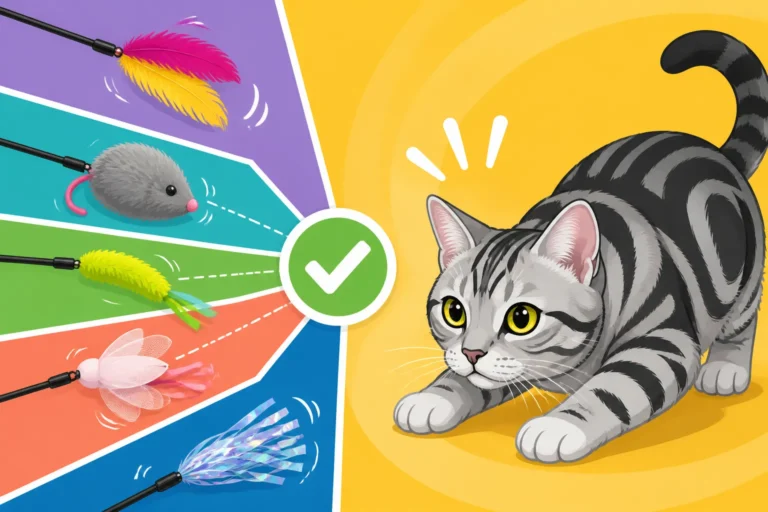
The American Shorthair, with its rich history as a working mouser, possesses a strong, ingrained hunting instinct. Centuries of Ratting Left the American Shorthair Its Drive explains the depth of this behavior. While this makes them excellent at chasing wand toys, it can also play a role in their vacuum reaction. The vacuum's movement, especially when it targets dust bunnies or errant crumbs, can trigger a confusing mix of fear and predatory interest. Is it prey? Is it a predator? The size and noise usually confirm "predator," but the erratic movement can still be deeply unsettling for their ingrained hunt sequence. They might stalk it from a distance, or even try to "hunt" the hose or cord from a safe vantage point, only to be overwhelmed by the noise and retreat. This internal conflict between their prey drive and their survival instinct creates a heightened state of anxiety during vacuuming.
Territorial Defense Without Aggression
American Shorthairs are generally not aggressive cats, even when their territory is challenged. Why an American Shorthair Retreats Before It Scratches highlights their preference for avoidance. When a vacuum invades their personal space, their primary reaction is often to withdraw rather than stand their ground. They might stake out a high perch on a cat tree they found on Amazon, or a cozy spot under the bed, observing the "intruder" from a distance. Their territoriality means they want to know what's happening, but their calm demeanor means they prefer not to engage directly. This doesn't mean they aren't stressed; it means their coping mechanism is to remove themselves from the immediate threat while still monitoring the situation. Understanding this quiet territorial defense helps you identify safe zones they seek out and respect their need for space during this stressful event.
Making Vacuum Day Less Scary for Your American Shorthair
Since we can't just stop vacuuming, the goal is to manage the environment and your cat's perception of the cleaner to minimize stress. A little planning can go a long way.
Strategic Timing and Safe Zones
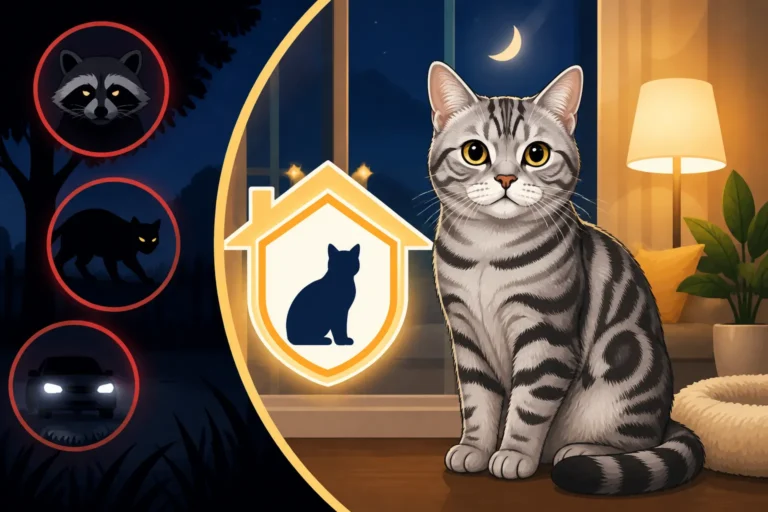
One of the easiest ways to help your American Shorthair is to manage when and where you vacuum. Try to establish a routine where vacuuming happens at a predictable time, perhaps when your cat is naturally less active or even napping in their favorite sunny spot. Before you even pull out the vacuum, ensure your cat has a designated "safe zone" that is far removed from the action. This could be a spare bedroom, a quiet closet, or even a high cat condo where they feel secure. If you can, shut them in this safe room with some toys, a comfortable bed, and fresh water before the vacuuming begins. This prevents them from feeling ambushed and gives them a sense of control over their escape. Don't underestimate the power of simply moving them to a quiet, separate space where the noise and vibrations are significantly dampened.
Gradual Introduction and Positive Association
For American Shorthairs who are particularly sensitive, a slow desensitization process can be incredibly effective. Start by bringing the vacuum out but don't turn it on. Leave it in a corner of a room, allowing your cat to approach and sniff it at their own pace. Offer high-value treats or engage in calm play near the stationary vacuum. You can find some excellent interactive toys on Amazon that mimic prey, which can be great for distraction.
| Phase | Action | American Shorthair Reaction Goal |
|---|---|---|
| Phase 1: Exposure | Place unplugged vacuum in a room. | Sniffs, tolerates presence. |
| Phase 2: Sound 1 | Turn vacuum on briefly (1-2 seconds) from a distance. | Notices, but doesn't panic. |
| Phase 3: Sound 2 | Increase duration/closeness, offer treats during brief on-time. | Associates sound with positive reward. |
| Phase 4: Movement | Vacuum a small, visible area, cat in another room or safe distance. | Observes from afar without extreme fear. |
| Phase 5: Proximity | Gradually vacuum closer to cat's safe zone, continuing treats/praise. | Remains calm in safe zone during cleaning. |
Over several days or even weeks, gradually increase the exposure. Turn the vacuum on for just a second or two, far away, while offering treats or praise. Slowly decrease the distance and increase the duration, always stopping before your cat shows signs of significant stress. The key is to associate the vacuum with positive experiences, not fear.
Distraction and Enrichment
During the actual vacuuming, if your cat can't be safely confined in another room, distractions can be a lifesaver. Engage them in a vigorous play session with a wand toy before you start cleaning, to tire them out and fulfill their natural hunting drive. Afterward, offer a puzzle feeder filled with their favorite treats (many great options are available on Amazon) to keep their mind occupied while you're working. The mental stimulation of solving the puzzle can divert their attention from the noise and help them associate the vacuuming period with a reward. Alternatively, a catnip-filled toy or a sturdy scratching post can provide comfort and an appropriate outlet for any nervous energy. Just make sure the distraction is genuinely engaging enough to cut through the vacuum's noise.
Long-Term Strategies: Desensitization and Positive Association
Helping your American Shorthair truly tolerate the vacuum rather than just endure it takes time, consistency, and a deep understanding of their needs. This isn't a quick fix, but a journey of building trust and positive associations.
Gradual Exposure Therapy
This is the cornerstone of long-term success. It involves systematically exposing your American Shorthair to the vacuum in very controlled, non-threatening ways, gradually increasing the intensity. Start with the vacuum simply being visible in the room, then progress to turning it on for a second in another room, then in the same room from a distance, and so on.
When you do turn it on, keep the sessions short and immediately follow with something positive, like a favorite treat, a dollop of wet food, or a quick play session. The goal is to build a new association: "Vacuum sound means good things happen." Never force your cat closer to the vacuum or restrain them; this will only intensify their fear. Always respect their boundaries and allow them to retreat if they need to. Remember, an American Shorthair's independent nature means they prefer to make their own choices, especially when feeling threatened. Why a Self Reliant American Shorthair Rarely Panics Alone but they also need to feel secure in their choices.
Creating a Secure Sanctuary
Regardless of how well your American Shorthair adapts, they will always appreciate a reliable safe space during vacuuming. This could be a tall cat tree in a quiet corner (you can find multi-level ones on Amazon that offer height and seclusion), a comfy bed hidden under a table, or a designated "cat room" where the vacuum never goes. This sanctuary should be a place where they feel completely secure and undisturbed, a retreat from the "monster" and the chaos it brings. Make sure this space is always available and well-stocked with their favorite bedding, toys, and fresh water. This gives them agency and a sense of predictability, knowing they always have an escape route. How an American Shorthair Handles Leaving Its Territory explains how vital their known environment is to them.
Understanding Your Cat's Limits and Seeking Advice
Some cats, despite the best efforts, will always be fearful of the vacuum. This is especially true for cats with a history of trauma, or those with naturally more anxious dispositions. For a breed as generally unflappable as the American Shorthair, extreme or prolonged fear might warrant a chat with your veterinarian. They can rule out any underlying health issues that might be contributing to anxiety (such as hearing sensitivity from an ear infection) or suggest calming supplements or pheromone diffusers that can help reduce stress. In some severe cases, a veterinary behaviorist might offer tailored strategies to address deep-seated phobias. Remember, your American Shorthair is a sensitive individual, and sometimes, even the calmest cats need a little extra support to navigate our noisy human world. Why a Stoic American Shorthair Hides Pain the Longest reminds us that their quiet nature can conceal distress.
Ultimately, patience and empathy are your greatest tools. By understanding your American Shorthair's instincts and providing consistent, positive support, you can transform vacuum day from a terrifying ordeal into a manageable, even uneventful, part of their routine.
Disclaimer
This article is for general informational purposes only and does not constitute professional advice. Laws, prices and regulations vary by location and change over time. Consult a qualified professional for guidance on your specific situation.