Why an American Shorthair Spreads Itself Across a Household
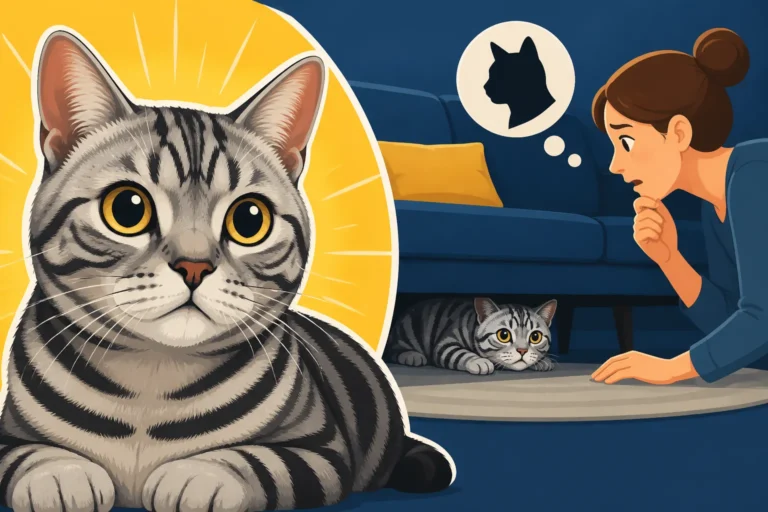
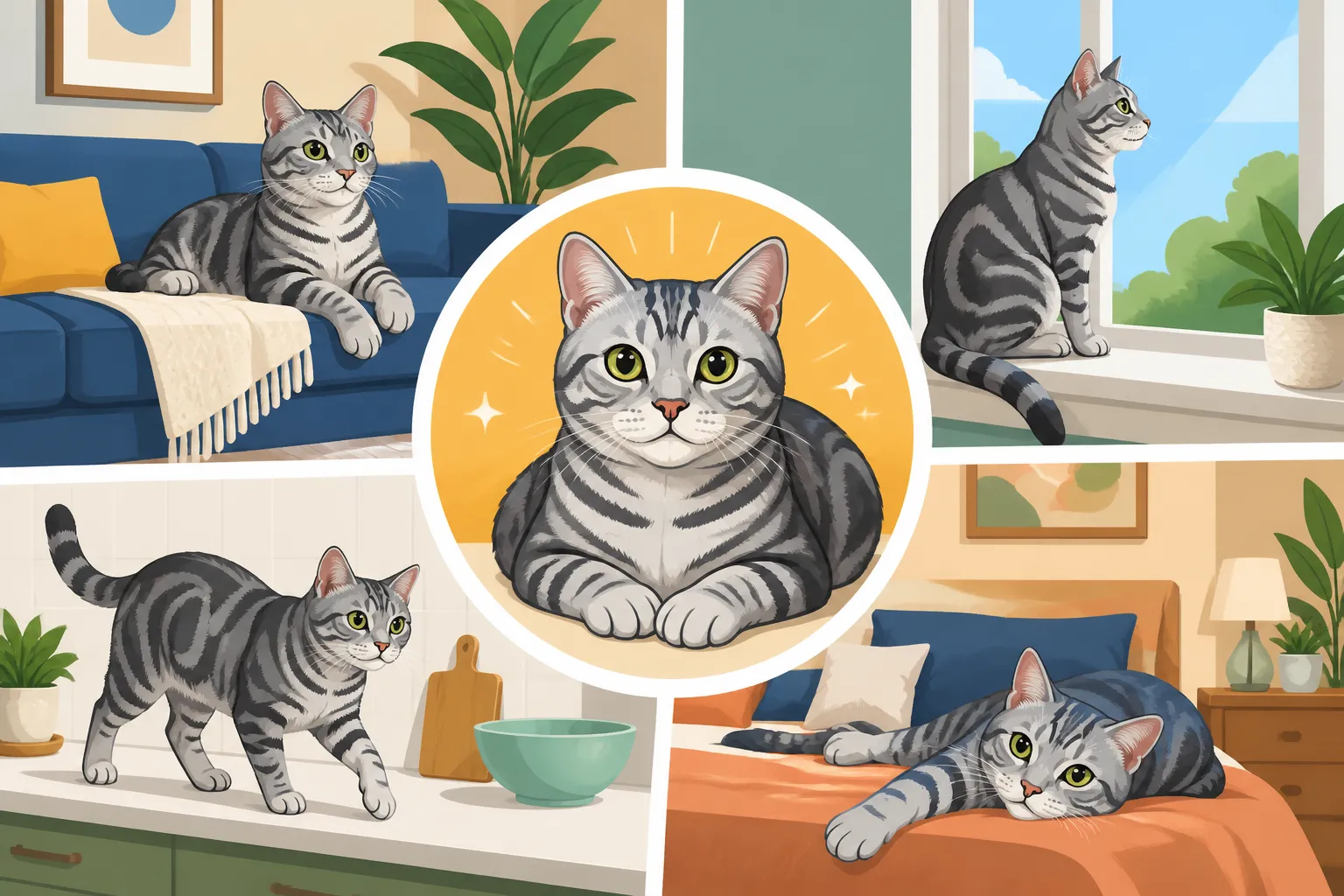
It’s a common observation for American Shorthair owners: you often find your cat in a different spot every time you look, spread out across the sofa, surveying from a windowsill, or tucked away in a quiet corner. This isn't just random lounging; it's a deeply ingrained behavior stemming from their history as competent working cats, designed to maximize their perception of their territory and ensure their security and well-being within your home.
The Deep-Seated Instinct for Territory: A Legacy of the Working Cat
The American Shorthair's ancestors were not bred for luxury but for utility. These were the robust, self-sufficient cats that sailed with early settlers, protecting valuable cargo from rodents on ships and later safeguarding farms and homes from pests. This long history forged a breed whose instincts are heavily geared towards understanding, patrolling, and controlling their environment. When your American Shorthair spreads itself across a household, it's not just making itself comfortable; it's engaging in a sophisticated behavioral dance rooted in survival.
From Barn Cat to Beloved Housemate: The Evolution of Territory
Imagine an American Shorthair's ancestors on a sprawling farm. Their territory wouldn't have been a cozy living room but an entire barn, fields, and surrounding structures. To effectively hunt and survive, they needed to be aware of every nook and cranny, every potential hiding spot for prey, and every possible threat. They would routinely patrol, scent mark, and monitor their domain, ensuring no competitor or danger went unnoticed. This constant, vigilant surveying meant they didn't just pick one spot and stay there; they moved, observed, and claimed a wide expanse.
Bringing this ancient instinct into a modern home, your American Shorthair still feels the need to survey its "farm," even if that farm is a two-bedroom apartment. They're still mapping out the best vantage points, the warmest sunbeams, and the safest napping spots. This isn't a sign of discontent; it's a testament to their inherent drive to manage their personal space. They want to know what’s happening in every room, who’s coming and going, and where the optimal napping and "hunting" (playing!) grounds are.
The Importance of the "Patrol Route"
Every American Shorthair develops a unique patrol route, whether it's through the kitchen, down the hallway, into the bedroom, and back again. This route isn't just for exercise; it's a fundamental aspect of their territorial behavior. By moving through different areas, they are constantly updating their mental map of the household. They’re checking for changes, ensuring their scent markers are present, and maintaining a sense of ownership over their domain. You might notice them rubbing against furniture corners, which is a way of depositing their scent and saying, "This is mine, and I am here." This is why understanding How an American Shorthair Splits Its Day Between Patrol and Sleep is key to appreciating their natural rhythms.
This patrol isn't always a high-energy sprint; sometimes it's a slow, deliberate wander, a sniff here, a gaze out the window there. It’s their way of keeping tabs on their world. Disrupting this routine too often can cause stress, so providing a consistent and predictable environment, even if it's large, helps reinforce their sense of security.
More Than Just Lounging: How American Shorthairs Claim Their Space
When an American Shorthair 'spreads out' in your home, it’s not just a lazy habit. It's a calculated, instinctual way of claiming ownership, communicating their presence, and ensuring their personal security within their perceived territory. This behavior goes beyond mere physical occupation; it involves a complex interplay of scent, sight, and established routines.
Scent Marking and Visual Presence
One of the primary ways an American Shorthair claims its space is through scent marking. You might not see it, but they are constantly depositing their unique scent from glands on their cheeks, paws, and flanks onto various surfaces. When your cat rubs its face on the corner of your desk, bunts your leg, or kneads its paws into a blanket, they are leaving behind a chemical signature that says, "This is safe, this is mine, and I belong here." By moving from room to room, they extend this invisible network of ownership throughout the entire household. This subtle marking is a crucial part of their communication with themselves and any other animals in the home.
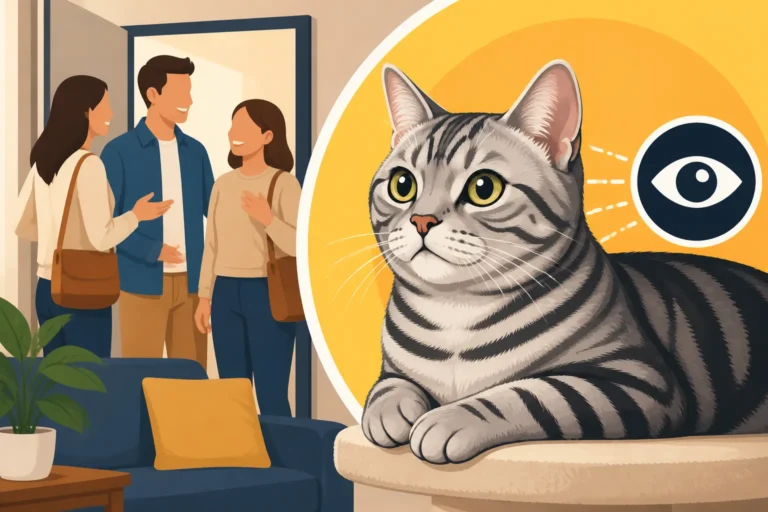
Beyond scent, visual presence is equally vital. An American Shorthair positioning itself on the back of a sofa, a tall cat tree, or a favorite sunbeam isn't just enjoying the view. They are making themselves visible, broadcasting their presence, and surveying their domain. They want to see and be seen, establishing themselves as an integral part of the household landscape. This visual confirmation reinforces their sense of control and allows them to monitor activity, much like their ancestors would have watched for prey or threats. This constant observation is part of their inherent drive, as detailed in The American Shorthair Still Hunts, Whether You Want It To or Not.
Establishing Key Stations and Vantage Points
Think of your home as a series of strategic stations for your American Shorthair. Each room, each high shelf, each window perch, serves a specific purpose in their territorial management. The sunny spot on the living room rug might be for afternoon naps, warming their muscular bodies, while the top of the cat tree in the corner provides an excellent overview of the dining area and kitchen. The bedroom windowsill becomes a prime observation deck, allowing them to watch the birds outside, fulfilling their innate hunting drive by observing potential "prey." This concept ties into Why a Window Is a Hunting Post to an American Shorthair.
These aren't arbitrary choices; they are carefully selected points that allow them to fulfill different needs: resting, observing, feeling secure, or simply soaking up warmth. By utilizing various locations, they create a comprehensive mental map of their home, ensuring they know every escape route, every hiding spot, and every potential source of comfort or stimulation. This is a highly efficient way for a territorial animal to manage a complex environment.
The Benefits of a Broad Patrol: Why Spreading Out Matters to Your ASH
An American Shorthair's inclination to spread itself across the entire household is more than just a quirky habit; it’s a critical behavior that contributes significantly to their mental and physical well-being. This widespread distribution allows them to exercise their instincts, maintain a sense of security, and prevent boredom in an otherwise confined indoor setting.
Mental Stimulation and Environmental Enrichment
For a breed that once relied on its wits to survive and hunt, mental stimulation is paramount. Constantly moving through and surveying different areas of the home provides a rich tapestry of sensory input. They encounter varying light levels, different textures underfoot, and a myriad of household scents, all of which keep their minds sharp and engaged. Strolling from the bustling kitchen to the quiet study, then to the sun-drenched bedroom, offers a dynamic environment that helps stave off the kind of boredom that can lead to behavioral issues.
Consider the cat who spends all day in one room; they might become lethargic, overgroom, or develop anxiety. An American Shorthair, by contrast, is hardwired to explore and observe. Allowing and encouraging them to utilize every part of the home as their territory fulfills this deep-seated need for environmental enrichment. It's their personal "expedition" each day, keeping their minds active and satisfied.
Enhancing Security and Reducing Stress
A well-established and understood territory is a secure territory. When your American Shorthair has explored and marked every corner of the house, they know where they are safe. They know where to retreat if startled, where the food and water bowls are, and where the litter box is located without having to think twice. This comprehensive knowledge of their environment significantly reduces stress and anxiety. If a sudden noise occurs, they aren't disoriented; they know exactly where they are and can react appropriately, whether that's to investigate or find a safe hiding spot.
Furthermore, by occupying various spaces, they prevent other perceived "intruders" (like the new dog or even an unfamiliar houseguest) from taking over their entire domain. While generally placid, their territorial nature means they need to feel secure in their space. A cat who feels its territory is constantly being encroached upon can become withdrawn or aggressive. A freely roaming American Shorthair maintains a healthy sense of control, which translates to a calmer, more confident cat. This resilience in managing their space is also evident when they need to adapt, as seen in How an American Shorthair Adapts to a New Work Routine.
Physical Activity and Instinctual Satisfaction
While indoor American Shorthairs aren't chasing real mice across vast fields anymore, their broad household "patrols" still provide crucial physical activity. Moving from the living room, up the stairs to a bedroom perch, then perhaps descending to investigate a noise in the basement, all contribute to their daily exercise. This movement helps maintain their muscular build, keeps their joints limber, and aids in healthy digestion. These are not dainty cats; they are sturdy, athletic animals that need to move.
More importantly, it provides instinctual satisfaction. The act of exploring, surveying, and moving through different zones taps into their fundamental nature as competent hunters and territorial guardians. It's a substitute for the expansive outdoor life their ancestors led. When they climb to the top of a tall cat tree (easily found on Amazon), they are mimicking the act of surveying from a high branch, observing their world. This fulfillment of natural instincts is vital for their overall happiness and contributes to a long, healthy life.
Creating a Fulfilling Territory for Your American Shorthair
Understanding that your American Shorthair naturally wants to spread itself across your home is the first step toward creating an environment that supports their instincts. Simply opening doors is a start, but optimizing their territory involves thoughtful placement of resources and enrichment to satisfy their ancient drive for exploration and security.
Strategic Placement of Resources
Because an American Shorthair views the entire home as its territory, dispersing essential resources is key. Instead of one central feeding station, consider having multiple water bowls in different rooms. Cats often prefer fresh, moving water, so a water fountain, readily available on Amazon, can be a great addition to a room they frequent less, encouraging them to visit and drink there. Similarly, having more than one litter box in different areas, especially on separate floors if you have them, respects their territorial nature and prevents them from feeling vulnerable when relieving themselves. For more guidance on this, check out How Many Litter Boxes an American Shorthair Needs.
Food can also be distributed. Instead of putting all meals in one bowl, consider using puzzle feeders or hiding small portions of dry kibble in various spots around the house. This encourages them to "hunt" for their food, adding mental and physical engagement throughout their daily patrols. This makes their territory a source of reward, not just a place to exist.
Vertical and Horizontal Expansion
American Shorthairs love to climb and observe from high places. Providing ample vertical space is crucial for satisfying their need to survey their domain. This could mean investing in sturdy cat trees that reach ceiling height, installing wall-mounted shelves or perches, or even simply ensuring clear access to the tops of bookshelves or dressers. These elevated spots serve as safe havens and excellent vantage points for monitoring the household. For ideas on maximizing climbing opportunities, consider How Much Vertical Space an American Shorthair Needs.
Beyond verticality, think about horizontal expansion as well. Ensure they have access to all safe rooms in the house. Clear pathways for their patrol routes, and offer various types of resting spots – a soft blanket in a sunny window, a cozy cave bed in a quiet corner, or even just a designated spot on a human-sized chair. Observing Where an American Shorthair Chooses to Sleep can give you clues about their preferred types of resting places, which you can then replicate in other areas. The more options they have, the more fulfilled their territorial instincts will be.
Integrating Enrichment into Every Zone
To truly make your entire home a rich territory, think about adding various forms of enrichment to each zone. In the living room, perhaps a scratching post or a dangling toy. In the hallway, a crinkly tunnel or a soft mat for stretching. In the bedroom, a window perch for bird watching. Rotate toys frequently to keep things novel and interesting. A good supply of interactive toys, like wand toys or small plush mice, can be found easily on Amazon, and scattering these throughout the house encourages spontaneous play sessions as they go about their patrols.
By thoughtfully designing their environment with their territorial instincts in mind, you not only satisfy their innate needs but also foster a more confident, active, and content American Shorthair. Their tendency to spread themselves across your household isn't a problem to be managed; it's a natural behavior to be celebrated and supported. A cat with a fulfilling territory is a happy cat, and that makes for a happy home.
Disclaimer
This article is for general informational purposes only and does not constitute professional advice. Laws, prices and regulations vary by location and change over time. Consult a qualified professional for guidance on your specific situation.