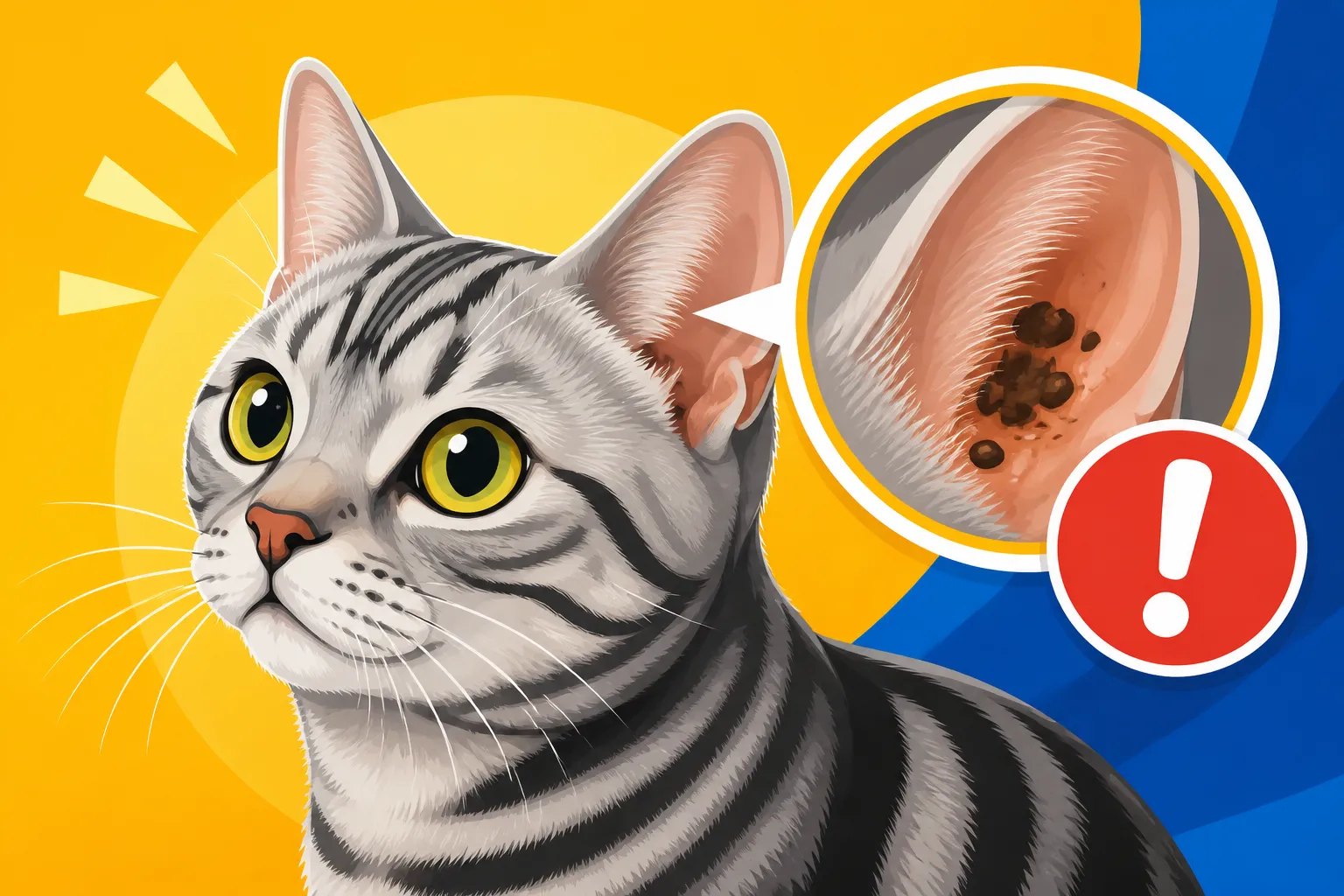
When an American Shorthair’s Ear Wax Means Something
You adore your American Shorthair for their calm demeanor and robust health, but sometimes, a quick peek inside their ears can reveal something unsettling – more wax than usual, or a strange color, maybe even an unpleasant smell. It's easy to dismiss it as just a bit of dirt, but changes in ear wax can actually be a quiet alarm bell for underlying health issues. This guide will help you understand what's normal for your American Shorthair's ears, how to identify signs of trouble, and when it’s time to call in the professionals.
Understanding Your American Shorthair's Ear Wax
When it comes to our beloved American Shorthairs, their ears are generally quite self-sufficient. They don't typically require extensive cleaning or fuss, which is one of the many reasons they're often considered such an easy-going breed. However, even the most low-maintenance cat will produce ear wax, and knowing what’s "normal" is the first step in recognizing when something is amiss.
The Healthy American Shorthair Ear
A healthy American Shorthair ear should be relatively clean, free from strong odors, and have a small amount of ear wax that is usually pale yellow to light brown in color. This wax is a natural and vital part of their ear's self-cleaning mechanism. It traps dust, dirt, and dead skin cells, slowly moving them out of the ear canal. Think of it as a natural protective barrier.
The skin inside their ear flap (the pinna) should be a healthy pale pink, and you shouldn't see any redness, swelling, or discharge that looks out of place. If you gently fold back the ear, you should be able to see into the outer part of the ear canal without any difficulty, and it should appear clear. Your cat shouldn't react with pain or discomfort when you touch their ears. They might even enjoy a gentle scratch behind the ears! This breed is known for its practical, no-nonsense build, and their ears are no exception – they are designed to be functional and self-maintaining. How Often an American Shorthair's Ears Need Cleaning covers more on regular ear care.
When Ear Wax Changes Signal Trouble
Now, if that natural, light brown wax starts to change, that's when your inner alarm bells should start ringing. We're talking about a significant increase in the amount of wax, a dramatic change in its color, or the sudden appearance of a foul odor. These are not minor cosmetic issues; they are often direct indicators that something is irritating or infecting your cat's ears.
For instance, if the wax turns very dark brown or black, resembling coffee grounds, that's almost always a classic sign of ear mites. If it becomes yellowish-green and pus-like, you're likely dealing with a bacterial infection. A thick, dark, and waxy discharge that smells yeasty or sweet can point to a fungal infection, often caused by yeast. The texture also matters; if it becomes crusty or sticky, it’s certainly not normal. A healthy ear produces a soft, slightly greasy wax, not something that feels dry and flaky or thick and gooey. Pay attention to these nuances, as your observant eye is your American Shorthair's first line of defense.
Here's a quick comparison of what you might see:
| Characteristic | Normal Ear Wax | Abnormal Ear Wax |
|---|---|---|
| Color | Pale yellow to light brown | Dark brown, black (like coffee grounds), yellow, green, red/bloody |
| Consistency | Soft, slightly greasy | Crusty, flaky, sticky, thick, gooey, liquid |
| Odor | Odorless or very faint, natural scent | Foul, yeasty, sweet, pungent |
| Amount | Minimal, easily visible in outer ear | Excessive, accumulating, visible on outer ear flap |
| Associated Signs | None | Redness, swelling, pain, scratching, head shaking, discharge, scabs |
Common Causes of Problematic Ear Wax in American Shorthairs
Understanding what abnormal ear wax looks like is only half the battle; knowing why it might be happening is crucial for addressing the issue effectively. For an American Shorthair, a breed generally known for its robust health, ear problems usually stem from a few common culprits.
Pesky Parasites: Ear Mites
Ear mites are tiny arachnids that love to set up home in the warm, dark canals of a cat's ear. They are incredibly common, especially in kittens or cats who have spent time outdoors or in shelters. If your American Shorthair suddenly develops an intense itch around their ears, accompanied by dark, crumbly, coffee-ground-like discharge, ear mites are usually the prime suspect. These mites cause immense irritation, leading to excessive scratching, head shaking, and sometimes even raw skin or secondary infections from all the scratching.
It’s easy to think a little itch is no big deal, but ear mites are more than just an annoyance. The constant irritation can make your cat miserable and lead to further complications. If you suspect mites, it's best to consult your vet rather than attempting home remedies, as specific medications are needed to eradicate them completely. Early detection and treatment are key to preventing prolonged discomfort for your feline friend. Which Parasites an Outdoor American Shorthair Picks Up provides more context on general parasite concerns.
Invading Organisms: Bacterial and Yeast Infections
Beyond mites, bacterial and yeast infections are frequent offenders when it comes to problematic ear wax. These can occur as primary infections or, more commonly, as secondary infections that develop because the ear canal's delicate balance has been disrupted by something else, like mites or allergies.
Bacterial infections often manifest with a yellowish or greenish, pus-like discharge, which usually carries a foul odor. The ear might also appear red and swollen. Yeast infections, particularly Malassezia, tend to produce a dark, waxy, and often yeasty or sweet-smelling discharge. Both types of infections are incredibly uncomfortable for your cat, often causing pain, itchiness, and irritation. They require proper veterinary diagnosis and prescription medications, typically in the form of ear drops, to clear them up. Trying to treat these at home with over-the-counter products can often worsen the problem or delay effective treatment, especially if you're not entirely sure what you're dealing with.
Allergic Reactions
Yes, even our stoic American Shorthairs can suffer from allergies, and surprisingly, their ears are often a common site for symptoms to appear. Just like in humans, cat allergies can be environmental (pollen, dust mites) or food-related. When an allergic reaction flares up, it can cause inflammation and irritation throughout the body, including the delicate skin of the ear canals. This inflammation then creates a prime environment for secondary bacterial or yeast infections to take hold, leading to increased wax production, redness, and itchiness.
If your American Shorthair's ear issues seem to be chronic or recurring, despite treatment, it's worth considering allergies as the underlying cause. Your vet might suggest a food trial with a novel protein or hydrolyzed diet. Environmental allergies might be managed with medication or by reducing exposure to triggers. Identifying and managing the allergy is crucial not only for ear health but for your cat's overall comfort. How Often an American Shorthair Reacts to a Food delves deeper into dietary sensitivities.
Other Less Common Culprits
While mites, bacteria, yeast, and allergies cover the vast majority of ear wax issues, there are a few other, less common reasons your American Shorthair might have problematic ear wax. Sometimes, a foreign body – like a tiny grass seed or a piece of plant material – can accidentally make its way into the ear canal, causing irritation, inflammation, and subsequent wax buildup. This is more common in outdoor cats.
Polyamines or tumors, though rare, can also develop in the ear canal and lead to excessive discharge and discomfort. These are typically slow-growing and more common in older cats. Additionally, certain autoimmune diseases can manifest with skin and ear problems. While these causes are less frequent, they underscore the importance of a proper veterinary examination when you notice persistent or unusual ear issues in your American Shorthair, especially given their tendency to hide pain. Why a Stoic American Shorthair Hides Pain the Longest explains this breed trait in detail.
How to Spot the Signs Beyond Just the Wax
As cat owners, we know our American Shorthairs are masters of disguise when it comes to pain or discomfort. They might not always cry out or make a huge fuss, which means it’s up to us to be observant. Abnormal ear wax is a primary clue, but your cat's behavior and the physical state of their ears can provide even more telling signs that something is seriously wrong.
Behavioral Cues From Your American Shorthair
Beyond a quick glance at the ear wax itself, pay close attention to how your American Shorthair is acting. One of the most obvious signs of ear discomfort is persistent head shaking. They might do a quick, sharp shake, as if trying to dislodge something, or more prolonged, agitated shakes. Another tell-tale sign is excessive scratching around the ears. You might notice them using a back paw to vigorously scratch their ear, or rubbing their head against furniture or the carpet. This relentless itching can lead to raw spots, hair loss, or even open wounds around the ear and face.
If the discomfort is significant, your cat might become more withdrawn or irritable. They might flinch or hiss if you try to touch their head or ears, which is a stark contrast to their usual easy-going nature. Some cats might even tilt their head to one side consistently, favoring the unaffected ear. A decrease in appetite or a general lethargy could also accompany severe ear infections, signaling that the issue is impacting their overall well-being. These subtle shifts in behavior are crucial indicators that your otherwise robust American Shorthair is not feeling their best.
Visual Inspection Beyond the Ear Wax
When you’re looking at your American Shorthair’s ears, go beyond just the wax. Carefully examine the outer ear flap and the visible parts of the ear canal. Look for redness, swelling, or inflammation. The skin might appear visibly irritated or warm to the touch. You might also notice scabs, crusts, or even small areas of bleeding, especially if your cat has been scratching intensely.
Sometimes, hair loss around the ear or at the base of the ear can be a sign of chronic irritation. In severe cases, the ear canal itself might look narrowed or swollen, which can be seen by gently pulling back the pinna. If the ear appears particularly dirty, beyond just the wax, perhaps with sticky residue on the fur surrounding the ear, this can also point to an underlying problem. Remember, the goal is to compare what you see to the healthy, clean appearance you’re used to. Any deviation from that norm, especially coupled with changes in ear wax, warrants further investigation.
When to Call the Vet for Your American Shorthair's Ears
It's easy to get caught in a "wait and see" pattern, especially with a breed as generally healthy and outwardly stoic as the American Shorthair. However, when it comes to ear problems, prompt veterinary attention can make a huge difference in your cat's comfort and the ease of treatment. Ignoring persistent ear issues can lead to chronic infections, damage to the ear drum, or even spread of infection beyond the ear.
Urgent Symptoms That Need Immediate Attention
Some symptoms are simply too serious to ignore and warrant an immediate call to your veterinarian. If your American Shorthair is exhibiting signs of severe pain, such as crying out when their ear is touched, refusing to let you near their head, or aggressively trying to scratch their ear, it's time to act fast. Likewise, if you notice a significant, sudden discharge that is yellow, green, bloody, or has a strong, repulsive odor, don't delay.
Disorientation, a loss of balance, or persistent head tilting can indicate a deeper infection affecting the middle or inner ear, which can be much more serious and requires urgent medical intervention. If the ear is visibly swollen, hot, or has an open wound from scratching, these are also red flags. An untreated severe ear infection can quickly escalate, causing prolonged suffering for your cat. Even though American Shorthairs are often Why an American Shorthair Is a Low Anesthetic Risk, any severe infection could complicate future care if left untreated. Don't risk it; trust your gut if you feel something is urgently wrong. What an American Shorthair's Emergency Visit Costs can give you an idea of the financial implications of delaying care.
Persistent Issues and Recurring Problems
Even if the symptoms aren't immediately alarming, persistent or recurring ear problems should always prompt a vet visit. Perhaps the wax isn't extremely foul-smelling, but it's consistently dark brown and present in large quantities. Or maybe you've tried cleaning their ears gently at home, and the problem simply keeps coming back a few days later. These are all signs that there's an underlying cause that needs professional diagnosis and treatment.
Self-diagnosing and using over-the-counter remedies without knowing the exact issue can often mask symptoms, delay proper treatment, or even worsen the condition, especially if you're using products not suited for the specific type of infection or parasite. Your veterinarian has the tools and expertise to properly examine the ear canal, take samples for microscopic analysis, and prescribe the correct medication. They can identify ear mites, bacterial overgrowth, or yeast infections with certainty, ensuring your American Shorthair gets the targeted care they need. Think of it as investing in their long-term comfort and health. For older cats, these issues can be even more complex, making early intervention vital. Caring for an American Shorthair Past Twelve touches on age-related health changes.
Preventative Care and Maintaining Ear Health
Our American Shorthairs are generally healthy, robust cats, but even they benefit from a little preventative care when it comes to their ears. Regular, gentle attention can help you spot potential problems early and keep their ears clean and comfortable, reducing the chances of those troublesome ear wax changes.
Routine Ear Checks at Home
The best defense is a good offense, and for ear health, that means regular checks. Make it a habit to gently lift your American Shorthair’s ear flap once a week or every couple of weeks. Take a moment to look inside the visible part of the ear canal. What does the wax look like? Is there a normal amount? Is the skin pink and healthy, or do you see any redness, swelling, or irritation? Give it a gentle sniff – does it smell clean and neutral, or is there an unpleasant odor?
This doesn't have to be a stressful ordeal for your cat. Make it a positive experience by offering treats and praise. Starting this routine when they are young, perhaps even as a kitten, can help them become accustomed to it. If you have a rescue American Shorthair and aren't sure of their history, establishing a consistent health check routine is even more important. Whether a Rescue American Shorthair's Missing History Matters Here highlights how much regular observation can help you bridge knowledge gaps. These quick check-ins are your opportunity to catch small changes before they escalate into major problems, saving your cat discomfort and you a potentially larger vet bill. How Much Less an American Shorthair Owner Spends at the Vet by staying on top of preventative care.
Gentle Cleaning Techniques When Needed
Most American Shorthairs, with their self-grooming prowess, won't need their ears cleaned frequently. In fact, over-cleaning can actually irritate the delicate ear canal and disrupt its natural balance, leading to more problems. However, if you do notice a small amount of normal, light brown wax starting to build up, or if your vet advises it, you can perform a gentle cleaning at home.
Always use a vet-approved ear cleaning solution specifically designed for cats, available at pet supply stores or online through retailers like Chewy or Amazon. Avoid cotton swabs, as these can push debris further into the ear canal or even damage the eardrum. Instead, saturate a cotton ball or a soft gauze pad with the cleaner. Gently wipe the visible folds and crevices of the outer ear, making sure not to go deep into the canal. Always follow your vet's specific instructions. If your cat tolerates it, you can administer a few drops of cleaner directly into the ear canal, massage the base of the ear, and then let your cat shake their head to loosen debris, before wiping away any excess that comes out. The key is gentle, not vigorous. How to Clean an American Shorthair's Ears provides more detailed steps.
The Role of Diet and Environment
While not directly about ear wax, diet and environmental factors can play a significant indirect role in ear health, especially for American Shorthairs prone to allergies. A high-quality, balanced diet supports overall immune health, making your cat more resilient to infections. If your cat has suspected food allergies, switching to a hypoallergenic diet can significantly reduce inflammatory responses that might manifest as ear problems.
Additionally, keeping your home environment clean can help. Regular vacuuming and dusting can reduce environmental allergens like dust mites that might trigger allergic ear flare-ups. If your American Shorthair is an indoor-only cat, their exposure to external allergens and parasites like ear mites is naturally lower, which is a huge advantage. However, even indoor cats can be exposed to things brought in on your clothes or shoes. Maintaining a clean living space and a nutritious diet are fundamental pillars in supporting your American Shorthair's general health, including the health of their ears. These efforts ensure your cherished companion remains as robust and low-maintenance as their breed standard promises. How Regularly a Healthy American Shorthair Still Needs Checking highlights the importance of consistent care.
Disclaimer
This article is for general informational purposes only and does not constitute professional advice. Laws, prices and regulations vary by location and change over time. Consult a qualified professional for guidance on your specific situation.