Whether the American Shorthair Is Any Easier on Allergies
Many cat lovers yearn for the companionship of a feline friend, but the reality of allergies can feel like an insurmountable barrier. You might hear whispers about certain breeds being "hypoallergenic," and if you're looking at the wonderful American Shorthair, you're likely wondering if this sturdy, beloved breed is any easier on your sneezes and itchy eyes. This guide will explore the often-misunderstood world of cat allergies and help you understand what to expect with an American Shorthair.
The Truth About Cat Allergies and "Hypoallergenic" Breeds
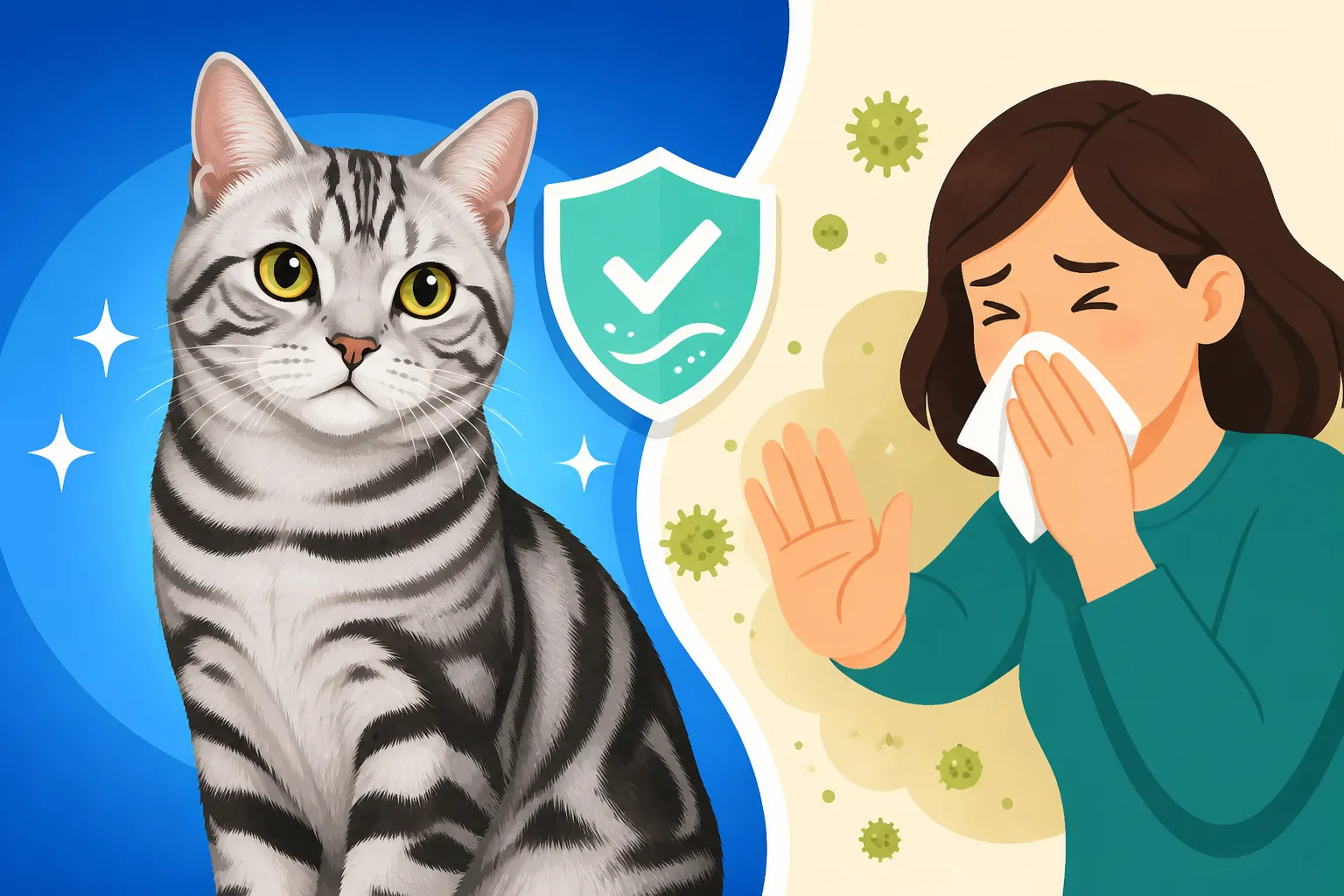
It's a common, heartbreaking misconception that some cats are truly "hypoallergenic" and won't cause allergies at all. The truth is, there's no such thing as a 100% allergy-free cat, and anyone telling you otherwise might be setting you up for disappointment. Allergies are complex, and while some breeds or individual cats might be less allergenic for certain people, they can never be entirely free of the proteins that trigger reactions.
It's Not the Fur, It's the Protein: Unpacking Fel d 1
The real culprit behind most cat allergies isn't the fur itself, but a specific protein called Fel d 1. This tiny protein is produced in a cat's saliva, sebaceous glands (skin), and urine. When your American Shorthair grooms itself, it deposits saliva containing Fel d 1 onto its fur. As the saliva dries, the protein-laden dander (microscopic skin flakes) becomes airborne and spreads throughout your home. This dander, along with dried saliva and urine particles, is what triggers the allergic reaction in sensitive individuals.
Think about it: a cat doesn't need long hair to produce saliva, dander, or urine. Every cat, regardless of breed or coat length, produces some level of Fel d 1. This protein is incredibly sticky and lightweight, meaning it easily attaches to clothing, furniture, and circulates in the air, making it notoriously difficult to escape. Validating this frustration, it’s why even after cleaning intensely, you might still feel those tell-tale sniffles when you spend time in a cat-owning household.
Why Short Hair Doesn't Equal No Allergies
Given that Fel d 1 is the main issue, you might wonder why the American Shorthair, with its relatively short, dense coat, is often suggested as a potentially "easier" option. The logic often goes that less fur means less shedding, which in turn means less allergen spread. While less shedding can help reduce the distribution of allergens, it doesn't stop their production. The American Shorthair's practical, weather-resistant coat, while not excessively long, still sheds hair and, more importantly, dander.
Some "hypoallergenic" claims for breeds like Siberians or Sphynx cats stem from different factors: Siberians are thought to produce lower levels of Fel d 1 on average, while Sphynx cats, being hairless, don't have fur to trap and distribute the dander as readily. However, even Sphynx cats produce Fel d 1 from their skin and saliva, and they still require regular bathing to remove oily buildup that can contain these proteins. For the American Shorthair, the short coat makes them easy to care for, but it doesn't give them a free pass on allergen production. The key is understanding that the allergen comes from the cat's body, not just its hair, and any cat with a body will produce it.
The American Shorthair's Role in Your Allergy Journey
So, if no cat is truly hypoallergenic, what does that mean for someone considering an American Shorthair? It means you need to understand their specific characteristics and how they might impact allergen levels in your home, rather than hoping for a miracle. The American Shorthair is a robust, natural breed, and their physical traits are more about practical resilience than mitigating human allergies.
Understanding the American Shorthair's Coat and Dander Production
The American Shorthair is known for its short, dense, even, and hard coat. This coat was historically functional, protecting them from the elements and making them efficient hunters. It's designed to be protective, not necessarily to reduce allergen dispersal. While it's not a long, flowing coat that will visibly shed huge clumps of fur daily, it is a double coat in many cases, especially in colder climates, which can hold onto dander quite effectively.
Because of this density, the dander particles, which are constantly being produced by the skin, can get trapped within the coat. When the cat grooms itself, or when you pet it, these dander particles are released into the air. The good news is that their grooming habits tend to be quite thorough. How Much an American Shorthair Spends Grooming Itself gives you an idea of how dedicated they are to keeping themselves tidy, but this also means they are constantly spreading their saliva, and therefore Fel d 1, over their entire body. This isn't a flaw of the breed; it's just how cats work.
Shedding Cycles and Allergen Dispersal in Your Home
All cats shed, and the American Shorthair is no exception. They typically have two major shedding seasons each year: a heavier shed in the spring to lighten their coat for warmer weather, and another in the fall to prepare for the growth of a thicker winter coat. During these times, you'll notice more hair around your home, and with that hair comes more dander and dried saliva. For allergy sufferers, these periods can be particularly challenging.
Think of it like this: even if the individual hairs are short, if there are more of them coming off, there's more surface area for the Fel d 1 protein to hitch a ride on. Managing this shedding is crucial for anyone with allergies. Articles like How Much Comes Off an American Shorthair in Spring and How Much Comes Off an American Shorthair in Fall delve into these seasonal changes, which are vital to consider when anticipating allergen spikes. While the American Shorthair rarely mats, which is a grooming benefit, the sheer volume of shedding during these times can still significantly impact indoor allergen levels.
Practical Strategies for Living with an American Shorthair and Allergies
If you're determined to bring an American Shorthair into your life despite allergies, don't despair! While there's no magic bullet, a combination of consistent strategies can significantly reduce your exposure to allergens and make living together much more comfortable. It takes effort, but it's absolutely possible for many people to manage.
Environmental Management: Creating an Allergy-Friendly Home
Controlling the environment is probably the most impactful step you can take. Your home needs to become a fortress against circulating allergens.
- Dedicated Cat-Free Zones: Designate at least one room, preferably your bedroom, as a cat-free sanctuary. This gives you a space where you can retreat and breathe allergen-free air for several hours a day, which can make a huge difference in managing your symptoms. Keep the door closed, and be diligent about not letting your American Shorthair sneak in.
- High-Efficiency Particulate Air (HEPA) Filters: Invest in good quality air purifiers for the rooms your cat spends the most time in, and especially in your bedroom (even if it's a cat-free zone, allergens can still drift). Make sure the filters are changed regularly. Many excellent models are available through retailers like Amazon, offering various sizes and features to fit different room dimensions.
- Frequent Cleaning: This is non-negotiable. Vacuum daily with a vacuum cleaner equipped with a HEPA filter. Damp mop hard floors frequently to pick up dander rather than just pushing it around. Wipe down surfaces, including walls and furniture, regularly. Microfiber cloths, often found on Amazon or at local hardware stores, are great for trapping dust and dander.
- Washable Fabrics: Replace heavy curtains, carpets, and upholstered furniture with easily washable alternatives. Opt for washable throw blankets, slipcovers, and blinds. Wash bedding, including pet beds, in hot water at least once a week.
- Consider Allergen-Reducing Sprays: Some sprays are designed to neutralize allergens on surfaces. While not a cure-all, they can be part of a comprehensive cleaning strategy.
Grooming Routines and Dietary Considerations
While your American Shorthair is a self-sufficient groomer, a little help from you can go a long way in reducing allergens.
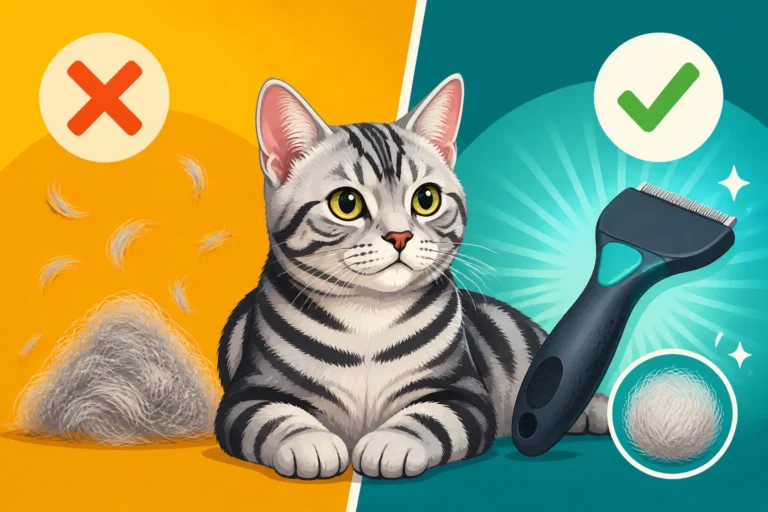
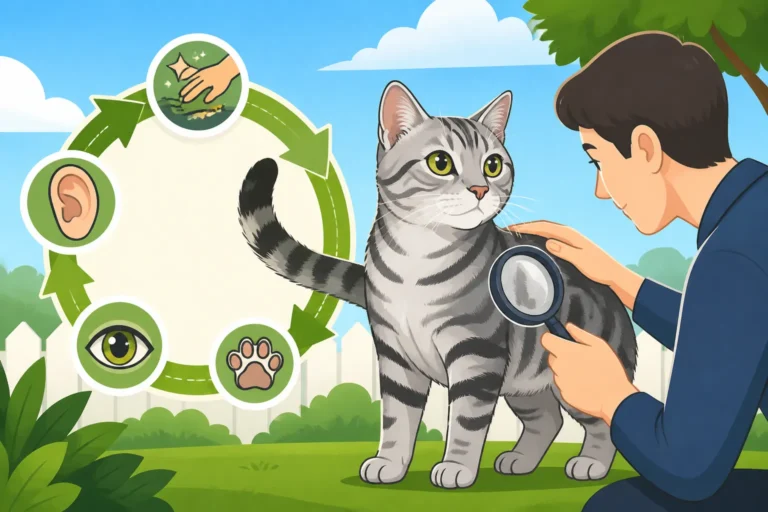
- Regular Brushing: Brush your American Shorthair daily, or at least several times a week, to remove loose fur and dander before it can spread throughout your home. Do this outdoors if possible, or in a well-ventilated area away from main living spaces. A good rubber brush or a deshedding tool can be incredibly effective. Consider products from Chewy that are specifically designed for short-haired cats. You can explore How Often an American Shorthair Should Actually Be Combed and Whether a Rubber Brush Works on an American Shorthair for specific tools and techniques.
- Occasional Bathing: This might sound daunting, but some allergy sufferers find that bathing their cat every few weeks can significantly reduce allergen levels. Use a cat-specific shampoo to avoid drying out their skin. If you start this when they're a kitten, they're more likely to tolerate it. However, the American Shorthair generally Why an American Shorthair Rarely Needs a Bath due to their self-grooming.
- Dietary Impact: A healthy cat with healthy skin and coat produces less dander. Ensure your American Shorthair is on a high-quality diet. Diets rich in Omega-3 and Omega-6 fatty acids can promote skin health and reduce excessive shedding and dry skin, which contributes to dander. Fresh, balanced meals, high-quality kibble, and wet food options can all be beneficial for coat health. Talk to your vet about the best diet for your individual cat's needs and how it might impact skin and coat health.
Personal and Veterinary Support for Allergy Sufferers
Beyond managing the cat and the environment, there are steps you can take for your own well-being.
- Antihistamines and Nasal Sprays: Over-the-counter antihistamines or prescription nasal sprays can help manage immediate allergy symptoms. Always consult with your doctor or an allergist to find the best course of action for you.
- Immunotherapy (Allergy Shots): For severe allergies, immunotherapy can be a long-term solution. This involves a series of injections that gradually desensitize your immune system to the Fel d 1 protein. It's a commitment but can offer significant relief.
- Wash Your Hands: After petting or handling your American Shorthair, always wash your hands thoroughly to remove any allergens before touching your face.
- Protective Clothing: When engaging in grooming or intense cleaning, wear an old long-sleeved shirt and even a mask to minimize direct contact with allergens.
Setting Realistic Expectations: No Cat is 100% Allergy-Free
It bears repeating: the American Shorthair, like all cats, produces Fel d 1, the primary allergen. Expecting a completely allergy-free experience will only lead to disappointment. Your goal should be management, not elimination. Understanding that this breed is not inherently "hypoallergenic" is the first step towards a sustainable, loving relationship.
Individual Variation in Allergen Production
Here's where things get interesting and a bit less predictable. While we know all cats produce Fel d 1, the amount of protein produced can vary significantly from one individual cat to another, even within the same breed.
Some American Shorthairs might naturally produce less Fel d 1 than others. Factors like a cat's sex (males tend to produce more than females, especially unneutered males), age, and individual genetics can play a role. A lighter colored cat is also sometimes noted as having lower allergen levels than a darker cat. This means that two American Shorthairs could elicit very different reactions in the same allergic person. This variability is why trying to find a truly "hypoallergenic" breed can be so frustrating and why How Much an American Shorthair Sets Off Allergies often depends on the specific cat and person.
Testing and Exposure: The Best Approach
Given the individual variations, the absolute best way to determine if you can live comfortably with an American Shorthair is to spend time with the specific cat you are considering.
- Visit in Person: Before making any commitment, arrange to spend extended periods with the cat. Visit the breeder's home or shelter multiple times. Try to interact with the cat in an environment similar to your own home (e.g., sitting on furniture, petting).
- Take Home a Blanket: Ask if you can take a blanket or towel that the cat has slept on home with you for a few days to see if it triggers a reaction in your personal space.
- Discuss with the Breeder: A responsible American Shorthair breeder will be understanding of your concerns and might even be willing to let you spend time with the kitten's parents or other cats from the line to gauge your reaction. They understand that a good match is important for both the cat and the family.
Ultimately, choosing an American Shorthair when you have allergies requires a proactive approach, diligent management, and realistic expectations. With the right strategies, many allergy sufferers successfully share their lives with these wonderful, adaptable cats.
| Factor | Common Misconception About Allergies | Reality with American Shorthairs |
|---|---|---|
| Cause of Allergies | Cat hair | Fel d 1 protein (in saliva, dander) |
| Short Hair Benefit | No allergies | May reduce distribution of allergens, but not production |
| Dander Production | Only long-haired cats produce a lot | All cats produce dander, American Shorthairs included |
| Shedding | American Shorthairs don't shed | They shed, especially seasonally (How Much Comes Off an American Shorthair in Spring) |
| "Hypoallergenic" Status | They are hypoallergenic | No cat is truly hypoallergenic |
| Management Efficacy | Hope for the best | Requires consistent environmental and grooming efforts |
Disclaimer
This article is for general informational purposes only and does not constitute professional advice. Laws, prices and regulations vary by location and change over time. Consult a qualified professional for guidance on your specific situation.