Why an American Shorthair Is a Low Anesthetic Risk
The thought of your beloved feline friend going under anesthesia can be incredibly stressful, can't it? It’s completely natural to feel that knot in your stomach, worrying about all the "what-ifs." Many cat owners face this anxiety, especially when their vet recommends a procedure that requires sedation. However, if you're the proud parent of an American Shorthair, you can breathe a little easier. These wonderful cats are actually considered a low anesthetic risk, and this guide is here to explain why, helping to put your mind at ease.
The Robust Health Profile of the American Shorthair
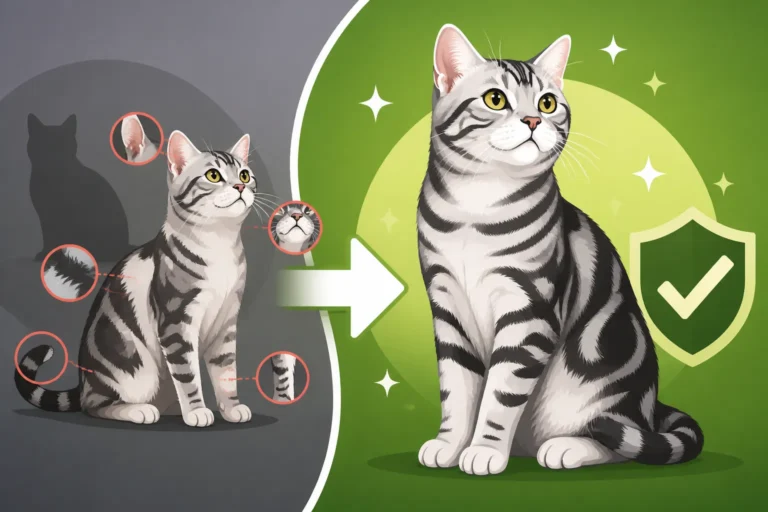
One of the greatest gifts of the American Shorthair breed is its remarkably stable and resilient health profile. Unlike many other purebred cats that have been selectively bred for extreme aesthetics, sometimes at the expense of their well-being, the American Shorthair maintains a connection to its working-cat origins. This lineage has bestowed upon them a natural hardiness that translates directly into fewer complications during medical procedures, including anesthesia.
A Legacy of Natural Selection and Function
Imagine cats that sailed across oceans, working tirelessly to keep ships free of rodents, and then adapted to life on farms and in bustling American cities. These were the ancestors of our modern American Shorthair, and their survival depended entirely on their robustness, intelligence, and adaptability. There was no room for delicate constitutions or genetic weaknesses that would hinder their ability to hunt and thrive. Over centuries, nature weeded out traits that would lead to frailty, leaving us with a cat that is, in many ways, a benchmark for feline health. This natural selection process is why the breed is often seen as The American Shorthair Is the Control Group of Cat Breeding.
Because breeders initially focused on preserving these functional traits rather than exaggerating cosmetic ones, the American Shorthair never developed the extreme physical characteristics seen in some other pedigrees. They have well-proportioned bodies, sturdy bone structures, and sensible facial features. This lack of exaggerated traits means they generally avoid the breed-specific health problems that plague cats with flattened faces, overly long bodies, or unusually structured limbs. Their straightforward physiology makes them less prone to the anatomical quirks that can complicate anesthesia.
Minimal Inherited Health Conditions
It's a sad reality that many purebred cats come with a laundry list of potential genetic health issues that breeders must screen for. These conditions can range from kidney disease to certain cancers, and they can significantly increase the risk associated with any medical procedure, including anesthesia. The American Shorthair, thankfully, is largely an exception to this trend. Their broad gene pool, maintained through careful breeding practices and historical openness to outcrossing with robust domestic shorthairs, has kept many of the more debilitating genetic diseases at bay.
While no breed is entirely immune to genetic issues, the American Shorthair has remarkably few specific inherited conditions that are prevalent. The primary genetic concern that still exists within the breed is Hypertrophic Cardiomyopathy (HCM), a thickening of the heart muscle. Even so, the incidence of HCM in American Shorthairs is relatively low compared to some other breeds, and responsible breeders diligently screen their cats for it. This means that while HCM Is the One Inherited Disease the American Shorthair Kept, it's typically identified early, and reputable breeders remove affected cats from their lines, further reducing its prevalence. This proactive screening helps ensure that cats entering a vet's care for anesthesia are as healthy as possible.
Physiological Advantages for Anesthesia
Beyond their general hardiness, American Shorthairs possess specific physiological attributes that contribute to their low anesthetic risk. These are the practical, anatomical reasons why they often sail through sedation with fewer hitches than some of their more "designer" counterparts.
Clear Airways and Brachycephalic Absence
One of the most significant advantages an American Shorthair has during anesthesia is its normal, well-structured airway. If you've ever looked at a Persian or a Himalayan, you'll notice their distinctively flattened faces. These brachycephalic (short-nosed) breeds often suffer from Brachycephalic Obstructive Airway Syndrome (BOAS), a condition where their shortened nasal passages, elongated soft palates, and narrow tracheas make breathing inherently difficult. Under anesthesia, these issues are severely exacerbated. The muscles relax, and the already compromised airways can collapse, leading to oxygen deprivation, difficult intubation, and prolonged, risky recoveries.
An American Shorthair, on the other hand, boasts a wonderfully proportioned head with a normal muzzle length and wide, open nostrils. Their pharyngeal and laryngeal structures are typically clear and unobstructed. This means that during anesthesia, oxygen can flow freely to their lungs, and carbon dioxide can be efficiently expelled. Vets find intubation (placing a breathing tube into the windpipe) much easier, and the risk of respiratory distress during and after the procedure is significantly lower. This anatomical normality simplifies the anesthetic process for both the cat and the veterinary team.
Strong Cardiovascular Systems
The strong, athletic build of the American Shorthair is often indicative of a robust internal system, and that includes their cardiovascular health. Bred for activity and stamina, these cats generally have healthy hearts and efficient circulatory systems. A strong heart ensures that anesthetic drugs are metabolized and eliminated effectively, and that vital organs receive adequate blood flow and oxygen throughout the procedure. Stable blood pressure is crucial during anesthesia, and a healthy American Shorthair’s heart is typically better equipped to maintain this stability.
While we did discuss HCM, it's important to reiterate that while it's the one inherited cardiac concern, it's not universally present. For American Shorthairs without HCM, their hearts are typically very resilient. Regular veterinary check-ups, especially annual heart screenings as encouraged by articles like Why an American Shorthair Still Needs a Yearly Heart Scan, help detect any underlying issues early. If a heart condition is found, even in a low-risk breed, your vet can then tailor the anesthetic protocol, perhaps using different drugs or providing more intensive monitoring, to minimize risk. This proactive approach further enhances their safety, often supported by pet insurance providers like Healthy Paws who prioritize comprehensive care.
How American Shorthairs Compare to Other Breeds Regarding Anesthetic Risk
Understanding the American Shorthair's low anesthetic risk becomes even clearer when we compare them to breeds that face higher inherent challenges. This isn't to say other breeds aren't wonderful companions, but rather to highlight the unique advantages of the American Shorthair's natural resilience.
Breeds with Higher Inherent Risks
Several cat breeds are known to carry higher anesthetic risks due to their specific genetic predispositions or physical conformations. As mentioned, brachycephalic breeds like the Persian, Himalayan, and Exotic Shorthair face significant respiratory challenges. Their compressed facial structures make intubation difficult and recovery from sedation a careful balancing act to prevent airway obstruction. They often require specialized monitoring and a slower, more controlled recovery period.
Beyond respiratory issues, some breeds have a higher incidence of cardiac conditions that elevate anesthetic risk. While the American Shorthair can carry HCM, breeds like the Maine Coon and Ragdoll also have a higher documented prevalence of this condition, often requiring extensive pre-anesthetic cardiac evaluations. Anesthesia can put additional strain on an already compromised heart, increasing the risk of arrhythmias or cardiac arrest. Other breeds might have musculoskeletal issues that complicate positioning during surgery or require more potent pain relief, which can also interact with anesthetic agents. Breeds prone to obesity, like the British Shorthair, also face increased anesthetic risk due to the impact of excess weight on cardiovascular and respiratory function, which is a concern that even affects American Shorthairs, as explored in Obesity Is What Ending the American Shorthair's Job Cost It.
The Vet Bill Difference
The inherent health profile of a cat breed often has a direct impact on veterinary costs over their lifetime. Breeds with multiple predispositions to genetic diseases or conformational challenges tend to incur significantly higher veterinary bills for diagnostic tests, specialized treatments, and potentially more complex anesthetic procedures. For instance, a Persian requiring anesthesia might need additional pre-surgical respiratory evaluations, a longer period of anesthetic monitoring, and a more gradual recovery, all of which add to the cost. This is one reason Why an American Shorthair Costs a Vet Less Than a Persian in general.
The American Shorthair's low anesthetic risk and generally robust health often mean fewer unexpected emergency visits or complex medical interventions that require sedation. This can translate into more predictable and often lower overall healthcare costs throughout their life. This is where pet insurance can really shine, even for a low-risk breed. While the premiums for an American Shorthair might be lower because Whether Insurers Price the American Shorthair Low, having a comprehensive plan from a provider like Healthy Paws can still provide invaluable peace of mind. It ensures that if any unexpected illness or injury does occur, you can make healthcare decisions based on what’s best for your cat, not solely on your wallet, covering things like unforeseen emergencies or ongoing treatment for conditions that might eventually need anesthetic procedures.
Pre-Anesthetic Protocols for American Shorthairs
Even with their low-risk profile, proper pre-anesthetic protocols are absolutely non-negotiable for American Shorthairs. "Low risk" doesn't mean "no risk," and a thorough approach by your veterinary team is essential to ensure the safest possible outcome.
Comprehensive Health Screenings Are Key
Before any American Shorthair is put under anesthesia, a comprehensive health screening is paramount. This isn't just a cursory glance; it's a deep dive into your cat's current physiological state to identify any hidden issues that could turn a low-risk procedure into a high-risk one. This typically begins with a thorough physical examination, where the vet listens to the heart and lungs, checks gum color, assesses hydration, and generally evaluates the cat's overall demeanor and condition. Any murmurs or abnormal lung sounds will warrant further investigation, such as an echocardiogram or chest X-rays.
Following the physical, pre-anesthetic bloodwork is almost always recommended. This includes a complete blood count (CBC) to check for anemia, infection, and platelet levels, and a biochemistry panel to assess organ function, particularly the liver and kidneys, which are crucial for metabolizing and eliminating anesthetic drugs. Understanding Which Blood Values Matter Most in an American Shorthair helps the vet select the safest drug cocktail and dosage. For older cats, or those with suspected underlying conditions, additional tests like a urinalysis, thyroid panel, or even an ECG might be performed. These screenings provide a crucial baseline and ensure that any potential concerns are identified and addressed before the anesthetic even begins, reflecting the meticulous approach reputable breeders take to screening, as detailed in What an American Shorthair Breeder Should Have Screened.
Mitigating Common Risks Even in a Robust Cat
Even in a breed as generally healthy as the American Shorthair, certain factors can still elevate anesthetic risk. Age is a significant one. While American Shorthairs are known for their longevity, often living into their late teens, an older cat (typically over 10-12 years) will naturally have more wear and tear on their organs. Special considerations for Caring for an American Shorthair Past Twelve include potential subclinical kidney disease, early-stage heart conditions, or other age-related changes that necessitate a more cautious anesthetic approach. For senior American Shorthairs, vets often recommend more extensive pre-anesthetic testing to catch these subtle issues.
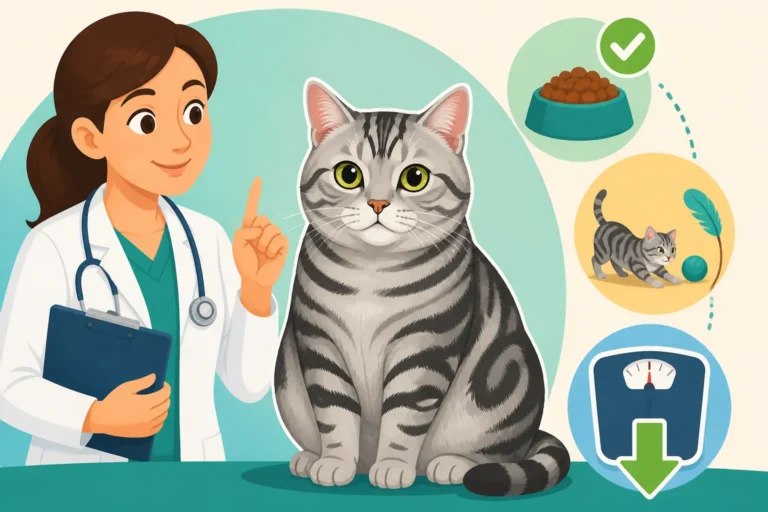
Another common concern, even in naturally active breeds, is obesity. Many American Shorthairs, especially those living exclusively indoors without the "job" of hunting, can easily become overweight. Excess weight places additional strain on the heart and lungs, makes breathing more labored, and can complicate intubation and recovery. Obese cats also tend to metabolize drugs differently, requiring careful dosage adjustments. While the American Shorthair is generally a muscular breed, it’s important to monitor their weight carefully and ensure they maintain an ideal body condition. Your vet will discuss these factors with you, tailoring the anesthetic plan to your individual cat, and choosing drugs that are short-acting and easily reversible to enhance safety.
The Owner's Role in Ensuring Anesthetic Safety
As a pet parent, you are a vital part of your American Shorthair's healthcare team. Your observations, communication, and adherence to post-procedure instructions play a critical role in ensuring a safe anesthetic experience.
Open Communication with Your Veterinarian
Before your American Shorthair undergoes any procedure requiring anesthesia, it's incredibly important to have an open and honest conversation with your veterinarian. This is your chance to voice any concerns, share critical information about your cat's history, and ask all the questions bubbling in your mind. Don't hold back any details, even if they seem minor. Has your cat had any changes in appetite, energy levels, or litter box habits recently? Even subtle shifts can indicate underlying health issues that might affect anesthetic safety. For instance, increased thirst could be a sign of early kidney disease or diabetes.
Ask your vet about the specific anesthetic protocol they plan to use. Inquire about the drugs, the monitoring equipment, and what contingency plans are in place. Understanding the process can significantly reduce your anxiety. Your vet will explain the pre-anesthetic bloodwork results, any findings from the physical exam, and how these inform their approach. They should walk you through the entire procedure, from pre-medication to recovery. This proactive communication ensures that your vet has a complete picture of your cat's health, allowing them to make the most informed decisions for their safety. It also helps you understand the value of pet insurance, as plans from Healthy Paws can help cover unexpected medical bills, making it easier to say yes to all recommended diagnostics.
Post-Procedure Care and Monitoring
The period immediately following anesthesia is just as crucial as the preparation. Your American Shorthair might come home a little groggy, disoriented, or even nauseous. Your vet will provide detailed discharge instructions, and adhering to these meticulously is vital for a smooth recovery. This includes advice on feeding (often small, bland meals initially), restricting activity, administering any prescribed medications, and monitoring for specific signs that warrant concern.
Keep a close eye on your cat's breathing, gum color, and overall demeanor. Look for any excessive lethargy, vomiting, or difficulty walking. While these are usually minor and resolve quickly, persistent or worsening symptoms should prompt an immediate call to your vet. Remember that even though American Shorthairs are low-risk, complications can still occur. Having clear instructions and knowing what to watch for empowers you to act quickly if something seems amiss. For instance, if your cat has undergone a procedure like a dental cleaning, you'll need to monitor their eating habits. Knowing that you have comprehensive pet insurance, perhaps from a provider like Healthy Paws, can provide significant relief during this time, covering potential follow-up visits or unexpected complications without adding financial stress to an already anxious situation. This safety net allows you to focus solely on your cat's recovery without worrying about the cost of What an American Shorthair's Emergency Visit Costs if a rare complication arises.
| Factor | American Shorthair | Brachycephalic Breeds (e.g., Persian) | Other High-Risk Breeds (e.g., Maine Coon for HCM) |
|---|---|---|---|
| Airway Structure | Normal, open airways | Compressed, often obstructed airways | Generally normal (unless obese) |
| Respiratory Risk | Very low | High (BOAS) | Low (unless obese) |
| Cardiac Risk (HCM) | Low incidence, screened by breeders | Moderate incidence, screened by breeders | Higher incidence, extensive screening needed |
| Metabolism of Drugs | Generally efficient | Can be slower due to respiratory compromise | Generally efficient (unless underlying disease) |
| Intubation Difficulty | Easy | Difficult | Easy |
| Recovery Time | Typically smooth and quick | Often prolonged, requires close monitoring | Typically smooth, monitoring for cardiac signs |
| Overall Anesthetic Risk | Low | High | Moderate to High (depending on specific condition) |
Disclaimer
The information provided in this article is for general educational purposes only and should not be considered a substitute for professional veterinary advice. Always consult with a qualified veterinarian regarding any health concerns or before making any decisions about your pet's medical care, especially concerning anesthesia. Individual outcomes can vary, and your veterinarian is the best resource for assessing your cat's specific health needs and risks.