How to Start Toothbrushing an American Shorthair Kitten
If you've ever tried to brush a grown cat's teeth, you know it can feel like wrestling a tiny, fur-covered ninja. It’s a common frustration that many cat parents face, yet dental health is incredibly important for our feline friends. This guide is all about setting your American Shorthair kitten up for a lifetime of good oral hygiene, making toothbrushing a manageable, even pleasant, part of their routine from the very beginning.
Why Early Dental Care is Crucial for Your American Shorthair Kitten
It’s easy to think of dental care as something you only worry about with older cats, but that couldn’t be further from the truth. Just like with human children, the habits we establish in kittenhood lay the groundwork for a lifetime of health. Ignoring dental hygiene early on can lead to a cascade of problems that are not only painful for your beloved American Shorthair but also costly and stressful for you down the road.
Understanding the Foundation of Feline Oral Health
When your American Shorthair kitten is young, their mouth is a blank slate. This is the prime time to introduce routines that will protect them from common dental ailments later in life. Imagine their tiny, sharp teeth as a pristine landscape; over time, without proper care, plaque starts to build up, clinging to the tooth surfaces. This sticky film is a bacterial party waiting to happen. If not removed, it hardens into tartar, a calcified substance that can't be brushed away at home.
Once tartar forms, it creates a rough surface where more bacteria can thrive, irritating the gums and leading to gingivitis—inflammation that can make their gums red, swollen, and prone to bleeding. This is often the precursor to full-blown periodontal disease, where the inflammation spreads, damaging the supporting structures of the teeth. We're talking about bone loss, loosening teeth, and even infections that can spread to other organs. Establishing brushing early on is truly a game-changer, acting as a preventative shield against these silent, insidious threats. Preventing these issues starts with you, long before they become visible problems.
The American Shorthair's Unique Dental Needs
Our American Shorthairs are celebrated for their robust health and long lifespans. They are, after all, a breed often used as a benchmark for what a healthy, well-adjusted cat should be. You might even find yourself reading about Why the American Shorthair Is Used as a Health Benchmark for other breeds. With a potential lifespan stretching The Fifteen to Twenty Years the American Shorthair Was Given, their teeth need to last just as long! This breed, with its strong, working-cat heritage, often possesses excellent general health, which might lead some owners to believe they're immune to common issues. However, dental disease is an equal-opportunity offender among cats, pedigree or not.
What makes an American Shorthair's dental care particularly important is their stoic nature. These cats were bred for self-sufficiency, often working alone to keep vermin at bay. This independent streak means they are incredibly good at masking pain or discomfort, including tooth pain. They won't always cry out or stop eating even when they have a raging toothache. By the time you notice changes like reluctance to eat certain foods, drooling, or bad breath, the dental problem could be quite advanced. This can mean a more involved and costly treatment at the vet, which can really add up, as discussed in Why an American Shorthair Costs a Vet Less Than a Persian. Starting early and consistently with brushing means you're proactively safeguarding their comfort and overall well-being throughout their long, happy life, even as they age. Think of it as investing in their happy golden years, a topic we often revisit when Caring for an American Shorthair Past Twelve.
Essential Tools for a Gentle Introduction
Before you even think about putting a brush in your kitten's mouth, you need to gather the right equipment. This isn't just about having the tools, but about having the right tools that make the experience comfortable and positive for your little American Shorthair. Using human products or harsh brushes is a recipe for disaster and can set back your progress significantly.
Selecting the Right Toothpaste and Brushes
First and foremost, you absolutely, positively must use cat-specific toothpaste. This isn't just a suggestion; it's a critical safety measure. Human toothpaste contains fluoride and other ingredients that are toxic to cats if swallowed, and trust me, your kitten will swallow some. Cat toothpaste, on the other hand, is specifically formulated to be safe for ingestion and often comes in appealing flavors like poultry, seafood, or malt. Many even contain enzymes that help break down plaque, making your job a little easier. Brands like C.E.T. or Virbac often come recommended by vets. You can usually find a good selection of these on sites like Chewy or Amazon.
When it comes to brushes, think small and soft. For a kitten, a finger brush is an excellent starting point. These fit over your fingertip, allowing for a gentle massage of the gums and teeth, and they give you a better feel for what you're doing. As your American Shorthair grows and becomes more accustomed to the process, you can transition to a small, soft-bristled cat toothbrush. Look for ones with a head designed to fit their small mouths and reach those trickier back teeth. Sometimes, even a child-sized toothbrush with extra-soft bristles can work, but ensure the head is small enough. It's not about scrubbing hard, but gently cleaning the surfaces.
Creating a Calm and Positive Environment
The success of toothbrushing with your American Shorthair kitten hinges largely on making it a positive and stress-free experience. This means choosing the right time and setting the right mood. Don't try to brush their teeth when they're zooming around the house with a case of the zoomies, or right after a stressful event like a trip to the vet. Instead, aim for a time when they are already relaxed and a little sleepy, perhaps after a play session or a meal.
Find a quiet, comfortable spot where both you and your kitten can be at ease. This could be on your lap while you're watching TV, or even just sitting on the floor together. The goal is to associate toothbrushing with pleasant sensations and rewards, not punishment or restraint. Keep your voice soft and calm, offering gentle praise throughout the process. Have their favorite treats ready and waiting. These rewards are non-negotiable! They reinforce the idea that enduring this strange new activity leads to something wonderful. Remember, consistency in a positive manner will help your American Shorthair kitten view this as a normal, non-threatening interaction.
A Step-by-Step Approach to Kitten Toothbrushing
Now that you have your tools and a calm environment, it’s time to start the actual process. This isn't a race; it's a marathon, and patience is your most valuable asset. The key is gradual introduction and positive reinforcement, taking tiny steps to build comfort and acceptance over time.
Acclimatizing Your Kitten to Touch
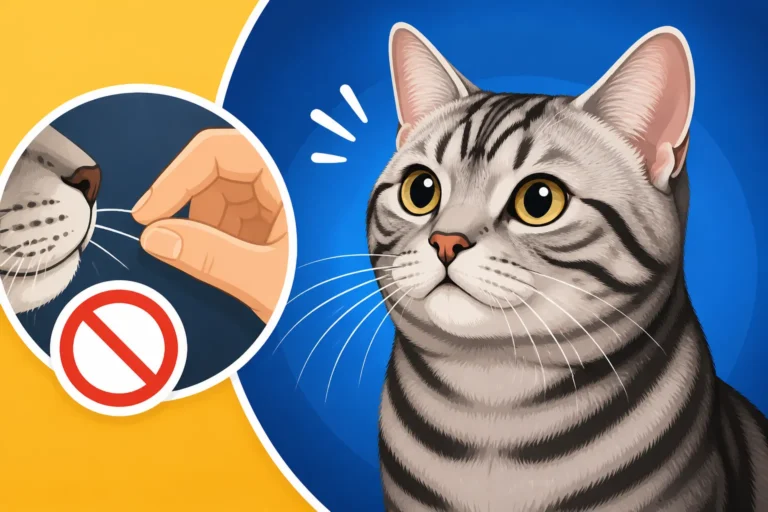
Before any brush comes near their mouth, your American Shorthair kitten needs to be completely comfortable with you handling their face and mouth. Start by simply stroking their cheeks and chin while offering praise. If they're relaxed, gently lift their lips for a second or two, just enough to glimpse their gums and teeth. Don't force it. If they pull away, stop and try again later. This is all about building trust.
Once they tolerate having their lips lifted, introduce the taste of the cat toothpaste. Put a tiny dab on your finger and let them lick it off. Many cats love the flavor, which can be a huge advantage. If they enjoy the taste, you can try rubbing a small amount on their gums with your finger. This step familiarizes them with the taste and texture of the toothpaste and the sensation of something touching their gums, all without the perceived threat of a brush. Some people even use a piece of gauze wrapped around a finger for a slightly more abrasive, yet gentle, introduction to cleaning.
Introducing the Brush
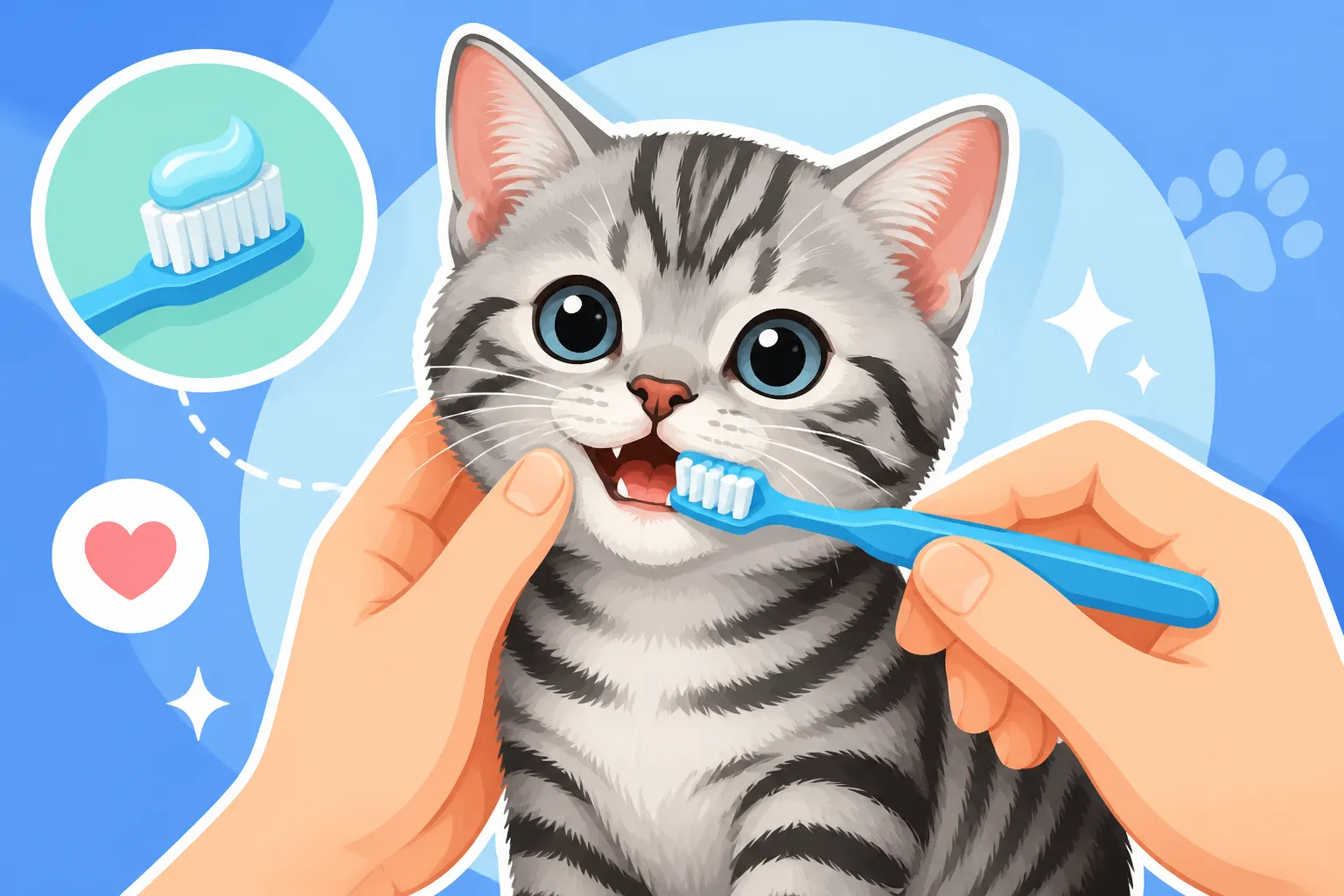
Once your American Shorthair kitten is accepting of your finger in their mouth with toothpaste, you can introduce the actual brush. Start with a finger brush, as it’s less intimidating and offers more control. Apply a pea-sized amount of cat toothpaste to the finger brush and let your kitten lick it. This reinforces the positive association with the paste.
Next, gently insert the finger brush into their mouth, starting with the front teeth (incisors and canines). Use small, circular motions, focusing only on the outer surfaces of the teeth. You don't need to open their mouth wide; just lift their lip. Work on a few teeth at a time, for only 10-20 seconds. This is not about deep cleaning right now; it's about acceptance. Slowly increase the number of teeth you brush and the duration of each session as your kitten becomes more comfortable. Always finish with a treat and lots of praise. Remember, every positive interaction builds confidence. This careful, measured approach ensures they don't develop a fear of the brush.
Establishing a Regular Routine for Lifelong Oral Health
Consistency is truly the secret ingredient when it comes to long-term dental health. Aim to brush your American Shorthair kitten's teeth daily, if possible. Even brushing every other day or a few times a week is significantly better than nothing at all. Try to integrate it into an existing routine, such as after their morning cuddle, before an evening play session, or as part of their daily grooming. When you're thinking about how often your cat needs general health checks, remember that dental care is part of that regular wellness, as covered in How Regularly a Healthy American Shorthair Still Needs Checking.
Creating a predictable routine helps your kitten anticipate the activity and makes it less surprising. They'll learn what to expect, and that it always ends with a reward. This regular interaction also gives you the chance to spot any potential issues early, such as red gums or unusual odors. Over time, as they mature, this consistent effort will pay off by reducing the risk of painful and costly dental disease. It becomes a small investment of time each day for a huge return in their overall health and happiness, just as important as choosing the right nutritious food, like Which Food Suits an American Shorthair Built for Muscle or understanding What an American Shorthair Kitten Should Eat.
Here’s a quick overview of the gentle progression:
| Step | Focus | Goal |
|---|---|---|
| Phase 1: Acclimatization | Gentle handling of face and mouth, lip lifts | Kitten tolerates facial touch |
| Phase 2: Taste Introduction | Offer cat toothpaste on finger | Kitten enjoys the taste of toothpaste |
| Phase 3: Gum Familiarization | Rub toothpaste on gums with finger/gauze | Kitten accepts finger contact on gums |
| Phase 4: Brush Introduction | Let kitten lick toothpaste off finger brush | Kitten associates brush with positive taste |
| Phase 5: First Brushing | Gentle circular motions on front teeth (10-20s) | Kitten tolerates brief brushing sessions |
| Phase 6: Gradual Progression | Increase duration, reach more teeth | Kitten accepts consistent routine |
Troubleshooting Common Hurdles
Even with the best intentions and the gentlest approach, you might encounter some bumps in the road. Kittens, like all creatures, have their own personalities and preferences, and some will be more amenable to toothbrushing than others. Don't get discouraged if your American Shorthair pushes back a bit; it's a normal part of the learning process.
When Your Kitten Resists and How to Deal With It
It's common for kittens to show some resistance. They might bat at the brush, pull their head away, or even try to nip. The absolute golden rule here is: never force it. Forcing a scared or resistant kitten will only create a negative association that can be incredibly difficult to undo. If your American Shorthair kitten starts to struggle, vocalize displeasure, or try to escape, gently stop the session. Release them and try again later, perhaps at a different time of day or in a different location.
Take a step back and identify what might be causing the resistance. Is the toothpaste flavor unappealing? Is the brush too big or too hard? Are you being too rough? Sometimes, it's as simple as making the sessions even shorter—just 5-10 seconds of actual brushing is fine in the beginning. Revert to an earlier, more comfortable step in the process, like simply letting them lick the toothpaste off your finger or offering a delicious treat after just touching their lips. Patience is your superpower here. Consistent, gentle attempts will eventually wear down their reluctance, showing them there's nothing to fear. It's truly disheartening when you feel like you're fighting your own pet, but understanding their signals and respecting their boundaries is crucial.
Maintaining Long-Term Dental Health Beyond Brushing
While toothbrushing is the gold standard for at-home dental care, it's part of a broader strategy for your American Shorthair's oral health. Even with regular brushing, it’s vital to have your kitten's teeth checked by a veterinarian regularly. Just like with humans, professional dental examinations can catch issues that you might miss, and your vet can advise on the overall health of their mouth. You'll want to stay on top of these check-ups, especially considering How Often an American Shorthair Should See a Dentist Vet throughout their life.
Beyond brushing and vet checks, consider dental treats, but with caution. Some dental treats are formulated to help reduce plaque and tartar, but they should never replace brushing. They are a supplement, not a solution, and can add extra calories, so factor that into their overall diet. Also, be wary of marketing claims, as Whether Kibble Does Anything for an American Shorthair's Teeth is often debated; many vets agree kibble alone isn't enough for dental hygiene. Look for products with the Veterinary Oral Health Council (VOHC) seal of acceptance, which indicates they meet certain efficacy standards. Keep an eye out for any signs of dental problems as your kitten grows, like bad breath, difficulty eating, pawing at their mouth, or redness in their gums. These can be indicators of deeper issues like Why Gum Disease Is the American Shorthair's Quietest Problem, which can sometimes be incredibly hard to spot until it's quite advanced. Remember, professional dental cleanings under anesthesia will likely be necessary at some point in your American Shorthair's life, and understanding How Many Dentals an American Shorthair Needs in Twenty Years can help you prepare. Your early efforts with brushing will hopefully minimize the frequency and severity of these future cleanings.
Disclaimer
This article is for general informational purposes only and does not constitute professional advice. Laws, prices and regulations vary by location and change over time. Consult a qualified professional for guidance on your specific situation.