How to Clean an American Shorthair’s Ears
If you've ever found yourself wondering how to clean your American Shorthair's ears, you're not alone. Many cat parents feel a bit intimidated by the task, worried they might hurt their beloved feline or just not do it right. The good news is, American Shorthairs are typically very low-maintenance when it comes to ear care, often managing beautifully on their own. This guide will walk you through exactly when and how to safely and effectively clean your American Shorthair's ears, giving you the confidence to tackle this aspect of their care when it’s truly needed.
Understanding Your American Shorthair's Ears
Before we even consider reaching for a cotton ball, it's really important to understand how your American Shorthair's ears are designed and how they naturally maintain their cleanliness. Unlike some breeds with floppy ears or heavy coats, the American Shorthair's ear structure is generally very practical and self-sufficient, a testament to their working cat heritage.
The Natural Design of an American Shorthair's Ear
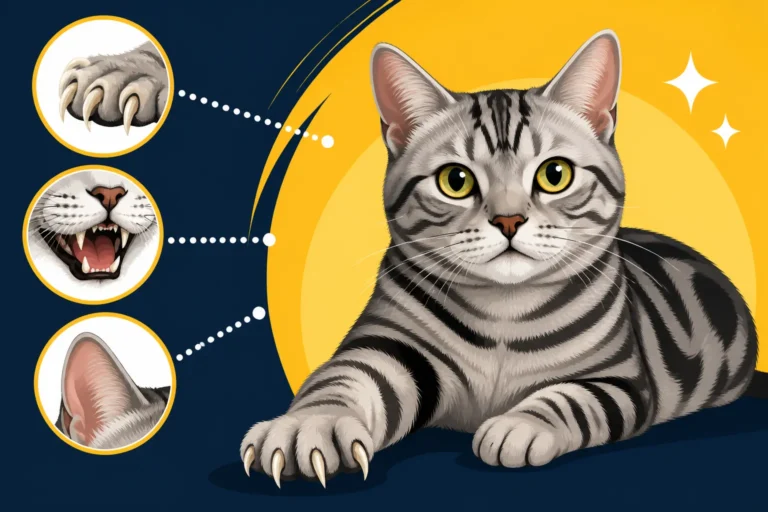
Your American Shorthair’s ears are marvels of natural engineering, perfectly adapted for sensing prey and navigating their environment. They are typically medium-sized, rounded at the tips, and set moderately apart on a well-proportioned head. The ear canal itself is L-shaped, meaning the eardrum is well-protected from external debris and direct probing. This structure is a huge part of why these cats, with their robust and unfussy nature, rarely need human intervention for ear cleaning under normal circumstances. Their short, dense coat, which is truly built for weather rather than show, doesn't tend to trap as much moisture or debris around the ear canal as some longer-haired or more ornate breeds.
How American Shorthairs Keep Their Ears Clean Normally
Cats are fastidious groomers, and your American Shorthair is no exception. They spend a significant portion of their day keeping themselves immaculate, and that includes their ears. Their rough tongues and flexible paws are incredibly effective tools for removing loose fur, dust, and minor debris from the outer ear flap and the immediate entrance to the ear canal. The natural production of earwax also plays a crucial role; it's designed to trap dirt and then slowly migrate out of the ear, carrying the impurities with it. This self-cleaning mechanism is incredibly efficient in healthy cats and is a prime reason why we, as their human companions, usually don't need to step in. It's a testament to What an American Shorthair With No Designer Defect Gets Instead.
Debunking the Myth of Routine Ear Cleaning
One common misconception among pet owners is that cat ears need to be routinely cleaned, much like some dog breeds or even human ears. For an American Shorthair, this simply isn't true. In fact, over-cleaning can be detrimental. You might inadvertently push debris further into the ear canal, irritate the sensitive skin, or even disrupt the natural balance of beneficial bacteria and yeast, potentially leading to an infection. Think of it this way: if your cat’s ears look and smell clean, and they aren't showing any signs of discomfort, then they are doing a fantastic job on their own. Resist the urge to "help" when no help is needed; it’s one of the ways this hardy breed truly takes care of itself.
When (And Why) to Clean an American Shorthair's Ears
While American Shorthairs are generally self-sufficient, there are indeed times when a helping hand with their ears becomes necessary. Knowing when to intervene and, just as importantly, when not to, is crucial for your cat's health and comfort. We're looking for clear indicators, not just routine maintenance.
Identifying the Signs That Indicate a Need for Cleaning
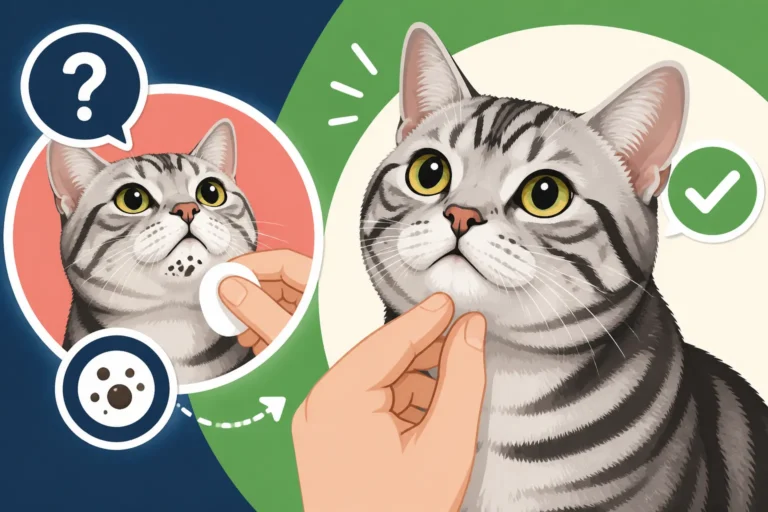
Your American Shorthair is pretty stoic, a trait often found in a breed whose ancestors spent centuries proving their usefulness on farms and ships. This means they might hide discomfort for a while, but ear issues usually present with noticeable signs. Keep an eye out for an increase in head shaking, scratching at their ears, or rubbing their ears on furniture or the floor. If you notice a dark, waxy discharge, a foul odor emanating from the ear, or any redness or swelling inside the ear flap, these are definite red flags. Changes in behavior, such as a sudden aversion to being touched around the head or increased irritability, can also point to ear discomfort. Dark, crumbly debris often looks like coffee grounds and is a classic sign of ear mites, which definitely warrant cleaning and veterinary attention.
| Sign of Healthy Ear | Sign of Problem Ear |
|---|---|
| Clean, pale pink skin | Redness or swelling |
| No strong odor | Foul or yeasty smell |
| Minimal, light brown wax | Excessive dark, waxy, or crumbly discharge |
| No scratching or head shaking | Persistent scratching, rubbing, head tilting |
| Calm demeanor during touch | Pain or sensitivity when touched |
The Dangers of Over-Cleaning or Improper Cleaning
As we mentioned, an American Shorthair's ears are pretty good at taking care of themselves. If you over-clean, you risk stripping away the natural protective oils and waxes, leaving the delicate skin inside vulnerable to irritation and infection. Using harsh chemicals, cotton swabs (Q-tips), or tools not designed for feline ears can also cause serious damage, potentially even rupturing the eardrum if you go too deep. It’s always better to err on the side of caution. If you’re unsure if cleaning is needed, a quick call to your vet or a routine check-up can clarify things without you having to experiment at home. Remember, your American Shorthair is one of the most low-maintenance breeds, and aggressive cleaning is typically antithetical to their natural robust health. How Regularly a Healthy American Shorthair Still Needs Checking will give you a good sense of when general vet visits are due.
Distinguishing Between Normal Dirt and a Problem
Sometimes, what looks like "dirt" might just be normal, minimal earwax that's doing its job. A small amount of light brown earwax is completely natural and healthy. It's when you see an excessive amount, a darker color, or a different texture (like the aforementioned coffee grounds) that you should be concerned. A healthy ear should also not have a noticeable smell. A strong, unpleasant odor is almost always an indication of a bacterial or yeast infection. Trust your senses: if it looks or smells wrong, it probably is. If your American Shorthair has been enjoying a bit of supervised outdoor time, a little dust might accumulate, but generally, their vigorous self-grooming takes care of it. However, if they've had any encounters that could lead to wounds or parasites, that's a different story. Which Parasites an Outdoor American Shorthair Picks Up highlights some of these risks.
Gathering Your Tools for American Shorthair Ear Cleaning
Alright, so you’ve assessed the situation, and it seems your American Shorthair's ears genuinely need a little TLC. Before you embark on the cleaning mission, having all your supplies ready and within reach is key. This will make the process smoother, quicker, and less stressful for both you and your feline friend.
Essential Supplies for a Gentle Cleaning
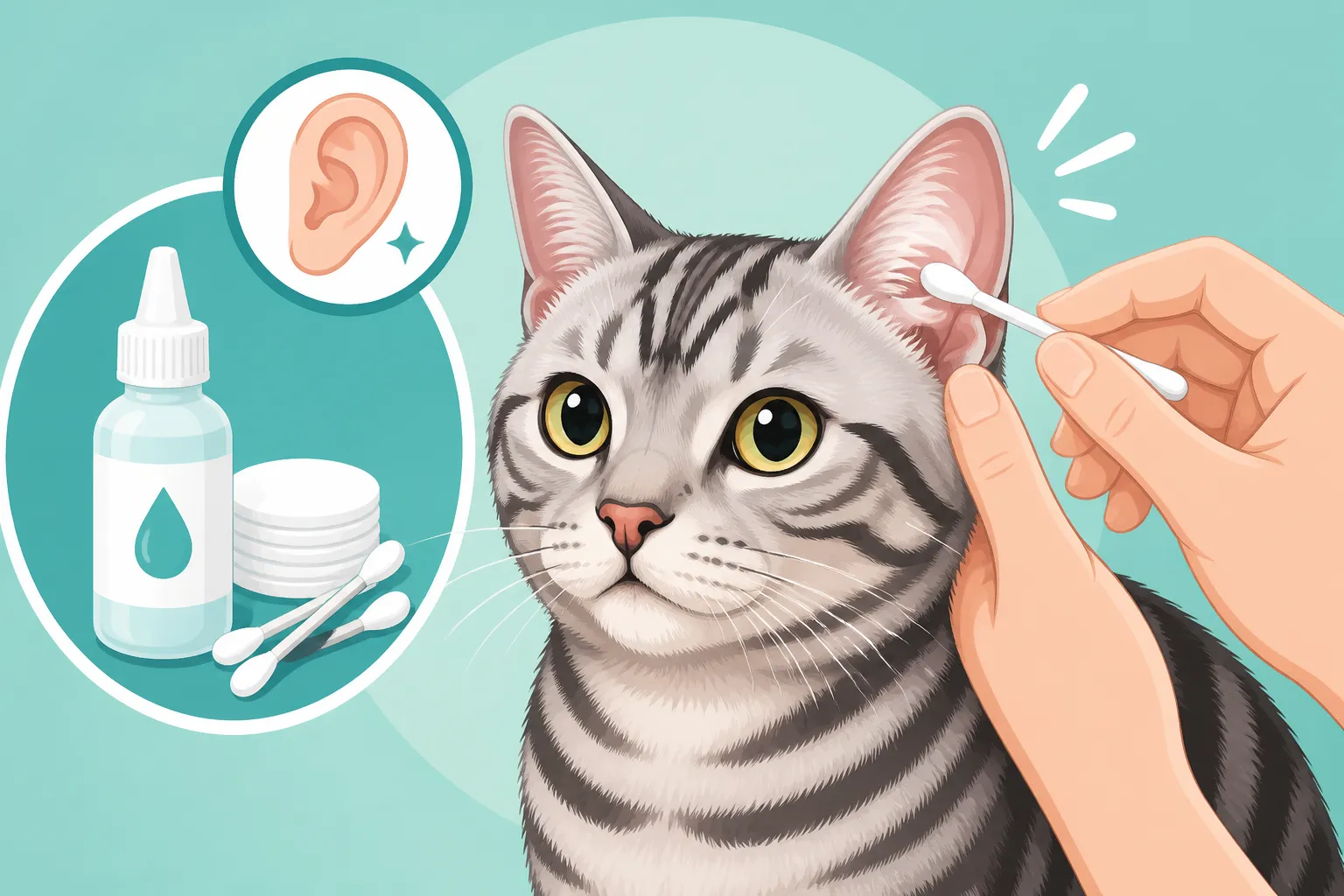
First and foremost, you'll need a good quality, vet-approved feline ear cleaning solution. This is non-negotiable. These solutions are formulated specifically for a cat's delicate ear canal, designed to break down wax and debris without causing irritation. Brands available on reputable pet supply sites like Chewy or Amazon often carry excellent options recommended by veterinarians. Next, grab some soft cotton balls or gauze squares. These are perfect for gently wiping the outer ear and the visible parts of the inner ear. You might also want a towel to wrap your cat in, especially if they're a bit squirmy, and plenty of their favorite treats to offer as positive reinforcement. A quiet space, free from distractions, will also be an invaluable "tool" for a calm cleaning experience.
What to Avoid Using in Your Cat's Ears
Just as important as knowing what to use is knowing what not to use. Absolutely, positively avoid cotton swabs (Q-tips) inside the ear canal. While they might seem perfect for getting into nooks and crannies, their small size makes it dangerously easy to push debris further in, pack wax against the eardrum, or even cause injury. Stick to cotton balls or gauze. Also, steer clear of harsh chemicals like hydrogen peroxide, rubbing alcohol, or vinegar, unless specifically directed by your veterinarian. These can be incredibly irritating, painful, and damaging to the sensitive tissues of your cat's ear. Human ear cleaners are also a no-go, as they are formulated for a different pH and might contain ingredients harmful to cats.
Choosing the Right Ear Cleaner
Selecting the right ear cleaner can feel a bit overwhelming with so many options out there. The best approach is to consult your veterinarian. They can recommend a specific brand or type of cleaner that suits your cat's needs, especially if there's a suspected infection. Generally, look for enzymatic cleaners or solutions with gentle ingredients designed to dissolve wax and dry out the ear canal. Many good quality cleaners can be found online, and reviewing customer feedback on platforms like Amazon can sometimes help you narrow down options once you have a vet's general recommendation. It's often worth investing in a trusted brand to ensure the product is safe and effective.
A Step-by-Step Guide to Cleaning Your American Shorthair's Ears
Now that you're armed with the right tools and knowledge, let's get down to the actual cleaning process. Remember, patience and a gentle touch are your best friends here. Your American Shorthair might not be thrilled, but with the right approach, you can make it a manageable experience for both of you.
Setting Up a Calm Environment
Before you even bring your American Shorthair into the picture, prepare your workspace. Choose a quiet room where you won't be interrupted, perhaps a bathroom or a laundry room with a good counter space. Lay down a towel on the surface where you plan to work; this not only provides a softer spot for your cat but also protects your counter from any spills. Have all your supplies – the ear cleaner, cotton balls, and plenty of tasty treats – within arm's reach. Dimming bright lights slightly and speaking in a calm, soothing voice can also help create a more relaxed atmosphere. If your cat is particularly anxious, consider wrapping them gently in a “purrito” style towel, leaving only their head exposed. This can provide a sense of security and prevent unexpected scratches.
The Gentle Cleaning Process
Okay, deep breath. Here's how to proceed:
- Hold Your Cat Securely: If not wrapped in a towel, hold your American Shorthair gently but firmly on your lap or the prepared surface. Speak softly and calmly.
- Examine the Ear: Gently fold back the ear flap to expose the inner ear. Look for any visible dirt, discharge, or signs of inflammation.
- Apply the Cleaner: Hold the ear flap up and carefully insert the tip of the ear cleaner bottle into the ear canal. Do not push it deep. Squeeze the bottle to administer the recommended amount of solution into the ear. You might hear a squishy sound.
- Massage the Base of the Ear: This is a crucial step! Gently massage the base of your cat's ear for about 20-30 seconds. You should hear the liquid squishing around, which means the cleaner is working its way down and loosening debris. Your cat might shake their head, which is normal and helps bring debris to the surface.
- Wipe Away Debris: Use a fresh cotton ball or gauze square to gently wipe away any discharge or debris that has moved to the outer part of the ear canal and the ear flap. Remember, only clean what you can see. Do not insert anything into the ear canal. Replace cotton balls as they get dirty.
- Repeat if Necessary: If the ear is particularly dirty, you might need to repeat steps 3-5 with a new cotton ball until it comes away mostly clean.
- Clean the Other Ear: Once one ear is done, move on to the other, following the same steps.
- Wipe Dry: After cleaning, use a clean, dry cotton ball to gently dab the outer ear and ensure it's as dry as possible. Moisture can lead to issues.
Throughout this process, offer praise and reassurance. Keep the session as brief as possible.
Rewarding Your American Shorthair After Cleaning
Positive reinforcement is incredibly powerful, especially for a sensible and food-motivated breed like the American Shorthair. As soon as you’re done (or even after each ear, if they’re being particularly cooperative), immediately offer a high-value treat. This helps them associate the ear cleaning process with something positive, making future sessions less stressful. A little extra playtime with their favorite wand toy can also serve as a reward, helping them burn off any nervous energy. The goal is to build trust and teach them that while it might be a little uncomfortable, it’s always followed by good things. Consistency in this reward system will make a big difference over time.
Troubleshooting Common Ear Cleaning Challenges
Let's be real: cleaning a cat's ears isn't always a walk in the park. Even the most placid American Shorthair might object to having liquid squirted into their ears. It’s okay if things don’t go perfectly the first time. The key is to anticipate challenges and have strategies to address them.
Dealing with a Reluctant or Anxious Cat
Some cats, even the typically laid-back American Shorthair, just aren't fans of being handled, especially around sensitive areas like their ears. If your cat is particularly squirmy, stressed, or aggressive, don't try to force it. This can damage your bond and make future attempts even harder. Consider enlisting the help of another person to gently hold your cat while you clean. Wrapping your cat in a soft towel (a "purrito" technique, as mentioned earlier) can also be incredibly effective at limiting movement and providing a sense of security. If your cat continues to struggle, pause, give them a break, and try again later, or even split the task over two short sessions. For some, a visit to the vet for professional grooming help might be the safest option, where they can ensure the cat is held securely and the cleaning is done correctly. Remember, a Why a Stoic American Shorthair Hides Pain the Longest can mean they tolerate discomfort but might lash out when feeling vulnerable.
When Your Cat Has Too Much Wax or Debris
Sometimes, you might encounter an ear that seems overwhelmingly full of wax or dark, crusty debris. While it's tempting to try and get it all out, resist the urge to over-clean or dig. If the debris is extensive, especially if it smells foul or looks like coffee grounds (a common sign of ear mites), it's highly likely there's an underlying infection or infestation that needs veterinary attention. Your vet can properly diagnose the issue and might prescribe a medicated ear cleaner or other treatments. They also have specialized tools to safely remove excessive buildup without causing harm. Trying to tackle a severe buildup at home can inadvertently push material deeper, worsening the problem.
Preventing Future Issues
Once your American Shorthair’s ears are clean, the focus shifts to prevention. Regular, but gentle, checks are your best defense. Once a week, or even every few days, just take a quick peek inside their ears while you’re petting them. Look for redness, smell for odors, and generally observe for any signs of discomfort. Good nutrition and overall health also contribute to robust immunity, which can help prevent ear infections. If your American Shorthair spends any time outdoors, consider Which Parasites an Outdoor American Shorthair Picks Up and discuss preventive treatments with your vet. A healthy, well-adjusted cat is less likely to develop chronic ear problems.
Recognizing When Professional Help Is Needed
While you might become quite adept at basic ear cleaning, it's absolutely vital to know when a situation moves beyond home care and requires the expert eye of a veterinarian. Ignoring persistent ear problems can lead to more serious health complications for your American Shorthair.
Signs of Infection and When to See the Vet
If, after your initial cleaning, the symptoms persist or worsen, or if you notice any of the following, it's time to call the vet immediately:
- Intense redness or swelling: This indicates significant inflammation or infection.
- Increased pain or sensitivity: If your cat cries out or actively tries to bite or scratch when their ear is touched.
- Bleeding or open sores: These need immediate medical attention to prevent further infection.
- Yellow, green, or thick discharge: This almost always points to a bacterial infection requiring antibiotics.
- Head tilt or loss of balance: These are serious signs that an ear infection may have spread to the middle or inner ear, affecting their vestibular system.
- Foul, persistent odor: A smell that doesn't dissipate after gentle cleaning suggests a deeper problem.
Remember, your American Shorthair is quite hardy, but ear infections, if left untreated, can become chronic, painful, and even lead to hearing loss or more systemic issues. It's not worth delaying a vet visit.
The Importance of a Vet Diagnosis for Ear Problems
You might be tempted to try an over-the-counter medication if you suspect an infection, but this can be risky. Without a proper diagnosis, you might be treating the wrong issue, or even making an infection worse. For example, some ear infections are caused by bacteria, others by yeast, and some by parasites like ear mites. Each requires a different treatment approach. A veterinarian can use an otoscope to examine deep into the ear canal, often collecting a sample of discharge for microscopic analysis. This allows them to precisely identify the cause of the problem and prescribe the most effective medication, whether it's an antibiotic, antifungal, or antiparasitic. This diagnostic step ensures your American Shorthair gets targeted and effective care.
What to Expect at the Vet for an Ear Examination
When you bring your American Shorthair to the vet for an ear problem, expect a thorough examination. The vet will likely start by observing your cat's overall demeanor and asking about their symptoms and any history of ear issues. They will then carefully inspect both ears, often using an otoscope to look deep inside the ear canal for signs of inflammation, foreign bodies, or parasites. They might take a swab of the ear discharge to examine under a microscope, which can reveal the presence of bacteria, yeast, or mites. If your cat is in a lot of pain or highly uncooperative, sedation might be suggested to allow for a comprehensive and stress-free examination and cleaning. They’ll discuss a treatment plan with you, which could include prescribed ear drops, oral medications, or even a professional ear flush. They might also provide advice on ongoing care, for example, recommending a specific ear cleaner for maintenance. Getting ahead of issues is always better for the long-term health of your American Shorthair, a breed known for its longevity, as discussed in The Fifteen to Twenty Years the American Shorthair Was Given.
Disclaimer
This article is for general informational purposes only and does not constitute professional advice. Laws, prices and regulations vary by location and change over time. Consult a qualified professional for guidance on your specific situation.