How Much Less an American Shorthair Owner Spends at the Vet
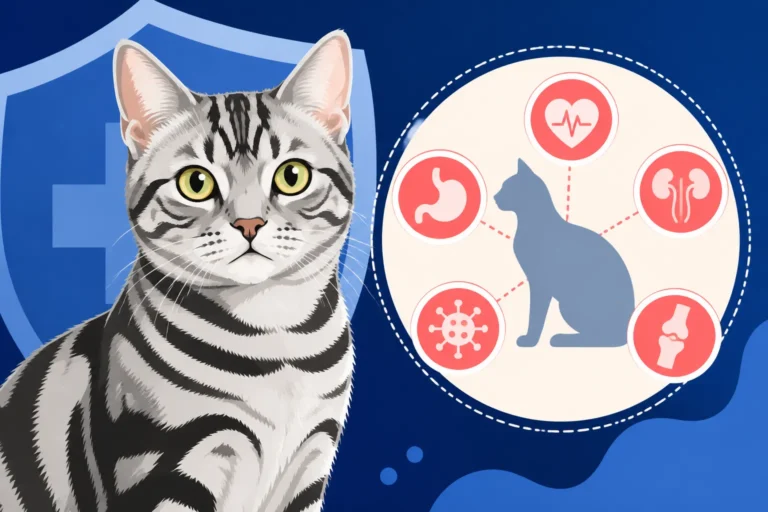
The never-ending worry about vet bills can be one of the most stressful parts of pet ownership, especially when you encounter unexpected health issues. If you're an American Shorthair owner, or considering becoming one, you're in for some genuinely good news: these cats often come with a much lighter financial footprint at the veterinary clinic compared to many other pedigreed breeds. This guide will walk you through why American Shorthair owners typically spend less at the vet, exploring their robust health, minimal genetic predispositions, and the resulting financial benefits.
The Robust Health Legacy of the American Shorthair
Let's face it, many pedigree breeds today, while beautiful and unique, often come with a laundry list of potential health woes that can translate into significant vet expenses. The American Shorthair, however, stands out as a refreshing exception, largely thanks to its utilitarian roots and a breeding history focused on function over extreme aesthetics. This isn't just a convenient narrative; it's deeply ingrained in their very genetics.
A Breed Forged by Function, Not Fancy
Imagine cats needing to earn their keep, not just look pretty on a sofa. That's the story of the American Shorthair's ancestors. These were the working cats brought over on ships by early settlers, tasked with keeping vermin in check on farms and in homes across North America. Survival of the fittest was the ultimate breeder. Cats that were frail, prone to illness, or lacked essential vigor simply didn't thrive or reproduce. This natural selection process, spanning centuries before formalized breeding began, culled out genetic weaknesses.
Unlike many modern breeds where specific "designer" traits might have been prioritized, sometimes at the expense of health, the American Shorthair was developed to be resilient and hardy. Their physical conformation – a well-muscled body, strong jaws, and dense coat – all speak to a history where utility was paramount. This foundation means they are inherently less prone to the structural problems or weakened immune systems that plague some breeds developed for exaggerated features. This incredible foundation is why many consider Why the American Shorthair Is Used as a Health Benchmark in the cat world.
Minimal Predispositions to Genetic Diseases
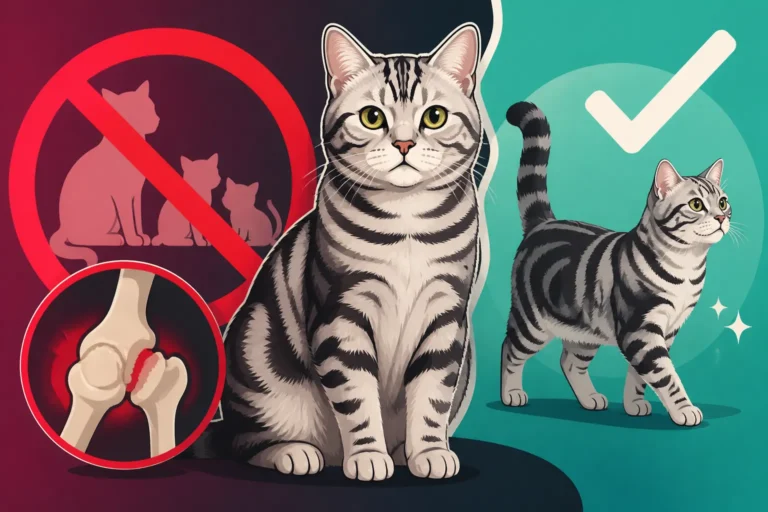
One of the biggest financial drains for many pet owners comes from managing inherited genetic conditions. Think about the extensive health screening often required for breeds like Persians (polycystic kidney disease) or Maine Coons (hip dysplasia, hypertrophic cardiomyopathy). While no breed is entirely immune to all health issues, the American Shorthair truly shines here. Their broad gene pool, maintained through careful breeding and a history of allowing some outcrossing to healthy domestic shorthairs, has helped them avoid the concentrated genetic weaknesses seen in more tightly bred lines.
You won't typically find a long list of required DNA panels or extensive, costly screenings for an American Shorthair kitten, beyond basic checks common to all felines. This isn't to say they're immune to everything, but the incidence of severe, breed-specific genetic diseases is remarkably low. This directly translates to fewer diagnostic tests, fewer specialist consultations, and ultimately, significantly lower long-term vet bills compared to owning a breed burdened by multiple inherited conditions. It's a testament to preserving a natural, healthy blueprint rather than trying to engineer a specific look at any cost.
General Resilience and Hardiness
Beyond just avoiding specific genetic diseases, American Shorthairs possess a general hardiness that often surprises first-time owners. They tend to have strong immune systems, bounce back quickly from minor scrapes or illnesses, and aren't overly sensitive to environmental changes. This isn't to say they're invincible – no cat is – but their baseline health is often superior. For example, they rarely suffer from the delicate digestive systems or skin sensitivities that can lead to chronic, expensive dietary management or dermatological treatments in other breeds.
Their dense, protective coat, for instance, evolved to handle various climates, and as such, they rarely suffer from skin issues or matting that might require professional grooming or vet intervention. Their robust build means they handle minor injuries well, and their stoic nature can sometimes mean they hide discomfort, but when issues do arise, their healthy baseline often allows for a quicker and less complicated recovery. This intrinsic toughness means you're less likely to find yourself rushing to the emergency vet for every little sniffle or upset stomach, which can really add up over time. It’s part of the reason How Long the American Shorthair Lives Against Other Pedigrees often shows a favorable outcome.
Specific Health Issues and Their Management in American Shorthairs
Even with their reputation for excellent health, it's important to understand that American Shorthairs are still living creatures and can develop health problems. However, the key difference lies in the frequency and severity of these issues compared to many other purebred cats. Their care tends to focus more on preventative measures for common feline ailments rather than managing complex, breed-specific conditions.
Understanding HCM and Its Lower Prevalence
If there's one inherited condition that an American Shorthair owner might hear about, it's Hypertrophic Cardiomyopathy (HCM). HCM is a form of heart disease common in many cat breeds, where the muscular walls of the heart thicken, making it harder for the heart to pump blood effectively. While it can affect American Shorthairs, it's crucial to understand that its prevalence is significantly lower in this breed compared to breeds like Maine Coons, Ragdolls, or Sphynx cats. This is why HCM Is the One Inherited Disease the American Shorthair Kept, but it's not the epidemic it is in some other lines.
Responsible breeders will still screen their breeding cats for HCM, typically through echocardiograms performed by a veterinary cardiologist. These screenings are a preventative measure, aiming to remove affected cats from the breeding pool to keep the incidence low. For a pet owner, this means that while regular veterinary check-ups are essential, routine preventative cardiac screening isn't usually recommended unless a heart murmur is detected. Should a murmur be found, further investigation, like an echocardiogram, becomes necessary. This is Why an American Shorthair Still Needs a Yearly Heart Scan for breeding animals, but less so for pets without symptoms. The good news is that if HCM is diagnosed, management can help, but the overall lower risk means fewer costly diagnostics and treatments for the average American Shorthair owner over their cat's lifetime.
Common Ailments and Preventative Care
While breed-specific issues are rare, American Shorthairs are still cats, and they're susceptible to the same general ailments that affect all felines. The most common issues you might face are dental disease, obesity, and age-related conditions. However, even with these, their robust constitution often means they respond well to intervention and preventative care, which keeps costs down.
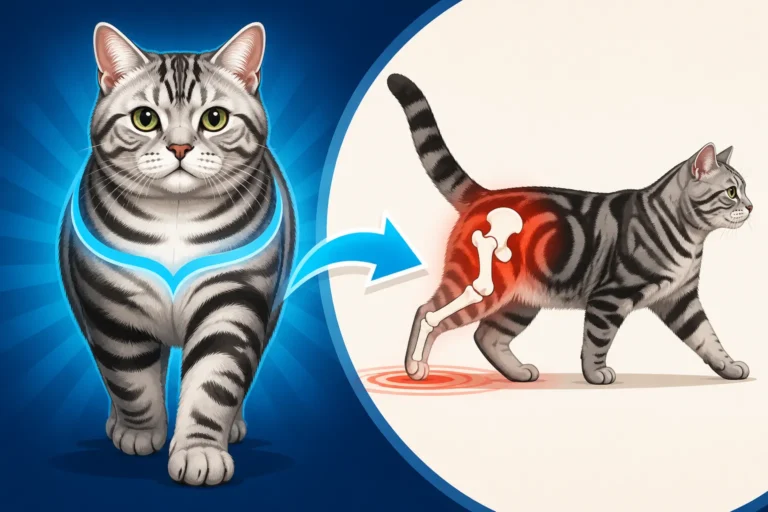
Dental disease, for instance, is extremely common in cats. Without regular dental care, many cats develop gingivitis and periodontal disease, leading to painful extractions and costly veterinary dental procedures under anesthesia. An American Shorthair's strong, ancestral jawline means good dental hygiene, starting young, can be very effective. Regular brushing at home and annual vet checks can often keep major dental work at bay for years. Similarly, obesity is a widespread problem for indoor cats. The American Shorthair's natural inclination to hunt and their strong appetite, a leftover from their working days, can easily lead to weight gain if not managed. But with a controlled diet and plenty of interactive play, maintaining a healthy weight is achievable. This helps avoid the cascade of other health problems like diabetes, joint issues, and fatty liver disease that come with being overweight, all of which are very expensive to treat. Remember, Obesity Is What Ending the American Shorthair's Job Cost It, so proactive management is key.
Less Frequent Need for Specialized Vet Care
One significant factor contributing to lower vet bills for American Shorthair owners is the reduced need for specialized veterinary care. Many pedigree breeds, especially those with extreme physical features (like brachycephalic breeds with breathing issues or breeds prone to severe joint problems), often require regular consultations with specialists: cardiologists, ophthalmologists, dermatologists, or orthopedic surgeons. These specialist visits, diagnostic tests, and advanced treatments can quickly skyrocket veterinary expenses into the thousands.
With an American Shorthair, your vet visits are generally confined to routine check-ups, vaccinations, and perhaps occasional treatment for common feline illnesses like upper respiratory infections or minor injuries. When they do need care, it's often within the scope of a general practitioner, who typically charges less than a specialist. Their well-proportioned bodies mean fewer musculoskeletal issues, and their strong immune systems mean fewer chronic allergies or skin conditions. This dramatically cuts down on the need for costly specialized consultations and therapies, allowing you to budget more predictably for their well-being. This contributes greatly to The Fifteen to Twenty Years the American Shorthair Was Given to live a healthy life.
Financial Implications of American Shorthair Health
The practical outcome of the American Shorthair's excellent health is a noticeable difference in the financial burden of veterinary care. This isn't just about saving a few dollars here and there; it's about a generally more predictable and lower overall cost of ownership over their long lifespan.
Lower Insurance Premiums and Claims
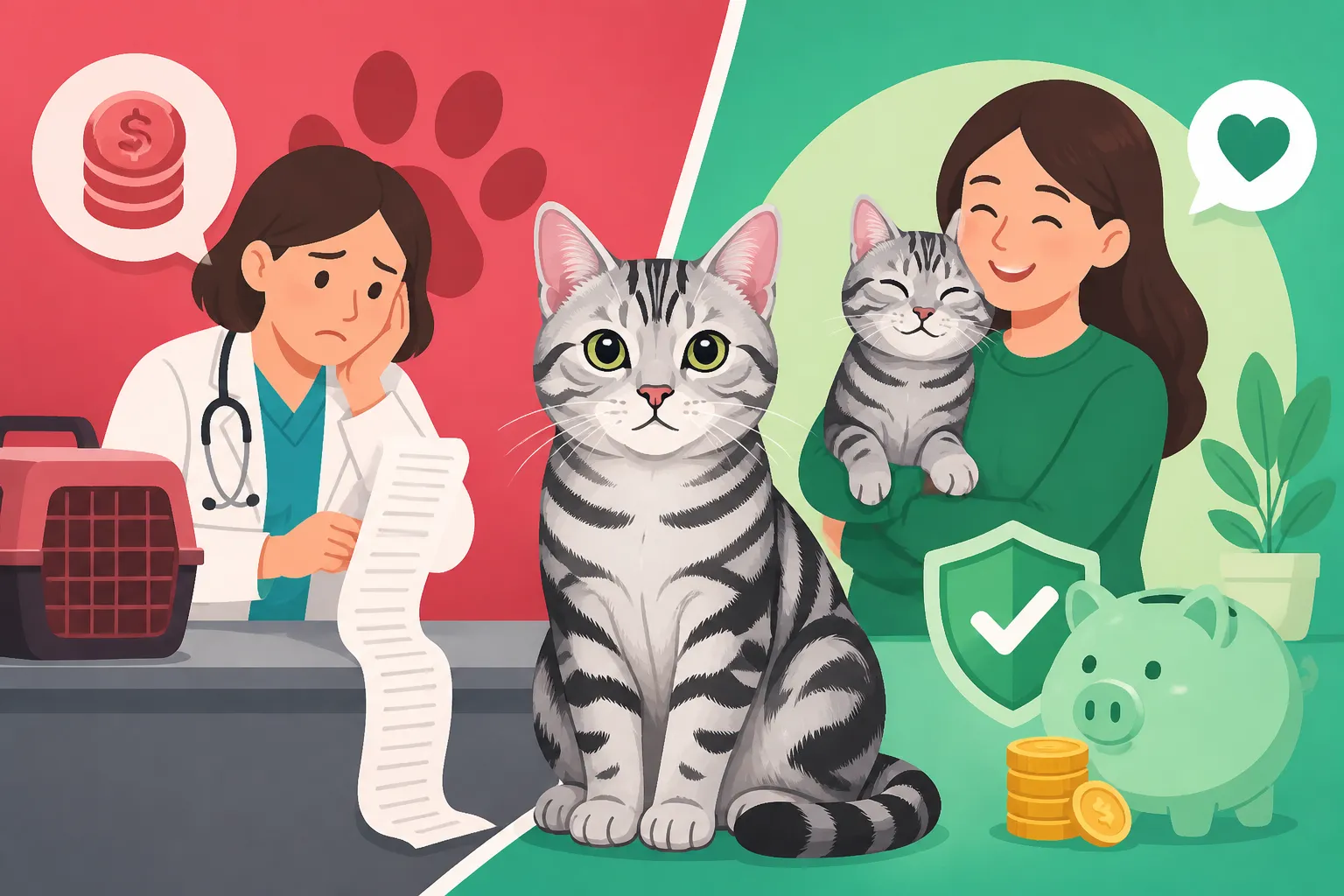
One of the most tangible ways the American Shorthair's health impacts your wallet is through pet insurance. Insurers, like Healthy Paws, assess risk based on breed-specific predispositions. Breeds known for multiple genetic ailments or common, expensive conditions typically have higher premiums. Conversely, breeds with a strong health record, like the American Shorthair, are often considered lower risk, leading to more affordable monthly or annual premiums. This is why you'll often find that Whether Insurers Price the American Shorthair Low is a resounding "yes."
Not only are the premiums generally lower, but you're also less likely to file claims for significant, recurring issues. While pet insurance is always a wise investment for any animal, an American Shorthair owner might find that they predominantly use their policy for unexpected accidents or age-related conditions later in life, rather than for a steady stream of expensive breed-specific ailments from a young age. This means fewer deductibles to meet and potentially lower out-of-pocket costs even when claims are made, further enhancing their cost-effectiveness. The peace of mind that comes with knowing you have good coverage, often at a more reasonable price point with providers like Healthy Paws, is invaluable.
Routine Care Versus Emergency Interventions
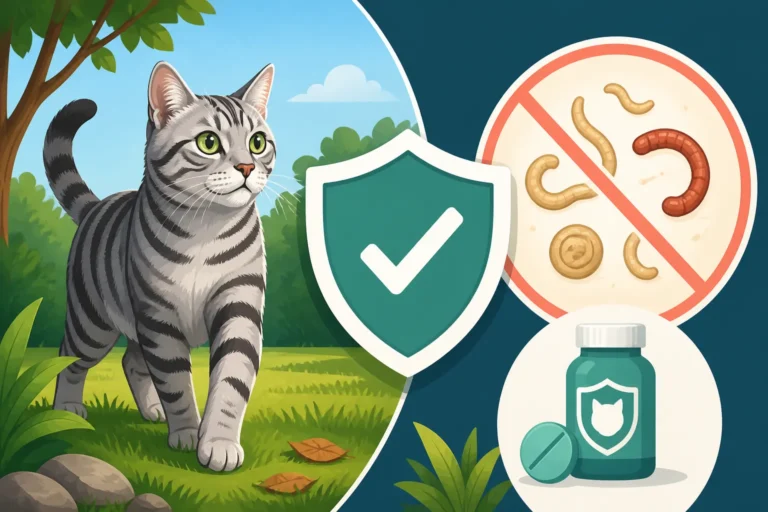
The bulk of an American Shorthair owner's vet expenses tends to fall into predictable categories: annual check-ups, vaccinations, parasite prevention, and perhaps a dental cleaning every few years. These are manageable, budgeted expenses. The costs that truly blindside pet owners are usually emergency interventions – sudden illnesses requiring hospitalization, complex diagnostics, or extensive surgeries. Because American Shorthairs are so robust, these kinds of dire emergencies are statistically less frequent for them when compared to breeds predisposed to sudden, severe, inherited conditions.
For example, a sudden onset of severe breathing difficulties due to advanced heart disease is a heartbreaking and extremely expensive emergency that some breeds face. While an American Shorthair can develop heart issues, it's generally less common and often has a slower progression, allowing for earlier detection during routine checks and less frantic emergency visits. This shift from potentially frequent, costly emergency interventions to more predictable, routine care is a significant financial advantage. It allows owners to plan and save, rather than constantly being on edge about a potential health crisis. As they get older, their hardy nature still often shines, though Caring for an American Shorthair Past Twelve does bring its own considerations, as with any senior cat.
The Long-Term Savings Accumulate
When you look at the total cost of ownership over an American Shorthair's impressive lifespan, which can easily reach 15-20 years, the savings on veterinary care truly add up. What might seem like small differences in annual check-up costs, medication needs, or fewer emergency visits each year translates into thousands of dollars over two decades. It's a cumulative effect where the breed's inherent health pays dividends year after year.
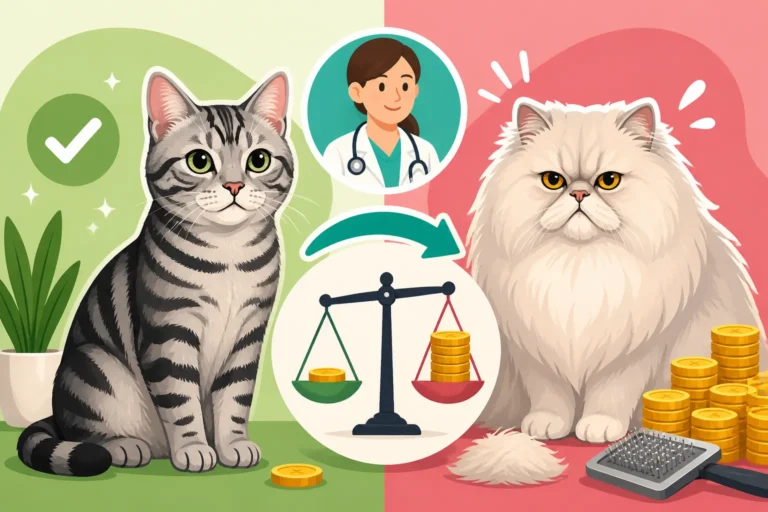
Consider this: if a typical American Shorthair needs one fewer specialist visit every five years, and each visit costs an average of $500, that's $2000 saved over a 20-year lifespan. Add to that lower medication costs for chronic conditions, fewer rounds of expensive diagnostic imaging (like ultrasounds or MRIs), and potentially fewer complex surgical procedures, and the financial benefit becomes undeniable. This long-term economic advantage makes the American Shorthair a fantastic choice for families looking for a healthy, hardy companion who won't constantly stretch their budget at the vet's office. It truly highlights Why an American Shorthair Costs a Vet Less Than a Persian in the long run.
Here's a simplified comparison of potential annual vet costs for an American Shorthair versus a breed with common health predispositions (e.g., Persian, Maine Coon):
| Category | American Shorthair (Annual Average) | Breed with Predispositions (Annual Average) | Notes |
|---|---|---|---|
| Routine Wellness Exam | $50 – $100 | $50 – $100 | Basic costs are similar for all cats. |
| Vaccinations | $50 – $100 | $50 – $100 | Core vaccines are standard. Why an American Shorthair Is a Low Anesthetic Risk is a plus. |
| Flea/Tick/Worm Meds | $100 – $200 | $100 – $200 | Parasite prevention is crucial for all. |
| Dental Cleaning | $0 – $300 (every 2-3 years) | $200 – $700 (more frequent, complex) | AS often needs less frequent, less complex dentals. |
| Specialist Consults | Rare, $0 – $50 | Often, $200 – $1000+ | For issues like cardiology, dermatology, orthopedics. |
| Diagnostic Tests | Occasional, $50 – $200 | Frequent, $300 – $1500+ | Bloodwork, X-rays, specialized imaging. |
| Chronic Meds | Rare, $0 – $50 | Frequent, $100 – $500+ | For conditions like heart disease, kidney issues, allergies. |
| Emergency Visits | Rare, $0 – $100 | More likely, $300 – $2000+ | Due to acute exacerbations of breed-specific conditions. |
| Annual Total Range | $250 – $1000 | $1000 – $5000+ | This doesn't include significant surgeries or long-term hospitalization. |
Disclaimer: These are approximate ranges and can vary widely based on location, specific veterinary practice, individual cat's health, and severity of illness.
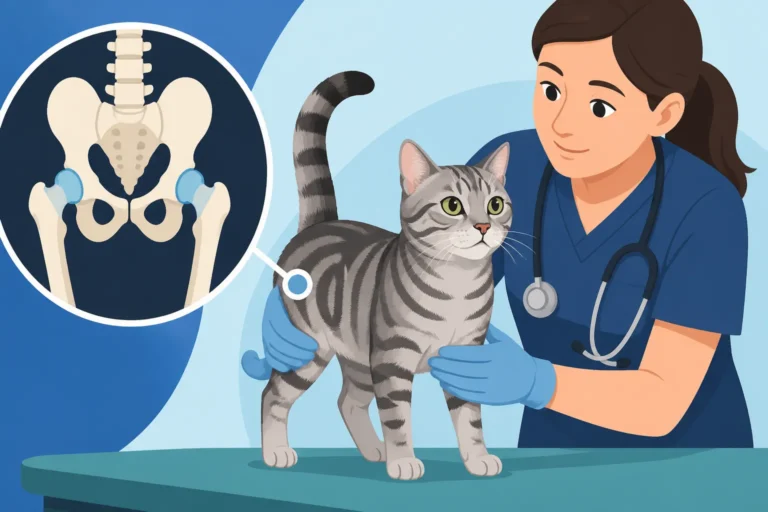
It's also worth noting that if an American Shorthair is untested and comes from unknown lineage, they could still face health challenges, just like any domestic cat. However, even then, their inherent resilience often means What an Untested American Shorthair Usually Dies Of is more likely to be age-related organ failure than a sudden, catastrophic genetic defect seen in some other breeds. Keeping them at a healthy weight also helps prevent issues like hip problems, as Why a Broad Chested American Shorthair Puts Weight Through Its Hips if they become overweight.
In conclusion, while all cats deserve and need quality veterinary care, owning an American Shorthair often translates into a less financially burdensome experience at the vet's office, allowing you to focus more on their happiness and less on stressful medical bills.
Disclaimer
The information provided in this article is for general informational purposes only and does not constitute veterinary advice. Always consult with a qualified veterinarian for any health concerns or before making any decisions about your pet's care. Individual costs can vary significantly based on location, specific clinic, and the individual health needs of your cat.