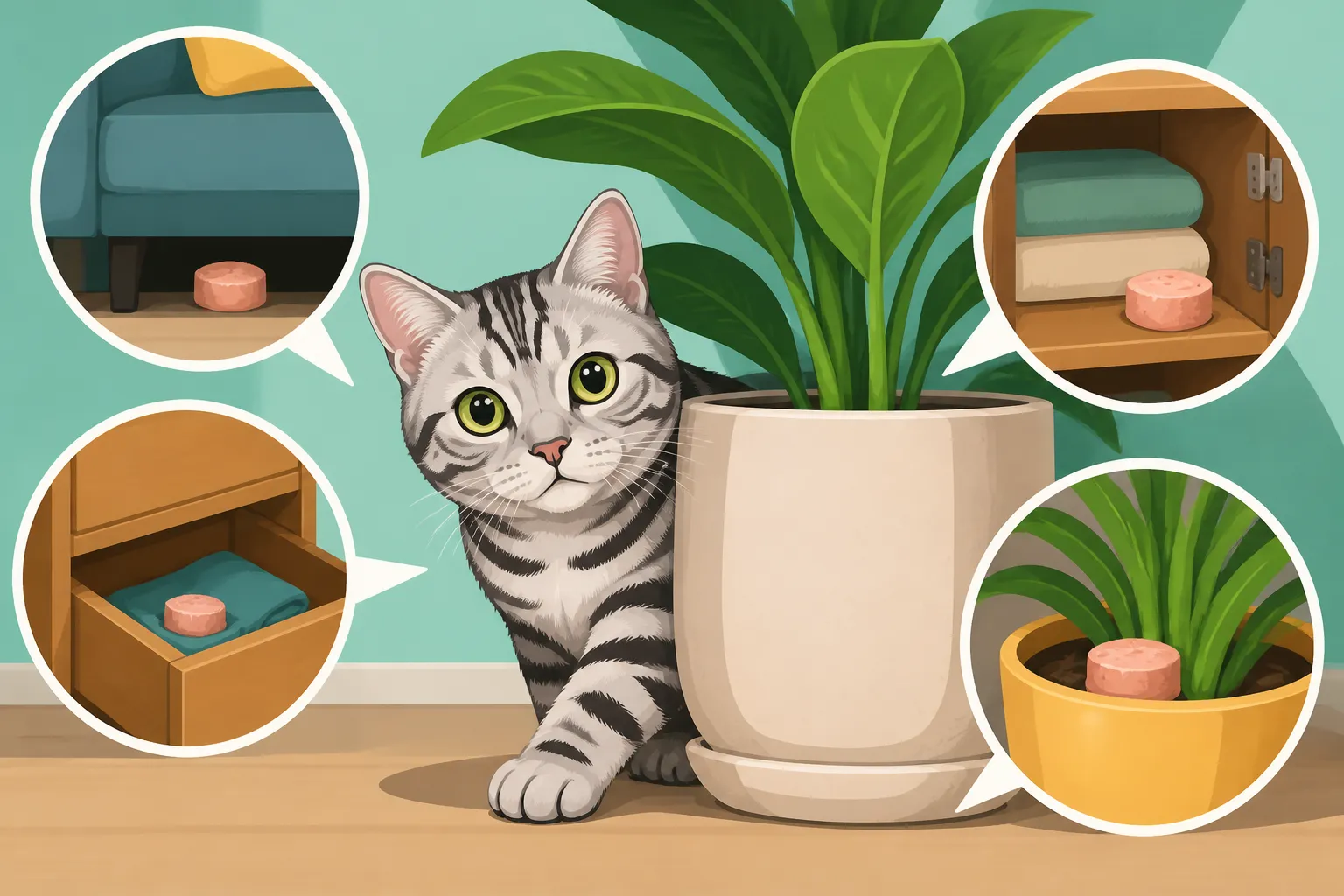
Where to Hide an American Shorthair’s Portions Around the House
One of the trickiest things about having an American Shorthair is balancing their innate hunting drive with the realities of an indoor life. They were literally bred for centuries to patrol, stalk, and earn their meals, but now, a bowl of kibble magically appears twice a day. This disconnect can lead to boredom, overeating, and a general lack of enrichment, leaving both you and your feline friend feeling a bit restless. This guide is all about reintroducing that primal joy of the hunt into your American Shorthair's daily routine by strategically hiding their food portions around your home, turning mealtime into an engaging adventure.
Why Foraging for Food is a Game-Changer for Your American Shorthair
It’s easy to think of feeding time as just a quick stop at the food bowl, but for a cat like the American Shorthair, it’s so much more. Their history as proficient mousers means their brains are hardwired for seeking out and catching prey. When that instinct isn't satisfied, they can sometimes develop behaviors that are less than ideal.
Tapping into Their Natural Hunter Instinct
Imagine spending your whole life being told to do a job, but never actually getting to do it. That’s a bit how an indoor American Shorthair can feel without opportunities to "hunt." Their ancestors, the working cats aboard ships and in barns, spent their days actively searching for vermin, patrolling territory, and engaging their keen senses. They weren't just handed a meal; they worked for it. This constant engagement kept them mentally sharp and physically fit. By scattering their food, even just a few pieces of kibble, you’re mimicking this natural behavior. You're giving them a purpose, an activity that taps directly into their evolutionary blueprint. It's not about making them starve or work hard for every single bite, but about providing the mental stimulation that comes from the process of searching. This simple act can make a profound difference in their overall happiness and well-being. Think of it as a daily "Easter egg hunt" just for them, satisfying that deep-seated urge to forage and explore.
Combating Boredom and Overeating
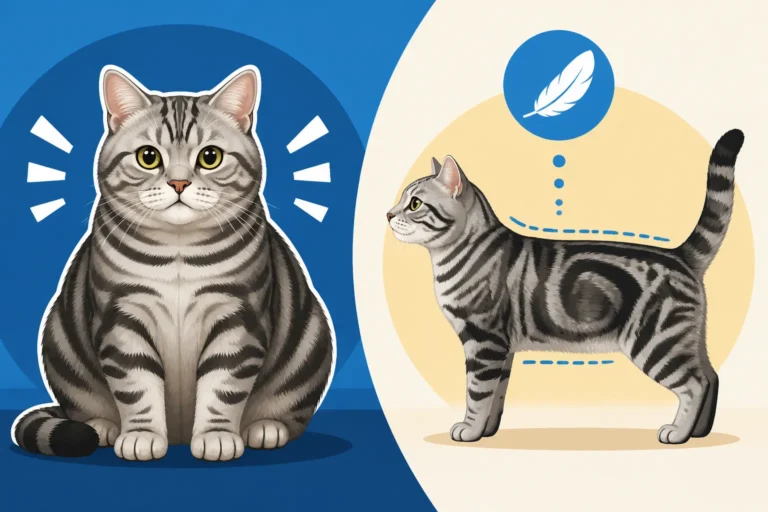
A common struggle for indoor cats, especially breeds with a history of activity like the American Shorthair, is boredom. When there's nothing much to do, some cats resort to eating out of sheer lack of other engagement. A full bowl that's always available can quickly lead to excess weight, which we know can open the door to a host of health problems down the line. What Extra Weight Does to an American Shorthair's Working Frame is a real concern. By turning mealtime into a game, you achieve a few vital things: you slow down their eating, which helps prevent overconsumption and regurgitation, and you provide a stimulating activity that occupies their mind and body. Instead of scarfing down a meal in two minutes and then looking for trouble, they're spending fifteen or twenty minutes, or even longer, actively engaged in a rewarding task. This mental and physical exertion helps burn a few extra calories and, more importantly, provides an enriching alternative to passive eating. It can be a powerful tool against the common issue of Why Indoor Life Made the American Shorthair Fat.
Creative Hiding Spots for Dry Food Portions
Getting started with hidden food portions doesn't have to be complicated. You want to ease your American Shorthair into the idea, offering initial successes before ramping up the challenge. Remember, the goal is engagement, not frustration.
Low-Effort, High-Reward Spots
When you're first introducing the idea of foraging, start simple. The best spots are those that are easily accessible but still require a tiny bit of effort or discovery. Think about surfaces your cat already enjoys exploring. A few pieces of kibble placed on the lower steps of a sturdy cat tree, or scattered lightly on a window sill where they love to perch, are perfect starting points. You could also put a small pile of food on a low shelf they already jump on, or even just spread a few pieces across a clean, non-slip mat in an unused corner of the room. The key here is visibility and easy access. You're teaching them that food isn't just in the bowl anymore; it can be found in other places too. They’ll use their excellent sense of smell to sniff out the treasures, and the minimal effort required will build their confidence in this new game. It’s all about creating positive associations with the hunt. You want them to feel clever and successful, not confused or hungry.
Intermediate Challenges for the Savvy Hunter
Once your American Shorthair has mastered the basic scattered approach, you can gently increase the difficulty. This is where simple puzzle feeders really shine. These aren't necessarily expensive gadgets; sometimes, a homemade option works just as well. You can take an empty toilet paper roll, fold in the ends, and cut a few small holes for kibble to fall out as they bat it around. Or, a simple muffin tin with a few pieces of kibble in some cups, and a small ball or toy covering others, makes for a great mental workout. What a Puzzle Feeder for an American Shorthair Costs can vary, but many effective ones are quite affordable. You can also hide food in open cardboard boxes placed on their side, encouraging them to 'paws' at it. Another excellent option is a snuffle mat, which you can find at places like Chewy, allowing them to root around with their nose and paws to extract pieces. The goal here is to require a bit more manipulation or problem-solving without making it impossible. This level of challenge encourages their natural curiosity and dexterity.
Advanced Puzzles for a True Engagement
For American Shorthairs who are real pros at the foraging game, you can introduce more complex scenarios. This involves utilizing vertical space more deliberately and creating multi-step challenges. Consider scattering food across different levels of a tall cat tree, requiring them to climb and explore. You could place a small, sturdy box with a few pieces inside on a high shelf, making them jump up to investigate. Some cats even enjoy "hunting" for kibble hidden within crinkled paper inside a larger box, forcing them to dig and rustle.
Here's a simple comparison of hiding spot difficulties:
| Difficulty Level | Description | Effort for Cat | Owner Effort | Engagement Level |
|---|---|---|---|---|
| Easy | Scattered on flat surfaces, window sills, low shelves. Visibly accessible. | Low | Low | Moderate |
| Medium | Inside simple puzzle feeders, open boxes, under light obstacles (e.g., cups). | Moderate | Low-Moderate | High |
| Hard | Multi-level cat trees, hidden in crinkled paper, interactive feeders requiring skill. | High | Moderate | Very High |
You can even create a sort of "treasure hunt" where they find a few pieces in one spot, which then leads them to another. Just make sure the spots are safe and secure, and don't involve precarious jumps or fragile items. The more they have to think and move, the more fulfilled that ancestral hunting instinct becomes. This not only keeps them physically active but also provides critical mental stimulation, especially when you're not home to play.
Incorporating Wet Food and Treats into the Game
While dry kibble is certainly the easiest to scatter, you don't have to limit your foraging fun to just that. Wet food and treats can also be integrated into the game, with a little more thought and care.
Spreading Out Wet Food Safely
Wet food can be a bit trickier due to its messiness and the need for hygiene, but it's absolutely doable and highly enriching. Lick mats, available on Amazon or Chewy, are fantastic for this. You can spread a thin layer of wet food or a creamy treat, like a cat-safe pureed chicken, across the textured surface. This encourages slow eating and provides a satisfying sensory experience. Another idea is to use small, washable rubber toys (like those designed for puppies or small dogs, but ensure they are cat-safe and cannot be chewed apart) that have nooks and crannies for wet food. You can even freeze a small portion of wet food or a low-sodium broth in an ice cube tray and offer a cube as a long-lasting, cooling treat that requires licking to consume.
The key with wet food is to ensure it's placed in easily cleanable areas, won't spoil if left out too long, and that your cat will consume it relatively quickly. Don't hide wet food in places that are hard to reach or where it might get missed and dry up or attract pests. This is more about extending the eating experience than a true “hunt,” but it provides similar benefits in terms of slowing consumption and providing mental engagement. For special occasions, healthy, fresh cat food can be portioned out into small licks on a mat.
Smart Treat Distribution
Treats are often used as simple rewards, but they can also be part of the foraging adventure. Instead of just handing them a treat, make them work for it! Use treat-dispensing toys that require batting, rolling, or manipulation to release the goodies. These are fantastic because they encourage active play and critical thinking. You can also hide individual treats in the same kinds of spots you'd use for kibble, but perhaps in more challenging locations, knowing that the higher value of the treat will motivate them to search harder.
A small treat ball that they have to bat around to get a piece of kibble or a single treat out can provide minutes of engaging activity. You could also hide a few treats inside a paper bag (ensure it has no handles your cat could get stuck in) that they have to investigate and tear open. Remember to factor treats into your cat's daily caloric intake to prevent overfeeding. Treats should be a small part of their overall diet, but they can be a significant part of their enrichment strategy.
Tips for Success and Avoiding Pitfalls
Turning your home into a foraging zone for your American Shorthair is a fantastic way to enrich their life, but there are a few important considerations to keep in mind to make it a positive experience for everyone.
Starting Slowly and Building Up
The biggest mistake new foragers make is going too big, too fast. If you suddenly switch from a full bowl to hiding all their food in obscure places, your cat might just get frustrated and give up. This isn't about making them desperate; it's about stimulating them. Start by putting 75% of their food in their regular bowl and scattering just 25% in very obvious, easy-to-find spots. Once they consistently find the scattered food, gradually increase the amount you hide and introduce slightly more challenging locations.
Observe your American Shorthair's behavior. Are they excited by the hunt? Do they seem stressed or confused? If they're struggling, scale back the difficulty. Every cat is an individual, and what works for one might not work for another. Be patient and make it a positive experience. You might find that for an older cat, simpler, more accessible hiding spots are always preferred, as discussed in Caring for an American Shorthair Past Twelve. For kittens, you can start with easier hunts to instill good habits early. How to Introduce Combing to an American Shorthair Kitten shows how early positive reinforcement works.
Ensuring All Food is Found
This is critical for both your cat's nutrition and home hygiene. If you hide food and your cat doesn't find it all, they might not be getting enough calories, or the forgotten food could attract pests. Before you go to bed or leave for the day, do a quick "sweep" of your hiding spots to ensure all portions have been consumed. If you consistently find uneaten food, it's a sign that either you're hiding too much, the spots are too difficult, or your cat simply isn't hungry enough to engage fully.
Using designated feeding times, rather than free-feeding, can help. If your cat knows food only appears at certain times, they're more likely to be motivated to find it. This can also help you track how much they're eating. If you have multiple cats, this becomes even more important. You need to ensure each cat is getting their fair share and that one isn't hogging all the bounty while another goes without. Separate foraging zones or puzzle feeders that only open for a specific microchip can be solutions in multi-cat households.
Hygiene and Safety Considerations
When scattering food, always prioritize hygiene and safety. Only use dry kibble in areas where it won't get wet, soiled, or lost under furniture. Avoid placing food directly on carpets or porous surfaces that are difficult to clean. Hardwood floors, tiles, and laminate are ideal. If you're using puzzle feeders, make sure they are cleaned regularly to prevent bacteria buildup.
Consider the items you're using as "hiding places." Ensure they are non-toxic, free of sharp edges, and large enough that your cat can't accidentally ingest them or get stuck. For instance, avoid thin plastic bags or small rubber bands. Always be mindful of other pets or small children in the house who might try to eat the cat food or get into the puzzle feeders. The goal is to enrich your American Shorthair's life, not create new problems. By taking these precautions, you can create a fun, safe, and clean foraging environment that truly benefits your beloved feline friend. How Few Calories an Indoor American Shorthair Burns is a compelling reason to make sure their food contributes to their mental and physical health in a constructive way.
Disclaimer
This article is for general informational purposes only and does not constitute professional advice. Laws, prices and regulations vary by location and change over time. Consult a qualified professional for guidance on your specific situation.