How Often an American Shorthair Reacts to a Food
It’s truly disheartening when your stoic American Shorthair, usually a picture of robust health, starts showing signs of discomfort after eating. You worry if it's just a sensitive tummy, or something more serious. Pinpointing the exact cause of a food reaction can feel like detective work, leaving many owners feeling frustrated and confused. This guide is here to help you understand how often American Shorthairs experience food sensitivities or allergies, what symptoms to look for, and how to work with your vet to get your beloved feline friend back to their happy, healthy self.
Understanding Food Reactions in American Shorthairs
When we talk about food reactions in cats, it’s a spectrum, and it's easy to get confused by the terminology. Often, people use "food allergy" as a catch-all term, but in veterinary medicine, there's a pretty important distinction between a true food allergy and a food sensitivity or intolerance. Understanding this difference is the first step to helping your American Shorthair.
Differentiating Allergies from Sensitivities
A true food allergy in cats is a specific immune response to a protein in their diet. When your cat eats a particular ingredient, their immune system mistakenly identifies it as a threat, launching an attack that results in various symptoms. These allergic reactions can often be quite severe, and they are, surprisingly, less common than many people assume. In fact, true food allergies are pretty rare, making up only a small percentage of all adverse food reactions in cats. The body's immune system goes into overdrive, releasing histamines and other chemicals that cause inflammation and irritation.
On the other hand, a food sensitivity or intolerance is a non-immune mediated reaction. This means the digestive system is simply having trouble processing a particular ingredient. Think of it like how some humans are lactose intolerant – they can't properly digest dairy, but it's not an allergic reaction. For cats, this often manifests as digestive upset, like vomiting or diarrhea, but doesn't involve the immune system firing on all cylinders. This type of reaction is generally more common than a true allergy and can still cause significant discomfort for your cat.
Why American Shorthairs Are Generally Robust
The American Shorthair is renowned for its excellent health and hardy constitution, a testament to its working-cat lineage. These cats weren't bred for extreme features but for function and survival, which has blessed them with a broad gene pool and fewer inherited health problems compared to many other pedigreed breeds. You might even hear them called "the control group of cat breeding" because of their natural, unfussy health. This robust nature generally means they are less prone to genetic predispositions for food allergies or sensitivities that you might see in some breeds with more constricted gene pools.
However, "less prone" doesn't mean "immune." While they might not be as susceptible as some breeds, any cat, including your sturdy American Shorthair, can develop a food reaction at any point in their life. It’s not necessarily about genetics; sometimes it's just about an individual cat's digestive system, environmental factors, or even prolonged exposure to a certain ingredient over time. The key is to be observant and understand that even the hardiest cat can have an off day, or indeed, an ongoing dietary issue.
Common Culprits and How to Spot Them
When your American Shorthair isn't feeling quite right after mealtime, the detective work begins. What exactly are they reacting to? And how do these reactions even show up in a cat that's usually so stoic? It's often not as simple as immediate vomiting; sometimes the signs are subtle and develop over time.
Typical Problematic Ingredients
For cats, food reactions most commonly stem from protein sources. It's ironic, given how much cats rely on animal protein, but years of eating the same kind of protein can sometimes lead to their immune system eventually flagging it as an allergen. The usual suspects include:
- Chicken and Beef: These are incredibly common ingredients in commercial cat foods, and precisely because they're so ubiquitous, they're often among the first proteins a cat's system might develop a sensitivity or allergy to.
- Fish: While many cats adore fish, it can also be a significant allergen for some. Certain fish, like tuna, also come with mercury concerns, making it a good idea to limit their intake anyway.
- Dairy: Despite the classic image of a cat lapping milk, most adult cats are actually lactose intolerant. Their bodies stop producing the enzyme needed to break down lactose after kittenhood. Giving them milk or dairy products can lead to digestive upset, which is a classic food intolerance rather than a true allergy.
- Grains (Corn, Wheat, Soy): While cats are obligate carnivores, many commercial foods contain grains as fillers or binders. While grains are less likely to be true allergens than proteins, they can contribute to sensitivities or digestive issues in some cats, especially if they have trouble processing carbohydrates.
- Additives and Preservatives: Less common but still possible, artificial colors, flavors, and preservatives found in highly processed foods could trigger a reaction in sensitive individuals.
It's important to remember that a reaction isn't always to a "bad" ingredient. Often, it's to something that has been a long-standing part of their diet.
Recognizing the Symptoms
An American Shorthair, with its calm and undemanding nature, might not make a big fuss when something is bothering them. They are generally self-sufficient cats and tend to be quite quiet, often suffering in silence before obvious signs appear. This means you need to be extra vigilant and look for a range of symptoms, not just dramatic digestive distress.
Here’s what to keep an eye out for:
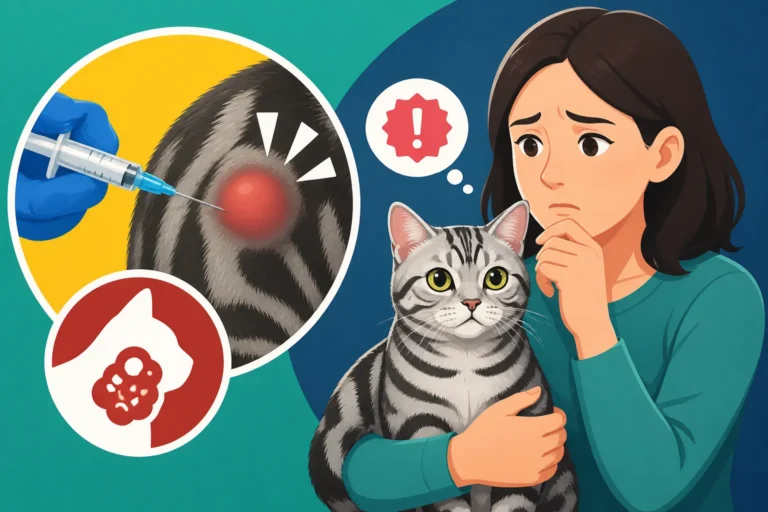
- Skin Issues: This is perhaps the most common way food allergies manifest in cats. You might notice intense itching, especially around the head, neck, ears, and belly. This can lead to your cat scratching or over-grooming to the point of developing scabs, hot spots, or even losing fur in patches. They might also develop recurrent ear infections, where the ears are red, itchy, and sometimes have a yeasty odor. If your American Shorthair is always scratching, even if their coat appears healthy from a distance, it's a huge red flag.
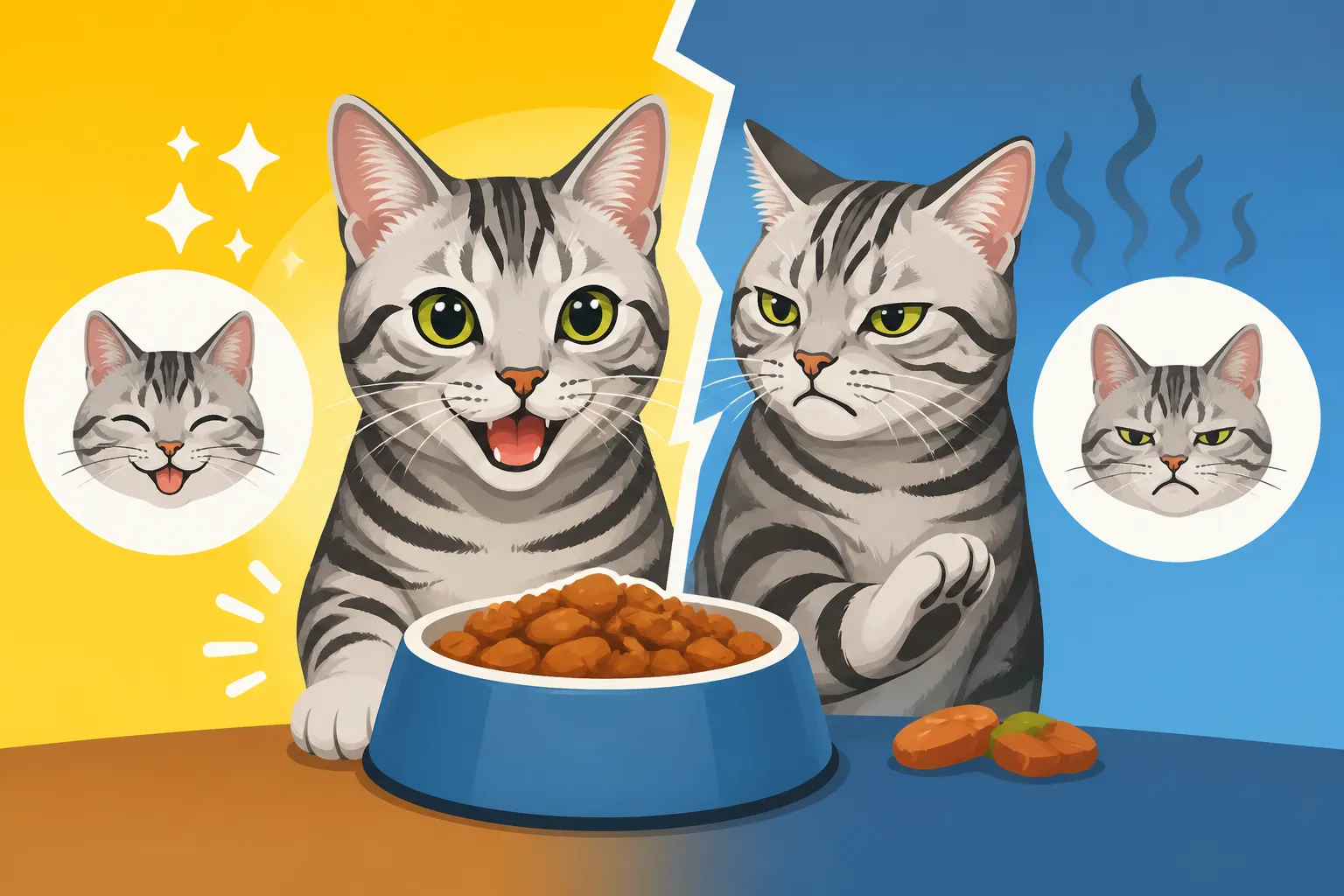
- Gastrointestinal Problems: These are more typical of food intolerances but can also be present with allergies. Look for chronic vomiting (not just an occasional hairball), persistent diarrhea, loose stools, excessive gas, or straining to defecate. Sometimes, the stool might even contain mucus or blood. Your cat might also seem uncomfortable after eating or show a decreased appetite.
- Respiratory Signs: In rare cases, some food reactions can lead to respiratory symptoms like coughing, wheezing, or sneezing. This is much less common than skin or GI issues but warrants veterinary attention if observed.
- Behavioral Changes: While less direct, chronic discomfort from a food reaction can certainly impact your cat's mood. An American Shorthair that is usually placid might become more irritable, withdrawn, or restless if they're constantly itchy or feeling unwell. They might avoid interaction or hide more often. A change in their routine or demeanor, especially when paired with other physical symptoms, is always worth investigating.
It’s easy to dismiss some of these signs as normal cat behavior or minor issues, but persistent or recurring symptoms definitely warrant a vet visit. Early detection can prevent more severe complications and improve your cat's quality of life immensely.
| Common Food Allergens/Intolerances | Typical Symptoms |
|---|---|
| Chicken, Beef, Fish | Intense itching (head, neck, ears, belly), skin lesions, hair loss, recurrent ear infections |
| Dairy (Lactose Intolerance) | Diarrhea, vomiting, abdominal discomfort, gas |
| Grains (Corn, Wheat, Soy) | Vomiting, diarrhea, chronic soft stools, gas |
| Food Additives/Preservatives | Itching, skin irritation, digestive upset (less common) |
Diagnosing and Managing Food Sensitivities
Figuring out exactly what your American Shorthair is reacting to is less about guesswork and more about a structured, patient approach, almost always under the guidance of your veterinarian. There's no quick blood test that reliably diagnoses food allergies in cats, which can be a frustrating reality for many owners. Instead, it relies on a tried-and-true method: the elimination diet.
The Elimination Diet: Your Best Tool
The elimination diet is the gold standard for diagnosing food allergies and intolerances in cats. It’s a commitment, but it's the most effective way to identify problem ingredients. Here’s how it typically works:
- Strict Novel Protein or Hydrolyzed Diet: Your vet will prescribe a special diet. This will either be a "novel protein" diet (containing a protein source your cat has never eaten before, like venison, duck, or rabbit) or a "hydrolyzed protein" diet. Hydrolyzed proteins are those that have been broken down into such tiny pieces that your cat's immune system can't recognize them as allergens. Brands like Hill's Prescription Diet z/d, Purina Pro Plan Veterinary Diets HA, or Royal Canin Hydrolyzed Protein are common choices. The idea is to remove all potential allergens from their system.
- No Cheating, Seriously: This is the absolute hardest part for many owners. For the diet to be effective, your American Shorthair must eat nothing else. No treats, no table scraps, no flavored medications, no hunting mice outside. If they usually get dental treats, you’ll need to find an alternative that’s approved by your vet or pause them for a while. Even a tiny crumb can trigger a reaction and throw off the whole process. This strictness typically lasts for 8 to 12 weeks, sometimes longer, until all symptoms resolve.
- Patience and Observation: During this period, you’ll closely monitor your cat for any improvement in their symptoms. The itching should subside, digestive issues should clear up, and their coat might even look healthier. It takes time for the old allergens to completely clear out of their system and for the inflammation to heal, so don't expect instant results.
The Reintroduction Phase
Once your American Shorthair has been symptom-free for a good stretch, the next step, and perhaps the most crucial for diagnosis, is the reintroduction phase.
- Introduce One Ingredient at a Time: Under vet guidance, you'll start reintroducing single ingredients, one at a time, from their old diet. For example, you might add a small amount of cooked chicken to their hydrolyzed diet for a week.
- Watch for a Reaction: If your cat has an allergy or sensitivity to that ingredient, symptoms will likely reappear within a few days or up to two weeks. If symptoms return, you've found a culprit! You then go back to the elimination diet until symptoms clear again.
- Repeat and Isolate: You'll repeat this process with other suspect ingredients, slowly narrowing down the list of what your American Shorthair can tolerate. This is how you build a dietary profile that works for them.
- Confirming with a Challenge: Once you've identified a suspected allergen, a "challenge" can be performed by reintroducing it after a period of being symptom-free on the elimination diet. If symptoms reappear, it confirms the diagnosis. If they don't, the ingredient might be safe. This systematic approach, though lengthy, provides definitive answers.
It’s worth noting that managing the costs associated with chronic conditions like food allergies or sensitivities can be a concern. Pet insurance providers like Healthy Paws can often help cover the diagnostic tests, specialized prescription foods (though usually not the cost of regular food, even prescription maintenance), and vet visits associated with identifying and managing these issues. It's always a good idea to check your specific policy details.
Long-Term Care and Prevention
Once you’ve successfully navigated the elimination diet and identified the problematic ingredients for your American Shorthair, the journey isn't over. Long-term care involves maintaining their special diet, staying vigilant for any new symptoms, and ensuring their overall well-being. Prevention also plays a role in minimizing future issues.
Maintaining the Special Diet
For many American Shorthairs with food sensitivities, the long-term solution is simply avoiding the trigger ingredients. This might mean sticking to a specialized "limited ingredient" diet, a novel protein diet, or even a hydrolyzed protein diet indefinitely.
- Read Labels Religiously: This cannot be stressed enough. Even seemingly benign treats or supplements can contain hidden proteins or fillers that can trigger a reaction. Always double-check ingredient lists on all food, treats, and even dental products. If you're struggling to read the minuscule print or understand complex ingredient names, don't hesitate to ask your vet or vet tech for help. Many American Shorthair owners find that consistency in their cat's diet helps immensely, as discussed in How Much a Working Framed American Shorthair Should Eat.
- Prevent Cross-Contamination: If you have multiple pets, you might need to feed your American Shorthair separately to prevent them from sneaking bites of other pets' food. This can be tricky, especially if your cat is food motivated, a common trait stemming from their mousing job history. Consider using microchip feeders if you have multiple cats, which only open for the pet whose microchip is registered.
- Discuss Supplements with Your Vet: Sometimes, chronic inflammation can affect gut health. Your vet might suggest probiotics or other supplements to help restore balance to your American Shorthair’s digestive system. Don't add anything new without discussing it first, though, as even supplements can contain hidden ingredients.
Vigilance for New Symptoms
While you might have identified one or two primary culprits, it's possible for cats to develop new sensitivities over time, especially if they are continually exposed to a limited rotation of ingredients.
- Keep a Food Diary: Continuing to track what your American Shorthair eats and any symptoms they display can be incredibly valuable. This helps you quickly identify if a new ingredient is causing problems or if an old symptom has resurfaced.
- Regular Vet Check-ups: Even with a stable diet, regular vet visits are crucial. Your vet can monitor your cat's overall health, skin condition, and weight. Sometimes, symptoms that initially seemed like a food reaction could be indicative of another underlying health issue that needs attention, such as those discussed in What an Untested American Shorthair Usually Dies Of. These check-ups are also a good time to discuss any new concerns or adjustments to their diet.
- Consider Pet Insurance: As mentioned earlier, pet insurance can be a real lifeline. While most policies don't cover routine food costs, they can cover the diagnostics if new symptoms arise or if your American Shorthair develops secondary issues like severe skin infections from scratching. Companies like Healthy Paws offer various plans that can help manage unexpected veterinary expenses, giving you peace of mind.
Environmental Enrichment and Stress Reduction
While not directly related to food, factors like stress can sometimes exacerbate physical symptoms in cats. A cat that's feeling generally anxious or stressed might be more prone to showing symptoms of discomfort, even from a mild food sensitivity.
- Consistent Routine: American Shorthairs thrive on routine. A stable environment and predictable meal times can contribute to their overall well-being.
- Mental and Physical Stimulation: Ensure your cat has plenty of opportunities for play and mental engagement, especially if they are an indoor cat. Toys that simulate hunting can be particularly beneficial for this breed, as they still possess a strong prey drive, as explored in The American Shorthair Still Hunts Whether You Want It To or Not. This helps reduce boredom and stress, contributing to a healthier feline overall.
- Comfortable Living Space: Provide safe, elevated spaces for your American Shorthair to observe their territory, and ensure they have a comfortable, clean litter box, sized appropriately for their square build, as detailed in Which Litter Box Suits a Square Built American Shorthair. A happy cat is often a healthier cat, even when dealing with dietary restrictions.
By diligently managing their diet, staying observant, and working closely with your veterinarian, you can ensure your American Shorthair lives a comfortable, healthy, and happy life, free from the discomfort of food reactions.
Disclaimer
The information provided in this article is for general informational purposes only and is not a substitute for professional veterinary advice. Always consult with a qualified veterinarian for any health concerns or before making any decisions related to your pet's health or treatment.