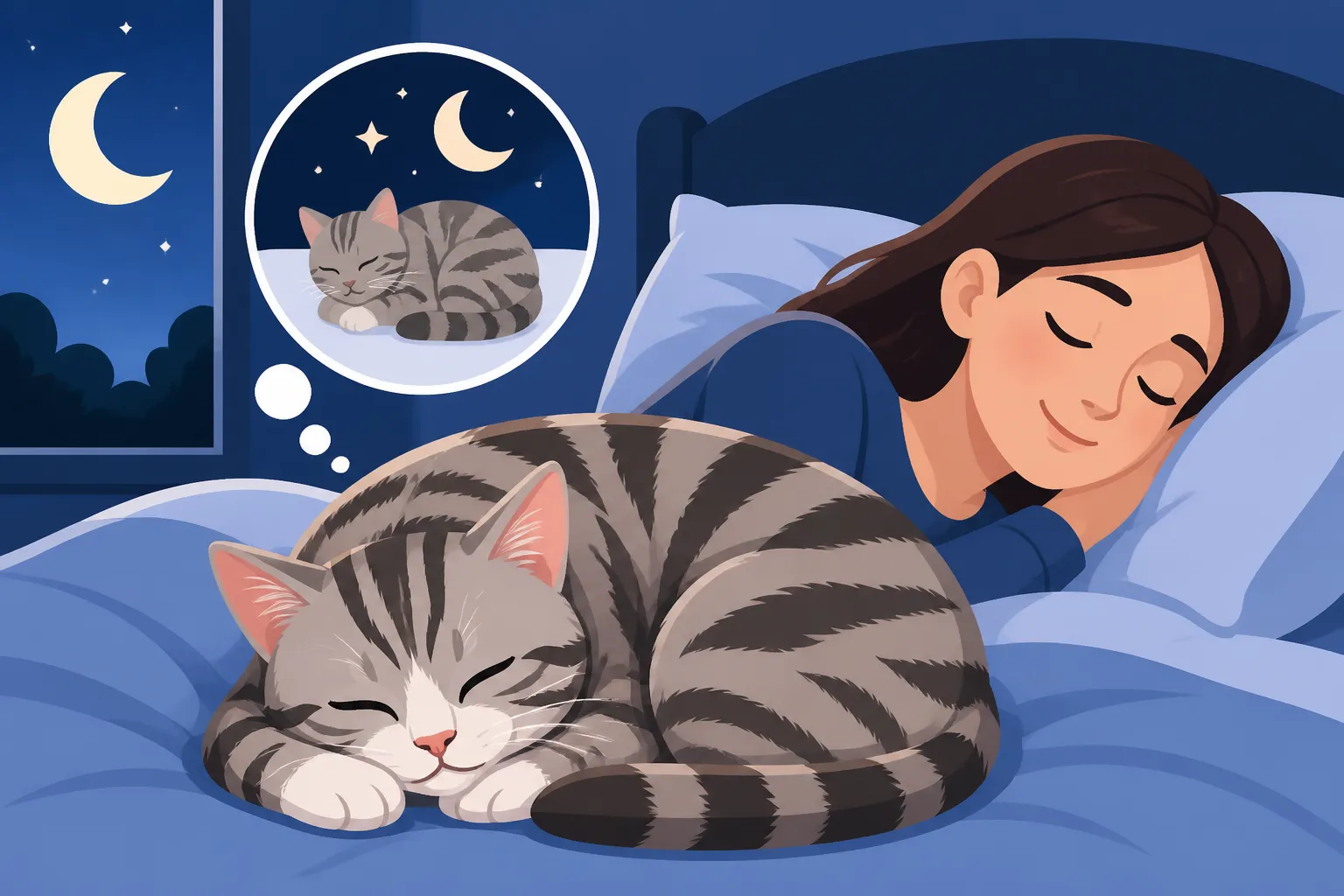
How Often an American Shorthair Sleeps on Your Bed
One common fantasy for cat owners is snuggling up with their beloved feline companion every night, purring softly on the pillow. However, if you're an American Shorthair parent, you might find yourself wondering why your independent pal sometimes prefers the top of the bookshelf or a sunny patch on the rug to your inviting duvet. This guide will dive deep into the fascinating world of the American Shorthair's sleeping habits, exploring why they might or might not choose your bed, and how you can encourage those sought-after snuggles without compromising their unique spirit.
The American Shorthair's Innate Independence and Comfort Zones
American Shorthairs are magnificent creatures, renowned for their easygoing nature and robust health. Yet, their deep-seated independence often means they have their own ideas about where the best sleeping spots are, and sometimes, that isn't right beside you. Understanding their heritage is key to appreciating their personal space.
Deep Roots in Self-Reliance
Our American Shorthair friends trace their lineage back to the working cats of Europe, brought over on ships to handle rodent populations. These were not pampered pets destined for velvet cushions; they were essential members of the crew, earning their keep through hunting prowess. This history of self-reliance is deeply ingrained in their DNA, influencing much of their behavior, including their sleeping preferences. They learned to be adaptable, resourceful, and capable of fending for themselves. This means they often don't need constant human reassurance in the same way some other breeds might.
When your American Shorthair opts for a quiet corner or a spot on a high shelf, it's often a nod to this ancestral independence. They're not rejecting you; they're simply choosing a spot that feels secure and offers them a sense of control over their environment. This isn't a slight against your affection but rather a manifestation of their deeply rooted instincts. They are quite adept at looking after their own comfort, and sometimes that means a nap far from the hustle and bustle of human activity.
You might notice that even when they are near you, it's often on their terms, a quiet presence rather than an insistent demand for attention. This quiet companionship is a hallmark of the breed, a subtle expression of their affection that respects both your space and theirs. Remember, An American Shorthair Asks You for Almost Nothing, and this extends to their sleeping arrangements. They’ll come to you when they truly feel like it, making those moments all the more special.
Territory Over Tenderness
For an American Shorthair, the home isn't just a dwelling; it's their territory, their personal domain. Their historical role as working cats meant they needed to patrol and protect their space, and this instinct still guides their movements and resting choices today. They are keenly aware of their surroundings, and their chosen sleeping spots often reflect a need for a good vantage point or a safe, secluded hideaway.
A high cat tree or a window perch provides an excellent overview of their "patrol route," allowing them to feel secure and aware of everything happening in their environment. This is why you might often find them napping on a dresser, a high shelf, or even a sturdy armchair, rather than nestled under your chin. They might enjoy the warmth and softness of your bed, but the prime real estate for a cat with a territorial mindset is often one that offers an elevated view.
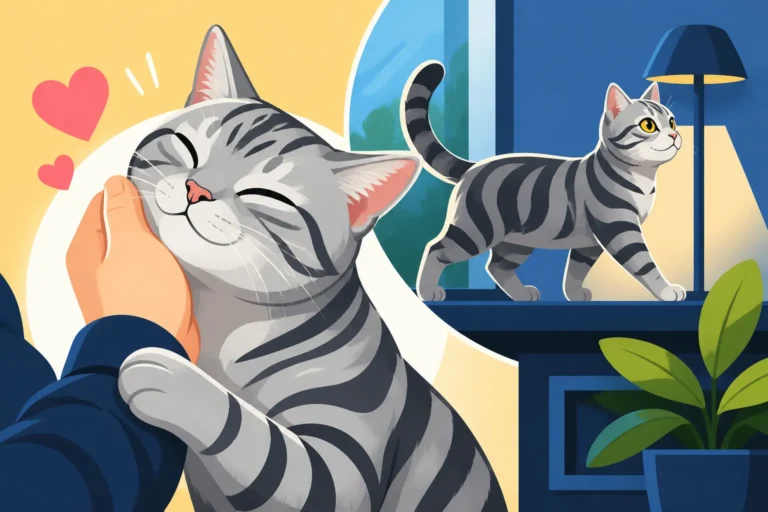
This isn't to say they don't appreciate tenderness. They certainly do, but it’s often expressed in their own, less overtly clingy ways. A gentle head-butt, a quiet sit beside you on the sofa, or a slow blink from across the room can be just as meaningful as a full-on lap nap. Their independence is part of their charm, and understanding their preference for strategic resting spots helps you appreciate their unique blend of affection and self-sufficiency. Think of it less as a snub and more as a reflection of their confident, self-assured personality. They want to be near you, but on their own terms, like a trusted colleague rather than a dependent child. Indeed, Why a Working Bred American Shorthair Sits Beside You Rather Than On You perfectly encapsulates this dynamic.
Why Your American Shorthair Might (or Might Not) Share Your Bed
The question of whether your American Shorthair will grace your bed with their presence isn't a simple yes or no. It's a nuanced dance of comfort, security, personality, and even a little bit of historical instinct.
The Allure of Warmth and Softness
Let's be honest: human beds are incredibly comfortable. They're often the softest, warmest, and most plush spots in the entire house, especially during cooler months. For an American Shorthair, who despite their hardy coat can still appreciate a good heat source, a bed near a sunny window or under a cozy duvet can be irresistible. The feeling of sinking into soft blankets, combined with the ambient warmth of your body, often makes the bed a prime location for a luxurious snooze.
Many American Shorthairs will certainly seek out this comfort, particularly if they're past their most energetic kitten stages and appreciate a good, long stretch of undisturbed sleep. They'll knead the blankets into submission, purr contentedly, and settle in for hours. For owners who crave that furry companion at their feet, this is a truly delightful experience. You might even find yourself looking for extra soft blankets or cat beds on platforms like Amazon to make their chosen spot even more inviting, trying to replicate the luxurious feel of your own bed elsewhere.
However, even if they appreciate the softness, it doesn't mean they'll be there every night or for the entire night. Cats are creatures of habit but also creatures of whim. They might start the night on your bed, move to a cooler floor space in the middle of the night, and then return for a morning snuggle. This fluid approach to sleep locations is perfectly normal for them, reflecting their ability to find optimal comfort and safety at any given moment. Remember, How Much an American Shorthair Sleeps is quite a lot, but where they do it can vary greatly.
Safety, Security, and Vantage Points
While the bed offers warmth and softness, it doesn't always offer the "security" an American Shorthair's instincts might crave. A large, open bed can feel vulnerable to a cat whose ancestors were always on alert for predators or prey. They often prefer spots that offer them a sense of concealment, an escape route, or an elevated view of their surroundings. This is a common frustration for owners who wonder why their cat prefers a box to a plush cat bed. It's about perceived safety.
Imagine your American Shorthair's perspective: from the top of a cat tree or a high shelf, they can survey their territory, monitor who enters and leaves a room, and generally feel like they're in control. On an open bed, while lovely and soft, they might feel exposed. This innate desire for a secure, strategic location can often override the simple desire for warmth and softness. How Much Vertical Space an American Shorthair Needs is a testament to this inherent need for elevation and vantage points, which often translates to sleeping spots off the ground.
If your American Shorthair isn't a consistent bed-sharer, chances are they've found other spots that better satisfy these primal needs. Perhaps it's a cozy cat cave under a table, a high perch by a window, or even a hidden nook in a closet. These spots provide the sense of security and control that allows them to truly relax and feel safe while they sleep. It's not personal; it's just their instinct. Where an American Shorthair Chooses to Sleep will always be a reflection of these dual desires for comfort and security.
The Influence of Early Experiences and Personality
Just like people, every American Shorthair has a unique personality, and their individual experiences, especially during their formative kitten months, can significantly shape their preferences. A kitten who was frequently handled and cuddled from an early age might grow into an adult who readily seeks out human contact and your bed for sleep. Conversely, a kitten who had less human interaction or was allowed more independence might naturally gravitate towards solitary sleeping spots.
Even within the breed, there's a spectrum. Some American Shorthairs are naturally more outgoing and affectionate, while others retain a stronger sense of their inherent self-reliance. This can also be influenced by whether they were part of a large litter, how their mother cat behaved, and the overall environment they grew up in. A cat adopted later in life, particularly if they came from a less socialized background, might take longer to warm up to the idea of sharing your bed, or might never fully embrace it.
Furthermore, a cat's personality can evolve with age and circumstance. An older American Shorthair, perhaps one who is experiencing some aches and pains, might start seeking out the warmth and comfort of your bed more often. Or, a cat who has always slept alone might suddenly become more affectionate if there are changes in the household, such as a new pet or a shift in your schedule. Understanding that your cat's preferences are not static and are tied to their individual journey is crucial for managing expectations.
Encouraging Bedtime Cuddles with Your American Shorthair
So, you want your American Shorthair to sleep on your bed more often. It's a common desire, and thankfully, there are gentle, respectful ways to encourage this without forcing the issue or going against their independent nature.
Cultivating a Secure and Trusting Bond
The foundation of any successful "bed-sharing negotiation" with an American Shorthair is a strong, trusting relationship. They are intelligent and observant cats, and they will only feel truly comfortable and safe enough to relax completely on your bed if they completely trust you and their environment. This means consistent, positive interactions that validate their autonomy.
Spend quality time with your cat that isn't always about picking them up or forcing cuddles. Playtime with interactive toys, gentle petting when they initiate contact, and even just quiet co-existence in the same room can build a deep bond. Offer them treats during quiet moments on the bed, or play near the bed to associate it with positive experiences. Let them approach you, sniff you, and settle near you on their own terms. This respect for their personal space is paramount for an American Shorthair.
Think of it this way: Why an American Shorthair Was Never Bred to Need You, but they certainly can learn to appreciate your company. Building trust means they understand your bed is a safe haven, not a trap for unwanted attention. Over time, as they feel more secure and loved, they may naturally choose to join you during their sleep cycles. Patience is definitely a virtue here.
Making the Bed an Inviting Sanctuary (for Both of You)
If you want your American Shorthair to view your bed as a prime sleeping spot, make it as appealing as possible. This goes beyond just being soft. Consider the following:
- Temperature: Cats are often drawn to warmth. If your room is generally cool, a soft blanket or a designated cat bed placed at the foot of your bed might be more inviting. During hotter months, a cooler, less covered spot might be preferred.
- Scent: Your scent is comforting to them. However, if your bed linens carry strong perfume or detergent smells, it might be off-putting. Opt for mild, cat-friendly laundry detergents.
- Designated Spot: Some cats prefer their "own" space on the bed. A small, plush cat bed or a favorite blanket placed on your bed, away from your immediate sleeping zone, can give them a sense of ownership. Many owners find great options for these on Amazon, from cozy caves to self-warming mats.
- Accessibility: Ensure your cat can easily get onto and off the bed. If it’s very high, a set of cat steps or a sturdy chair nearby can make it more accessible, especially for older cats. Caring for an American Shorthair Past Twelve often involves thinking about accessibility to their favorite high spots.
The goal is to create an environment where your American Shorthair feels not just comfortable, but also empowered to come and go as they please. They should feel like they're choosing the bed because it's the best spot, not because they're being compelled to stay.
The Art of Gentle Invitation, Not Coercion
This is perhaps the most critical aspect of encouraging your American Shorthair to sleep on your bed. You cannot force an American Shorthair to do anything they don't want to do, especially sleep somewhere they feel uncomfortable. Coercion will only backfire, making them associate your bed with negative experiences and driving them away.
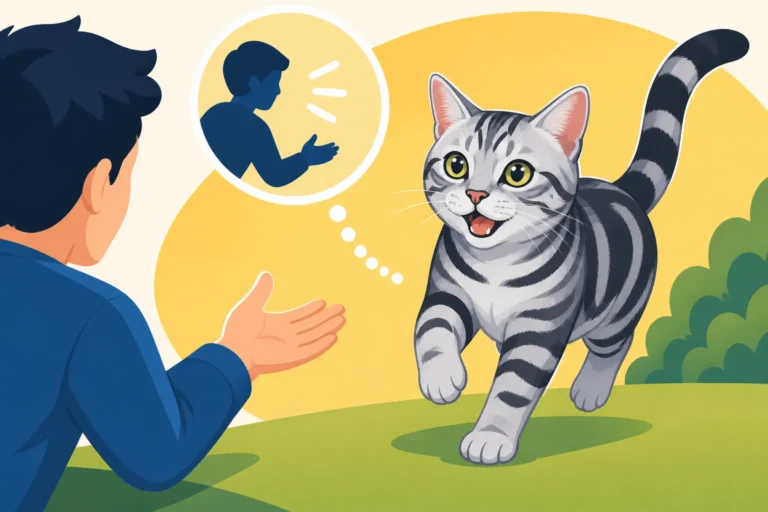
Instead, practice gentle invitation. When you're settling into bed, gently pat the spot next to you or at the foot of the bed. Speak in soft, reassuring tones. If they jump up, offer a quiet purr-inducing scratch behind the ears or a small, enticing treat. If they seem hesitant, don't chase them or try to pick them up. Simply let them be. The choice must always be theirs.
You might find that your American Shorthair will join you for short periods, perhaps for a pre-sleep cuddle or a morning greeting, even if they don't spend the entire night. Cherish these moments. Their presence, even for a short while, is a sign of their affection and trust. As creatures of routine, they might eventually incorporate "bedtime with human" into their nightly schedule if it consistently feels pleasant and non-threatening. Remember, What an American Shorthair Does Instead of Demanding is to subtly offer their presence and wait for your invitation.
Decoding Your American Shorthair's Sleeping Habits
Observing your American Shorthair's sleeping habits can tell you a lot about their health, happiness, and comfort levels. It’s not just about if they sleep on your bed, but also how and when they sleep.
The Ever-Changing Bedtime Routine
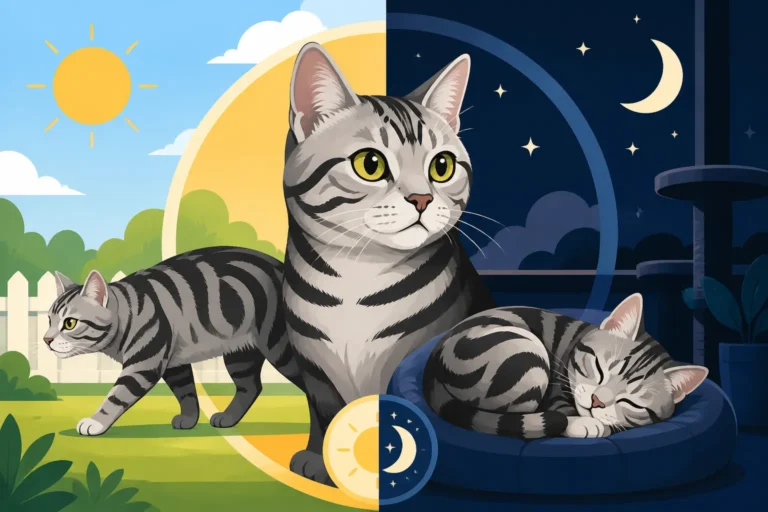
It’s important to remember that cats, including American Shorthairs, don't necessarily adhere to a strict 9-to-5 human sleep schedule. They are often crepuscular, meaning they are most active during dawn and dusk. This is a leftover from their hunting days when prey was most active at these times. This means their sleep patterns can be quite fractured throughout a 24-hour period. You might find your American Shorthair having deep sleeps in the afternoon, bursts of activity in the evening, and then another long snooze overnight.
This natural rhythm means that their presence on your bed might be intermittent. They might join you when you first get into bed, then wander off for a patrol or a snack in the middle of the night, only to return for a pre-dawn nap. Don't take this movement personally. It's simply their natural inclination to engage in Why an American Shorthair Is Awake Before You Are and follow their instincts.
Their preference for sleeping locations can also shift based on the season, temperature, or even changes in the household environment. A warm spot in winter, a cool tiled floor in summer, or a high perch during a noisy family gathering are all perfectly normal choices for an American Shorthair. Their adaptability is one of their defining traits, and this applies directly to their sleeping arrangements. A steady rotation of favorite spots, including your bed, is usually a sign of a well-adjusted and secure cat.
When a Shift in Sleeping Habits Signals a Deeper Issue
While some fluctuation in sleeping habits is normal, a sudden or drastic change can sometimes be a subtle indicator of a problem. American Shorthairs are generally stoic and excellent at hiding discomfort or illness, a trait honed by their solitary hunting past. This means you need to be observant of any unusual shifts.
Here are a few scenarios where a change in sleeping location or pattern might warrant attention:
- Sudden Avoidance of the Bed: If your cat, who typically sleeps on your bed, suddenly stops entirely and avoids the area, it could indicate discomfort. Perhaps jumping onto the bed is causing pain (consider joint issues, especially in older cats, as Why an Old American Shorthair Loses Muscle First can make jumping difficult). Or perhaps a new pet or noise in the room is making them feel insecure.
- Excessive Hiding: If your American Shorthair starts consistently sleeping in unusual, very hidden, or hard-to-reach places, it could be a sign of pain, anxiety, or illness. Cats often hide when they feel vulnerable. Why a Stoic American Shorthair Hides Pain the Longest makes this a crucial observation.
- Restlessness or Excessive Sleep: While their sleep patterns can be varied, a cat who is suddenly much more restless at night, constantly shifting positions, or conversely, sleeping significantly more than usual, might be experiencing a health issue. Increased thirst, changes in appetite, or other subtle behavioral shifts alongside sleep changes can be critical clues.
- Confusion or Disorientation: For very senior American Shorthairs, changes in sleep patterns might also be linked to cognitive decline. If they seem disoriented or lost, even in familiar places, it's worth a vet check. What Confusion Looks Like in an American Shorthair Past Sixteen is an important area to be aware of.
Always consult your veterinarian if you notice significant or concerning changes in your American Shorthair's sleeping habits. They are the best resource for diagnosing any underlying health issues and can help you create a comfortable and safe environment for your cherished companion.
Disclaimer
This article is for general informational purposes only and does not constitute professional advice. Laws, prices and regulations vary by location and change over time. Consult a qualified professional for guidance on your specific situation.