Portioning for an American Shorthair That Once Worked for Meals
It’s a common frustration for American Shorthair owners: you're trying to keep your lovely, sturdy cat at a healthy weight, but their appetite seems to know no bounds. It feels like they’re constantly hungry, always looking for more, and it can be incredibly challenging to figure out how much food is actually enough. This comprehensive guide will walk you through the unique history of the American Shorthair's eating habits and help you develop effective portioning strategies to ensure your beloved companion thrives without overindulging.
The Evolution of the American Shorthair's Appetite: From Hunter to Housecat
The American Shorthair has a fascinating history deeply rooted in utility. These cats weren't originally bred for looks or companionship, but for their prowess as working animals, primarily ridding ships and farms of rodents. This historical role profoundly influenced their physiology and, critically, their approach to food. Their bodies were honed to be efficient hunters, capable of expending significant energy and making the most of whatever sustenance they could find.
The Instinct to Hunt and Its Impact on Hunger Cues
Think about a wild cat. Its day is a cycle of stalking, chasing, catching, and then, finally, eating. The act of hunting itself is a massive energy drain and intrinsically linked to its reward: food. For the ancestors of the American Shorthair, every meal was earned. This means their internal hunger cues weren't just about a rumbling stomach; they were intertwined with the physical and mental exertion of the hunt. They wouldn't typically find a never-ending supply of prey, so when food was available, they were programmed to eat sufficiently to sustain themselves until the next successful hunt.
When we bring these magnificent animals into our homes, we inadvertently short-circuit this natural process. The food appears effortlessly in a bowl, requiring no expenditure of energy or mental cunning. This disconnect can lead to a cat whose instincts are screaming "eat while you can!" even though another meal is just hours away. It’s not that your American Shorthair is greedy; it’s that their deeply ingrained biological programming struggles to reconcile the abundance of the modern home with the scarcity of their ancestral hunting grounds. This can leave owners baffled, wondering Why an American Shorthair's Appetite Outlasted Its Job.
Why Centuries of Scavenging Shaped Their Eating Habits
Beyond active hunting, the American Shorthair's forebears were also opportunistic scavengers. On ships, they’d glean morsels from human provisions, and on farms, they’d patrol barnyards for fallen grain, insects, or anything edible. This background means they developed a metabolism designed to extract maximum value from varied food sources and to operate effectively even when food wasn't consistently plentiful or high-quality. They weren't just eating what they caught; they were making use of every opportunity.
This history of making do and maximizing intake from available resources carries over into the modern American Shorthair's psyche. They might view a full bowl as a temporary windfall, an opportunity to stock up before it disappears, rather than a consistent, reliable source. This isn't a sign of poor training; it's a testament to thousands of years of survival instinct. Understanding this can help us approach their "insatiable" appetites with more empathy and less frustration, recognizing that we're working with deeply embedded behavioral patterns.
The Modern American Shorthair's Internal Struggle with Food
So, you have this wonderfully robust, intelligent American Shorthair whose ancestors were lean, mean, rodent-catching machines. Now, they live a life of comfort, often indoors, with a predictable food supply. The internal conflict is real: their body expects to work hard for food, but their food arrives without effort. This can lead to a cat that constantly feels a low-level urge to eat, simply because the stimulating, energy-burning "hunt" part of the equation is missing.
This internal struggle manifests as a seemingly endless hunger, even when they've consumed adequate calories. They're missing the fulfillment that comes from the hunt, not just the calories. This can make portioning feel like an uphill battle, as you're not just managing caloric intake, but also trying to satisfy a primal need that the domestic environment often overlooks. It’s why just putting food down isn't always enough to create a truly satisfied American Shorthair.
Understanding Your American Shorthair's Nutritional Needs
Before you can effectively portion your American Shorthair's meals, you need a solid grasp of what they actually need to eat. These are not dainty, fine-boned creatures; they are substantial, muscular cats built for hard work. Their nutritional requirements reflect this robust physique and active nature, even if that "activity" now mostly involves chasing laser pointers and batting at feather wands.
Decoding Calorie Requirements for a Muscular Build
The American Shorthair is known for its strong, stocky build. This isn't fat; it's muscle, and muscle burns more calories than fat, even at rest. This means that while they might appear sturdy, they do genuinely require a certain caloric intake to maintain that healthy musculature. However, the key phrase here is "maintain," not "excessively fuel." A cat whose daily routine has shifted from actively hunting to napping on the couch and playing short bursts of zoomies will naturally need fewer calories than their ancestors did.
A general guideline for an adult cat's caloric needs often hovers around 20-35 calories per pound of ideal body weight. However, this is just a starting point. An active 10-pound American Shorthair will need more than a sedentary one. Factors like age (kittens need more, seniors often need slightly less), neuter status (neutered cats burn fewer calories), and individual metabolism all play a significant role. It’s easy to miscalculate and overfeed, especially when dealing with a cat that always acts hungry. Knowing How Many Calories a Working Framed American Shorthair Needs a Day is crucial for setting a baseline.
The Importance of Protein and Balanced Macronutrients
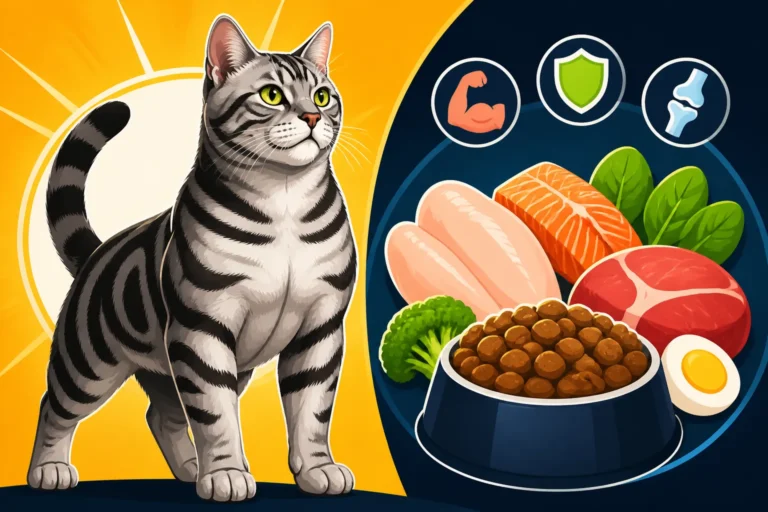
Given their heritage as carnivores and their muscular build, protein is paramount in an American Shorthair's diet. Their bodies are designed to derive energy and essential nutrients from animal sources. High-quality animal protein supports muscle maintenance, organ function, and a healthy coat. Without sufficient protein, especially as they age, they can start to lose valuable muscle mass, even if they appear well-fed.
Beyond protein, a balanced diet includes appropriate levels of fats and carbohydrates. Fats provide concentrated energy and essential fatty acids for skin and coat health. While cats don't have a dietary requirement for carbohydrates, a moderate amount from digestible sources can contribute to energy and satiety. The challenge lies in finding a food that delivers these in the right proportions without being overly dense in calories or packed with fillers that don't offer true nutritional value. Many commercial foods are formulated to meet these needs, but checking the ingredient list and guaranteed analysis is always a good idea. Brands like Chewy often provide detailed nutritional information on their product listings, making it easier to compare.
How Age, Activity, and Health Affect Portions
A blanket "one size fits all" approach to portioning simply won't work for an American Shorthair, or any cat for that matter. A spry young adult who still zips around the house like a missile will require more energy than a senior cat who prefers quiet naps by the window. Similarly, a cat recovering from an illness might need a temporary boost in calories, while one prone to weight gain will need stricter control. Caring for an American Shorthair Past Twelve often involves adjusting their diet as their metabolism slows and their activity levels decrease.
Regular veterinary check-ups are invaluable here. Your vet can assess your cat's body condition, discuss their activity level, and help you determine the most appropriate caloric intake for their specific life stage and health status. They can also advise on any underlying health issues that might affect appetite or metabolism, such as thyroid problems or diabetes. Don't be afraid to ask for a specific calorie target; it provides a much clearer goal than just "a scoop."
The Perils of Free-Feeding for the Formerly Working Cat
For many busy pet owners, free-feeding—leaving a bowl of kibble out all day—seems like the easiest solution. The cat eats when it's hungry, right? While this might work for some cats, for the American Shorthair, with its strong hunting instincts and historical predisposition to make the most of available food, free-feeding is often a recipe for disaster. It directly contradicts their natural feeding patterns and can lead to a host of health problems.
Why an Always-Full Bowl Leads to Weight Gain
Imagine a cat in the wild finding a fresh kill. It eats, it's satiated, and it moves on. It doesn't find another kill sitting there waiting an hour later. Free-feeding, however, creates an environment of constant availability. For an American Shorthair whose ancestors were programmed to eat when food was present because scarcity was a real threat, an always-full bowl essentially triggers a "feast" response that never ends. They may nibble out of boredom, comfort, or simply because the food is there, rather than out of true caloric need.
This continuous grazing, combined with an indoor lifestyle that often lacks the physical exertion of their ancestral life, leads almost inevitably to weight gain. The calories consumed far outweigh the calories burned. Many owners lament that their American Shorthair always seems hungry, even after a full meal, but Whether an American Shorthair Knows When It Is Full is often overridden by their primal drive. This is less about discipline and more about biology interacting with an unnatural environment.
The Link Between Obesity and Health Issues
The consequences of an overweight American Shorthair are far-reaching and serious. Obesity isn't just about a cat looking a little chunky; it's a significant health risk factor. Overweight cats are at a much higher risk for conditions like diabetes, joint problems (especially affecting their hips and knees due to their stocky build), urinary tract issues, and even certain types of cancer. Carrying extra weight puts a strain on every organ system. What Extra Weight Does to an American Shorthair's Working Frame is detrimental, changing how they move, how well they can groom themselves, and their overall quality of life.
It's heartbreaking to see a cat suffer from preventable illnesses. The very robustness that makes the American Shorthair such a resilient breed can also mask early signs of trouble, as they are often stoic and won't show discomfort until a condition is quite advanced. This makes proactive management through proper portioning even more critical. Avoiding obesity is one of the most impactful things you can do to ensure your American Shorthair lives a long, healthy, and comfortable life.
Disrupting the Natural Hunt-Eat Cycle
Beyond the physical health implications, free-feeding also robs the American Shorthair of crucial mental stimulation. Their ancestors’ entire existence revolved around the hunt – a complex sequence of searching, stalking, pouncing, and finally, consuming. This cycle provides both physical exercise and immense mental enrichment. When food is simply delivered, the cat misses out on the "work" that their brains and bodies are wired for.
This disruption can lead to boredom, frustration, and even behavioral issues. A bored American Shorthair might become destructive, excessively vocal, or seek out other forms of "hunting," such as stalking your feet under the covers at night. By eliminating the need to "work" for food, we strip away an essential part of their natural behavior. Structured meal times, especially when combined with engaging feeding methods, can help to re-establish a healthier and more fulfilling feeding dynamic for these intelligent, instinct-driven cats.
Crafting a Structured Meal Plan for Your American Shorthair
Moving away from free-feeding can feel like a big step, but it's one of the most beneficial changes you can make for your American Shorthair's health and happiness. A structured meal plan brings predictability and control, allowing you to manage caloric intake while also tapping into their natural feeding rhythms. It might take a little patience and consistency, but the rewards are well worth it.
How Many Meals a Day and Why Timing Matters
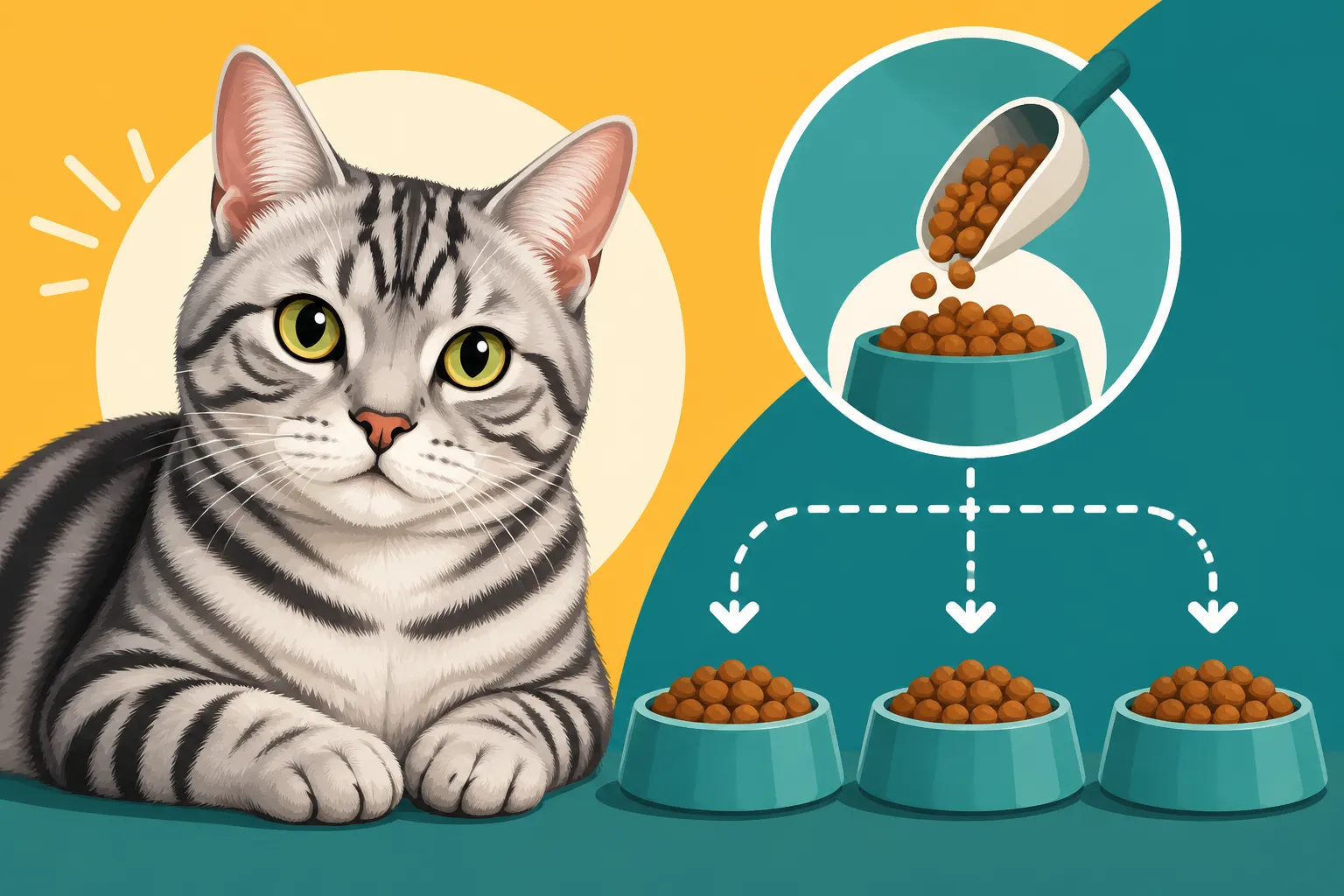
For an adult American Shorthair, feeding two to three distinct meals a day is often ideal. This mimics the natural pattern of a wild cat, which typically eats several small meals throughout the day, rather than one large one. Spreading out their daily calorie allowance across multiple meals helps to keep their blood sugar stable, prevents them from feeling overly hungry between feedings, and provides regular opportunities for interaction with you.
For example, a morning meal around your breakfast time, another in the late afternoon or early evening, and perhaps a small "nightcap" snack before bed can work wonderfully. The predictability of timing is key. Cats are creatures of habit, and knowing when to expect food can reduce anxiety and begging behavior. If their meals arrive at roughly the same time each day, they learn to trust the routine, making them less likely to feel constantly deprived. Three Small Meals Suit an American Shorthair particularly well for managing their persistent appetites.
Measuring Portions Accurately for Optimal Health
This is where the rubber meets the road! Guessing isn't going to cut it. To accurately portion, you need a kitchen scale. Forget the scoops that come with food bags; their measurements can be wildly inaccurate due to variations in kibble density and how tightly packed it is. A digital kitchen scale allows you to weigh out the exact amount of food, usually in grams, that your veterinarian recommends based on your cat's ideal body weight and activity level.
Let's say your vet determines your American Shorthair needs 200 calories a day, and your chosen dry food contains 400 calories per cup (always check the bag!). If you're feeding twice a day, you'd give half a cup per meal. However, if using weight, and the food states 3500 kcal/kg, then 200 kcal is approximately 57 grams. Divide that by your number of meals. This precision ensures your cat is getting exactly what they need, no more, no less. It removes the guesswork and provides a consistent dietary intake. Remember, How Much to Put Down for an American Shorthair at Each Meal is a calculated decision, not a spontaneous one.
The Transition: Moving from Free-Feeding to Scheduled Meals
Switching from free-feeding to scheduled meals can be a bit of a bumpy road, especially if your American Shorthair is used to constant access. They might protest vocally, paw at their empty bowl, or even try to "hunt" for hidden kibble. Patience is your best tool here.
Start by offering food at specific times and leaving it down for a limited period, say 15-20 minutes. If your cat doesn't eat it all, remove it until the next scheduled meal. They will quickly learn that food isn't always available, and if they want to eat, they need to do so during the designated window. Don't give in to their pleas between meals – this only reinforces the begging behavior. Ensure there are no other food sources they can access, like other pets' bowls or human scraps. It might take a few days, or even a week, but most American Shorthairs adapt remarkably well to a new routine once they understand the new rules. Why a Bowl Left Down Undoes an American Shorthair becomes very clear during this transition. You might find that using a timed feeder can help automate this process, ensuring consistency even when you're busy. Brands like Amazon offer a wide variety of reliable timed feeders that can be a game-changer for establishing a routine.
Smart Feeding Strategies Beyond the Bowl
Simply portioning food into a bowl at set times is a fantastic start, but for an American Shorthair, who still carries that strong hunting instinct, we can do even better. Incorporating feeding strategies that engage their minds and bodies can transform mealtime from a passive event into an enriching experience, making them feel more satisfied and less prone to demanding extra food.
Introducing Puzzle Feeders to Engage Their Instincts
Puzzle feeders are one of the best tools for an American Shorthair. These devices require your cat to "work" for their food by batting, pawing, or manipulating the feeder to release kibble. This simulates the mental and physical effort of a hunt, turning mealtime into a stimulating activity rather than just a quick gulp-and-go. There are many types, from simple treat balls to more complex mazes.
Starting with an easy puzzle feeder and gradually increasing the difficulty can keep your cat engaged. You can put their entire meal portion in the feeder, or just a portion of it, supplementing with a small bowl meal. This helps satisfy their innate drive to problem-solve and "catch" their food. Not only does it slow down their eating, which can aid digestion and satiety, but it also burns a few extra calories and provides mental enrichment. This makes them feel like they've earned their meal, which is incredibly fulfilling for a breed with such a strong working heritage. It's often asked, Whether a Puzzle Feeder Satisfies an American Shorthair, and the answer is a resounding yes!
Hiding Food for a "Foraging" Experience
Another fantastic way to engage your American Shorthair's natural hunting and foraging instincts is to hide small portions of their daily food allowance around the house. Instead of putting all their kibble in one spot, divide it into several small piles or sprinkle it in various locations that require a little exploration or climbing. Think about places like on top of a low shelf, inside a cardboard box, or tucked into a crinkly paper bag.
This "find the food" game makes them actively search and patrol their territory, mimicking how they might have scoured a barn or field for morsels in the past. It adds excitement and purpose to their day and provides low-impact exercise. Just be sure to choose safe, accessible spots and avoid areas where food could spoil or attract pests. How to Hide an American Shorthair's Food Around the House transforms mealtime into an adventure and combats boredom, which can often manifest as incessant hunger.
Using Treats Wisely as Part of the Daily Allowance
Treats are wonderful for bonding and training, but they are often overlooked as a significant source of calories. For an American Shorthair prone to weight gain, it's crucial to factor treats into their daily caloric budget, rather than viewing them as "extra." Think of treats as small, delicious mini-meals that count towards their total food intake.
If your cat gets, say, 20-30 calories worth of treats a day, you need to reduce their main meal portions accordingly. This ensures you're not accidentally overfeeding while still enjoying those special treat moments. Opt for low-calorie, high-value treats, and consider using a portion of their regular kibble as “training treats” if you're working on commands or puzzle feeders. This disciplined approach means your American Shorthair can still enjoy treats without it derailing their weight management efforts.
Troubleshooting Common Portioning Challenges
Even with the best intentions and a solid plan, you might encounter some bumps in the road when portioning for your American Shorthair. They are smart, persistent creatures with strong personalities! Dealing with common challenges effectively will ensure you stay on track and maintain a healthy feeding routine.
Dealing with a Persistent Beggar
An American Shorthair with a history of free-feeding or a strong "food is life" mentality can become quite the persistent beggar. They might rub against your legs, sit staring at their bowl, or even vocalize loudly, especially around meal times. It's easy to feel guilty or annoyed, but giving in to begging only reinforces the behavior.
The key is consistency and redirection. If your cat starts begging, ignore the behavior. Do not make eye contact, talk to them, or give them food. Wait until they are quiet and settled before feeding. You can also try redirecting their attention to play before a meal. A short play session with a wand toy simulates a hunt, and then the food becomes the "kill," which can be immensely satisfying. Ensure they have appropriate enrichment throughout the day to combat boredom, which is a major driver of begging. An American Shorthair that is mentally stimulated with toys and interaction is less likely to focus solely on food.
Managing Multiple Cats with Different Needs
A common household scenario involves multiple cats, each with their own dietary requirements. Perhaps one American Shorthair needs to lose weight, while another is a growing kitten or a lean senior. Free-feeding in this situation is impossible to manage, as the hungrier or more dominant cat will invariably eat more than their fair share.
This is where microchip feeders become an absolute godsend. Brands like SureFeed offer feeders that only open for a cat whose microchip (or RFID collar tag) it recognizes. This ensures each cat only accesses their specific food and portion, preventing food theft and allowing for precise dietary control. If microchip feeders aren't an option, you'll need to feed cats in separate rooms or use a high-value, high-focus treat to distract one cat while the other finishes their meal. It requires more management, but it's essential for individualized care. This way, you can ensure each of your furry companions receives How Much to Put Down for an American Shorthair at Each Meal specific to their needs.
Adjusting Portions for Weight Loss or Gain
Weight management is a dynamic process, not a one-time fix. Your American Shorthair's caloric needs can change over time due to age, activity level, or health status. Therefore, regular monitoring and adjustment of their food portions are essential. You should be able to How to Find the Ribs on a Square Built American Shorthair – you won't see them, but you should be able to feel them with light pressure, and they should have a discernible waist when viewed from above.
Weigh your cat regularly, perhaps once a month, and keep a log. If they are consistently gaining weight, even on their measured portions, it means their caloric intake is still too high for their energy output. Consult your vet to slightly reduce their portion, perhaps by 5-10%, and monitor for another month. Conversely, if they are losing weight too rapidly or looking too thin, an increase might be necessary. Never make drastic changes without veterinary guidance. Slow and steady wins the race for healthy weight management, preventing issues like fatty liver disease that can occur with rapid weight loss. How a Vet Builds an American Shorthair's Weight Loss Plan is a process, not an event, and it involves continuous assessment.
The Role of Your Veterinarian in Tailoring a Diet
You are your American Shorthair's primary caregiver, but your veterinarian is your most valuable partner in ensuring their long-term health. When it comes to portioning and nutrition, their expertise is indispensable. They can provide personalized advice that takes into account your cat's individual needs, history, and any underlying health conditions.
Why Regular Check-ups Inform Feeding Decisions
Yearly (or more frequent for seniors) veterinary check-ups are not just for vaccinations; they are critical for assessing your American Shorthair's overall health and body condition. During these visits, your vet will weigh your cat, perform a physical examination, and discuss their lifestyle and eating habits. They can accurately determine your cat's Body Condition Score (BCS), which is a much more reliable indicator of weight status than just looking at the number on the scale.
This assessment is vital for making informed feeding decisions. If your vet notes your cat is trending overweight, they can help you adjust caloric intake. If there are concerns about muscle loss, they might recommend specific dietary changes or supplements. These regular check-ups provide an objective view of your cat's health, helping you fine-tune their diet to support their specific needs at every stage of life. It’s part of How Regularly a Healthy American Shorthair Still Needs Checking.
Discussing Dietary Changes and Special Needs
Your vet is also the best resource for discussing any significant dietary changes or addressing special nutritional needs. If you're considering switching foods, moving from kibble to wet food (which can be incredibly beneficial for weight management and hydration), or if your cat develops a health condition like diabetes or kidney disease, your vet can guide you. They can recommend specific therapeutic diets or help you formulate a home-cooked plan if medically necessary.
Don't hesitate to bring your food bag with you to an appointment. Your vet can review the nutritional information and offer insights into whether it's truly suitable for your American Shorthair's specific situation. They can also provide guidance on Which Prescription Diet an American Shorthair Ends Up On if their health requires it, ensuring you're feeding a diet that actively supports their medical needs.
Partnering for a Long, Healthy Life
Ultimately, managing your American Shorthair's portions is about more than just preventing obesity; it's about partnering with your veterinarian to ensure they live the longest, healthiest, and happiest life possible. A well-nourished cat, maintained at an ideal weight, is less prone to chronic diseases, has more energy for play, and generally enjoys a better quality of life.
By consistently following a structured meal plan, accurately portioning their food, using enrichment strategies, and regularly consulting with your vet, you are actively contributing to your American Shorthair's well-being. It requires dedication, but seeing your sturdy, beautiful cat thrive, full of vitality and free from the burdens of excess weight, is the most rewarding outcome for any devoted owner.
Disclaimer
This article is for general informational purposes only and does not constitute professional advice. Laws, prices and regulations vary by location and change over time. Consult a qualified professional for guidance on your specific situation.