The Silver Tabby That Made the American Shorthair Famous
It’s a common scenario, isn't it? You’re scrolling through pictures of adorable cats online, or maybe you see a stunning furball at a cat show, and it’s an American Shorthair. But then you think, "Wait, isn't that just… a tabby cat?" You're not alone in feeling this confusion, especially when you encounter the incredibly popular Silver Tabby American Shorthair. This guide is here to unravel the story of how one particular coat pattern became the face of a breed, lifting it from its working-class roots to pedigreed fame, and why it's so much more than 'just a tabby.'
The American Shorthair's Journey From Workhorse to Show Ring
Before any fancy names or dazzling patterns captured our hearts, the American Shorthair was a cat of utility, a true working-class hero. Their journey to becoming one of America's most beloved pedigreed breeds is a fascinating tale rooted in practicality and survival. They weren't bred for looks initially, but for their ability to thrive in tough environments and, most importantly, control pests.
Tracing the Ancestry: Ships' Cats and Settlers' Companions
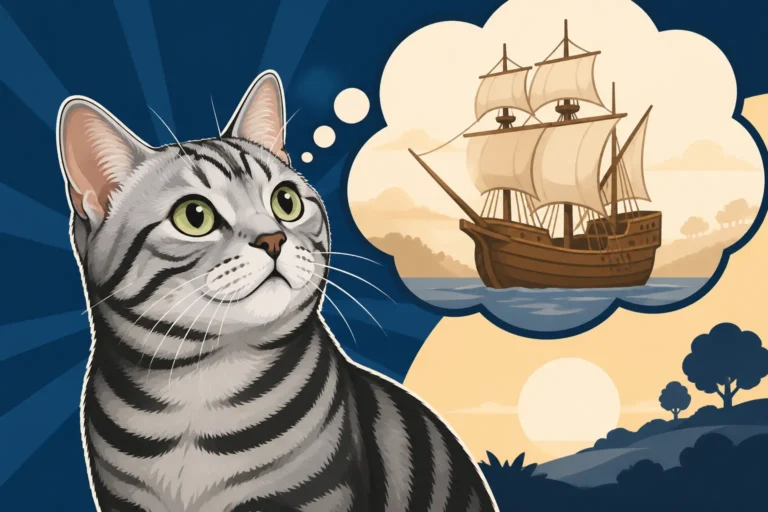
Imagine the early sailing ships, laden with goods and settlers making their perilous journey across the Atlantic to the New World. These vessels were often infested with rodents, which could decimate food supplies and spread disease. Enter the cats – strong, agile, and fiercely independent mousers. These were the ancestors of our American Shorthairs. They weren't a recognized breed; they were simply essential crew members, valued for their hunting prowess. These cats disembarked with the colonists, integrating into the burgeoning communities, continuing their vital role on farms and in homes. They faced harsh conditions, and only the most robust and adaptable survived, passing on their resilient genes. This history explains so much about their hardy nature and sensible build today. The Mayflower Cats Behind the American Shorthair tells a compelling story of their earliest contributions.
These were the ultimate problem-solvers of their day, earning their keep not with cuddles (though I'm sure they offered plenty of those too, on their own terms!), but with their unwavering dedication to pest control. Farmers, traders, and everyday families depended on these cats to protect their livelihoods. Their survival depended on their natural instincts and physical capabilities, leading to a breed type that was, above all, functional and healthy. This ingrained work ethic is still present in their descendants, even if their "job" now mostly involves chasing laser pointers and demanding dinner on time. Learning about how Ships Carried the American Shorthair's Ancestors as Ratters really puts their foundational traits into perspective.
Over generations, as America grew, so did these cats. They spread across the vast continent, adapting to diverse climates and environments. Their bodies became stocky and muscular, their coats dense and protective – perfect for outdoor life and active hunting. They weren't pampered pets; they were integral parts of the household economy. This continuous selection for health, hardiness, and hunting ability forged the blueprint for the breed we know today. Their development in the harsh realities of early American life highlights why How Farm Work Shaped the American Shorthair is such a crucial part of their lineage, emphasizing self-sufficiency and robust health.
Early Recognition and the "Domestic Shorthair" Dilemma
As the 19th century drew to a close and the concept of "pedigreed" cats began to emerge, fanciers in North America started to notice these exceptional working cats. They recognized that these sturdy, intelligent felines, so common across the country, deserved a place in the burgeoning cat fancy alongside imported breeds like Persians and Siamese. The challenge, however, was defining a "breed" out of a population that was, essentially, the common cat of the land. They called them "Domestic Shorthairs," a name that reflected their prevalence but also blurred the lines with every other non-pedigreed cat on the street.
Despite the rather generic name, these cats were among the first to be recognized by nascent cat associations. In fact, when the Cat Fanciers' Association (CFA) was founded, the ancestors of the American Shorthair were right there at the beginning. They were one of the initial breeds given recognition, a testament to their established presence and admired qualities. The American Shorthair Was One of the CFA's Five Founding Breeds and their inclusion from day one solidified their place in the history of the American cat fancy, even if their identity was still a bit vague to the general public.
However, the "Domestic Shorthair" label created a persistent problem. How could a serious breeder distinguish their carefully selected and health-tested lines from any random alley cat with similar markings? The name implied a lack of specific breeding, making it difficult to convey the value and heritage these cats possessed. Potential owners often wondered, "Why pay for a cat that looks exactly like the one I could find at the shelter?" This constant confusion was a major hurdle for breeders trying to elevate the breed's status and ensure its future. It's truly eye-opening to understand Why the American Shorthair Was Called Domestic Shorthair Until 1966, as it really underscores the identity crisis the breed faced for decades.
The Pivotal Rename: Claiming a Unique Identity
The breeders and enthusiasts of the American Shorthair knew that for their beloved cat to truly flourish and be appreciated for its distinct qualities, a change was desperately needed. The "Domestic Shorthair" moniker, while historically accurate in some ways, was actively holding the breed back. It failed to capture the unique heritage, specific physical characteristics, and reliable temperament that distinguished these cats.
The Need for Distinction
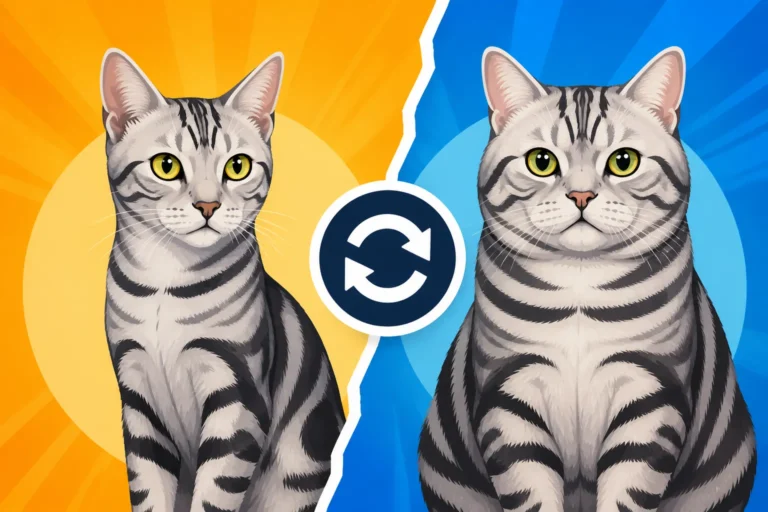
The fundamental issue was differentiation. In the eyes of the public, and even many within the cat fancy, a "Domestic Shorthair" was simply a well-built mixed-breed cat. There was no clear distinction between a cat with generations of carefully selected ancestry and one found in a barn. This made it incredibly hard for breeders to articulate the value of their pedigreed animals, who were bred for specific health traits, predictable temperaments, and adherence to a physical standard. How could you convince someone to invest in a "Domestic Shorthair" when an identical-looking cat could be adopted for a nominal fee? This was the core frustration, leading to a strong push for a name that truly set them apart. The decision to redefine their identity was a bold but necessary step in clarifying their pedigree status and ensuring their distinctiveness in the evolving world of cat breeding.
The lack of a distinct name also made it difficult to promote the breed's health and behavioral advantages, which were developed over centuries of natural selection and later, intentional breeding. When a breed is well-defined, enthusiasts can point to specific traits, health screenings, and temperament consistencies. With a generic name, these efforts were constantly undermined. It was a matter of respect and accuracy; these cats had a rich history and specific characteristics that deserved a name reflecting their unique contribution to the feline world. This renaming was about more than just semantics; it was about honoring their journey and giving them the recognition they deserved. It's truly fascinating to delve into The Rename That Separated the American Shorthair From the Alley Cat to grasp the gravity of this change.
How the New Name Shaped Perceptions
In 1966, after much deliberation and advocacy from dedicated breeders, the breed was officially renamed the "American Shorthair." This was a monumental shift. The new name was geographical, tying the cat directly to its homeland and heritage. It was also specific, implying a distinct breed rather than a general type of cat. Immediately, this brought a new level of prestige and clarity. Suddenly, owning an "American Shorthair" meant owning a pedigreed animal with a traceable lineage, not just a common household cat.
This change had a profound effect on public perception. It helped potential owners understand that while an American Shorthair might look like a common tabby, there was a significant difference in its ancestry, predictability, and the careful breeding behind it. This boosted the breed's standing in the cat fancy and among the general public, encouraging more people to seek out registered American Shorthairs. The name change really hammered home the idea that this was a specific breed, with a history and a future. It's amazing to think about Why American Shorthair Breeders Dropped the Old Name and how that single decision reshaped the breed's destiny.
The "American Shorthair" name also helped to solidify breed standards. With a clear identity, breeders could focus more intently on developing and refining the desired traits without the constant need to explain that their cats were "different" from random-bred domestics. This clarity allowed the breed to flourish, attracting new breeders and enthusiasts who were drawn to its dependable nature and classic American charm. This marked a turning point, allowing the breed to step into its own spotlight and gain the recognition it had long deserved.
The Irresistible Charm of the Silver Tabby
While the American Shorthair comes in a dazzling array of colors and patterns, there's one that truly captured the imagination of the public and became the undeniable face of the breed: the Silver Tabby. This isn't just a pretty coat; it's a masterpiece of feline genetics, creating a visual appeal that is both classic and captivating.
What Makes a Silver Tabby So Striking
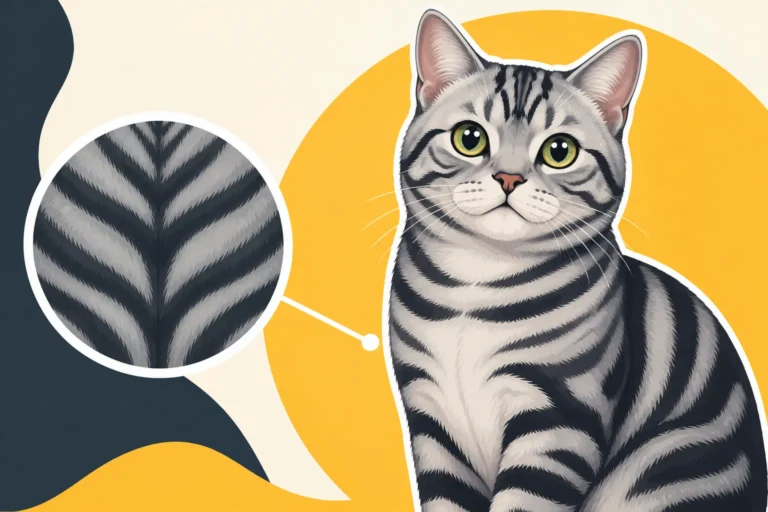
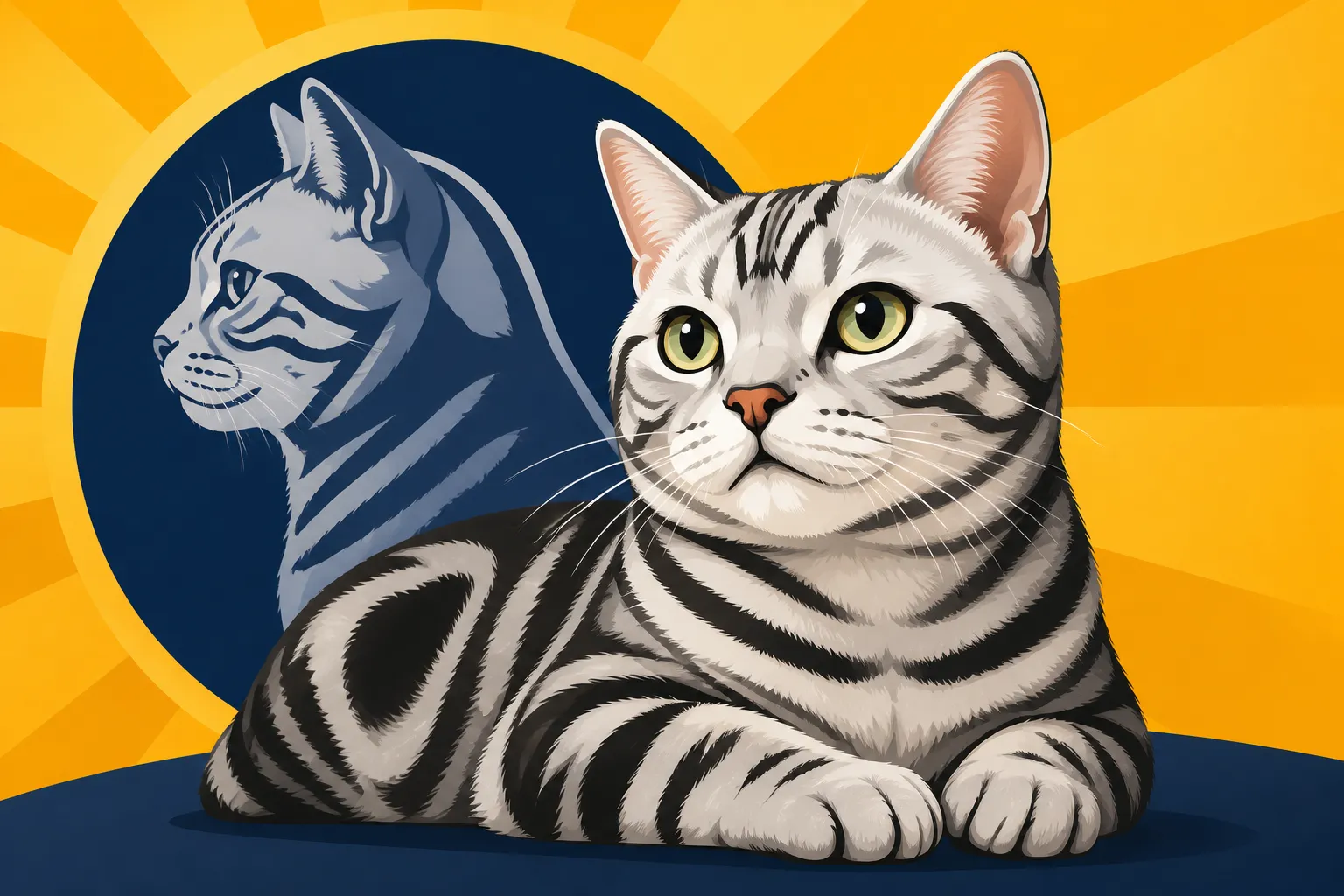
The classic Silver Tabby pattern is truly something special. Imagine a cat with a coat that looks like burnished silver, intricately patterned with bold, dense black markings. The contrast is what makes it so breathtaking. The base color is a clear, sparkling silver, caused by an inhibitor gene that removes yellow pigment, leaving the undercoat and background color cool and bright. Against this luminous backdrop, the dark tabby stripes, swirls, and spots stand out with incredible sharpness and definition. It's a striking, almost regal appearance that immediately draws the eye. Many people consider What a Classic Silver Tabby American Shorthair Costs because of this specific, highly sought-after pattern.
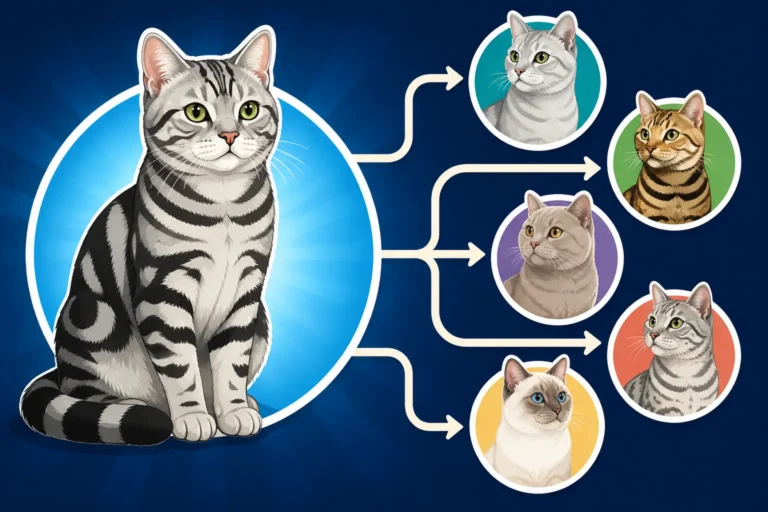
The pattern itself can be either classic (marbled), mackerel (striped), or spotted, but it's the contrast with the silver that defines its iconic look. The classic Silver Tabby, with its "bullseye" pattern on the sides, strong "M" on the forehead, and intricate necklace markings, is particularly revered. These markings aren't just aesthetically pleasing; they showcase the breed's clean patterning genes and the careful selection by breeders. The way the light plays on the silver fur, making it shimmer, adds another layer of allure. It's a visually dynamic coat that rarely goes unnoticed, making it a favorite in photography and advertising.
Beyond the stark contrast, there's a certain elegance and timeless quality to the Silver Tabby. It evokes images of strength and grace, perfectly complementing the American Shorthair's sturdy build and calm demeanor. The eyes often contribute to this effect, typically being bright gold or green, which pop against the silver and black. This combination of brilliant color, sharp pattern, and expressive eyes creates a cohesive and utterly stunning appearance. It’s no wonder that Why the Silver Tabby Became the American Shorthair's Face is a question many people ask, because it truly is synonymous with the breed.
The Iconic Cat That Sparked a Trend
If you've ever seen an American Shorthair, chances are the image in your mind is of a Silver Tabby. This wasn't by accident. One particular Silver Tabby American Shorthair, a grand champion named "Silver Dawn," became exceptionally famous in the mid-20th century. Her striking beauty and perfect conformation to the breed standard graced magazine covers and advertisements, becoming the quintessential image of the American Shorthair. She wasn't just a pretty face; she was an ambassador for the breed, showcasing its elegance and friendly nature to a wider audience.
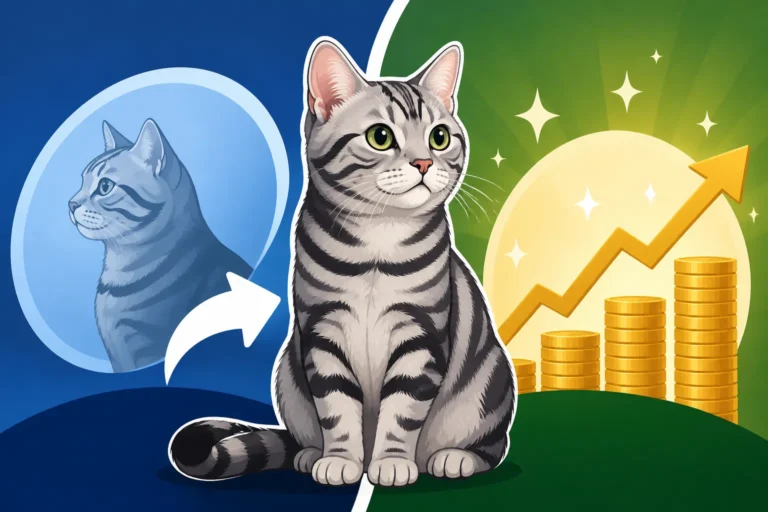
"Silver Dawn" and other similar champion Silver Tabbies propelled the breed into the public consciousness. Before this, many people might not have understood the difference between a pedigreed "Domestic Shorthair" and a common house cat. But when they saw the undeniable beauty and distinct pattern of these Silver Tabbies, meticulously groomed and presented, the distinction became clear. They were aspirational, representing the best of the breed. This widespread exposure cemented the Silver Tabby's status as the breed's flagship pattern, driving demand and inspiring countless breeders to focus on perfecting this look. It’s impossible to talk about the breed's fame without mentioning Which Cat Made the Silver Tabby American Shorthair Famous.
The popularity of the Silver Tabby was also fueled by its photogenic qualities. Its high contrast and shimmering coat translated beautifully into black and white photography, which was prevalent at the time, and later into vibrant color. These cats simply looked incredible in pictures, making them ideal subjects for showcasing the breed's best qualities. This visual appeal, combined with their calm and cooperative temperament, made them naturals for advertising campaigns and media appearances, further solidifying their iconic status. There's a true art to capturing their essence, and Why a Silver Tabby American Shorthair Photographs So Well is something photographers have understood for decades.
Elevating the Breed: How One Pattern Defined the Standard
The rise to prominence of the Silver Tabby wasn't just about a pretty face; it had a profound and lasting impact on the entire American Shorthair breed. This specific pattern became the touchstone for excellence, influencing breeding programs, show standards, and ultimately, the breed's overall public image.
The Silver Tabby as a Benchmark for Quality
When the Silver Tabby began to dominate the show ring and media, it inadvertently set a new bar for what a truly excellent American Shorthair should look like. Its clear, well-defined markings and brilliant silver contrast showcased the best of the breed's patterning genes. Judges often looked for that crispness, that striking contrast, which became synonymous with a well-bred cat. This meant that even breeders working with other colors or patterns would strive for the same level of clarity and quality in their own lines, using the Silver Tabby as an implicit benchmark for structural integrity and pattern definition. It truly became the gold standard, or in this case, the silver standard.
This focus on the Silver Tabby helped to elevate the entire breed because it demanded a high level of genetic quality. To produce such a stunning and consistent pattern required careful breeding practices, emphasizing health and type. Breeders weren't just aiming for a beautiful cat; they were aiming for a cat that embodied the ideal American Shorthair: sturdy, balanced, and with a coat that perfectly displayed the breed's unique characteristics. This relentless pursuit of perfection, often spearheaded by those working with the Silver Tabby, benefited all American Shorthairs by pushing the overall quality of breeding forward. It quickly became apparent that The Silver Tabby Is the American Shorthair People Pay For due to its exceptional qualities and perceived value.
The success of the Silver Tabby also drew more attention to the breed standard as a whole. People wanted to understand what made these cats so special, leading them to learn about the American Shorthair's robust build, powerful jaws, and sweet expression. The Silver Tabby wasn't just famous for its coat; it helped people appreciate the entire package, from head to tail, that defined a well-bred American Shorthair. It acted as an entry point, captivating people with its beauty and then inviting them to explore the depth and quality of the breed's conformation. Understanding What an American Shorthair Looks Like by the Standard becomes much clearer when you see a prime example like a well-bred Silver Tabby.
The Influence on Breeding and Show Success
The immense popularity of the Silver Tabby naturally led many breeders to focus their efforts on this particular color and pattern. Everyone wanted to produce the next "Silver Dawn." This intense focus meant that the best examples of the Silver Tabby were frequently seen in the show rings, winning top honors and reinforcing its status as the breed's most desirable variation. This created a positive feedback loop: winning Silver Tabbies led to more breeders focusing on them, which led to more high-quality Silver Tabbies, and so on.
Breeders meticulously selected for that clean, bright silver background and those deep, rich black markings. They paid close attention to the tabby pattern's clarity, ensuring the classic "bullseye" was distinct, the "M" on the forehead was perfect, and the overall contrast was superb. This dedication to precision in breeding for the Silver Tabby enhanced the genetic pool for pattern definition across the entire breed. It was a rigorous process, and breeders often invested significantly to achieve these desirable traits. Understanding What Show Markings Add to an American Shorthair's Price certainly highlights the effort and selective breeding involved in perfecting these patterns.
While other colors and patterns are still cherished and bred, the Silver Tabby remains a strong contender in competition and a popular choice for families. Its consistent wins in cat shows throughout the decades have cemented its place in American Shorthair history. This sustained success is a testament to the dedication of breeders and the enduring appeal of the Silver Tabby's striking aesthetics, which continue to capture the hearts of judges and cat lovers alike. It's a pattern that truly embodies the breed's essence – classic, enduring, and beautiful.
Beyond the "Silver" — The True American Shorthair Temperament
While the Silver Tabby is undeniably gorgeous and played a huge role in the American Shorthair's fame, it's crucial to remember that the breed's true appeal extends far beyond its coat color. What makes these cats so wonderful as companions is their incredible temperament – a trait that has been honed over centuries, regardless of whether their fur is silver, brown, or blue.
A Personality as Enduring as Its Looks
The American Shorthair is renowned for its calm, adaptable, and easygoing personality. They are truly the "all-American cat" in more ways than one. Unlike some more demanding breeds, American Shorthairs are typically independent but affectionate, enjoying companionship without being overly clingy. They appreciate a good cuddle on their own terms but are perfectly content to entertain themselves or simply relax in your presence. This balanced demeanor makes them fantastic companions for a wide range of households, from busy families to quiet individuals. They truly embody the phrase An American Shorthair Asks You for Almost Nothing, yet gives so much back.
Their centuries as working cats instilled in them a self-reliance and intelligence that makes them easy to live with. They're generally not prone to frantic energy bursts or excessive vocalization. Instead, they exhibit a quiet confidence, observing their surroundings with intelligent eyes. This thoughtful approach extends to new situations and people, which they tend to assess before making friends. This makes them incredibly adaptable to changes in routine or environment, a trait that is invaluable in a family pet. It's this reliable, unflappable nature that makes them such a joy to have around and why Why an American Shorthair Suits a First Time Owner is a common recommendation.
Moreover, American Shorthairs are known for their playful but gentle nature. They love interactive games that stimulate their natural hunting instincts, but they're not typically destructive or overly rambunctious. They're patient with children and can often get along well with respectful dogs, making them true family members. This stable and friendly disposition is a cornerstone of the breed, a characteristic that transcends any specific coat pattern and is a primary reason for their enduring popularity. You can find plenty of toys and enrichment items for their playful nature on sites like Chewy, helping to keep their minds and bodies engaged.
The Practicality and Health of the Breed
One of the most appealing aspects of the American Shorthair, a quality often overshadowed by the beauty of the Silver Tabby, is its exceptional health and hardiness. Their origins as working cats meant that only the fittest survived and reproduced, naturally selecting for a robust genetic pool. They aren't predisposed to the myriad of health issues that sometimes plague breeds developed for extreme physical traits. This makes them, in many ways, the "control group" of the cat breeding world, providing a standard for feline health. Indeed, The American Shorthair Is the Control Group of Cat Breeding due to its robust and generally healthy genetic makeup.
Their strong constitution generally translates to fewer veterinary visits for breed-specific ailments, which is a huge relief for owners. While regular check-ups are always important for any pet, American Shorthairs often enjoy long, healthy lives with minimal medical intervention beyond routine care. This isn't to say they are immune to all diseases, but their breed has a lower incidence of many common genetic conditions seen in other pedigrees. This practical advantage is a significant factor in their appeal and contributes to a lower overall cost of ownership compared to some more delicate breeds. This practical benefit is a strong argument for their widespread appeal, highlighted by articles like How Much Less an American Shorthair Owner Spends at the Vet.
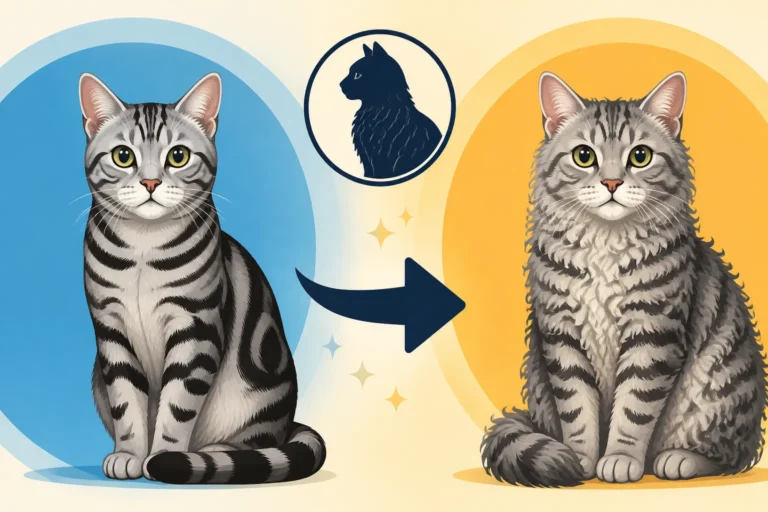
Their care requirements are also wonderfully straightforward. Their short, dense coat is easy to maintain, typically requiring only occasional brushing to remove loose hair, particularly during seasonal shedding. They are efficient self-groomers and rarely need professional grooming. Their muscular build benefits from a good quality diet, ensuring they maintain their ideal weight and physical condition. It's this combination of good health, low maintenance, and excellent temperament that truly makes the American Shorthair a fantastic choice, silver tabby or not. When looking for high-quality, balanced nutrition for your American Shorthair, you can explore many excellent options available on Chewy.
Finding Your Own American Shorthair (Silver Tabby or Otherwise)
If reading about these wonderful cats, especially the iconic Silver Tabby, has you dreaming of bringing one home, it's important to approach the process thoughtfully. Finding a responsible breeder and understanding the commitment involved are key steps to ensuring a happy and healthy life for your new feline family member.
Connecting with Reputable Breeders
When you decide to welcome an American Shorthair into your home, the first and most important step is to seek out a reputable breeder. A good breeder prioritizes the health, temperament, and well-being of their cats above all else. They will be transparent about their breeding practices, openly discuss health screenings, and happily answer all your questions. They're not just selling kittens; they're placing family members, and they want to ensure a good match. Don't be shy about asking for references or requesting to see the kittens' parents and their living environment. This due diligence is crucial to finding a healthy, well-socialized kitten.
A reputable breeder will often specialize in specific colors or patterns, so if you have your heart set on a Silver Tabby, they'll likely have focused their breeding lines on producing that exquisite contrast and pattern clarity. They should provide documentation of the kitten's pedigree, vaccination records, and health clearances for the parents, particularly for conditions that might affect the breed, even if they are rare. They will also likely have a contract detailing their policies and your responsibilities as a new owner. This rigorous approach ensures you're getting a cat with a solid foundation. If you're wondering How to Find an American Shorthair Breeder Worth Paying For, these are the key signs to look for.
Beware of breeders who seem too eager to sell, refuse to let you visit, or don't offer health guarantees. A responsible breeder will also ask you plenty of questions to ensure their kitten is going to a good home. This isn't an interrogation; it's a sign that they genuinely care about their cats' welfare. Investing in a kitten from a reputable source, while it might come with a higher initial cost, often saves you heartache and expensive veterinary bills down the line. It's a choice for quality and peace of mind.
Understanding the Commitment
Bringing any pet into your life is a significant commitment, and an American Shorthair is no exception, even with their relatively low-maintenance reputation. They are generally long-lived cats, often enjoying a healthy lifespan well into their teens, and some even reaching twenty years! This means you're committing to potentially two decades of companionship, care, and love. It's a beautiful journey, but one that requires planning and resources. This long-term relationship requires a commitment that extends across their entire life, and it's essential to consider Twenty Years of an American Shorthair, Priced Out when making that decision.
Beyond the initial purchase price, there are ongoing costs for food, litter, routine veterinary care (including vaccinations and annual check-ups), and enrichment items like toys and scratching posts. Even though they are generally healthy, emergencies can happen, so having a fund or pet insurance is always a wise consideration. Remember that while they are independent, they still thrive on interaction, playtime, and a stable, loving environment. Providing consistent care and enrichment will ensure your American Shorthair, whether a stunning Silver Tabby or another lovely color, lives its best life with you. Finding great deals on quality cat litter, food, and engaging toys is easy with online retailers like Chewy.
Ultimately, whether you choose a Silver Tabby or another beautiful American Shorthair, you'll be welcoming a piece of American history into your home. A cat that embodies resilience, intelligence, and a wonderfully balanced temperament. Their journey from working cat to pedigreed star, famously fronted by the magnificent Silver Tabby, is a testament to their enduring appeal and undeniable charm.
Disclaimer
This article is for general informational purposes only and does not constitute professional advice. Laws, prices and regulations vary by location and change over time. Consult a qualified professional for guidance on your specific situation.