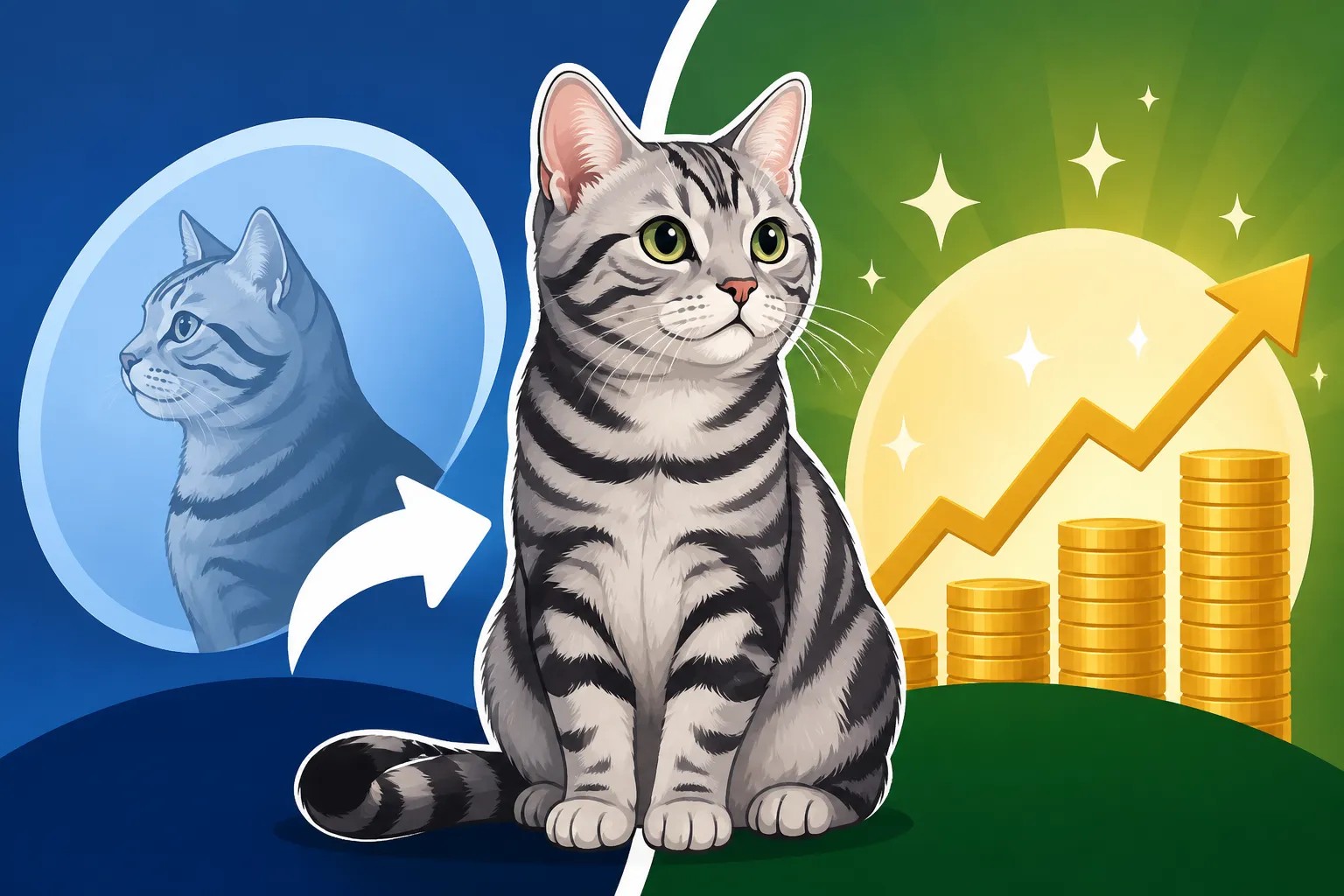
Whether the Rename Raised the American Shorthair’s Price
A name change can make a cat sound rarer, more polished, and more expensive—but did the American Shorthair actually become pricier when it stopped being called the Domestic Shorthair? The short answer is that the rename helped distinguish a pedigreed breed from ordinary domestic cats, but it did not automatically set a higher price. The real difference comes from registration, breeding, and what a buyer is paying for.
What changed when the breed was renamed
From Domestic Shorthair to American Shorthair
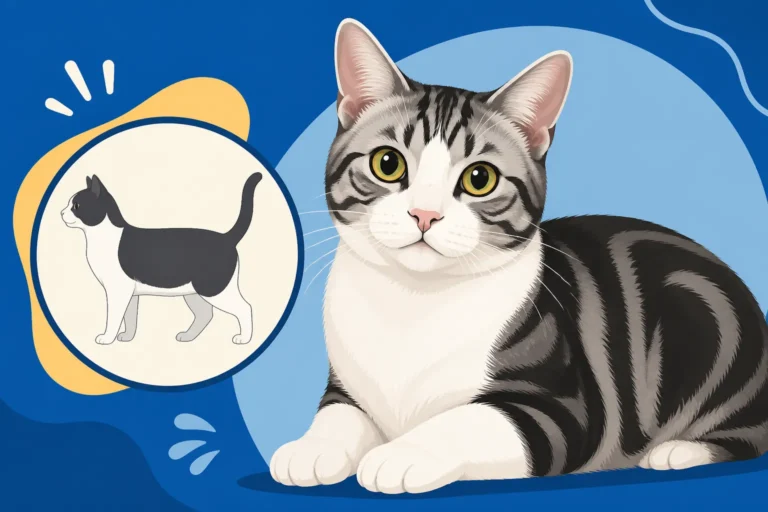
For much of its early organized breed history, the cat now known as the American Shorthair was called the Domestic Shorthair. The old name described a broad type of short-coated cat, rather than making a sharp distinction between pedigree cats and the many unregistered cats living in American homes, farms, and ports.
That broad label created a problem for breeders who were working to establish a recognized breed. A pedigreed cat selected according to a breed standard could be described with the same words people used for a random-bred shorthaired cat. To someone browsing a show catalog, a breeder’s records, or a litter announcement, “Domestic Shorthair” did not clearly communicate that the cat belonged to a defined, registered line.
The name American Shorthair gave the pedigreed cat a more specific identity. It helped separate the breed from domestic shorthairs as a general population and emphasized a distinct American breed history and standard. If you want the fuller background, Why the American Shorthair Name Changed in 1966 and The Rename That Separated the American Shorthair From the Alley Cat explore how that distinction developed.
A clearer identity is not the same as a new price
Changing a label can affect how buyers perceive something. “American Shorthair” sounds like a defined breed; “Domestic Shorthair” sounds like a description that could apply to countless cats. That improved clarity could make it easier for breeders to explain what they were producing and for prospective owners to recognize a pedigree offering.
But a new name does not, by itself, establish a market price. The rename did not turn every shorthaired cat into a pedigreed American Shorthair, nor did it make every existing cat more valuable overnight. A cat’s pedigree, registration status, breeding history, health information, and intended role remain much more relevant to its purchase price than the wording used for the breed.
It is also difficult to treat the rename as a single moment when prices suddenly rose. A reliable comparison would require consistent historical records of actual sale prices before and after the change, with the same kinds of cats being compared. Without that, it is more accurate to say that the rename strengthened the breed’s identity and may have supported its market distinction—not that it directly caused a measurable price increase.
Why a pedigreed American Shorthair can cost more
Registration and documented ancestry matter more than the label
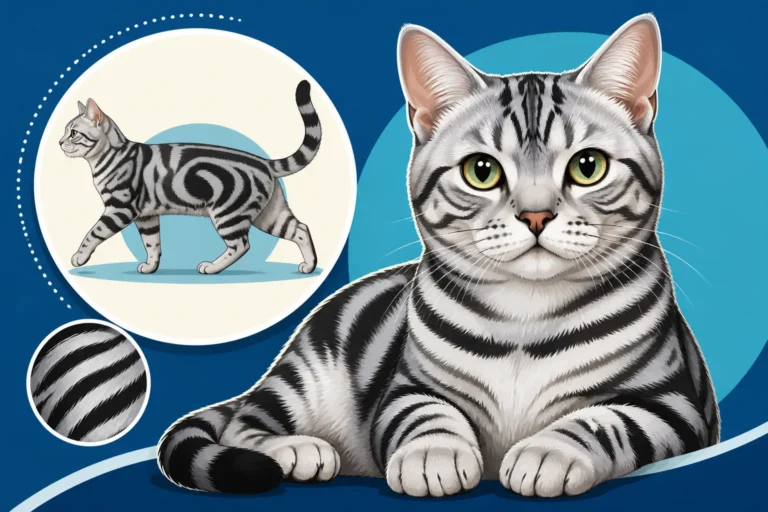
A recognized breed name describes a breed, but it does not prove that an individual cat belongs to it. A silver tabby with a broad face and sturdy build may resemble an American Shorthair, yet appearance alone does not establish a registered pedigree. The breed’s appearance overlaps with that of many domestic cats, which is why documentation matters when a seller is charging a pedigree price.
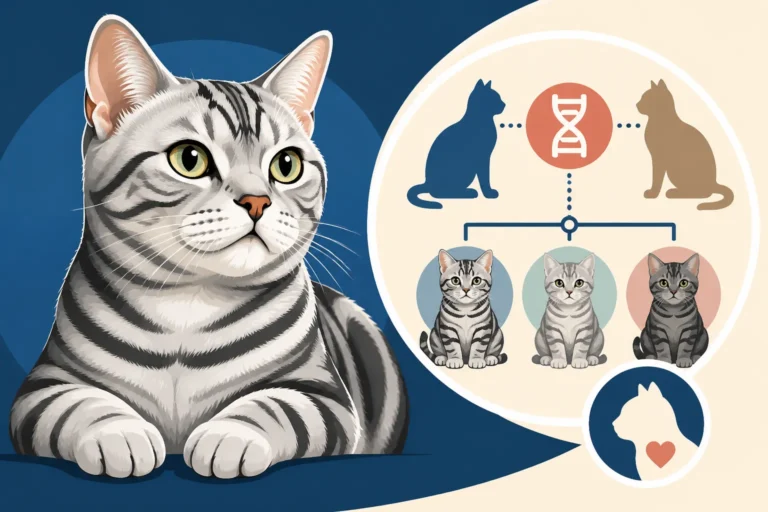
A breeder selling a registered American Shorthair should be able to explain the cat’s pedigree and provide the relevant registration paperwork. Those records connect the kitten to a documented lineage. They also give a buyer a way to distinguish a pedigreed kitten from a domestic shorthair that happens to resemble the breed. For a closer look at this difference, see How an American Shorthair Differs From a Domestic Shorthair and What an American Shorthair Pedigree Guarantees.
That documentation is not a promise that a cat will never become ill or that its personality will match a buyer’s hopes exactly. It is evidence of ancestry and registration, not a guarantee of perfect health or temperament. Good breeders should also be prepared to discuss the health care and screening relevant to their lines. Buyers comparing litters can use Which Health Results an American Shorthair Breeder Must Show as a starting point for understanding what to ask.
Breeding decisions create costs and differences between kittens
The price of a pedigreed kitten reflects more than its name. Breeders make decisions about which cats to pair, keep records, care for queens and kittens, and arrange veterinary attention. Responsible breeding also involves time spent socializing kittens and helping them transition safely into homes. Those efforts do not guarantee a perfect match, but they are part of what a buyer may be paying for when choosing a reputable breeder.
Prices can also vary within the breed. A kitten intended for companionship may be sold under different conditions from one considered suitable for showing or future breeding. The breeder’s location, the kitten’s pedigree, the terms of sale, and the support included can all affect the asking price. Color or pattern may influence buyer demand too, although popularity alone does not make a cat healthier or more valuable as a companion.
| Factor | How it can affect the asking price | What to check |
|---|---|---|
| Registration and pedigree | Supports a claim that the kitten belongs to a documented breed line | Ask which registry applies and request the kitten’s paperwork |
| Breeder care and preparation | Reflects time, veterinary attention, socialization, and record keeping | Ask what care the kitten has received and what records come with it |
| Show or breeding potential | May affect the sale terms and intended role | Read the contract and clarify whether the kitten is sold as a pet |
| Color and pattern | Buyer demand may vary, but appearance does not prove pedigree | Confirm the documents rather than relying on a photo or description |
| Location and availability | Local supply and breeder practices can influence offers | Compare the full terms and ask what is included |
What the rename did not change
A shelter tabby did not become a pedigree cat
The distinction between American Shorthair and Domestic Shorthair can be especially confusing when someone sees a shelter cat that looks remarkably like the breed. A sturdy silver tabby with a rounded face may look “just like” an American Shorthair, and it may share some of the same physical traits. That resemblance does not mean the cat has registered American Shorthair ancestry.
A domestic shorthair is a general description for a short-coated cat without a documented pedigree identifying it as a particular breed. An American Shorthair is a specific pedigreed breed. The difference is not a judgment about which cat is better, more lovable, or more deserving of a home. It is a distinction about what can be established from records.
This matters when evaluating a seller’s price. If a cat has no pedigree papers or verifiable lineage, the breed name alone should not be treated as proof of pedigree. A DNA test may offer information about ancestry, but it is not a substitute for registration documents. For more on the practical distinction, see Whether a Shelter Tabby Can Be Registered as an American Shorthair and Whether Papers Are the Only Difference an American Shorthair Has.
The rename did not guarantee a particular look or personality
A breed name can create expectations, but individual cats still vary. American Shorthairs are described by a breed standard, yet kittens from the same litter can differ in build, markings, confidence, and affection. A name does not promise that a cat will be unusually cuddly, quiet, or easygoing, and pedigree status cannot tell you exactly how a particular kitten will behave in your household.
The breed standard also matters because it helps define the type breeders aim to preserve. It is not a price list. A cat that matches a show standard closely may be evaluated differently from a pet-quality kitten, but the standard does not mean that every pet-quality kitten is a poor companion. If a kitten is being sold as a pet, ask what that means in the breeder’s contract rather than assuming the term signals a problem.
When you meet a kitten, look at the conditions it has been raised in and ask about its daily handling, health records, and adjustment to people. A thoughtful conversation with the breeder can tell you more about the individual cat than the breed name alone. You can also read What the American Shorthair Standard Asks For to understand how a written standard describes the breed.
How to judge whether the price is justified
Compare the complete offer, not just the breed name
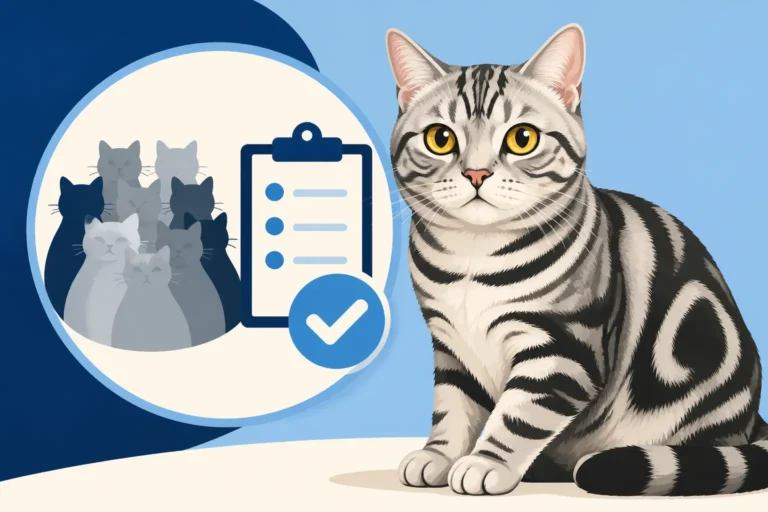
If you are comparing American Shorthair kittens, make a list of what each seller can document. Ask whether the kitten is registered, whether its pedigree is available, what veterinary care it has received, and what the sale contract covers. Find out whether the kitten is being sold as a companion, show prospect, or breeding prospect, and whether any restrictions apply after purchase.
It helps to compare like with like. A registered kitten from a breeder who provides detailed records is not directly comparable to an unregistered cat advertised as “American Shorthair type.” Likewise, two registered kittens may come with different terms, support, and preparation. An asking price without that context can be misleading: a lower offer may not include the same documentation or care, while a higher one is not automatically evidence of better breeding.
Be cautious if a seller relies heavily on the name or appearance but cannot explain the lineage. Ask direct questions, and take time to review paperwork before making a deposit. For a broader guide to evaluating a breeder, How to Find an American Shorthair Breeder Worth Paying For can help you organize that search.
Keep purchase price separate from the cost of living with a cat
The initial purchase price is only one part of the financial picture. Food, litter, routine veterinary care, preventive care, carriers, scratching surfaces, and unexpected treatment all contribute to the cost of keeping a cat. Those ongoing expenses apply whether your cat is a registered American Shorthair or a domestic shorthair from a shelter.
To make a realistic household budget, list routine supplies separately from veterinary expenses. Retailers such as Chewy may be one place to compare recurring items like food and litter, but check product suitability and current details before buying. Avoid letting a promotional bundle or a breed label distract from the basics: your cat’s nutritional needs, home setup, and access to veterinary care matter more than buying items marketed specifically for one breed.
It is also worth deciding what matters most to you. If you want a documented pedigree and a predictable connection to a recognized breed, a registered American Shorthair may fit that goal. If your priority is welcoming a shorthaired companion into your home, a shelter cat may be a wonderful choice without pedigree documentation. The name change helps clarify what a breeder is offering; it does not determine which cat is right for you.
The most accurate answer, then, is that the rename likely helped establish a distinct identity for pedigreed American Shorthairs, which can support a separate market from ordinary domestic shorthairs. But it did not, on its own, raise every cat’s price or make resemblance equivalent to pedigree. When judging a particular offer, focus on records, breeding practices, care, and sale terms—not simply the breed name.
Disclaimer
This article is for general informational purposes only and does not constitute professional advice. Laws, prices and regulations vary by location and change over time. Consult a qualified professional for guidance on your specific situation.