The Silver Tabby Is the American Shorthair People Pay For
It's a common scene: someone spots a stunning silver tabby cat, perhaps online or in a magazine, and immediately thinks, "That's an American Shorthair!" But then they see a brown tabby in a shelter that looks eerily similar and wonder why there's such a vast difference in price. The truth is, while many domestic shorthairs share tabby patterns, there's one specific look that has become synonymous with the pedigree American Shorthair, commanding a significant premium and capturing hearts: the majestic Silver Tabby. This guide will explore exactly why this particular pattern stands out and what goes into creating such a sought-after feline.
The Iconic Appeal of the Silver Tabby
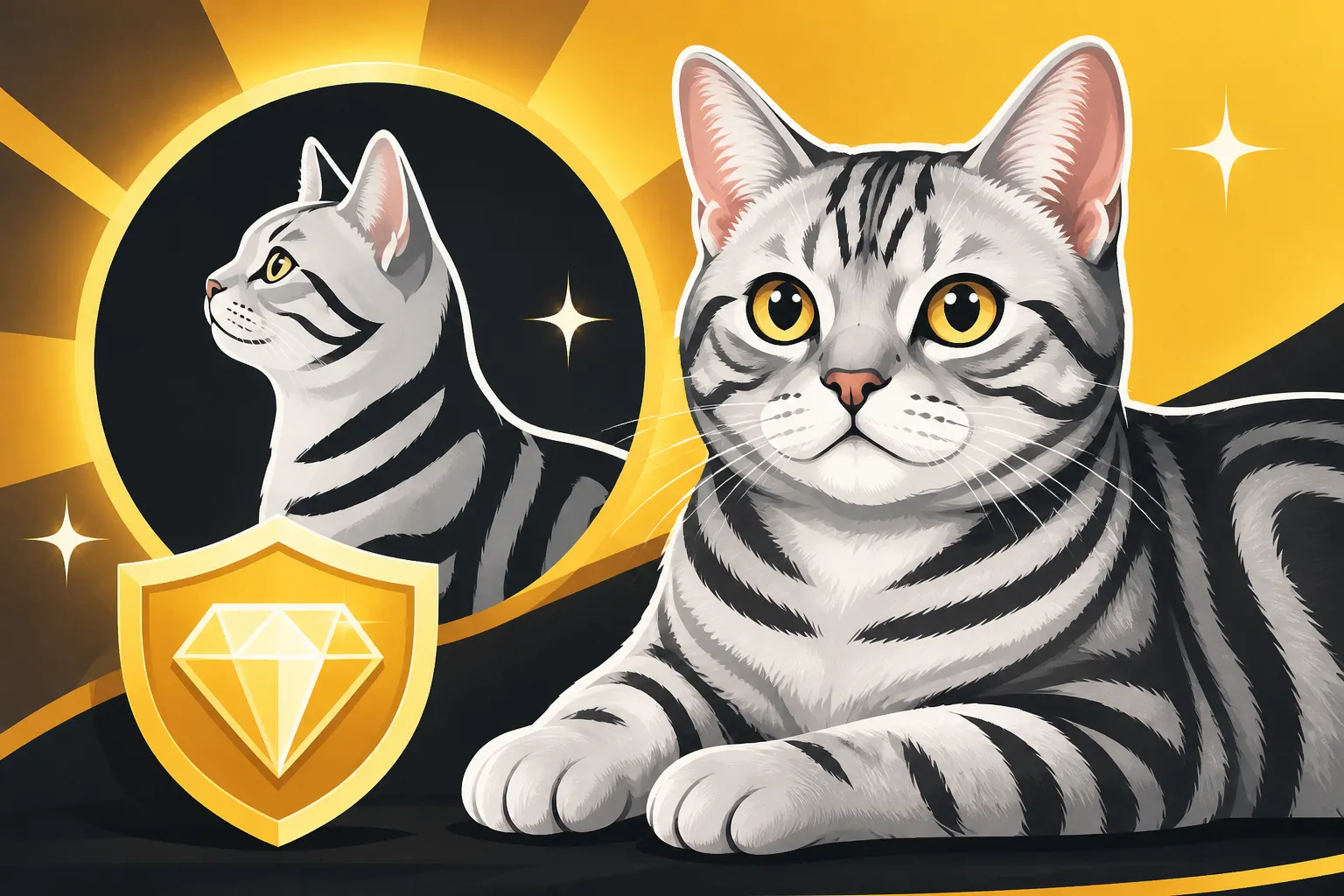
Let's face it, the image most people conjure when they hear "American Shorthair" isn't a solid black or a cream cat. It's almost invariably a Silver Tabby, often with that distinctive "bullseye" or "butterfly" pattern on its sides. This isn't just a coincidence; it's a testament to the pattern's powerful aesthetic appeal and its deep roots in the breed's history. It's the visual benchmark, the gold standard, if you will, that many aspire to own.
Historical Significance and Show Ring Dominance
From the earliest days of formal cat shows, the Silver Tabby American Shorthair quickly became the breed's poster child. They were the cats winning ribbons, gracing covers, and setting the standard for what an American Shorthair should look like. This historical dominance cemented their place in the collective consciousness. When the breed was still known as the Domestic Shorthair, and later renamed in 1966 to distinguish it from random-bred cats, it was often a strikingly marked Silver Tabby that exemplified the breed's robust health and classic good looks. You can read more about this transformation in The Silver Tabby That Made the American Shorthair Famous. This consistent presence in the show ring meant that breeders focused heavily on perfecting this pattern, investing countless hours and resources into lines that consistently produced top-tier Silver Tabbies. This dedication over generations has only amplified their prestige and, naturally, their value.
Their consistent wins weren't just about beauty; they were about proving the breed's foundational soundness. A cat that can stand up to the scrutiny of judges, demonstrating ideal conformation, temperament, and coat quality, is a testament to careful breeding. And for decades, the Silver Tabby has been doing just that, reinforcing the idea that this isn't just a pretty face, but a cat bred to a high standard. This legacy contributes significantly to why people are willing to pay more for this specific pattern.
The Visual Impact: Striking Contrast and Clarity
There's something undeniably captivating about the Silver Tabby. The crisp contrast between the shimmering silver background and the dense, dark black markings is simply stunning. Unlike some other tabby patterns where the colors might blend softly, the Silver Tabby demands attention with its sharp, well-defined lines. Whether it's the bold swirls of a classic tabby or the neat stripes of a mackerel, the silver and black combination makes the pattern pop. This isn't just about personal preference; it's about the visual "wow" factor that translates incredibly well in photographs and in person.
Achieving this striking clarity is no easy feat in breeding. It requires careful selection to ensure the background color is a clean, untarnished silver without any brown or yellow "tarnishing," and that the black markings are dense, solid, and clearly delineated. Smudged or faded patterns, or a dull background color, can diminish the overall impact. This precision in genetics and breeding programs is part of what makes a truly exceptional Silver Tabby a rarity and, consequently, more valuable. When you see a perfectly marked Silver Tabby, you instantly understand the appeal and the effort behind its creation.
Public Perception and Media Influence
Beyond the show ring, the Silver Tabby American Shorthair has also become a darling of popular culture and advertising. They've graced calendars, appeared in commercials, and become the iconic image representing the breed. Think about the archetypal "cat next door" – often, it's a Silver Tabby. This pervasive presence in media has created a strong public perception that this is what an American Shorthair should look like, elevating its status above other colors and patterns.
This widespread recognition means that when someone decides they want an American Shorthair, they often have that specific Silver Tabby image firmly in mind. It’s an aspirational choice, a desire to own the iconic representation of the breed. This isn't to say other colors aren't beautiful, but the Silver Tabby has a marketing advantage built over decades of visibility. The demand driven by this collective imagery naturally influences pricing, as breeders know what people are looking for when they specifically ask for an American Shorthair. This is a classic example of how Why the Silver Tabby Sells the American Shorthair.
What Defines a Show-Quality Silver Tabby American Shorthair
Understanding the appeal of the Silver Tabby goes hand-in-hand with understanding the breed standard. Breeders don't just aim for "pretty"; they aim for perfection according to specific guidelines set by organizations like the Cat Fanciers' Association (CFA). When people are paying a premium, they're often paying for a cat that embodies these precise characteristics, even if it's destined to be a beloved pet rather than a show champion.
The Ideal Silver Base Coat and Black Markings
The hallmark of a prime Silver Tabby American Shorthair is undoubtedly its coat. The silver must be a clear, sparkling silver, extending uniformly to the roots of each hair. Any hint of rust, brown, or cream tarnish, especially on the back or flanks, is considered a fault. It's like looking for sterling silver versus tarnished silver – the clarity makes all the difference. This vibrant, pure silver provides the perfect canvas for the dramatic black markings.
The black markings themselves must be dense, jet black, and sharply defined against the silver. They should be clear, unbroken, and follow the specified tabby pattern for either a classic (blotched) or mackerel (striped) tabby. For a classic tabby, this means broad, clearly defined swirls on the sides, often referred to as a "bullseye." For a mackerel, it's an array of narrow, parallel stripes running down the body. The strength and clarity of these markings are paramount. A washed-out or fuzzy pattern, no matter how appealing generally, won't meet the high standards for a show-quality Silver Tabby.
Pattern Clarity and Symmetry: Classic vs. Mackerel
Beyond the color, the pattern itself is crucial. A show-quality Silver Tabby, whether classic or mackerel, must exhibit excellent clarity and symmetry in its markings. For the classic tabby, the swirls on each side of the body should ideally mirror each other, creating a balanced and harmonious appearance. The "butterfly" pattern on the shoulders and the distinct bands on the legs should also be well-defined. This isn't just about beauty; it's about adhering to the specific blueprint that defines the breed.
Mackerel tabbies, with their vertical stripes, require equally clear and unbroken lines running from the spine down to the belly. Each stripe should be distinct, without blurring or merging into adjacent stripes. The presence of "necklaces" on the chest, rings on the tail, and clear facial markings (like the "M" on the forehead) are also vital. The meticulousness required to breed for consistent, clear, and symmetrical patterns across generations means that kittens with these traits naturally command a higher price. It's a skill and a science combined, ensuring that the unique beauty of What an American Shorthair Looks Like by the Standard is consistently produced.
Eye Color and Overall Type
While the coat often gets the most attention, the eyes and overall body type are equally important in defining a show-quality American Shorthair, Silver Tabby or otherwise. The breed standard calls for clear, bright eyes, typically green or hazel, that complement the coat color. For Silver Tabbies, green eyes are often highly prized, adding another layer of striking contrast to their appearance. The shape and set of the eyes also contribute to the breed's characteristic sweet, open expression.
Then there's the famous "American Shorthair type" – a medium-to-large cat with a muscular, powerful build; a broad chest; and a rounded, well-proportioned head. These cats were historically working cats, and their physique reflects that heritage. A show-quality Silver Tabby won't just have beautiful markings; it will embody this robust and balanced structure. A weak chin, a narrow chest, or a fine-boned structure would be considered faults, even on the most stunningly marked cat. This holistic approach to the standard means breeders aren't just focusing on one trait but on producing a cat that is a complete package.
The Demand Driving the Price
It’s one thing to understand why the Silver Tabby is beautiful, but it’s another to grasp why that beauty translates into a higher price tag. This isn't just about superficial aesthetics; it's about the significant investment, effort, and scarcity involved in breeding cats that consistently meet such high standards.
Breeder Investment in Lines and Testing
Responsible breeders of Silver Tabby American Shorthairs make substantial investments long before a kitten is even conceived. This includes acquiring top-quality foundation cats from proven lines, often from other respected breeders, which themselves come with a high purchase price. These cats are chosen not just for their stunning appearance but for their health, temperament, and genetic background. Breeders commit to extensive health testing for their breeding stock, including screenings for conditions like hypertrophic cardiomyopathy (HCM) which, while not endemic to the American Shorthair as much as some other breeds, is still prudent to monitor. For more on this, consider Why an American Shorthair Still Needs a Yearly Heart Scan. They also ensure good hip health, given the breed's stocky build.
Beyond the initial investment, there are ongoing costs for veterinary care, high-quality nutrition, housing, show entries, and genetic testing. Each breeding decision is made with careful consideration of the health and integrity of the line. This meticulous approach means that the kittens produced are not just pretty, but they come with a higher probability of good health and a predictable temperament, reflecting years of dedication. This level of care and financial commitment is simply not present in "backyard breeders" or random-bred cats, and it's a significant factor in why a registered Silver Tabby American Shorthair with papers costs what it does.
The "Wow Factor" for Prospective Owners
For many prospective cat owners, the desire for a Silver Tabby American Shorthair stems from that undeniable "wow factor." They see images, perhaps of a Grand Champion, and fall in love with the iconic look. This isn't just about owning "a cat"; it's about owning that cat – the one that perfectly embodies the breed's best qualities. The stunning contrast, the clear patterns, and the overall robust beauty create an immediate emotional connection. This strong desire for a specific aesthetic plays a huge role in driving up demand.
It’s an investment in a living work of art, a cat that will be admired and cherished for its classic beauty. This emotional connection often translates into a willingness to pay more for a kitten that meets their ideal image. While temperament and health are always paramount, for many, the Silver Tabby's appearance is the initial hook, the reason they begin their search for this particular breed and color. The fact that they are often well-socialized and accustomed to household life only adds to their appeal for families looking for a calm yet engaging companion.
Rarity and the Challenge of Perfection
Despite their popularity, consistently breeding perfect Silver Tabbies that meet the exacting standards of the show ring is incredibly challenging. Genetics can be a fickle mistress, and even two perfectly marked Silver Tabbies might produce kittens with less-than-ideal patterns or tarnished silver coats. This inherent difficulty in achieving perfection means that truly top-tier show-quality Silver Tabbies are, in a sense, rare. Breeders consider a successful litter one that produces several kittens of high quality, but usually, only one or two might be truly outstanding.
This rarity, combined with high demand, naturally pushes prices higher. You're not just buying a cat; you're buying a piece of selective breeding artistry. The more closely a kitten adheres to the breed standard for a Silver Tabby – perfect silver, crisp black markings, ideal body type, and temperament – the more valuable it becomes. This is a crucial distinction from a randomly bred silver tabby, where such specific traits are often a happy accident rather than the result of generations of intentional breeding and selection. The market reflects this balance of demand, quality, and the sheer difficulty of consistently producing excellence.
Comparing Silver Tabby Costs to Other American Shorthair Colors
It's tempting to think that all American Shorthair kittens would cost roughly the same, regardless of color or pattern. However, the reality of pedigree breeding and market demand tells a different story. The Silver Tabby often sits at the top tier, but let's explore how other colors and patterns compare in terms of pricing.
Price Differences Across Tabby Patterns
While the Silver Tabby is often the most sought-after, other tabby patterns in the American Shorthair breed are also beautiful and have their own fan base. You'll find Brown Tabbies, Blue Tabbies, and Red (or Orange) Tabbies, each with classic or mackerel patterns. Generally, these will be less expensive than a prime Silver Tabby, but still command a price reflecting their pedigree status.
- Brown Tabby: These cats feature dense black markings on a rich, coppery brown or tawny background. They are beautiful, classic-looking cats, often reminiscent of their ancestral working cat roots. They are very popular but typically don't reach the same price points as Silver Tabbies simply because the demand isn't quite as high, and the genetic challenge of achieving a perfectly clear brown without "smudging" can be less complex than the pristine silver.
- Blue Tabby: Blue Tabbies have pale blue-grey markings on a lighter, cooler grey or cream background. They have a softer, more ethereal look. While lovely, they are generally less common than Brown Tabbies and often priced similarly, sometimes slightly higher depending on the clarity of their blue color and pattern.
- Red Tabby: Often affectionately called "ginger" or "orange" tabbies, these cats feature rich red markings on a lighter cream or red background. They are vibrant and striking. Their price typically falls in a similar range to Brown or Blue Tabbies, being less than the peak Silver Tabby.
It's important to remember that within any color, a kitten with exceptional clarity, symmetry, and overall type will always be more valuable than one with minor faults. This variability explains Why American Shorthair Prices Range So Widely.
Solid Colors vs. Tabby Patterns
Beyond tabbies, American Shorthairs come in a surprising array of solid colors, including black, white, blue, cream, and red. They can also be bicolors (a solid color with white), calicos (patches of three colors, typically black, red, and white), and even smokes (where the undercoat is silver, only visible when the fur moves). These solid or patched colors often come at a different price point than the tabbies.
Generally, solid-colored American Shorthairs may be priced lower than a well-marked tabby, especially the Silver Tabby. This is partly due to demand – while beautiful, they don't carry the same iconic association with the breed. However, a truly exceptional solid-colored American Shorthair, one with perfect color saturation, lustrous coat quality, and impeccable type, can still command a respectable price. The cost also depends on the rarity of certain colors within specific breeding lines. For instance, a pure white American Shorthair, especially one without any genetic predispositions to deafness sometimes associated with white cats, could be quite prized.
Show Potential vs. Pet-Quality Pricing
This is perhaps the most significant differentiator in pricing within any color or pattern, including the Silver Tabby.
- Pet Quality: Most kittens, even from championship lines, are sold as "pet quality." This means they are wonderful, healthy, and beautiful cats, but they might have a minor deviation from the breed standard that disqualifies them from winning major show titles – perhaps a slight tarnish in the silver, a less-than-perfect pattern, or an eye color that isn't quite ideal. These cats are still full pedigrees with all the health guarantees and temperament benefits, but they are priced for companionship rather than competition. This makes them more accessible to the average family.
- Show Quality: A "show quality" kitten is one that the breeder believes has the potential to excel in the show ring, closely adhering to the breed standard in nearly every aspect. These kittens are priced significantly higher, reflecting their potential value in furthering the breed's reputation and potentially contributing to future breeding programs (though often sold with neuter clauses for pet homes).
- Breeder Quality: The highest price tier is reserved for "breeder quality" kittens, which not only meet show standards but also possess exceptional genetics that make them valuable assets for a breeding program. These are rarely available to the general public and typically sold to other experienced, reputable breeders with strict contracts.
A Silver Tabby kitten sold as pet quality will still be more expensive than many other colors of pet quality American Shorthairs due to its iconic status. You can learn more about how specific markings impact value in Which Markings Move an American Shorthair From Pet to Show.
| American Shorthair Color/Pattern | General Demand | Breeding Difficulty (Pattern) | Typical Price Factor (Relative to Silver Tabby) |
|---|---|---|---|
| Silver Classic Tabby | Very High | High | Highest (Benchmark) |
| Silver Mackerel Tabby | High | High | High |
| Brown Classic Tabby | Medium-High | Medium | Medium-High |
| Brown Mackerel Tabby | Medium | Medium | Medium |
| Blue Classic Tabby | Medium | Medium-High | Medium |
| Red Classic/Mackerel Tabby | Medium | Medium | Medium |
| Solid Colors (Black, Blue etc.) | Medium | Low-Medium | Low-Medium |
| Calico/Bicolor | Medium | Low-Medium | Low-Medium |
Note: These are general price tendencies. Individual kitten quality, breeder reputation, and regional demand can significantly affect actual prices.
Beyond the Purchase Price: Long-Term Ownership Considerations
When you decide to bring any pedigree cat into your home, especially a highly sought-after Silver Tabby American Shorthair, the initial purchase price is truly just the beginning. Responsible ownership involves a commitment to their well-being for their entire lifespan, which for this robust breed can be a wonderfully long one.
The Value of Health Screening and Breeder Support
One of the most significant benefits of purchasing a pedigree American Shorthair, particularly from a reputable breeder, is the assurance of health screening and ongoing breeder support. As discussed, good breeders invest heavily in screening their breeding stock for genetic predispositions and inherited diseases. While American Shorthairs are celebrated for their natural robustness and generally fewer health issues compared to some other breeds – earning them the title of The American Shorthair Is the Control Group of Cat Breeding – reputable breeders still perform important checks. This due diligence means you are much less likely to encounter devastating and expensive health problems down the line compared to a cat with an unknown genetic history.
Furthermore, a good breeder is a lifelong resource. They will be there to answer questions, offer advice, and provide support throughout your cat's life. This peace of mind is invaluable, especially for first-time cat owners. They often offer a health guarantee, giving you confidence in the kitten's initial well-being. This ongoing relationship and the foundation of health are part of what you're truly paying for beyond the initial aesthetic appeal of a Silver Tabby.
Ongoing Care Costs Specific to a Pedigree Cat
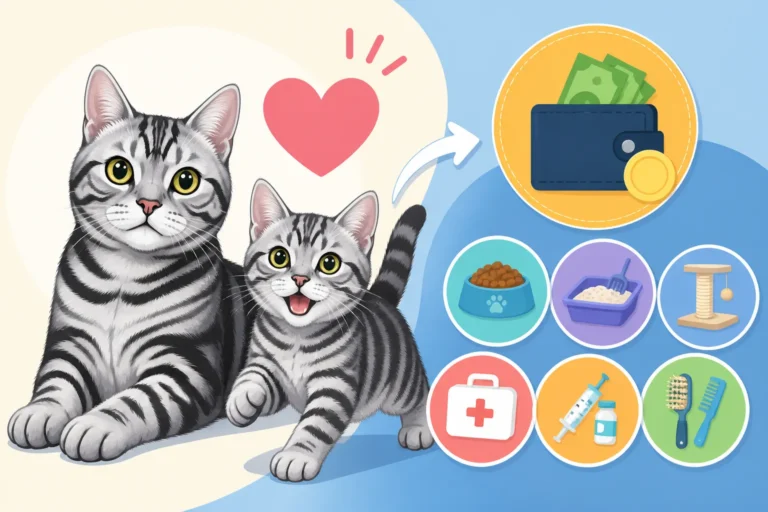
While American Shorthairs are generally low-maintenance in terms of grooming, their strong, muscular build and active nature mean they have specific nutritional and enrichment needs. Their sturdy frame benefits from a high-quality diet rich in protein to maintain muscle mass. This might mean opting for premium kibble, wet food, or even a fresh food plan, which can be a more significant monthly expense than generic supermarket brands. For details on managing their diet, consider What Feeding an American Shorthair by Portion Costs a Month.
Beyond food, there are regular veterinary check-ups, vaccinations, parasite prevention, and unexpected medical emergencies. Even with a generally healthy breed, life happens. This is where pet insurance can be a real lifesaver. Providers like Healthy Paws offer plans that can cover a significant portion of unexpected vet bills, making it easier to afford the best care for your beloved Silver Tabby throughout its potentially long life. While American Shorthairs are often Why an American Shorthair Is Cheap to Insure due to their good health, insurance still offers crucial financial protection. Don't forget the cost of quality litter, sturdy scratching posts (because they will use them to maintain their claws), and engaging toys to satisfy their innate hunting instincts. Chewy is a great resource for all these regular supplies, making it easy to keep your American Shorthair happy and healthy.
Insurance and Lifespan Expectations
American Shorthairs are known for their impressive longevity, with many living well into their teens, and some even reaching twenty years. This long lifespan is a blessing, but it also means a longer commitment to ongoing care costs, especially as they enter their senior years. Just like humans, older cats often require more frequent vet visits, specialized diets, and potentially medication for age-related conditions like arthritis, kidney disease, or hyperthyroidism. You might find yourself researching Caring for an American Shorthair Past Twelve for more insights.
This is precisely why thinking about pet insurance from the start is so important. A good policy can help mitigate the financial burden of managing chronic conditions or emergencies in their later years. Understanding that you're committing to potentially two decades of care puts the initial purchase price of a Silver Tabby American Shorthair into perspective. It's not just a one-time expense; it's an investment in a long-term companionship that requires consistent financial and emotional dedication.
Finding a Reputable Silver Tabby American Shorthair Breeder
So, you’re convinced the Silver Tabby American Shorthair is the cat for you. Now comes the crucial step: finding a reputable breeder. This isn't just about finding a kitten; it's about ensuring you're supporting ethical breeding practices and bringing a healthy, well-socialized companion into your home. A beautiful Silver Tabby from a questionable source might come with hidden health or behavioral issues, negating the very reasons for choosing a pedigree cat.
Red Flags and Green Lights in Breeder Practices
Knowing what to look for, and what to avoid, can save you a lot of heartache (and money).
Red Flags:
- No health testing documentation: If a breeder cannot provide verifiable health clearances for the parents (e.g., echo scans for HCM, hip x-rays if applicable), walk away.
- Multiple breeds or "designer mixes": Breeders focused on integrity usually specialize in one or two breeds to maintain expertise.
- No questions asked: A good breeder will ask you as many questions as you ask them. They want to ensure their kittens go to good homes.
- Kittens available too young: Kittens should stay with their mother until at least 12-14 weeks of age to ensure proper socialization and development.
- Poor living conditions: The breeding facility should be clean, and the cats should appear healthy, well-fed, and comfortable.
- Reluctance to let you visit (or video call): If a breeder won't allow you to see where the kittens are raised, it's a major red flag.
- No contract or health guarantee: A reputable breeder will always provide a written contract outlining responsibilities and guarantees.
Green Lights:
- Active in cat fancy organizations: Participation in clubs like the CFA shows dedication to the breed standard.
- Provides a clear pedigree: You should be able to see the kitten's lineage.
- Offers references: Ask for references from other happy owners or their veterinarian.
- Openly discusses health issues and screening: Transparency is key.
- Educates you about the breed: They should be passionate and knowledgeable about American Shorthairs.
- Follows ethical breeding practices: This includes spaying/neutering pet-quality kittens before they go to their new homes, or having a strict spay/neuter clause in the contract.
- Kittens are well-socialized: The kittens should be playful, curious, and comfortable with human interaction.
This list gives you a great start on How to Find an American Shorthair Breeder Worth Paying For.
Understanding Contracts and Guarantees
Any reputable breeder will require a signed contract before you take your Silver Tabby kitten home. This contract is there to protect both you and the breeder, and most importantly, the cat. It typically outlines:
- Health Guarantee: This usually covers a period for communicable diseases and often a longer term for genetic conditions. It might stipulate that you must have the kitten vet-checked within a certain number of days of bringing it home.
- Spay/Neuter Clause: For pet-quality kittens, the contract will almost certainly require you to spay or neuter your cat by a certain age. The registration papers might be withheld until proof of surgery is provided.
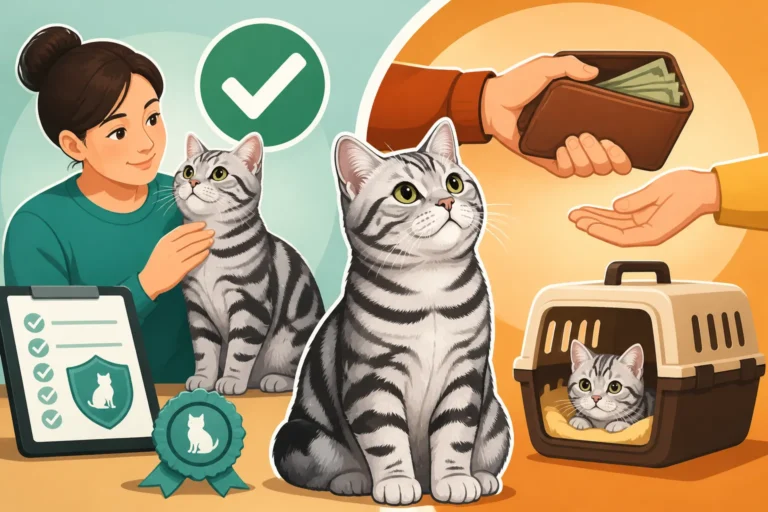
- Return Policy: Reputable breeders will often require that if you can no longer care for the cat at any point in its life, it must be returned to them. This ensures their cats never end up in shelters.
- Diet and Care Recommendations: The contract might include feeding guidelines and other care instructions to ensure a smooth transition and continued health for your new kitten.
Don't be afraid to read the contract thoroughly and ask questions about anything you don't understand. A transparent breeder will be happy to explain every clause. This is a vital part of understanding What an American Shorthair Pedigree Guarantees.
The Importance of Transparency and Communication
Finally, the relationship you build with your breeder is incredibly important. A good breeder values transparency and open communication. They should be willing to answer all your questions, no matter how many you have, and provide clear, honest information about the kitten's parentage, health, and temperament. They should also be eager to hear updates about your cat and offer advice as needed.
Think of it as building a long-term partnership. You are entrusting them with a significant decision, and they are entrusting you with one of their precious kittens. This level of trust and mutual respect is a hallmark of ethical breeding and ensures a positive experience for everyone involved, especially your beautiful new Silver Tabby American Shorthair.
Disclaimer
This article is for general informational purposes only and does not constitute professional advice. Laws, prices and regulations vary by location and change over time. Consult a qualified professional for guidance on your specific situation.