What Show Markings Add to an American Shorthair’s Price
It's no secret that some cats come with a higher price tag than others, and if you've ever found yourself scrolling through listings for American Shorthair kittens, you might have noticed a significant range in cost. This isn't just random; often, the price difference has a lot to do with whether a kitten is considered "pet quality" or "show quality," and a big part of that distinction boils down to their markings and how closely they adhere to the breed standard. This guide will walk you through what specific show markings add to an American Shorthair's price, helping you understand the value behind that championship potential.
Understanding the American Shorthair Standard and Show Quality
When you're looking at an American Shorthair, particularly one destined for the show ring, it's not just about cuteness; it's about conformity to a very specific ideal. This ideal is laid out in what's known as the breed standard, a detailed description established by cat fancy associations like the Cat Fanciers' Association (CFA). Every aspect, from the shape of the head to the pattern of the coat, is meticulously defined, and breeders strive to produce kittens that embody this standard as perfectly as possible.
What the American Shorthair Standard Asks For
The American Shorthair standard is essentially a blueprint for the "perfect" example of the breed. It describes a cat of medium to large size, powerful and well-muscled, with a broad chest and strong jaws. Their heads should be slightly longer than wide, with full cheeks and medium-sized, slightly rounded ears. But when it comes to markings, the standard gets very specific. For instance, in tabby patterns, the clarity and distinctness of the markings are paramount. A classic tabby should have clear "bull's-eye" patterns on the sides, distinct "M" on the forehead, and unbroken necklaces on the chest. The depth of color and the contrast between the pattern and the ground color are also critical. A cat that deviates significantly from these descriptions, even slightly, might still be a wonderful pet but won't be considered a strong show contender. Understanding this standard is the first step to appreciating why some American Shorthairs command a higher price.
Breeders spend years studying these standards, often attending shows themselves to see what judges are looking for and how specific traits are interpreted. They work tirelessly to select breeding pairs that will produce offspring with the best possible conformation and markings, hoping to create kittens that embody the ideal American Shorthair. This dedication is a significant part of the value proposition for a high-quality kitten. You can learn more about these specifics by reading What an American Shorthair Looks Like by the Standard.
Pet Quality vs. Show Quality
The distinction between "pet quality" and "show quality" can be a bit confusing for first-time buyers, but it's crucial for understanding pricing. A "pet quality" American Shorthair is a fantastic companion that might have a minor flaw according to the breed standard – perhaps a marking that isn't quite crisp enough, an eye color that's slightly off, or ears that are a little too pointed. These minor imperfections don't affect the cat's health, temperament, or ability to be a loving family member in any way. They simply mean the cat wouldn't likely win ribbons in a competitive show ring. These kittens are typically sold at a lower price point and often with a spay/neuter contract, meaning they aren't to be bred.
A "show quality" American Shorthair, on the other hand, is a kitten that the breeder believes closely aligns with the breed standard, possessing excellent conformation, temperament, and, crucially, impeccable markings. These kittens are evaluated by the breeder with an experienced eye, sometimes even with input from other breeders or judges. They are expected to be strong representatives of the breed and have the potential to excel in shows. They come with a higher price because of the meticulous breeding, careful selection, and the intrinsic value of their potential to contribute to the breed's prestige. Sometimes, a kitten might be "breed quality" – meaning it has excellent traits for producing future generations, but might not be a top show performer itself. These categories influence the price significantly, often creating tiers of cost based on potential.
How a Breeder Assesses Show Potential
Assessing a kitten's show potential is not a quick glance; it’s a careful, ongoing process that begins from birth and continues for several weeks, sometimes months. Ethical breeders are not simply guessing; they use their extensive knowledge of the breed standard, genetics, and the individual lines they work with. They'll examine everything from head shape, ear set, and eye color to body structure and tail length. For markings, they look for clarity, symmetry, and intensity. For a classic tabby, for example, they'll check for unbroken "necklaces" on the chest, a clear "M" on the forehead, and perfectly defined "bull's-eye" patterns on the sides. Any smudging, blurring, or incompleteness in these patterns can reduce a kitten's show potential.
Breeders also observe temperament, as a calm, confident demeanor is essential for a cat to handle the stress of travel and judging at shows. They compare kittens to others in the litter and to previous litters, looking for consistency and improvement. This discerning eye, cultivated over years of experience, is what allows a breeder to confidently designate a kitten as "show quality." This detailed assessment, the careful record-keeping, and the ethical commitment involved are all factors built into the higher price for a show-potential kitten. You might also want to explore Whether an American Shorthair Kitten Comes With Health Paperwork for insights into the assurances that often accompany such a purchase.
The Influence of Markings on Price
For the American Shorthair, markings are not just aesthetic; they are a hallmark of the breed's identity and history. The classic tabby patterns, in particular, are deeply intertwined with the breed's public image and show ring success. When a cat embodies these markings perfectly, its value increases significantly.
Specific Markings and Their Value
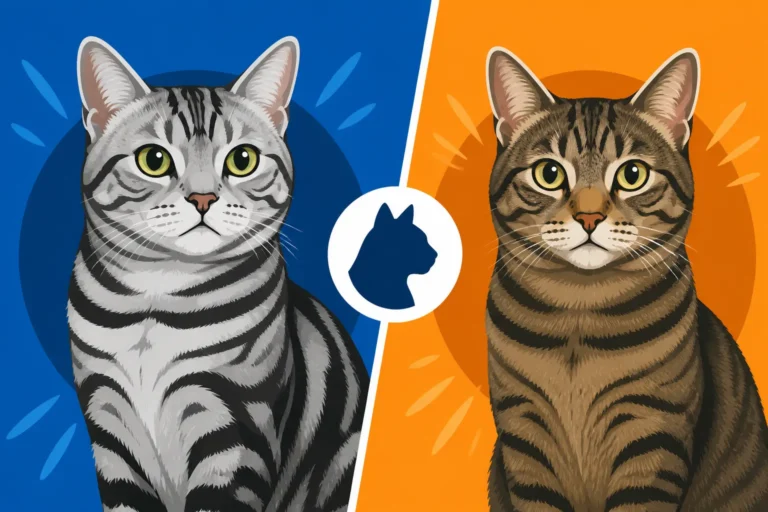
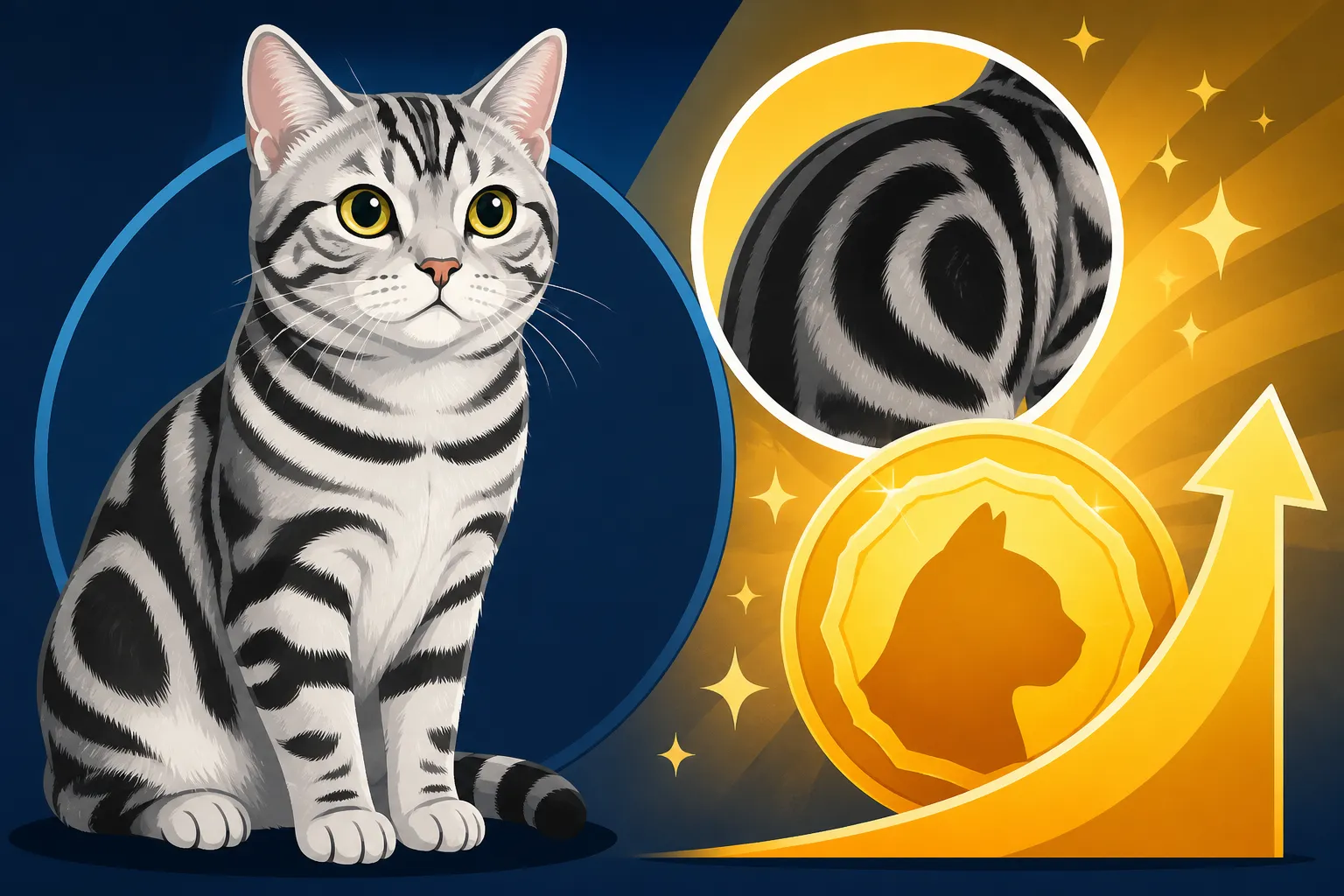
Certain markings in the American Shorthair are more highly prized and, consequently, add more to a kitten's price. The most iconic and sought-after marking is the classic silver tabby. This pattern features dense, rich black markings on a clear, brilliant silver background, creating a stunning high-contrast effect. The distinct "bull's-eye" on the sides, the unbroken necklaces, and the perfectly defined "M" on the forehead are critical. A truly exceptional classic silver tabby with crisp, clear markings and excellent contrast will always command a premium. This is largely because the silver tabby became the unofficial "face" of the breed, popularizing it widely. If you're wondering Why the Silver Tabby Became the American Shorthair's Face, it's because of this striking appearance.
Other tabby patterns, like the mackerel tabby (narrow, parallel stripes like a mackerel fish) and the spotted tabby (distinct spots rather than stripes), are also valued, particularly if the patterns are clear and well-defined. Beyond tabbies, solid colors (like black, white, blue), particolors (two colors), and bi-colors (white plus another color) are recognized. However, a "show quality" version of any of these will still require adherence to the standard for clarity, evenness of color, and absence of ghost tabby markings in solid coats. The more flawless and distinct the specific pattern or color, the higher the price will typically be. A cat that perfectly captures the aesthetic ideal outlined in the breed standard for its particular pattern will always be more valuable.
Flaws That Reduce Show Potential (and Price)
Just as perfect markings increase a cat's price, deviations or "flaws" can significantly reduce it, pushing a kitten from show-quality to pet-quality status. For tabby patterns, common flaws include "broken" necklaces, meaning the stripes around the neck don't form continuous rings; "smudged" or "rosetted" patterns where the distinct lines become blurred; or insufficient contrast between the pattern and the ground color, making the markings appear dull or indistinct. "Ghost markings" in solid-colored cats (faint tabby patterns visible beneath a solid coat) are also considered a fault.
Beyond pattern clarity, other marking-related flaws can impact price. Incorrect eye color for the coat color (e.g., green eyes on a copper-eyed cat), or undesirable white spots on paws or chests where the standard calls for solid color, would diminish show potential. Even minor inconsistencies in the "M" on the forehead or the facial barring can be enough to classify a kitten as pet-quality, leading to a lower price. These kittens are still healthy, loving, and beautiful, but they simply don't meet the strict aesthetic criteria for competition. An ethical breeder will transparently point out these minor flaws and price the kitten accordingly, ensuring that buyers looking for a companion get a fair deal, while those seeking show potential understand the rigorous standards involved. This is part of What an American Shorthair Breeder Should Have Screened beyond just health.
Rarity vs. Standard Adherence
It's a common misconception that "rare" colors or patterns always command a higher price. While some rarer standard-recognized colors might see a slight premium due to less frequent availability, true show quality almost always prioritizes strict adherence to the breed standard over simple rarity. For example, a truly unique, non-standard color combination might be interesting and could be marketed as "rare," but it won't be show quality if it's not recognized by the breed standard. In fact, some colors or patterns are explicitly disqualified in the show ring, regardless of how "rare" they might be.
The value in a show-marked American Shorthair comes from its perfection within the established guidelines. A perfectly marked classic silver tabby, despite being a common and recognized pattern, will be far more expensive than a non-standard color that a breeder might call "rare" but isn't show-eligible. The breeding world operates on standards designed to preserve the integrity and distinct characteristics of each breed. Therefore, while a breeder might occasionally have a kitten with unusual, non-standard markings that appeals to a pet owner looking for something different, this "rarity" typically doesn't translate into higher show-potential pricing. In fact, if a color is a disqualification, the kitten would be sold as pet-only, often at a lower price.
Beyond Markings: Other Factors in Show Cat Pricing
While markings are a key component of a show American Shorthair's price, they are far from the only factor. A kitten's overall value, especially one deemed show-quality, is a culmination of many elements that speak to the breeder's dedication, the lineage's quality, and the kitten's fundamental well-being. Thinking about buying pet insurance like Healthy Paws for your new feline family member might be a good idea, as even the healthiest kittens can have unexpected needs, and certainly, a show cat represents a significant investment.
Pedigree and Bloodlines
One of the most significant factors influencing an American Shorthair's price, alongside its physical markings, is its pedigree and bloodlines. A kitten descended from multiple Grand Champions, National Winners, or even a past Best in Show winner carries a prestige that directly translates into higher value. This isn't just about bragging rights; it indicates a consistent history of producing cats that meet or exceed the breed standard. A strong pedigree suggests that the kitten has a higher probability of inheriting desirable traits – not just excellent markings, but also the correct conformation, robust health, and ideal temperament.
Breeders invest heavily in acquiring top-quality breeding stock from established lines, traveling to shows, and carefully planning matings to perpetuate these desirable traits. This often involves significant financial outlay for champion stud fees or importing cats from renowned catteries. When you purchase a kitten from such a lineage, you are not just buying a cat; you are buying into generations of careful, selective breeding. This history and potential are factored into the price. You can gain further insight into this by exploring What an American Shorthair Pedigree Predicts About Health or What a Championship Bloodline American Shorthair Costs.
Health Screening and Guarantees
Ethical breeders prioritize the health of their cats above all else, and this commitment is reflected in the price of their kittens. Before breeding, responsible American Shorthair breeders perform extensive health screenings on their adult cats for genetic conditions, most notably Hypertrophic Cardiomyopathy (HCM), a common heart condition in many cat breeds. They might also screen for hip dysplasia, though it's less common in American Shorthairs, and other general health issues. These tests are not inexpensive; they involve veterinary visits, specialized scans like echocardiograms, and potentially genetic testing.
A kitten from a breeder who can provide clear documentation of healthy parents and who offers a health guarantee for their kittens is inherently more valuable. This guarantee typically covers certain genetic health issues for a specified period, giving the new owner peace of mind. While no breeder can guarantee a cat will never have a health issue, the rigorous screening significantly reduces the risk. This proactive approach to health means a higher initial investment for the breeder, which is then incorporated into the kitten's price. When considering a substantial purchase like a show-quality American Shorthair, this peace of mind is invaluable, and it’s why many owners opt for trusted brands for their pet’s needs, like Chewy for health supplies or special diets. Don't forget to ask Which Health Results an American Shorthair Breeder Must Show when inquiring about a kitten.
Breeder Reputation and Support
The reputation of the breeder plays a monumental role in pricing. An established, ethical breeder who consistently produces healthy, well-socialized, and conformationally sound American Shorthairs will always charge more than a backyard breeder or a "hobbyist" with less experience and fewer credentials. Reputable breeders are often active in cat fancy associations, adhere to strict codes of ethics, and are known for their transparency and lifelong support for their kittens' new families. This support can range from offering advice on nutrition and behavior to being a resource for any questions that arise throughout the cat's life.
This level of dedication, expertise, and ongoing commitment adds significant value to the purchase. You're not just getting a kitten; you're gaining access to a wealth of knowledge and a supportive network. A reputable breeder will also ensure their kittens are well-socialized, accustomed to household noises, and have received initial vaccinations and veterinary checks before going to their new homes. This comprehensive care and support network contribute to the higher price point for a show-quality kitten. Knowing you have a breeder who stands behind their cats is worth its weight in gold, especially for a long-lived breed like the American Shorthair, which can be with you for The Fifteen to Twenty Years the American Shorthair Was Given.
What a Championship Line American Shorthair Costs
Investing in a championship line American Shorthair is a commitment to quality, pedigree, and the potential for exceptional beauty and health. The price reflects the extensive efforts of dedicated breeders to uphold the breed standard and produce outstanding examples.
Price Ranges for Show Prospects
The price of an American Shorthair can vary wildly, but generally, pet-quality kittens will fall into one range, while breed-quality and show-quality kittens will command significantly higher prices. For a pet-quality American Shorthair, meaning a healthy, well-socialized kitten that makes a wonderful companion but may have minor cosmetic flaws that prevent it from being a show contender, the price will be at the lower end. These kittens often come with a spay/neuter contract.
Show-quality kittens, those deemed to have the potential to excel in the show ring due to their close adherence to the breed standard in terms of conformation, temperament, and, critically, their markings, will be considerably more expensive. These kittens are usually sold with a show contract, outlining expectations for their future in competition. Breed-quality kittens, intended for breeding programs but perhaps not strong show prospects themselves, might fall somewhere in between, or sometimes even at the higher end if their genetic potential is very strong. The investment reflects the breeder's dedication to producing the best examples of the breed, including those stunning, clear markings that catch a judge's eye.
The Cost of Showing
It's important to understand that the higher purchase price for a show-quality American Shorthair is just the initial investment. If you decide to actively participate in cat shows, you'll incur a whole new set of ongoing expenses. These include entry fees for each show (which can be substantial, especially for multiple classes), travel costs (gas, flights, hotels), grooming supplies to keep their coat and markings pristine, and potentially handlers if you're not comfortable presenting your cat yourself. Many show cats travel extensively, and these costs add up quickly.
There are also the costs of maintaining a show cat's health and appearance to the highest standard, which might include premium nutrition, regular veterinary check-ups, and specialized care. While the purchase price accounts for the cat's inherent show potential, the decision to show the cat professionally involves a separate and significant financial commitment. The prize money, if any, often doesn't cover these expenses, making showing a hobby driven by passion and pride, rather than profit.
Long-Term Value of a Show-Quality Cat
Beyond the initial purchase price and the costs of showing, a show-quality American Shorthair can offer long-term value, albeit not always in monetary terms. For breeders, a successful show cat can enhance their cattery's reputation, command higher stud fees, and increase the value of future litters. For individual owners, the value often lies in the joy and pride of owning a magnificent example of the breed, a cat that consistently turns heads and lives up to the ideal.
These cats often come with the benefit of being from meticulously health-tested lines, potentially reducing the likelihood of unexpected veterinary costs down the road, though pet insurance is always a wise choice. Their excellent temperaments, a result of careful breeding and socialization, also contribute to a harmonious home life. Ultimately, the long-term value of a show-quality American Shorthair is a blend of its potential contributions to the breed, the personal satisfaction it brings, and the generally robust health and sound temperament that come from responsible breeding practices. While Whether an American Shorthair Holds Its Value isn't about financial returns in the typical sense, it certainly holds value in terms of breed preservation and personal fulfillment.
Is a Show-Marked American Shorthair Right for You?
Considering an American Shorthair with exquisite show markings is exciting, but it's important to ask yourself if this level of specific breeding and potential is truly what you need and want in a feline companion. Not every stunning cat needs to be a show cat, and not every show-quality cat needs to be shown.
Assessing Your Goals
Before committing to a show-marked American Shorthair, take a moment to honestly assess your goals. Are you looking for a loving family pet who happens to have a beautiful pedigree and striking looks? Or are you genuinely interested in entering the competitive world of cat shows, where your cat's adherence to every minute detail of the breed standard will be scrutinized? If your primary goal is simply a wonderful companion, a pet-quality American Shorthair, often sold at a lower price, will bring just as much love and joy into your home. These cats share the same fantastic temperament and robust health that the breed is known for. You can often find a beautiful American Shorthair type cat through adoption, and it's worth understanding What Adopting an American Shorthair Costs at a Shelter.
If, however, the idea of presenting a cat in the show ring genuinely excites you, and you're prepared for the financial and time commitment involved, then investing in a show-quality kitten might be the right path. Be prepared to educate yourself thoroughly on the breed standard, grooming for shows, and the show circuit itself. A reputable breeder will be an invaluable resource in this journey, guiding you through the process and helping you understand the nuances.
The Reality of Ownership
Regardless of whether your American Shorthair has champion bloodlines or flawless markings, the reality of ownership is primarily about providing a loving, safe, and enriching home. All American Shorthairs, whether pet or show quality, thrive on interaction, proper nutrition, and routine veterinary care. Their stunning markings are a joy to behold, but they don't replace the need for daily play, a clean litter box, and plenty of affection. Remember that even the most perfectly marked show cat is, at its heart, a cat. It will still nap in sunbeams, chase toy mice, and demand cuddles on its own terms.
The initial price difference largely reflects the effort put into genetic selection for specific aesthetic and health traits. But once home, every cat needs the same basic care and love. Focusing too much on the "show markings" might overshadow the more important aspects of cat ownership: companionship, health, and a strong bond. Whether you choose a show-quality cat or a pet-quality one, you'll be bringing home a wonderful companion, celebrated for its balanced temperament and sturdy constitution. For more on the everyday life, consider An American Shorthair Asks You for Almost Nothing.
Understanding American Shorthair Pricing Factors
To help clarify the various elements that contribute to an American Shorthair's price, particularly in the context of show potential, here's a summary table:
| Factor | Description | Impact on Price (Show Quality) |
|---|---|---|
| Breed Standard Adherence | How closely the cat's physical traits (conformation, head, body) match the ideal breed standard. | High: Direct correlation with show potential. |
| Markings & Pattern | Clarity, distinctness, and correct presentation of coat patterns (e.g., silver tabby bull's-eye). | Very High: Critical for visual appeal in the show ring. |
| Color | Correctness and depth of recognized colors. | High: Specific colors like silver tabby can command a premium. |
| Pedigree/Bloodline | Presence of champions or grand champions in the cat's ancestry. | High: Indicates consistent quality and genetic potential. |
| Health Screening | Parents tested for genetic diseases (e.g., HCM) with clear results. | High: Reduces risk for buyer, reflects breeder's investment. |
| Temperament | Calm, confident, and outgoing disposition suitable for handling and judging. | Medium: Essential for show success, but not purely aesthetic. |
| Breeder Reputation | Established breeder with ethical practices, good support, and consistent quality. | High: Value added by expertise and ongoing relationship. |
| Guarantees | Health guarantees for the kitten, return/rehoming clauses. | Medium: Offers peace of mind, reflects breeder confidence. |
Disclaimer
This article is for general informational purposes only and does not constitute professional advice. Laws, prices and regulations vary by location and change over time. Consult a qualified professional for guidance on your specific situation.