Whether the American Shorthair’s Ancestors Sailed on the Mayflower
It's a common and charming thought, isn't it? Imagining those stoic, adaptable feline ancestors of our beloved American Shorthairs bravely sailing across the Atlantic on the Mayflower, ready to tackle New World mice. Many cat lovers hold onto this romantic image, connecting their cherished companions directly to the very foundations of American history. But the truth about those early feline voyagers, and whether they truly included the direct ancestors of what we now call the American Shorthair, is a little more nuanced than folklore often suggests. This guide will take a deeper dive into the historical records, the role of cats on colonial ships, and how the American Shorthair we know today truly came to be.
The Enduring Whisper of Mayflower Cats: Separating Myth from Maritime Reality
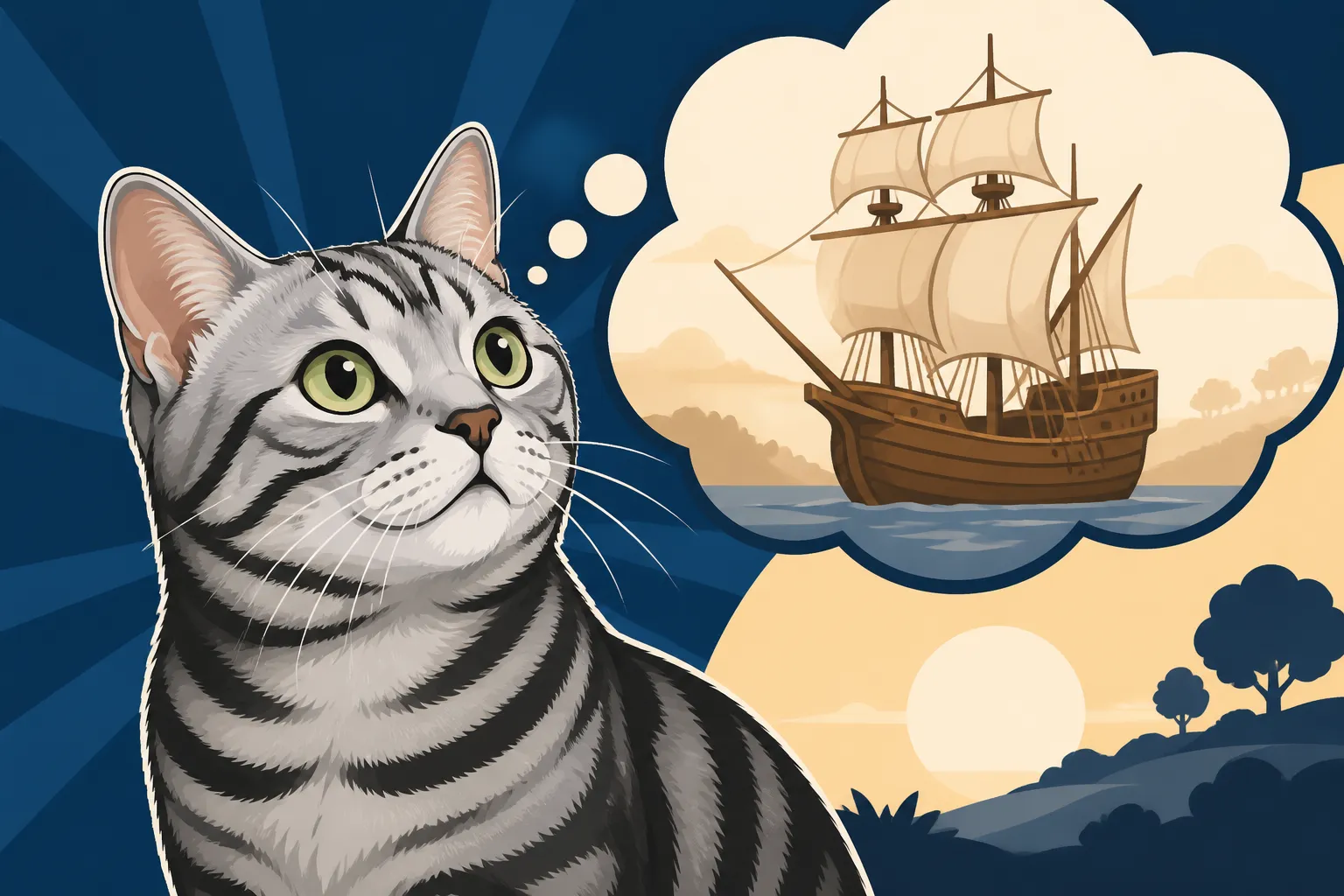
The idea that cats, specifically the forebears of the American Shorthair, were part of the Mayflower's manifest is deeply ingrained in popular imagination. It's a lovely thought, picturing these hardy felines sharing the cramped quarters with the Pilgrims, perhaps providing a comforting purr amidst the perils of the sea. However, when we look for concrete evidence, the historical waters get a bit murky.
The Allure of a Pilgrim Pedigree
There's a certain undeniable appeal to tracing your cat's lineage back to such a pivotal moment in history. It lends an air of distinction and a storybook quality to the breed. The American Shorthair, with its sturdy build, intelligent gaze, and working-cat heritage, certainly looks the part of a resilient pioneer, capable of surviving harsh journeys and carving out a new life. This visual congruence, coupled with the breed's status as one of America's original and most beloved felines, naturally leads to the assumption that they must have been there from the very beginning, sailing with the first European settlers. It’s a powerful narrative that connects our modern pets to a heroic past, making them seem like living pieces of history.
Why Direct Documentation is Elusive
Unfortunately, specific records confirming the presence of particular cats, or even "cats" in general, on the Mayflower are incredibly scarce. Early passenger lists and ship logs were meticulous about human passengers and essential cargo, but small animals like cats were often considered more "vermin control" or informal crew members rather than registered inhabitants. While dogs were sometimes noted for their utility in hunting or herding, cats, despite their crucial role, rarely merited an official mention. This isn't to say there weren't cats on board – it’s highly probable, almost a certainty, given the prevalence of rats on wooden sailing vessels. It just means we lack that definitive "cat from the Mayflower" entry that would connect the dots directly. So, while the spirit of the Mayflower cat lives on, its direct genealogical link to the American Shorthair remains largely a romantic notion rather than a documented fact.
Aboard the Caravels and Colonial Ships: The Indispensable Role of Feline Crew
Regardless of the Mayflower specifics, we know for certain that cats were absolutely essential companions on European voyages to the New World. Ships were, by their very nature, havens for rodents. Without a diligent feline crew, stores would be spoiled, ropes gnawed, and diseases spread among passengers and crew. These weren't pets in the modern sense; they were working animals, earning their keep every single day.
Pest Control: The Original Job Description
Imagine the long, arduous journey across the Atlantic in the 17th century. Food supplies were vital, and keeping them safe from hungry rats and mice was a matter of survival. These early cats weren't just a convenience; they were a necessity. They patrolled the holds, the galleys, and the sleeping quarters, keeping the rodent populations in check. A healthy, effective mouser was a highly valued asset, protecting grains, preserved meats, and even the structural integrity of the ship itself from rodent damage. This primal role as a hunter, a legacy woven deeply into the Why Centuries of Ratting Left the American Shorthair Its Drive, fostered the hardy, self-sufficient nature that still defines the American Shorthair today. Their purpose was clear: hunt, survive, and protect the human endeavor.
The Journey and Adaptation to a New World
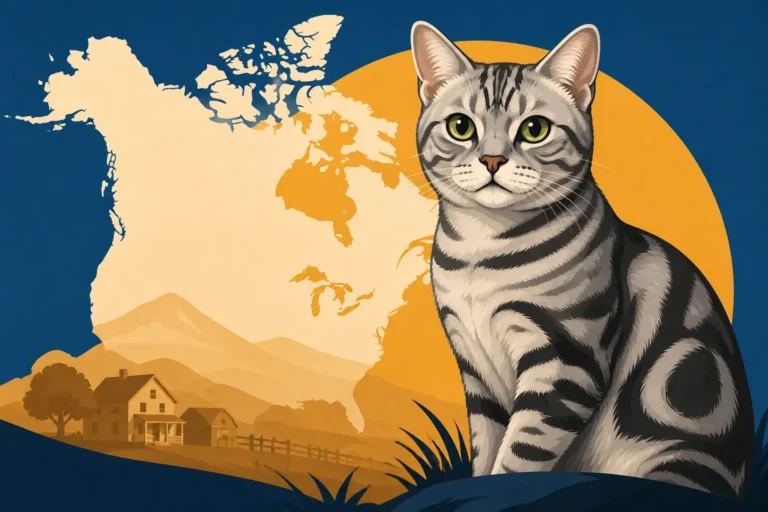
Once these ship cats disembarked onto American soil, their job didn't end. The fledgling colonies, with their hastily built shelters and stored provisions, presented an equally abundant feast for rodents. The cats quickly adapted, moving from ship life to colonial farm and homestead life, continuing their invaluable work. This transition was a testament to their adaptability and hardy nature. They faced new predators, new environments, and new challenges, yet they thrived. This period of natural selection, where only the most resourceful and resilient cats survived and reproduced, truly laid the groundwork for the robust constitution of the American Shorthair type. These were the ultimate utilitarian companions, valued not for their looks or cuddles, but for their unwavering ability to protect human settlements.
From Dockside to Domesticity: How the American Shorthair Type Emerged
The cats that arrived with the early European settlers were not a formally recognized breed like today's American Shorthair. They were simply "ship's cats" or "barn cats"—hardy, diverse felines of European lineage, all united by their aptitude for hunting. Over centuries, these working cats, shaped by the demands of colonial life, began to develop a distinctive "type" that would eventually become the American Shorthair.
Natural Selection and the Survival of the Fittest Felines
Life in early America was tough for humans and animals alike. Cats that weren't good hunters, couldn't adapt to varied climates, or were prone to illness simply didn't thrive. The environment acted as a powerful selective force, favoring cats with strong constitutions, keen hunting instincts, and a certain self-reliance. They needed to be resilient against the elements, capable of catching prey for themselves, and smart enough to avoid danger. This continuous process of natural selection, spanning generations across vast territories, honed the characteristics we now associate with the American Shorthair: a solid, muscular build, a dense coat for protection, and an intelligent, alert demeanor. This isn't just theory; you can see echoes of this in How Farm Work Shaped the American Shorthair.
The Diverse Gene Pool of Early American Cats
These weren't cats from a single, isolated genetic line. They arrived on countless ships from various parts of Europe – Britain, Spain, France, and more. Each vessel brought its own mix of feline genetics, creating a wonderfully diverse gene pool in the New World. Over time, these diverse populations interbred, leading to a melting pot of feline traits. The "American Shorthair type" that emerged wasn't the result of selective breeding by humans in its early stages but rather the result of a diverse gene pool shaped by common environmental pressures. This widespread ancestry is part of How Wide the American Shorthair's Gene Pool Really Is. This lack of early human intervention in their breeding is a major reason why the American Shorthair is often celebrated for its natural health and vigor.
The Road to Recognition: Naming a National Treasure
For centuries, these robust, utilitarian cats were simply known as "domestic shorthairs" or "alley cats," despite their distinct appearance and temperament. It wasn't until the late 19th and early 20th centuries that cat fanciers began to appreciate and formally organize around preserving this unique American feline. This movement was crucial in elevating the "type" to a recognized "breed."
From "Domestic Shorthair" to "American Shorthair"
Initially, when cat shows began in America, these native working cats were indeed exhibited. However, they were often simply lumped together under generic names like "Domestic Shorthair" or "Shorthair Cat." This created confusion, as it didn't distinguish the purposeful, established type from any random short-haired moggy. Breeders and enthusiasts who valued the specific characteristics of these cats—their solid build, agreeable temperament, and proven mousing abilities—felt it was essential to give them a name that reflected their unique heritage and recognized their distinct qualities. This push led to a pivotal name change. In 1966, the breed was officially renamed the "American Shorthair" to distinguish it definitively from other domestic shorthaired cats and to honor its roots in North America. This change was crucial for its identity, as explored in Why the American Shorthair Was Called Domestic Shorthair Until 1966. It marked a conscious effort to celebrate a truly American feline.
Defining the Breed Standard Based on Utility
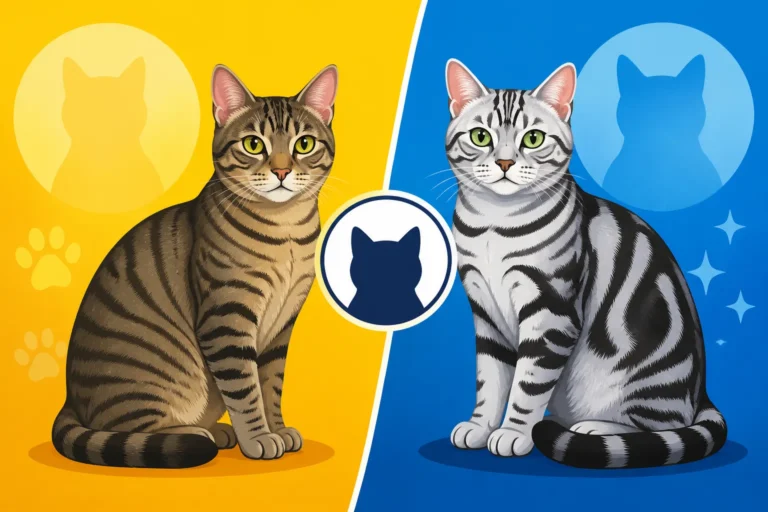
When cat fanciers began to formally recognize the American Shorthair, they didn't invent a new type of cat. Instead, they carefully observed and documented the traits that had naturally emerged and been valued for generations: a medium-to-large, powerfully built body; a broad chest; a short, dense coat; and a gentle, adaptable nature paired with keen hunting instincts. The breed standard, therefore, became a formal description of the very traits that made these cats such excellent working animals and companions. It was a standard built on function and resilience, rather than fleeting aesthetics. When you look at What an American Shorthair Looks Like by the Standard, you're essentially seeing a blueprint of centuries of natural selection for survival and utility. This emphasis on natural qualities ensured that the breed remained true to its healthy, robust origins.
| Feature | Mythical Mayflower Cat (Romanticized) | Early Colonial Cat (Historical Reality) | Modern American Shorthair (Breed Standard) |
|---|---|---|---|
| Origin Story | Directly sailed on the Mayflower | Arrived on various European ships | Descendant of early colonial cats |
| Primary Role | Companionship, symbolic pioneer | Essential pest control, survival | Beloved companion, retains hunting instinct |
| Genetic Lineage | Implied specific, "pure" line | Diverse European landrace cats | Established pedigree, diverse foundation |
| Appearance | Resilient, sturdy, typical "cat" | Hardy, functional, adaptable | Defined physical and temperament traits |
| Documentation | None specific | Indirect evidence (ship needs) | Studbooks, registration (e.g., CFA) |
| Value | Historical connection | Practical necessity for survival | Consistency in health, temperament, type |
Modern Insights into Ancient Origins: What We Know Now
Today, with the advancements in genetic studies and a deeper understanding of feline history, we can paint a more accurate picture of the American Shorthair's origins. While the Mayflower story might remain a charming legend, the true story of their ancestry is arguably even more compelling—a testament to natural resilience and invaluable partnership with humans.
DNA and the Broader European Lineage
Modern genetic research offers fascinating insights into the origins of our domestic cats, including the American Shorthair. While it can't point to a specific "Mayflower cat" gene, it generally confirms that the vast majority of North American domestic cats trace their lineage back to Western European domestic cats. These were the working cats that spread with European colonization across the globe. So, while we can't confirm a direct Mayflower connection, we can confidently say that the American Shorthair's ancestors were part of that broader wave of European felines that sailed across the Atlantic, contributing to the development of the cats that have lived on this continent for centuries. For example, How Long the American Shorthair's Type Has Lived in North America gives us a good sense of the timeline. This scientific confirmation gives us a realistic grounding, moving beyond pure conjecture to a more informed understanding of their deep roots.
Celebrating the True Legacy of Resilience
The real legacy of the American Shorthair's ancestors isn't about one specific ship, but rather a testament to survival, adaptation, and an enduring partnership with humanity. These were cats that earned their place, not through pampered breeding, but through their indispensable utility in the harsh realities of colonial life. They helped establish settlements, protect food supplies, and ultimately thrived in a challenging new environment. This history of self-reliance, intelligence, and adaptability is what makes the American Shorthair such a wonderful companion today. They are living history, embodying the spirit of the pioneers, hardy and dependable. And while those early cats didn't have access to the convenient and varied supplies from places like Chewy that our modern American Shorthairs enjoy, their innate capabilities allowed them to flourish and give us the incredible breed we cherish. You might not find a Mayflower manifest with a cat's name on it, but you can see the spirit of those brave voyagers in every confident, resourceful American Shorthair today.
Disclaimer
This article is for general informational purposes only and does not constitute professional advice. Laws, prices and regulations vary by location and change over time. Consult a qualified professional for guidance on your specific situation.