Why a Silver Tabby American Shorthair Photographs So Well
A silver tabby American Shorthair can look crisp and almost graphic in a photograph, yet the same cat may appear washed out, muddy, or oddly flat in the next shot. The difference usually comes down to light, angle, and how the camera handles a pale coat beside dark markings. Here’s how to understand the pattern and bring out its details without stressing your cat.
What gives a silver tabby its striking appearance
The pale background and dark markings create natural contrast
A silver tabby’s visual appeal comes from the relationship between its light ground color and darker markings. The coat can read like a high-contrast pattern: pale areas draw in light, while the stripes, swirls, or spots provide definition. That contrast gives a camera something clear to capture, especially when the lighting is soft and the pattern is in focus.
Silver does not mean the cat is metallic or glittery. It describes a pale, cool-looking background to the tabby markings. In a photograph, that background may look nearly white in bright light, silvery gray in shade, or warmer and creamier under indoor bulbs. These shifts can make the same cat look quite different from one room to another.
The pattern itself matters, too. A classic tabby’s broad swirls can create a bold, flowing design, while a mackerel tabby’s narrow stripes may look finer and more delicate. Spots and broken markings produce a different rhythm again. To compare the common forms, see Which Patterns an American Shorthair Comes In and What a Silver Tabby American Shorthair Is.
The coat’s pattern gives the eye a clear place to land
Good cat photographs often have a visual anchor: the eyes, the face, or a sharply defined patch of coat. Silver tabbies offer several possible anchors. Dark markings around the face can help frame the eyes, and the contrast between the face and body may guide the viewer’s attention naturally toward the expression.
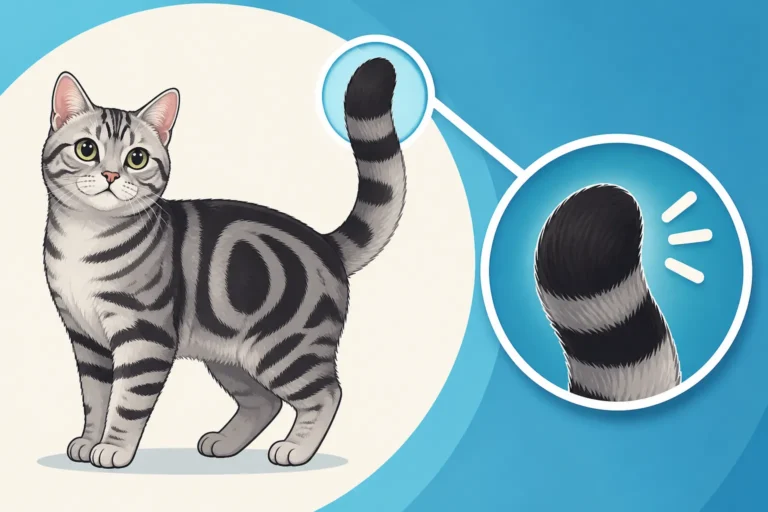
The pattern can also create a sense of movement, even when the cat is sitting still. Swirls curve across the sides; stripes lead the eye along the body; and markings around the legs and tail add detail beyond the face. A photograph that captures these features can feel richly patterned without needing a complicated background.
That is one reason a close-up can be so effective. Instead of trying to show every whisker, paw, and stripe at once, focus on one strong feature: the eyes, the forehead markings, or the curve of a side pattern. The breed’s appearance is shaped by more than coat color, so What the American Shorthair Standard Asks For can help explain the broader look a well-balanced portrait may show.
The coat is part of the appeal, not the whole story
A photogenic cat is not simply a pattern with a face attached. Expression, posture, and the way the cat carries its body make a big difference. An alert but relaxed American Shorthair, watching a familiar person from a comfortable perch, may make a more engaging photograph than a perfectly centered cat who has been coaxed into an uncomfortable pose.
American Shorthairs are sturdy, often muscular cats, and a photograph can show that shape more clearly when the cat is standing or sitting naturally. A low camera angle can emphasize the body and legs, while a head-on view may make the face the main feature. Neither approach is automatically better; the best choice depends on what you want to capture.
It also helps to distinguish a registered American Shorthair from a cat who simply has a similar coat. A silver tabby pattern alone does not establish breed. If that question matters to you, read How to Tell an American Shorthair From a Random Bred Tabby. For a discussion of the coat itself, How an American Shorthair's Coat Differs From a Random Bred Tabby's is also useful.
How light changes silver tabby photographs
Choose soft light to preserve detail
Direct, harsh sunlight can make pale fur look blown out, leaving the coat with little visible texture. It can also create dark shadows across the face, which may hide the markings you wanted to show. A bright window with indirect light, or a shaded outdoor spot, is often easier to work with than full sun.
Try placing your cat near a window and turning them slightly toward the light rather than facing them squarely into it. This can reveal the shape of the face and the fine texture of the coat without flattening everything into a bright patch. If the cat prefers to look away from the window, follow their lead and work with the angle they choose.
Late morning or afternoon light can be lovely when it is gentle and consistent. But the time on the clock matters less than the quality of the light. A cloudy day can provide soft, even illumination; a sunny day can still work if the cat is in open shade.
Watch for color casts and bright backgrounds
Indoor light can change how silver fur appears. Warm bulbs may make the pale ground color look beige or yellow, while cool lighting can give it a bluish cast. If the coat looks unlike what you see with your own eyes, try moving closer to a window or switching off nearby lamps that mix different types of light.
Backgrounds matter because the camera tries to balance the whole scene. A bright white wall behind a pale cat can make it harder to retain detail in the coat. A very dark blanket may create strong contrast, but it can also cause the camera to brighten the image and wash out the silver areas. Mid-tone backgrounds—such as muted gray, blue, or green—can help the coat stand out without competing for attention.
If your cat likes a favorite blanket or bed, use it as a familiar resting place rather than rearranging the room to make a perfect set. A calm cat is more likely to settle into a natural pose. If you need a brush or a small reward to help with preparation, Chewy is one place some owners look for familiar cat-care supplies. Keep any treat small and account for it as part of the day’s food.
Adjust exposure when the coat looks too pale
Phone cameras can struggle with a mostly light subject. If the camera brightens the entire scene, the silver background may lose its texture. Tap on the cat’s face or coat before taking the picture, then use your phone’s exposure control to lower the brightness slightly if the pale areas look blank.
A small adjustment is usually enough. The goal is not to make the cat look dark; it is to retain detail in the light fur while keeping the dark markings visible. Check the result on the screen and take another frame if the coat looks featureless. A few quick shots are often easier than trying to perfect every setting before your cat loses interest.
| What you see in the photo | Likely cause | A simple adjustment |
|---|---|---|
| Pale coat looks blank or pure white | Too much light or exposure | Move into softer light and reduce exposure slightly |
| Silver fur looks beige | Warm indoor bulbs | Try window light or turn off nearby lamps |
| Markings look dark and harsh | Strong direct sun | Move into open shade |
| Coat and background blend together | Similar tones behind the cat | Try a mid-tone, uncluttered background |
| Face is blurry | Cat moved or focus missed | Tap the eyes and take a short burst of photos |
Simple ways to photograph your cat at home
Let the cat choose the pose
A familiar window ledge, sofa, or cat tree often works better than a staged setup. Give your cat time to settle, then photograph them while they watch birds, listen to a household sound, or rest after play. These ordinary moments tend to show personality because the cat is not concentrating on being held in place.
Get down to the cat’s eye level when you can. Shooting from above may make the body look smaller and can hide the face behind the shoulders. A level angle often feels more intimate, while a slightly lower angle can show off a sturdy frame. Move slowly, and avoid blocking the cat’s preferred route away from the camera.
If your cat is more interested in investigating the phone than posing, pause and let them sniff it. For a little attention, ask another person to stand just beside the camera and make a quiet sound or hold a familiar toy. A favorite treat can help, too. If you already buy cat treats through Chewy, set one aside before the session rather than shaking the package beside the cat and startling them.
Keep the background quiet
A patterned sofa, laundry pile, or open cupboard can pull attention away from the coat. You do not need a studio backdrop; just shift your position so there is less visual clutter behind your cat. A plain wall, a neatly arranged cushion, or a softly lit corner can be enough.
Check the frame edges before taking the picture. A bright lamp, a plant crossing the cat’s face, or a toy partly hidden behind the body can distract from the portrait. If you are using a phone, moving a step to one side may solve the problem without disturbing the cat.
A simple brush-through can remove loose hairs, but grooming should stay comfortable. Many shorthaired cats do not need elaborate coat preparation, and a few loose hairs are part of real life. If you are organizing a small photo setup and need a basic grooming tool or lint roller, Chewy may be one option for sourcing everyday pet supplies; choose tools that suit your cat and use them gently.
Take several kinds of shots
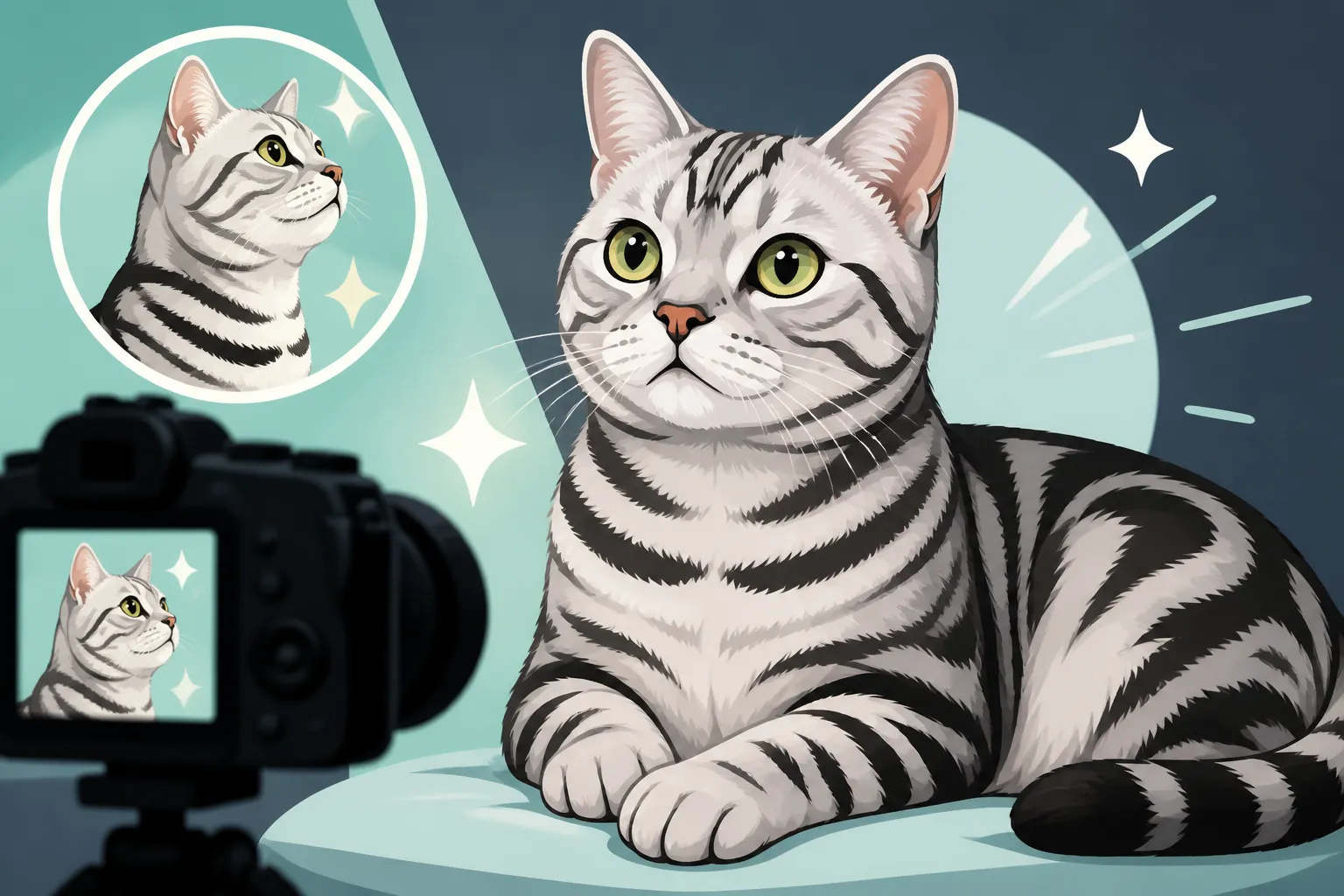
Try a close portrait, a full-body image, and a wider shot that includes the cat’s surroundings. Each reveals something different. A close-up may show the eye shape and facial markings; a full-body view highlights the pattern; and a wider frame captures the way your cat occupies a favorite place.
Use short bursts if your phone offers them. Cats change expression quickly, and the difference between a blink and a bright, attentive gaze can happen in a second. Rather than repeatedly calling the cat’s name, wait for a moment when they naturally look up.
Do not worry if every photo is not polished. Some of the best pictures are imperfect: a paw tucked under the chest, whiskers catching window light, or a curious glance toward something outside the frame. Chewy-sourced toys or treats may be familiar props if you already use them, but the cat’s comfort and attention matter more than adding anything new.
What to remember about the silver tabby look
A striking photo depends on pattern, light, and expression
The silver tabby photographs well because its light background and darker markings can create clear contrast, while the pattern adds shape and detail. But contrast alone does not guarantee a strong picture. Soft light helps preserve the texture of pale fur; an uncluttered background keeps attention on the cat; and a relaxed expression makes the image feel personal.
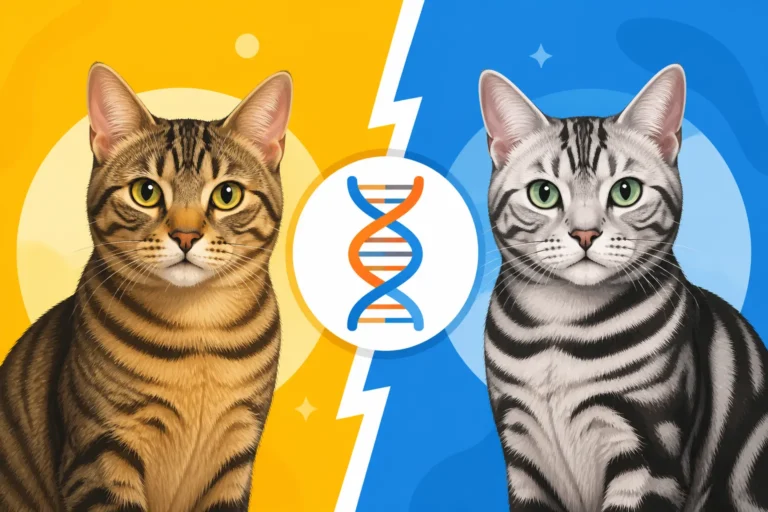
The coat can look different across photographs without changing at all. Lighting, camera exposure, background color, and the angle of the shot all affect how silver reads. If one image looks warmer or flatter than another, that does not necessarily mean the coat has changed. For example, Whether Sun Bleaches an American Shorthair's Tabby explores one factor that can affect how coat color appears over time.
Make the session comfortable, not demanding
A short, low-pressure photo session is usually more successful than trying to hold a cat in one position. Start where the cat already feels safe, use a familiar resting spot, and stop if they seem tense or eager to leave. You can always try again when they are relaxed.
Focus on what makes your own cat distinctive: a particular expression, the curve of the markings, or the way they settle beside a window. The silver tabby’s contrast may draw the eye, but those small, familiar details are what make a photograph feel like your cat rather than just a pretty coat.
Disclaimer
This article is for general informational purposes only and does not constitute professional advice. Laws, prices and regulations vary by location and change over time. Consult a qualified professional for guidance on your specific situation.