Which Breeds Came From the American Shorthair
It’s easy to look at the American Shorthair, a cat that often resembles the friendly tabby next door, and not realize the monumental role this humble breed has played in the development of other beloved feline companions. Many cat lovers are surprised to learn that the robust health, sturdy build, and incredible adaptability of the American Shorthair didn't just make it an excellent family pet; these traits also made it a foundational blueprint for several distinct cat breeds we know and adore today. This guide will walk you through the fascinating genetic journey of the American Shorthair and how its lineage shaped the feline world.
The American Shorthair's Foundation Status in Cat Breeding
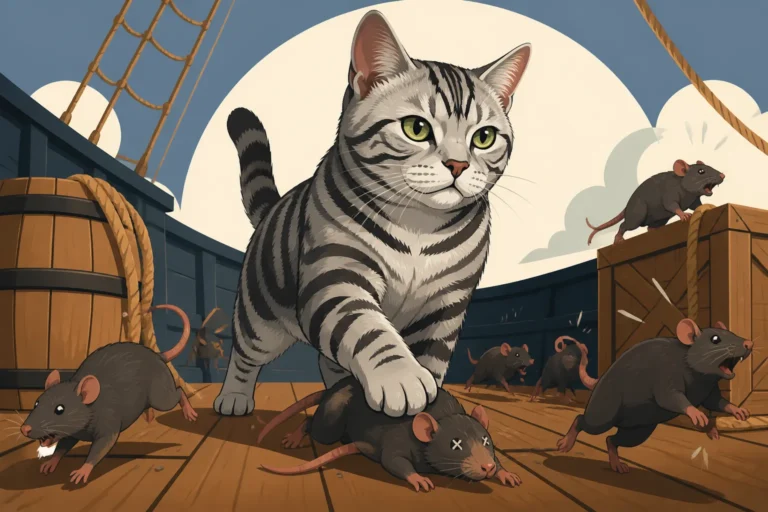
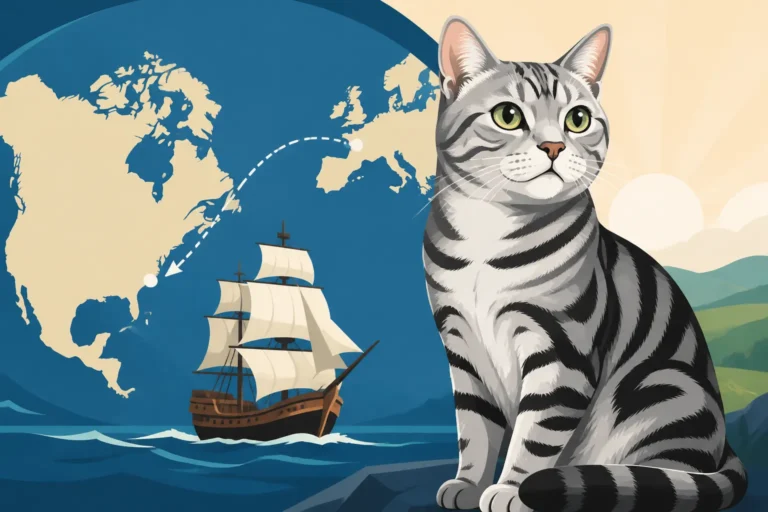
Before the structured world of cat shows and pedigrees, the cats that would become the American Shorthair were simply the working cats of North America, arriving with early settlers and proving invaluable for rodent control. These were tough, adaptable felines, honed by natural selection rather than selective breeding for aesthetic traits. Their success as working cats made them the bedrock of the domestic cat population, and when organized cat fancy began to take shape, these hardy felines became recognized as a distinct breed. This foundation status meant they held a broad and diverse gene pool, making them an ideal starting point for new breed development.
A Landrace Cornerstone for Modern Pedigrees
Think of the American Shorthair as the ultimate "all-rounder" of the cat world. They weren't bred for extreme features like flat faces or ultra-long coats; instead, they were selected for their ability to thrive in various environments, catch prey, and generally be healthy, well-adjusted companions. This made them a "landrace" breed – one that developed naturally in a specific region, adapting to its challenges. When breeders in the early 20th century began to conceptualize new breeds, many recognized the inherent value in this already established, resilient genetic stock. The American Shorthair's balanced conformation, strong immune system, and easygoing nature were highly desirable qualities to incorporate into emerging pedigrees, laying a solid foundation for future generations of purebred cats. How Wide the American Shorthair's Gene Pool Really Is
The Importance of a Broad Gene Pool
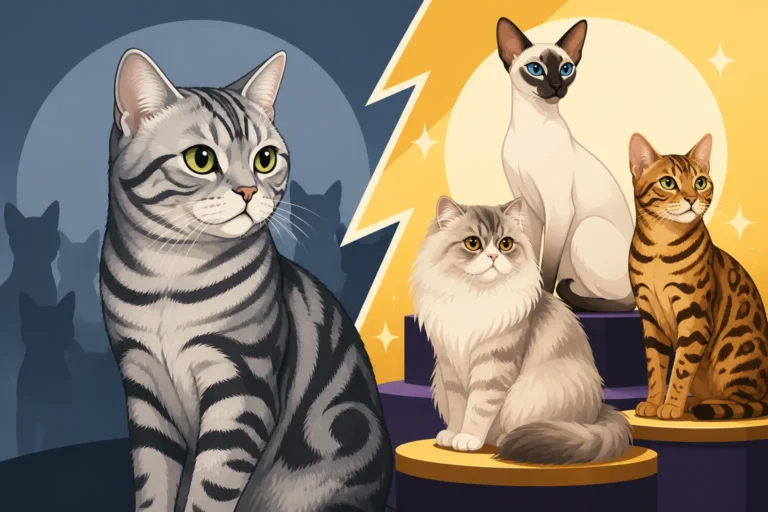
One of the American Shorthair's greatest assets, especially in the context of breed development, was its expansive gene pool. Unlike some highly specialized breeds that suffered from intense inbreeding to fix certain traits, the American Shorthair's origins as a working cat meant a wide variety of genetic material flowed through its population. This genetic diversity is crucial for long-term health and vitality. When new breeds were being developed, outcrossing to American Shorthairs helped infuse fresh genetics, mitigating the risks of genetic bottlenecks and inheritable health issues that can arise from limited breeding stock. This practice was vital in ensuring the viability and robustness of some very specific new breeds.
Its Early Role in Establishing the CFA
The American Shorthair (originally known as the Domestic Shorthair) was one of the very first breeds recognized by the Cat Fanciers' Association (CFA) in the early 1900s. This early recognition speaks volumes about its importance and established presence in the American cat population. Being a founding breed gave it a privileged position; its characteristics became a benchmark, a kind of "default" cat against which other breeds were often compared. This official acceptance meant that American Shorthair cats were readily available and their pedigrees documented, making them a natural choice for breeders looking to establish new lines or introduce desirable traits into developing breeds. Which Five Breeds Founded the CFA With the American Shorthair
Direct Descendants: Breeds Born from American Shorthair Stock
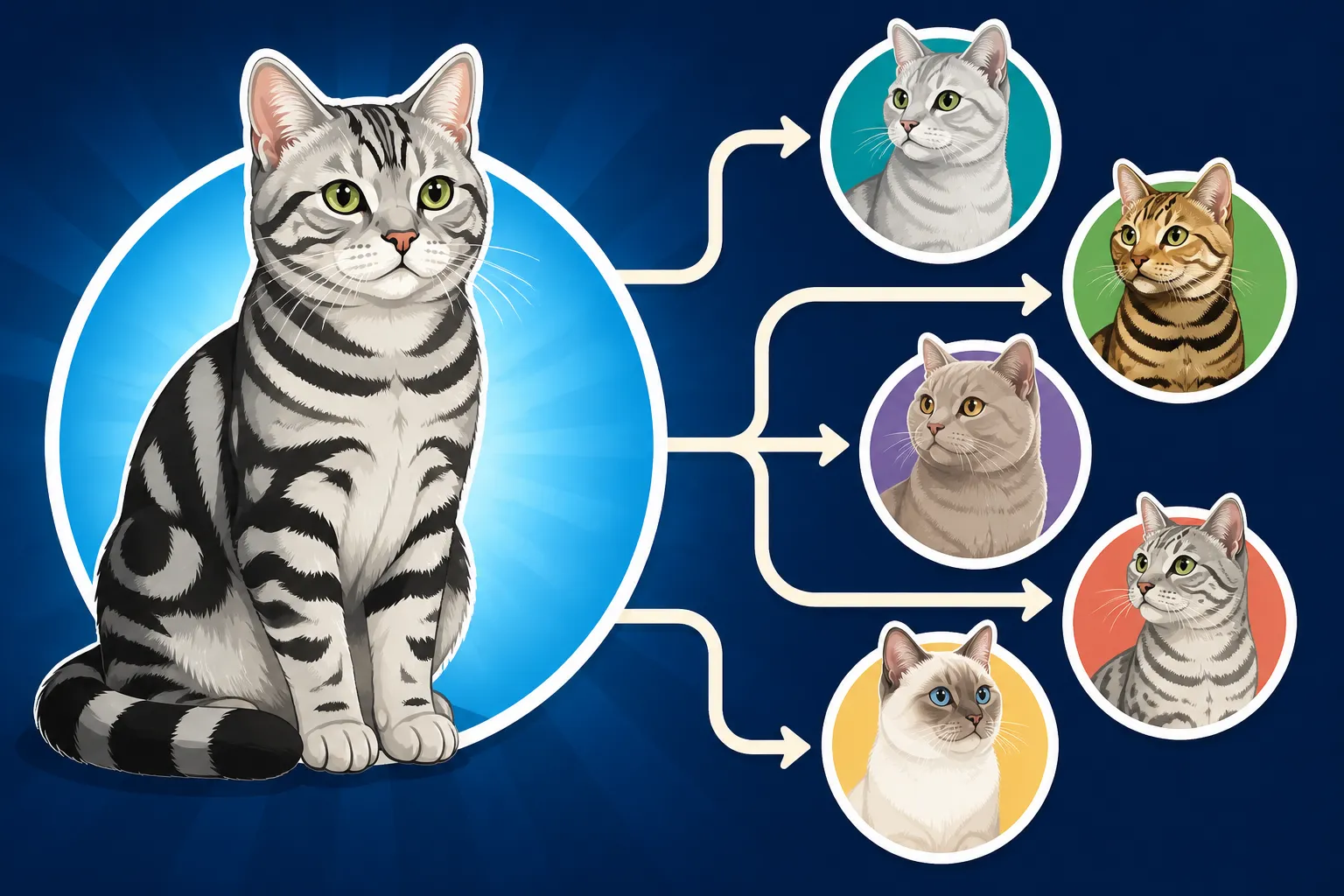
The American Shorthair didn't just influence other breeds; it directly contributed genetic material to the creation of several distinct new breeds, often through careful outcrossing programs or by being the source of spontaneous mutations that breeders then developed. These breeds quite literally owe their existence, in part, to the American Shorthair.
The American Wirehair: A Spontaneous Mutation
Perhaps the most direct descendant of the American Shorthair is the American Wirehair. The story goes that in 1966, on a farm in upstate New York, a litter of kittens was born to a pair of ordinary farm cats – essentially American Shorthair types. One of these kittens had a truly unique coat: coarse, crimped, and springy, feeling much like steel wool. This was a spontaneous dominant mutation. Breeders, recognizing the novelty and appeal of this "wirehaired" texture, began a program to develop it into a distinct breed. Crucially, they outcrossed extensively to American Shorthairs to strengthen the lines, maintain the sturdy body type, and ensure genetic diversity.
The American Wirehair, therefore, shares almost all the characteristics of its American Shorthair ancestors, from its muscular build and rounded head to its famously placid and friendly temperament. The key differentiator, of course, is that wonderfully unusual coat. Without the genetic foundation and readily available, healthy American Shorthair stock, the American Wirehair breed might not have been able to establish itself with such vigor and health. Owners of American Wirehairs often look for high-quality food to support their unique coats, which can easily be found on sites like Chewy.
The Exotic Shorthair: A Persian Cross That Kept the Coat Short
The Exotic Shorthair has a more complex, but equally fascinating, lineage tied to the American Shorthair. In the 1950s, some American Shorthair breeders, aiming to introduce the striking silver color and green eyes of certain Persians into their American Shorthair lines, began discreetly crossing them. The goal was to produce a silver American Shorthair with a more "Persian-like" face. However, the outcome was an unexpected delight: a cat with the dense, plush coat and round head of a Persian, but with the short hair of the American Shorthair.
This hybrid was eventually recognized as a new breed, the Exotic Shorthair. The American Shorthair provided the crucial short-hair gene, preventing the long, high-maintenance coat of the Persian, while also contributing to the Exotic Shorthair's robust health and less extreme features compared to some Persian lines. The American Shorthair's influence helped temper some of the potential genetic issues that can arise from pure Persian breeding, creating a healthier, easier-to-care-for alternative that still captured the Persian's charm. It's truly a testament to the American Shorthair's genetic compatibility. How an American Shorthair Differs From an Exotic Shorthair
The Scottish Fold: A Mutation with American Shorthair Outcrosses
The Scottish Fold breed originated from a spontaneous mutation found in a barn cat in Scotland in the early 1960s – a cat with unusually folded ears. While the initial cat was a Scottish farm cat, its development into a recognized breed involved significant outcrossing, particularly to the American Shorthair. The reason for this was twofold: firstly, to increase the genetic diversity of the fledgling breed, as the folded-ear gene can be linked to skeletal abnormalities if bred carelessly. Secondly, American Shorthairs provided the sturdy, well-muscled body type and friendly temperament that breeders wanted to maintain in the Scottish Fold.
The American Shorthair's influence helped establish the Scottish Fold's overall structure and personality, ensuring it was a healthy, robust cat beyond its signature ears. Breeders carefully selected American Shorthairs known for their health and conformation to introduce into the Scottish Fold lines, essentially "diluting" the potential negative effects of the folded-ear gene while retaining the adorable look. Without this thoughtful outcrossing, the Scottish Fold's journey to becoming a widely adored breed might have been far more challenging from a health perspective. For specific dietary needs of a Scottish Fold, many owners turn to specialized brands found at online retailers like Chewy.
Indirect Influences: American Shorthair's Genetic Legacy in Other Breeds
Beyond direct descendants, the American Shorthair's genetic material has subtly permeated and enriched many other cat breeds through strategic outcrossing at various points in their development. This wasn't necessarily about creating a new breed but rather about improving existing ones or helping to stabilize a newly emerging type.
Strengthening Health and Temperament in Developing Breeds
Many breeders of nascent or relatively new breeds recognized the potential pitfalls of a closed gene pool, especially concerning inherited health conditions and temperamental extremes. The American Shorthair, with its centuries-long history of natural selection for robustness and an inherently calm, adaptable nature, offered a genetic lifeline. Introducing American Shorthair lines into other developing breeds was a common strategy to boost overall health, increase vigor, and broaden genetic diversity. This practice helped to "reset" or fortify genetic foundations, ensuring that desirable traits weren't inadvertently linked to undesirable health issues. It was an acknowledgment that good health and a stable temperament are paramount, and the American Shorthair embodied these qualities.
For instance, when a breed might have been struggling with a particular genetic predisposition or exhibiting signs of temperament fragility due to limited breeding stock, an outcross to a healthy American Shorthair could introduce beneficial genes. This wouldn't fundamentally change the new breed's core characteristics, but it would provide a much-needed injection of vitality, making the breed more resilient and easier to live with for future owners. Why Function Left the American Shorthair Fewer Faults
Contributing to the Ocicat's Robustness
The Ocicat, with its striking spotted coat, might seem far removed from the American Shorthair, but its origins actually include American Shorthair genetics. The Ocicat breed was serendipitously created in 1964 by a breeder attempting to develop an Abyssinian-pointed Siamese. One of the kittens from this experimental cross had an unexpected tawny-gold coat with ivory spots – the first Ocicat. To develop this spotted cat into a full breed, breeders introduced American Shorthairs (specifically silver tabbies, to enhance the spotting patterns and add substance) and Abyssinians.
The American Shorthair's contribution was crucial in adding body mass, bone structure, and overall robustness to the Ocicat, which initially had a finer, more oriental type. This outcrossing helped to create the Ocicat's distinctive athletic and muscular build, preventing it from becoming too delicate or prone to certain issues that can plague breeds with very narrow genetic bases. It’s a fantastic example of how the American Shorthair’s sturdy frame and good health were leveraged to enhance a completely different breed type.
Maintaining Type and Diversity in Regional Shorthairs
Before standardized breed registries became widespread, many regions had their own "types" of domestic shorthairs that, while not formally recognized breeds, possessed distinct local characteristics. As cat fancy developed, some of these regional types, like the European Shorthair, found themselves in a similar position to the American Shorthair in terms of being a general shorthaired cat. When formalizing these breeds, there were often discussions about maintaining genetic diversity and ensuring health.
The American Shorthair, being a well-established and healthy shorthaired breed, sometimes served as an outcross option to ensure variety and prevent excessive inbreeding in these other regional shorthair populations as they transitioned into formalized breeds. While not as direct a contribution as with the American Wirehair or Exotic Shorthair, its existence as a successful, healthy, and recognized shorthair breed offered a template and a genetic resource for those working to establish similar, albeit distinct, shorthair breeds in other parts of the world. How an American Shorthair Differs From a European Shorthair
Why the American Shorthair's Genes Were So Desirable for Outcrossing
It wasn't just happenstance that the American Shorthair became such a significant contributor to other breeds. There were specific, highly valued qualities embedded in its genetic makeup that made it a prime choice for breeders looking to improve or create new feline lines.
The Appeal of its Robust Health
In the world of pedigree breeding, health is paramount. No one wants to breed a cat that will suffer from chronic or debilitating conditions. The American Shorthair, forged by centuries of natural selection as a working cat, boasts an exceptional level of genetic health. This breed typically lives a long, healthy life, free from many of the exaggerated traits that can lead to problems in other breeds. Its moderate build, functional structure, and strong immune system are enviable traits for any breeder.
When breeders were looking to introduce new genes into their developing lines, the American Shorthair offered a clean bill of health, so to speak. Outcrossing to an American Shorthair was a way to "dilute" any potential genetic weaknesses present in a nascent breed, adding strength and vigor without introducing new health problems. This commitment to health is why many still consider Why the American Shorthair Is Used as a Health Benchmark in the cat world.
The Enduring, Adaptable Temperament
Beyond physical health, temperament is a critical factor for any successful pet breed. A beautiful cat with a difficult personality won't make a good companion. The American Shorthair is renowned for its calm, adaptable, and affectionate nature. They are generally easygoing, patient, and tolerant, making them wonderful family pets. This "middle-of-the-road" temperament was incredibly valuable when creating new breeds.
Introducing American Shorthair genetics helped ensure that new breeds not only looked good and were healthy but also possessed a stable and desirable temperament. This meant that even breeds developed from more high-strung or challenging foundation stock could be tempered with the American Shorthair's placid disposition, making them more suitable and appealing to a wider range of prospective owners. This calm demeanor meant they could fit into almost any home, even bustling ones with children or other pets. Why an American Shorthair Fits Any Household
Its Wide Range of Colors and Patterns
While health and temperament were primary drivers, the American Shorthair also brought a stunning array of colors and patterns to the genetic table. They come in over eighty different colors and patterns, including classic tabbies, mackerel tabbies, solids, bi-colors, calicos, and smokes. This rich palette provided breeders with a vast genetic toolkit to achieve specific aesthetic goals in their new breeds.
For example, when developing the Exotic Shorthair, American Shorthairs were crucial for the short-hair gene, but also for contributing a diverse range of colors and patterns that could then be combined with Persian traits. Similarly, in the Ocicat, the robust tabby patterns of the American Shorthair helped to solidify and enhance the striking spotted coat that defines the breed today. This genetic diversity in appearance meant that breeders didn't have to sacrifice visual appeal when outcrossing for health and temperament. Looking for specific color variations of bowls or toys? Many options are available from retailers like Chewy.
| Breed | Origin Story | Key American Shorthair Contribution | Primary Differentiator |
|---|---|---|---|
| American Shorthair | Naturally developed working cats of North America | N/A (Foundation breed) | Robust health, adaptable temperament, diverse colors |
| American Wirehair | Spontaneous mutation from ASH farm cat | Genetic foundation for health, type, and temperament | Unique crimped, wire-like coat |
| Exotic Shorthair | Cross between Persian and ASH | Short-hair gene, robust health, less extreme face | Persian-like body/head with short, dense coat |
| Scottish Fold | Spontaneous mutation in Scottish barn cat | Genetic diversity to mitigate health issues, sturdy body | Characteristic folded ears |
| Ocicat | Accidental cross (Abyssinian, Siamese, ASH) | Increased body mass, bone structure, enhanced spotting | Spotted coat (like a wild ocelot), athletic build |
The End of Outcrossing and Preserving the American Shorthair's Integrity
While outcrossing to the American Shorthair was a valuable tool in the formative years of many breeds, it's largely a practice of the past for established pedigrees. As breeds mature and their standards become more solidified, the need for external genetic input diminishes, and the focus shifts to preserving the breed's unique identity.
When Outcrossing Ceased and Breed Standards Stabilized
For most recognized breeds that utilized American Shorthair outcrosses, this practice was limited to their developmental stages. Once a breed had established its desired characteristics, sufficient genetic diversity, and a stable population, breed associations typically closed their studbooks to outcrossing. This means that to be registered as a purebred, a cat must have parents who are both registered members of that same breed.
This closure is essential for maintaining breed integrity and ensuring predictability in characteristics. It stops the introduction of traits that might dilute the breed's unique look or temperament. For the American Shorthair, this meant that once its own breed standard was firmly in place and its population was healthy and self-sustaining, it stopped being a source of outcrosses for other breeds and focused on its own internal development. Whether the American Shorthair Gene Pool Is Still Open
The Shift Towards Closed Gene Pools
The shift to closed gene pools is a natural progression in the evolution of pedigree breeds. While the initial infusion of American Shorthair genetics was vital for establishing many breeds, continuing to introduce new genes indefinitely would eventually blur the lines between breeds. Breeders move towards closed gene pools to ensure that each generation consistently expresses the traits defined in their breed standard.
This means that today, while the genetic legacy of the American Shorthair lives on in the background of several breeds, direct outcrossing is rare, if not entirely prohibited, by most major cat registries. The focus now is on selective breeding within the existing gene pool to enhance desirable traits, maintain health, and preserve the unique characteristics that make each breed distinct. This ensures that when you choose a specific breed, you know exactly what you're getting.
Protecting the American Shorthair's Unique Identity
Just as other breeds strive to maintain their distinct identity, so too does the American Shorthair. After playing such a pivotal role in the development of other felines, it's important that the American Shorthair's own unique heritage, health, and temperament are protected and celebrated. This breed stands on its own merits as a truly fantastic companion: a sturdy, affectionate, and low-maintenance cat with a long history.
Breeders of American Shorthairs today focus on upholding the breed standard, which emphasizes a robust, well-balanced cat with excellent health and a placid disposition. They work to ensure the American Shorthair remains the calm, resilient, and charming cat that proved to be such a valuable asset to the broader cat fancy. It's a breed that reminds us that sometimes, the most "ordinary" looking cats have the most extraordinary stories and the most profound impact on the feline world. What an American Shorthair Looks Like by the Standard
Disclaimer
This article is for general informational purposes only and does not constitute professional advice. Laws, prices and regulations vary by location and change over time. Consult a qualified professional for guidance on your specific situation.