Why the Silver Tabby Sells the American Shorthair
When most people picture an American Shorthair, a very specific image often springs to mind: that stunning, silver-and-black swirled tabby. It’s almost as if this particular coloration has become the breed's unofficial mascot, captivating potential owners and cat enthusiasts alike. This guide delves into why the silver tabby holds such a powerful draw, exploring its history, visual appeal, and the profound impact it has had on the perception and popularity of the American Shorthair breed.
The Iconic Image: What Makes the Silver Tabby So Special?
It’s no accident that the silver tabby has risen to such prominence within the American Shorthair world. This striking coloration isn't just a pretty face; it’s a living testament to the breed's heritage and its enduring appeal. When you see an American Shorthair, there's a good chance the one you're envisioning, the one that truly captures the breed's essence, is a silver tabby.
Tracing the Silver Tabby's Roots
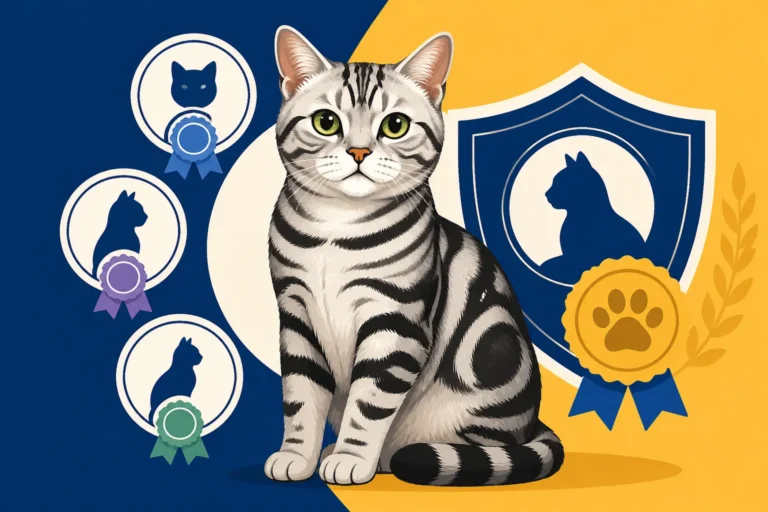
The American Shorthair breed, with its long and storied history as a working cat, has always displayed a wide array of colors and patterns. However, the silver tabby quickly emerged as a favorite among early breeders and exhibitors. There's something undeniably regal and captivating about the shimmering silver coat contrasted with bold, dark markings. It’s believed that some of the earliest and most successful show cats were silver tabbies, which helped cement their status as the quintessential American Shorthair. Their victories in the show ring brought immense prestige and visibility, leading to increased demand and dedicated breeding efforts to reproduce and perfect this particular look.
This isn't just about aesthetics, though. The development of distinct color lines within the breed often reflects a focused effort by breeders to highlight certain traits. For the American Shorthair, which started as a general working cat, distinguishing it as a pedigree breed often meant emphasizing characteristics that were both beautiful and consistent. The silver tabby became a shining example of this effort, a clear visual marker of careful breeding and adherence to a standard, separating it from the random-bred cats it so closely resembled.
Decoding the Classic Tabby Pattern
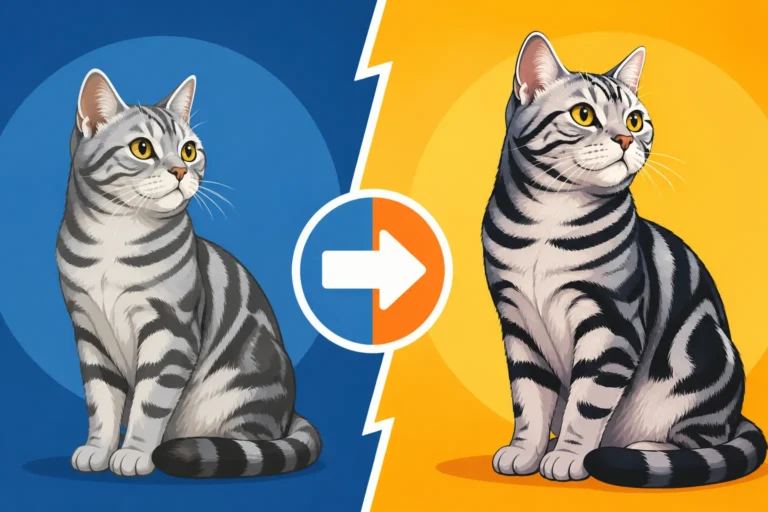
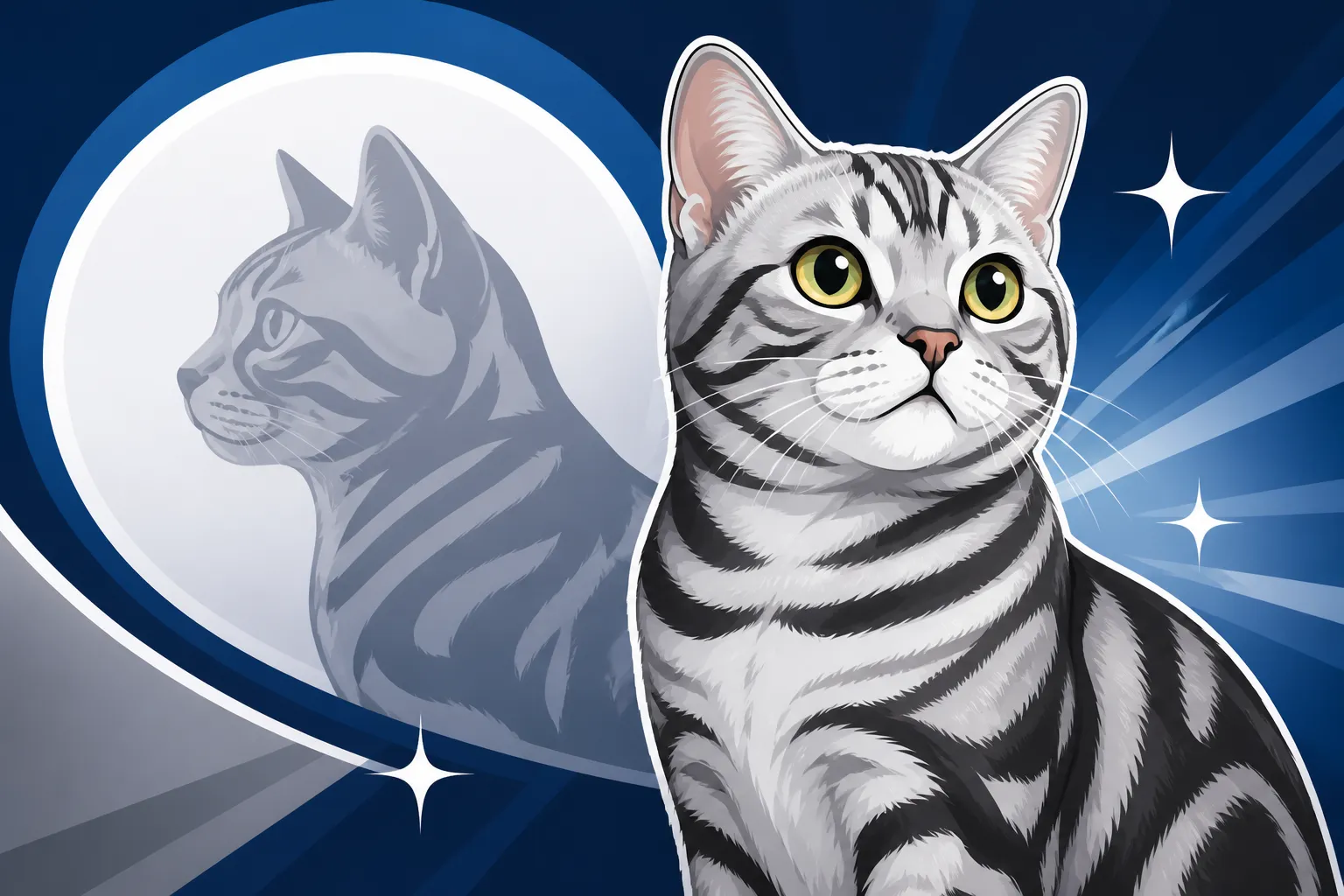
What exactly defines a "classic" silver tabby? It's more than just being silver with stripes. The classic tabby pattern, also known as a blotched tabby, is characterized by distinct, swirling patterns on the sides of the cat, often resembling a bullseye or oyster shell. This is different from the more common mackerel tabby, which has vertical, parallel stripes resembling a fish skeleton. On the silver tabby, these bold, dark markings stand out dramatically against a clear, sparkling silver ground color, creating a high-contrast effect that is visually stunning.
The silver component refers to the lack of warm pigment in the underlying hair shaft, allowing the lighter bands of hair to appear white or silver. This creates a brilliant, almost metallic sheen that truly makes the pattern pop. When you combine this shimmering silver with deep black markings in that distinctive classic swirl, you get a cat that looks both wild and refined, ancient and modern. It’s a pattern that speaks of both strength and elegance, perfectly embodying the sturdy yet graceful nature of the American Shorthair itself. It’s this combination that truly makes the coat a work of art, and why so many people are drawn to it.
Beyond the Silver: Other Colors and Patterns
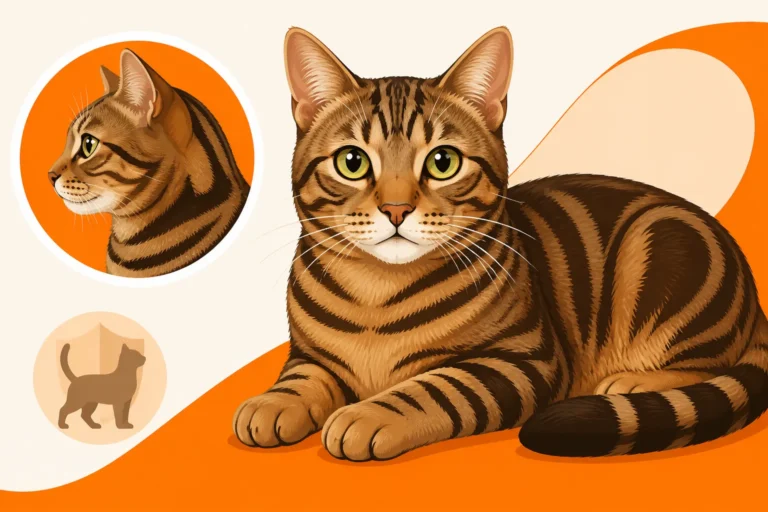
While the silver tabby holds a special place in the hearts of many, it’s important to remember that the American Shorthair is a breed celebrated for its incredible diversity of colors and patterns. You can find them in rich browns, striking blues, warm reds, creamy whites, and even bi-colors or smokes. Each color variation brings its own unique charm and beauty to the breed, showcasing the American Shorthair's adaptability and broad genetic pool. For example, a brown classic tabby can be just as stunning, with its earthy tones and warm, inviting appearance.
However, despite this rich tapestry of possibilities, the silver tabby often remains the face of the breed. It's the one most often featured in breed standard books, promotional materials, and even calendars. This isn't to say other colors are less valued, but rather that the silver tabby has simply captured the public imagination in a way few others have. It serves as an accessible entry point for many to learn about the breed, even if they eventually fall in love with a different color combination. It's a testament to the power of a strong visual identity.
Visual Appeal and Breed Recognition
There's an undeniable truth in marketing: a strong visual identity sells. For the American Shorthair, the silver tabby has been that powerhouse visual. It's not just a beautiful cat; it's a statement, a recognizable icon that resonates with people, often becoming the very definition of the breed in their minds.
The 'Wow' Factor of Silver and Black
Let's be honest, a silver tabby American Shorthair has an inherent "wow" factor. The crisp contrast between the shimmering silver undercoat and the deep, inky black tabby markings creates a visual spectacle that's hard to ignore. When sunlight hits that coat, it literally sparkles, highlighting the bold patterns with an almost metallic luster. This isn't a subtle beauty; it’s a confident, eye-catching appeal. It's the kind of cat that immediately stands out in a crowd, whether at a cat show or just lounging on your sofa at home.
This photogenic quality is a huge asset. In an age dominated by visuals, a cat that photographs exceptionally well naturally gains more exposure and admiration. Social media, breed websites, and even pet food advertisements frequently feature the silver tabby because it simply looks magnificent on camera. That stark contrast and intricate pattern translate beautifully into pictures, making them instantly recognizable and memorable. It creates an aspirational image for many looking to welcome a cat into their home – a cat that embodies both classic feline charm and a touch of elegance.
Marketing the Breed Through a Signature Look
Breeders, cat associations, and even pet product companies have shrewdly understood the power of the silver tabby's signature look. It has been strategically positioned as the quintessential American Shorthair, a visual shorthand for the entire breed. Think about the Cat Fanciers' Association (CFA) posters or even just a quick search for "American Shorthair" – chances are, a silver tabby will be among the first images you see. This consistent portrayal has solidified its role as the breed's most potent marketing tool.
This deliberate focus helps in several ways. Firstly, it provides a clear, aspirational image for prospective owners. When they envision owning an American Shorthair, this is often the cat they see. Secondly, it helps unify the breed's image, even though there are countless other colors and patterns. By focusing on one iconic look, it creates a strong, singular brand identity that is easily recognized and remembered. This kind of visual branding is crucial for any breed looking to maintain or grow its popularity.
Standing Out in the Crowd
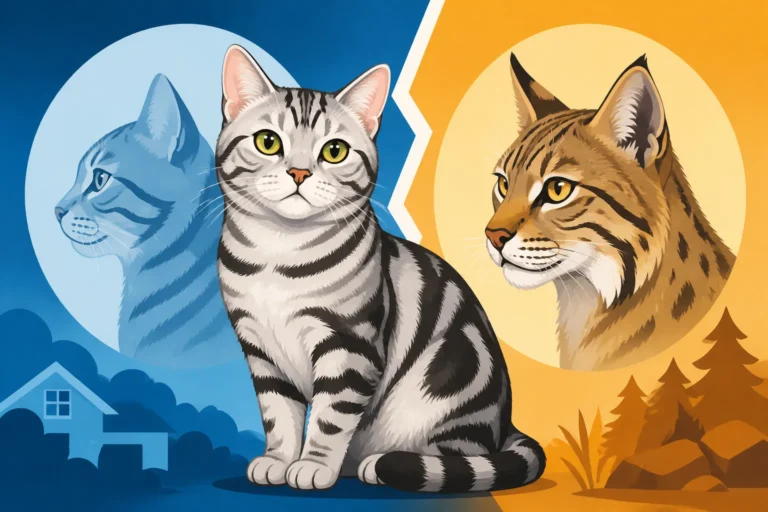
One of the most significant challenges for the American Shorthair breed, despite its pedigree status, is that it can bear a striking resemblance to many domestic shorthair cats. After all, its ancestors were the hardy domestic working cats of North America! This often leads to the question: why pay for an American Shorthair when a shelter cat looks so similar? This is where the silver tabby steps in as a powerful differentiator. While there are silver tabby domestic shorthairs, the quality and clarity of the pattern on a well-bred American Shorthair silver tabby are often superior and more consistent according to the breed standard.
The crispness of the markings, the purity of the silver, and the overall robust conformation of a pedigree American Shorthair help it stand apart. When you encounter a truly magnificent silver tabby American Shorthair, there’s an immediate impression of quality and intentional breeding. This distinct visual identity allows the breed to carve out its own niche in the minds of cat lovers, offering a clear answer to the question of its value. It helps people understand that while it shares its roots with common house cats, the American Shorthair, particularly in its iconic silver tabby form, offers specific, predictable traits in appearance and temperament. If you're wondering How to Tell an American Shorthair From a Random Bred Tabby, the silver tabby pattern often provides the clearest example of pedigree distinction.
| Characteristic | Silver Classic Tabby American Shorthair | Other American Shorthair Colors/Patterns | Domestic Shorthair (Silver Tabby) |
|---|---|---|---|
| Base Coat | Clear, sparkling silver | Varied (e.g., brown, red, blue, cream) | Often less clear, can have rustiness |
| Pattern Color | Dense, well-defined black | Varied (e.g., brown, blue, red) | Can be less dense, faded |
| Pattern Clarity | Bold, distinct "bullseye" swirls | Equally clear for its pattern type | Often less distinct, muddier patterns |
| Eye Color | Predominantly green or hazel | Varied (gold, copper, green, blue) | Highly varied, less consistent |
| Body Type | Robust, muscular, well-balanced | Consistent breed standard body type | Highly varied, can be slender or cobby |
| Show Popularity | Very high, iconic breed representative | Strong, but silver tabby often dominates | Not recognized in pedigree shows (as DSH) |
Perceived Value and Desirability
The appeal of the silver tabby American Shorthair goes beyond just good looks; it taps into deeper psychological aspects of value and desirability. For many, this specific coloration isn't just attractive – it represents the ideal, the benchmark against which all other American Shorthairs are measured.
The Psychology of a Recognizable Pedigree
There's a fascinating psychological phenomenon at play when it comes to recognizable pedigrees. People are often drawn to what they know and can easily identify as "the real thing." The silver tabby, having become synonymous with the American Shorthair, benefits immensely from this. When someone sees that classic silver tabby pattern, there's an immediate association with the breed's reputation for health, good temperament, and a reliable pedigree. This inherent recognition creates a sense of trust and perceived quality.
This translates directly into desirability. For many seeking a purebred cat, the silver tabby offers a tangible, visible proof of pedigree. It's a statement, a commitment to a specific breed known for its admirable qualities. It often alleviates the common concern of Why Pay for an American Shorthair That Looks Like a Shelter Cat, because the silver tabby provides such a clear and often elevated visual distinction. This strong brand identity allows the American Shorthair to command the attention and appreciation it deserves in the competitive world of purebred cats.
Why Breeders Focus on the Silver Tabby
From a breeder's perspective, focusing on the silver tabby makes perfect sense. The high demand for this coloration means that kittens with excellent silver tabby markings are often the most sought-after and can command premium prices. This sustained interest drives breeders to dedicate significant effort to producing silver tabbies that not only meet but exceed the breed standard in terms of pattern clarity, silver purity, and overall conformation. It’s a rewarding challenge, both aesthetically and financially.
Furthermore, success in the show ring often comes more easily to well-developed silver tabbies because of their stunning visual impact. A champion silver tabby not only enhances the reputation of its cattery but also further elevates the desirability of this specific color within the breed. This cycle of demand, focused breeding, and show success reinforces the silver tabby’s position at the pinnacle of American Shorthair popularity. It’s why Why a Silver Tabby American Shorthair Costs Most is a common question, reflecting its high status.
Bridging the Gap Between Pedigree and "Regular" Cats
One of the unique challenges for the American Shorthair is its resemblance to the ubiquitous domestic shorthair. For someone unfamiliar with pedigree cats, it might be difficult to understand What an American Shorthair Pedigree Buys That a Free Tabby Does Not. The silver tabby acts as a crucial bridge here. Its striking appearance makes it undeniably "special," even to those who might initially dismiss all shorthaired tabbies as similar. It offers a tangible reason to choose a pedigree cat, moving beyond the superficial "looks like my cat" perception.
The clarity of the silver tabby pattern, combined with the breed's robust build and predictable temperament, helps communicate the value of a registered pedigree. It demonstrates the years of selective breeding that have gone into creating a cat with specific, desirable traits, ensuring consistency in appearance, health, and personality. This distinctiveness helps potential owners understand that they are not just getting a cat, but a carefully curated companion with a known background and a heritage of excellence.
Care, Health, and Temperament: Are Silver Tabbies Different?
It's natural to wonder if a cat's stunning coloration, like the silver tabby, comes with any unique care requirements, health predispositions, or temperament quirks. The good news for admirers of the American Shorthair is that their silver tabby coats are primarily a matter of aesthetics, built upon the same robust foundation as any other American Shorthair.
Coloration and Health: No Special Risks Here
When it comes to the health of an American Shorthair, the color of its coat, whether it's a brilliant silver tabby or a warm brown, generally has no bearing on its overall well-being. The breed is known for its hardy nature and general good health, a testament to its landrace origins as a working cat. There are no known health conditions specifically linked to the silver tabby gene or pattern. Any health concerns that might arise are breed-wide considerations, not color-specific ones. For instance, like many cat breeds, American Shorthairs can be susceptible to conditions like hypertrophic cardiomyopathy (HCM), but a silver tabby is no more or less likely to develop it than a blue solid or a red tabby.
Owners of silver tabbies can rest easy knowing that their cat's striking appearance doesn't come with any hidden genetic health risks related to their specific color. Instead, focus should always be on reputable breeding practices, comprehensive health screening for parents, and regular veterinary check-ups for the cat itself, regardless of its coat. Learning about Which Diseases the American Shorthair Actually Carries is important for any American Shorthair owner, irrespective of color.
Temperament: A Breed Trait, Not a Color Trait
One of the most appealing aspects of the American Shorthair is its wonderfully placid, adaptable, and affectionate temperament. They are known for being easygoing companions who enjoy human company without being overly demanding. They fit well into a variety of households, from busy families to quiet singles, and often get along famously with children and other pets. This hallmark temperament is a breed-wide characteristic, developed over centuries of living alongside humans as useful and trusted members of the household.
Therefore, a silver tabby American Shorthair will exhibit the same lovely personality traits as any other color American Shorthair. Their calm demeanor, intelligence, and gentle playfulness are inherent to the breed, not tied to their coat color. You can expect your silver tabby to be just as friendly, curious, and resilient as a brown tabby or a white American Shorthair. This makes the breed an excellent choice for first-time cat owners, as their predictable and pleasant nature reduces many common anxieties. Why an American Shorthair Suits a First Time Owner is a question answered by their consistent temperament across the spectrum of colors.
Grooming and Maintenance for a Lustrous Coat
The American Shorthair's coat, regardless of color, is wonderfully low-maintenance. Their short, dense, and slightly hard coat was historically designed to protect them from the elements during their working lives, and it continues to serve them well today with minimal human intervention. A silver tabby's coat maintains its brilliant sheen and striking pattern with very little effort from its owner. Regular self-grooming by the cat itself typically keeps it clean and tidy.
However, a little occasional grooming can go a long way in keeping that silver tabby coat looking its absolute best, especially during seasonal shedding periods. A weekly brush with a good quality slicker brush or a rubber curry comb can help remove loose hair, distribute natural oils, and reduce hairballs. Tools like the FURminator can be very effective during shedding season to keep that gorgeous silver looking pristine. You can often find a great selection of these grooming essentials at retailers like Chewy, ensuring your cat has the best to maintain that lustrous sheen. It's a simple routine that takes minimal time but maximizes the beauty of their already stunning coat. This basic grooming also helps prevent mats, although Why an American Shorthair Almost Never Mats due to its coat type is another benefit. Many owners swear by a sturdy metal comb for these cats, which can be found readily at places like Chewy.
Maintaining a healthy diet is also crucial for coat health. High-quality food provides the nutrients needed for a shiny, vibrant coat, which will only enhance the silver tabby's natural appeal. Many premium cat food brands available on Chewy offer formulas specifically designed to support skin and coat health, which can make a noticeable difference in the luster of that silver fur.
Disclaimer
This article is for general informational purposes only and does not constitute professional advice. Laws, prices and regulations vary by location and change over time. Consult a qualified professional for guidance on your specific situation.