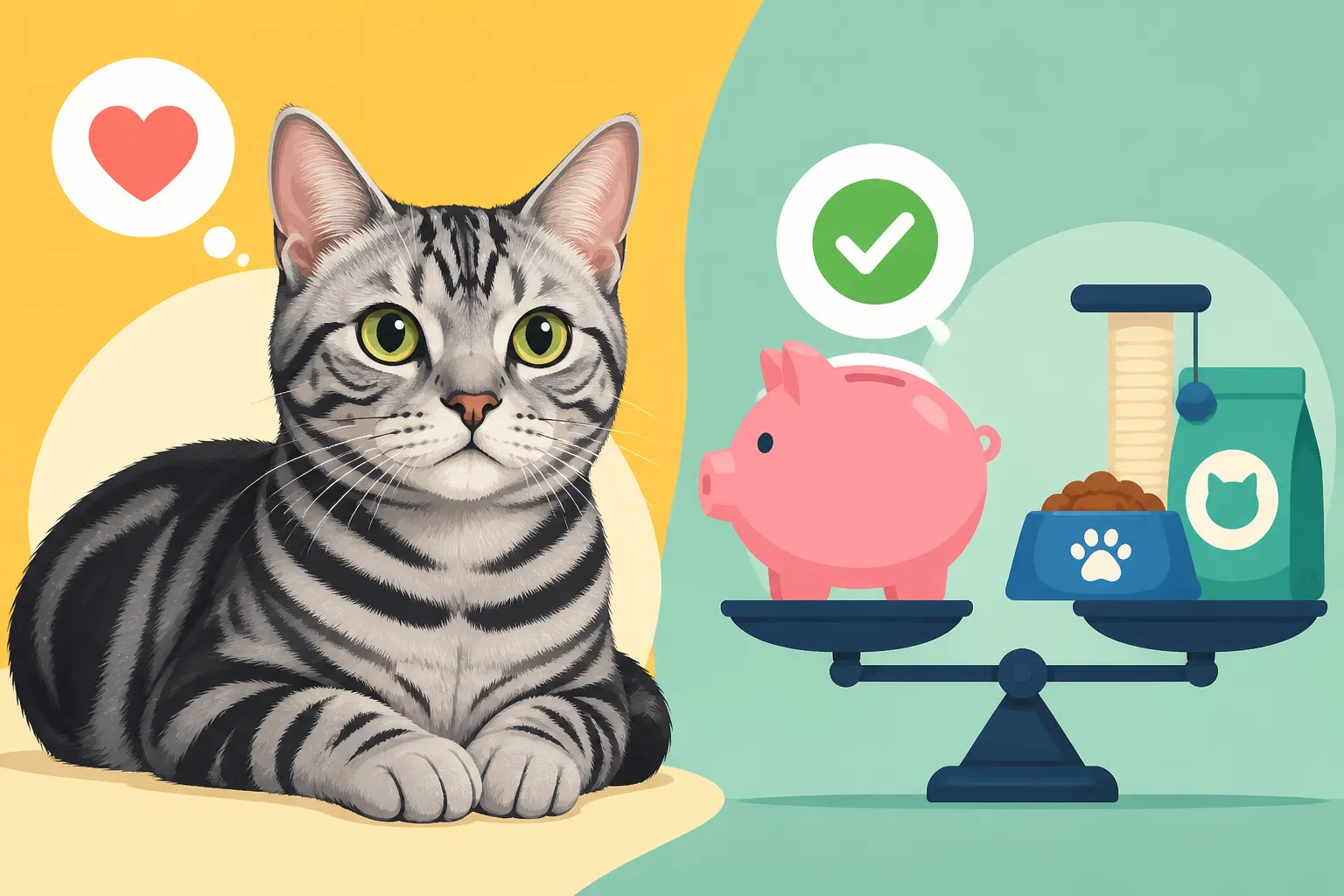
Whether an American Shorthair Fits a Modest Budget
Bringing a beloved feline companion into your home is a dream for many, but the concern of whether you can truly afford to give them a good life often looms large. For those of us considering an American Shorthair, a breed known for its robust health and easygoing nature, the question isn't just about the purchase price, but the entire financial commitment. This comprehensive guide will walk you through the real costs of owning an American Shorthair, helping you determine if this wonderful breed can indeed fit within your modest budget without compromising their well-being.
Understanding the Initial Investment for an American Shorthair
The journey of bringing an American Shorthair home begins with the initial costs, which can vary significantly. It's not just about the price tag of the cat itself, but also the essential items needed to welcome them into your life. Being prepared for these upfront expenses is crucial for any budget-conscious owner.
The Upfront Cost: Pedigree vs. Rescue
When you're looking at acquiring an American Shorthair, you'll generally encounter two main avenues: purchasing from a reputable breeder or adopting from a rescue organization. Each comes with its own financial implications.
A purebred American Shorthair kitten from a reputable breeder typically commands a higher price. These breeders invest heavily in health screenings for their breeding cats, ensuring good genetics and minimizing the risk of inherited diseases like HCM. They also provide initial vaccinations, deworming, and often a microchip, all of which contribute to the kitten's price. The cost reflects not just the kitten, but the breeder's dedication to the breed's health, temperament, and adherence to the breed standard. You're paying for predictability in terms of health, appearance, and personality. For example, a breeder might provide documentation for both parents, detailing their health clearances and registration. What a Registered American Shorthair Kitten Costs With Papers can shed more light on these aspects.
On the other hand, adopting an American Shorthair (or a cat that strongly resembles the breed) from a shelter or rescue can be a much more budget-friendly option. Adoption fees are usually considerably lower than breeder prices and often include a host of services. These services commonly cover spaying or neutering, initial vaccinations, microchipping, and sometimes even a starter bag of food. While a shelter cat might not come with the same extensive pedigree or health history as a cat from a dedicated breeder, many are loving, healthy animals looking for a forever home. Sometimes, you might find a purebred American Shorthair that has been surrendered to a rescue, offering the best of both worlds. Adopting an American Shorthair From a Shelter delves deeper into this path.
It's important to remember that a "free" cat from a friend or neighbor isn't truly free; you'll still incur all the necessary vet visits for vaccinations, spaying/neutering, and microchipping that an adoption fee often covers. These can quickly add up and sometimes exceed a reasonable adoption fee.
Initial Supplies and Vet Visits
Beyond the cost of the cat itself, there's a list of essential items you'll need to purchase before your American Shorthair comes home. These are non-negotiable for their comfort and safety.
First, a sturdy cat carrier is vital for safe transport from day one and for all future vet visits. Don't skimp here; a cheap carrier can break or not be secure enough, causing stress or even escape. Next, you'll need food and water bowls. Stainless steel or ceramic are often recommended as they are easy to clean and less likely to harbor bacteria than plastic. A litter box (or two, or three, as the rule of thumb is one per cat plus one extra) is essential, along with a scoop and a good supply of litter. Consider the size of your American Shorthair; they are a robust breed, so a large, roomy box will be appreciated. What a Box Wide Enough for an American Shorthair Costs highlights the importance of appropriate sizing.
Scratching posts and cat trees are also crucial. An American Shorthair has natural hunting instincts and a need to climb and scratch. Providing appropriate outlets for these behaviors can save your furniture and provide vital enrichment. Look for durable, stable options that can withstand a strong, muscular cat. While high-end cat trees can be expensive, there are many affordable, sturdy options available, especially from online retailers like Chewy, which often have sales. Finally, a few basic toys are needed to keep your new companion engaged and active. Simple feather wands or crinkle balls can provide hours of entertainment without breaking the bank.
Your first vet visit within a few days of bringing your cat home is also a critical initial expense. This check-up allows the vet to assess their overall health, ensure they are up-to-date on vaccinations, and discuss parasite prevention. If you adopted an unfixed cat, the spay or neuter surgery will be a significant cost. If you got your cat from a breeder, these items may already be covered or included in the purchase price, but it's always wise to confirm exactly what is and isn't included.
Navigating the Day-to-Day Expenses of an American Shorthair
Once your American Shorthair has settled in, the ongoing costs become the focus. These are the recurring expenses that you'll need to budget for monthly and annually to ensure your cat thrives. A modest budget means being smart and intentional about these regular outlays.
Food and Nutrition: Quality on a Budget
Feeding your American Shorthair a high-quality, nutritious diet is one of the most significant ongoing expenses, but it's also an area where investing wisely can prevent more expensive health problems down the road. American Shorthairs are naturally muscular and can have a good appetite, stemming from their working cat heritage. Why an American Shorthair's Appetite Outlasted Its Job explains this trait beautifully.
You'll want to choose a food that is appropriate for their age, activity level, and any specific health needs. Many owners find a balance between dry kibble and wet food. Wet food can be excellent for hydration and satiety, while dry kibble can be more cost-effective. Don't fall for the trap that only the most expensive boutique brands are good; many well-regarded, mid-range brands offer excellent nutritional profiles. Reading labels for protein content and avoiding excessive fillers is key. Brands like Purina Pro Plan, Royal Canin, or even some of the more premium house brands from Chewy can provide good nutrition.
Portion control is absolutely vital, especially for an indoor American Shorthair who might not burn as many calories as their ancestors did. Overfeeding can quickly lead to obesity, which brings its own host of health problems and vet bills down the line. Using a measuring cup for kibble and sticking to recommended serving sizes will help manage costs and your cat's weight. How Much a Working Framed American Shorthair Should Eat offers great insights into portioning. Some owners even explore subscription services that provide fresh, customized meal plans. While potentially pricier upfront, some find it pays off in long-term health benefits, potentially reducing vet visits. However, for a modest budget, careful selection of widely available commercial foods is often more realistic.
Litter and Essential Supplies
Litter is another non-negotiable, recurring expense. The cost can vary widely depending on the type of litter you choose – clay, silica gel, corn, wood pellets, etc. Clumping clay litters are very popular and can be cost-effective in the long run because you remove waste rather than changing the entire box frequently.
Beyond litter, you'll periodically need to replace scratching posts and toys as they wear out. Cats love variety, but you don't need to constantly buy new things. Rotate toys to keep interest high, and look for sales or multi-packs. DIY toys, like crinkled paper balls or cardboard boxes, are often just as entertaining and cost nothing. Grooming supplies for an American Shorthair are minimal, given their easy-care coat. A simple comb or brush is usually all you need to help manage shedding. The One Grooming Tool an American Shorthair Owner Buys is a helpful resource.
Enrichment and Play: Keeping Costs Down
An American Shorthair is an intelligent, active cat, and providing mental and physical enrichment is crucial for their well-being. This doesn't have to be expensive. Many items you already own can be repurposed for play. Cardboard boxes make excellent forts and scratching surfaces. Crinkled paper, bottle caps (ensure they're safe and won't be swallowed), or even a discarded shoelace can be endlessly fascinating.
Wand toys are fantastic for simulating the hunt, and while the "wand" part is usually durable, the feathered or fabric attachments can be replaced cheaply. Puzzle feeders are another great investment. Instead of just putting food in a bowl, a puzzle feeder makes your cat "work" for their meal, engaging their natural hunting instincts and slowing down their eating. You can even make DIY puzzle feeders from toilet paper rolls or plastic bottles. Whether a Puzzle Feeder Replaces an American Shorthair's Hunt highlights the benefits.
For vertical space, consider repurposing old shelves or sturdy furniture with carpet scraps or sisal rope to create climbing opportunities. A sunny windowsill is also a priceless form of entertainment, allowing your American Shorthair to observe the world outside, satisfying their patrol instincts. Remember, interaction with you is often the best enrichment of all – a few minutes of dedicated play can be more valuable than a room full of expensive toys.
Preparing for the Unexpected: Health and Long-Term Costs
Even with a naturally healthy breed like the American Shorthair, unexpected medical expenses can arise, especially as they age. A modest budget requires planning for these possibilities.
Routine Vet Care and Preventative Measures
Regular veterinary check-ups are paramount for preventative care. For adult American Shorthairs, an annual check-up is usually recommended. This allows your vet to catch potential issues early, maintain vaccinations, and provide parasite control. Early detection of health problems can save a significant amount of money in the long run by preventing conditions from becoming more severe and costly to treat. How Regularly a Healthy American Shorthair Still Needs Checking offers more details.
As your American Shorthair enters their senior years, around age 10-12, routine vet visits may become more frequent, often twice a year. Senior panels, which include blood work and urinalysis, become more important to monitor organ function and detect age-related diseases like kidney disease, hyperthyroidism, or diabetes. These tests cost more than a standard check-up, so it's wise to factor them into your long-term budget. Caring for an American Shorthair Past Twelve provides excellent guidance on senior care.
Preventative measures like regular flea, tick, and heartworm medication are also ongoing costs, but they are far less expensive than treating an infestation or the diseases these parasites carry. Discuss the best options for your cat with your vet, especially if your American Shorthair spends any time outdoors.
The Importance of Pet Insurance or a Savings Fund
For American Shorthair owners on a modest budget, pet insurance or a dedicated emergency savings fund is not a luxury; it's a necessity. While American Shorthairs are generally healthy, no cat is immune to illness or injury. A sudden emergency, like a urinary blockage (more common in males, see Why a Male American Shorthair's Urethra Blocks First), an accidental injury, or the development of a chronic condition like diabetes or heart disease, can result in vet bills ranging from hundreds to thousands of dollars.
Pet insurance, from providers like Healthy Paws, can help mitigate these costs by reimbursing a percentage of eligible veterinary expenses after your deductible is met. It can provide immense peace of mind, allowing you to make decisions based on the best care for your cat rather than agonizing over the cost. Premiums vary based on your cat's age, breed, and location, but even a basic accident and illness policy can be a lifesaver. It's often worth exploring different plans and deductibles to find one that fits your budget. Whether Insurers Price the American Shorthair Low can help you understand the potential savings with this breed.
If pet insurance isn't feasible, creating a dedicated "cat emergency fund" is the next best option. Even putting aside a small amount each month, perhaps $20-$50, can build up a significant buffer over time. This fund can be a separate savings account that you only tap into for your cat's unexpected medical needs.
| Category | Typical Cost Range (Initial) | Typical Cost Range (Monthly/Annual) | Notes |
|---|---|---|---|
| Acquisition | $50 – $1,500+ | N/A | Rescue (lower end) vs. Breeder (higher end). |
| Initial Vet Care | $100 – $400+ | N/A | Exam, vaccinations, deworming, microchip. Spay/neuter adds significantly if not included. |
| Initial Supplies | $100 – $300+ | N/A | Carrier, bowls, litter box, scoop, starter litter, toys, scratching post/tree. |
| Food & Treats | N/A | $30 – $80+ | Depends on brand, wet vs. dry, and portion size. Can be higher for specialty diets. |
| Litter | N/A | $15 – $30+ | Depends on brand, type, and number of litter boxes. |
| Routine Vet Care | N/A | $100 – $300 (annual) | Annual check-up, booster shots, parasite prevention. Senior cats may need more frequent and expensive visits. |
| Pet Insurance/Savings | N/A | $20 – $50+ | Monthly premium for insurance or contribution to an emergency fund. Crucial for unexpected costs. |
| Miscellaneous | N/A | $10 – $30+ | Replacement toys, grooming tools, cat sitter/boarding (if needed). |
Managing Senior Care Costs
As an American Shorthair approaches their golden years (typically starting around age 12), their care needs often change, and costs can increase. Senior cats are more prone to conditions like arthritis, kidney disease, dental issues, and hyperthyroidism. These conditions often require ongoing medication, specialized diets, or more frequent veterinary monitoring.
For example, a cat with arthritis might need daily joint supplements or pain medication. A cat with kidney disease might require a prescription diet, which can be more expensive than regular cat food. Dental cleanings become more critical as cats age, and extractions can add significantly to the cost. Why an American Shorthair Loses Teeth Nobody Noticed highlights how often these issues can go unnoticed.
While these costs can seem daunting, there are ways to manage them. Many vets offer senior wellness packages that bundle services at a slightly reduced rate. Shopping for generic medications when available can also help. And if you have pet insurance, ensure your policy covers chronic conditions and senior care. Regular monitoring at home for changes in appetite, thirst, mobility, or litter box habits can also help you flag issues early, potentially reducing the severity and cost of treatment.
Smart Strategies for American Shorthair Owners on a Budget
Owning an American Shorthair doesn't mean you have to break the bank. With a little resourcefulness and smart planning, you can provide a loving, healthy home even on a modest budget.
DIY Solutions and Resourcefulness
One of the best ways to save money is to embrace a DIY mindset where appropriate. Many cat toys can be made at home from items you already have. A strong cardboard box can become an exciting tunnel or scratching surface. Old t-shirts or fleece blankets can be cut into strips and braided into "prey" for playtime. Empty paper towel rolls can be stuffed with treats to create a simple puzzle feeder.
When it comes to scratching posts, if a store-bought one is too expensive, consider wrapping a sturdy piece of wood or a furniture leg with sisal rope, securing it well. This provides a satisfying scratching surface that's often more durable than some commercial options. Which Post Lets an American Shorthair Condition Its Claws explains good scratching post choices.
Look for sales and discounts on essentials like food and litter. Buying in bulk can sometimes save money, but only if you have adequate storage and your cat actually likes the product. Online retailers like Chewy often have auto-ship options that come with a discount, or you can sign up for loyalty programs. Clipping coupons or looking for manufacturer rebates can also add up over time.
Don't overlook secondhand options for non-consumables. A gently used cat tree or carrier from an online marketplace or thrift store can be a fantastic find, just make sure to clean and sanitize it thoroughly before introducing it to your cat.
Seeking Community Support and Discounts
Sometimes, managing a pet on a budget means tapping into community resources. Many local animal shelters and humane societies offer low-cost vaccination clinics, spay/neuter programs, or even financial assistance for pet owners facing hardship. Don't be afraid to reach out and inquire about these services if you're struggling. These organizations want to keep pets in loving homes and often have programs to help.
Your veterinarian might also be a valuable resource. Talk openly with them about your budget concerns. They may be able to suggest less expensive treatment options, generic medications, or payment plans for significant expenses. Some vets offer loyalty programs or wellness plans that spread the cost of routine care over monthly payments, making it more manageable.
Online communities and local pet groups can also be excellent sources of advice for budget-friendly pet care, from where to find the best deals on food to tips for DIY enrichment. Sharing resources and experiences with other cat owners can provide creative solutions you hadn't considered. Ultimately, providing a good life for your American Shorthair on a modest budget is achievable with careful planning, smart choices, and a willingness to seek support when needed.
Disclaimer
This article is for general informational purposes only and does not constitute professional advice. Laws, prices and regulations vary by location and change over time. Consult a qualified professional for guidance on your specific situation.