Whether a Poorly Marked American Shorthair Costs Less
It's a common misconception that all pedigree cats must look absolutely perfect, like the ones you see gracing magazine covers or winning awards at cat shows. When you're dreaming of bringing home an American Shorthair, you might wonder if a cat with markings that don't quite hit the "ideal" standard would actually come with a different price tag. This guide dives deep into the fascinating world of American Shorthair pricing, specifically addressing whether those little deviations from the breed standard can save you some money – or if it's all just a breeder's secret handshake.
Understanding the American Shorthair Standard and Markings
When we talk about an American Shorthair's "markings," we're really talking about its coat pattern and color in relation to the official breed standard set by organizations like the Cat Fanciers' Association (CFA). These standards are incredibly detailed, outlining everything from ear placement and eye shape to the exact definition of a "classic tabby" pattern. For a pet owner, these intricate details might seem a little overwhelming, but for a breeder, they're the blueprint for breeding top-tier cats.
What Makes an American Shorthair Markings "Good" or "Poor"?
A "good" marking, in the eyes of a show judge or a dedicated breeder, is one that adheres as closely as possible to the written breed standard. Take the famous Silver Classic Tabby, for example. The standard calls for clear, dense black markings on a pure, glistening silver background, with a distinct "bullseye" pattern on the sides, an "M" on the forehead, and well-defined lines. If a cat deviates from this—perhaps the silver background isn't quite pure, or the black markings are "muddy" or "broken," or the bullseye isn't perfectly symmetrical—these are considered faults.
"Poorly marked" simply means that the cat has one or more of these deviations from the ideal. It doesn't mean the cat is unhealthy, less loving, or any less of an American Shorthair at heart. It just means it wouldn't score high marks in a show ring. Imagine a beautiful painting, but with a slight smudge in one corner. It's still a beautiful painting, but a connoisseur might point out the smudge. This is often the case with a "poorly marked" American Shorthair. Their temperament, robust health, and the very characteristics that define the breed, like their sturdy build and gentle nature, remain intact. What an American Shorthair Looks Like by the Standard gives a comprehensive overview of these traits.
The Role of Breed Standards in Pricing
Breed standards exist to maintain the integrity and unique characteristics of a breed. For breeders, adhering to these standards is a source of pride and a measure of their breeding program's success. When they breed cats that consistently meet or exceed the standard, they are upholding the breed's legacy. Cats that are show-quality, meaning they perfectly embody the breed standard, are naturally valued higher because they represent the pinnacle of what the breed is supposed to be. These cats are often destined for the show ring or for future breeding programs, where their flawless genetics and appearance command a premium.
For a pet owner, however, the intricacies of a show standard often don't matter nearly as much as the cat's personality, health, and general appearance. A slightly asymmetrical tabby pattern or a "ghost marking" (faint markings where they shouldn't be) won't impact how much joy that cat brings into your home. These minor cosmetic flaws are exactly what can sometimes lead to a lower purchase price, making a pedigree American Shorthair more accessible to families who simply want a wonderful companion.
The Price Spectrum: How Markings Influence Cost
The price of a purebred American Shorthair can vary significantly, and markings definitely play a role, but it's crucial to understand for whom these variations matter most.
For Show and Breeding Prospects
When a breeder evaluates a kitten, they're looking at its potential. If a kitten has impeccable markings, a perfect head shape, and an overall conformation that closely matches the breed standard, it might be designated as a "show quality" or "breeding quality" cat. These cats are intended to be future champions or to contribute to the breed's genetic pool, ensuring the continuation of desired traits. Consequently, their price will reflect this high potential. They come with all the necessary registration papers, health screenings, and often, a contract that outlines breeding rights or show commitments. The cost can be considerably higher, sometimes even several times that of a pet-quality kitten from the same litter. Breeders invest a great deal of time, effort, and money into achieving these standards, from carefully selecting breeding pairs to regular veterinary checks, including specialized screenings like heart scans to rule out conditions such as HCM. What an American Shorthair Breeder Should Have Screened is a useful resource here.
For Companion Pets
Most people looking for an American Shorthair are simply searching for a loving companion, not a show winner. This is where "poorly marked" or "pet quality" cats truly shine and often come with a more appealing price point. A "pet quality" American Shorthair is a purebred cat that might have a slight imperfection in its markings, or perhaps its ear set isn't quite perfect for the show ring, or its tail length is a little off the ideal. These are purely cosmetic deviations that do not impact the cat's health, temperament, or overall delightful nature.
A breeder will typically spay or neuter these kittens before they go to their new homes, or they will require the new owner to do so by a certain age, often as part of a spay/neuter contract. This ensures that these cats, while still purebred American Shorthairs, are enjoyed for their companionship rather than used for breeding, especially if they carry non-standard traits.
The difference in price can be substantial. For example, a pet-quality kitten from a reputable breeder might cost significantly less than its show-quality sibling. This makes pedigree ownership more attainable for many families. It's a win-win: the breeder places a wonderful cat in a loving home, and the owner gets to experience the joy of an American Shorthair without paying top dollar for features they might not even notice or care about. It's worth exploring What a Registered American Shorthair Kitten Costs With Papers to get a better sense of the various price points.
| Factor Affecting Price | "Poorly Marked" Pet Quality | Show/Breeding Quality |
|---|---|---|
| Markings | Deviates from breed standard | Perfectly matches standard |
| Conformation | Minor deviations | Closely matches standard |
| Purpose | Companion animal | Show, breeding prospect |
| Registration | Usually provided (non-breeding) | Full breeding/show rights |
| Health Screens | Same high standard | Same high standard |
| Spay/Neuter | Often required/performed | Not usually required initially |
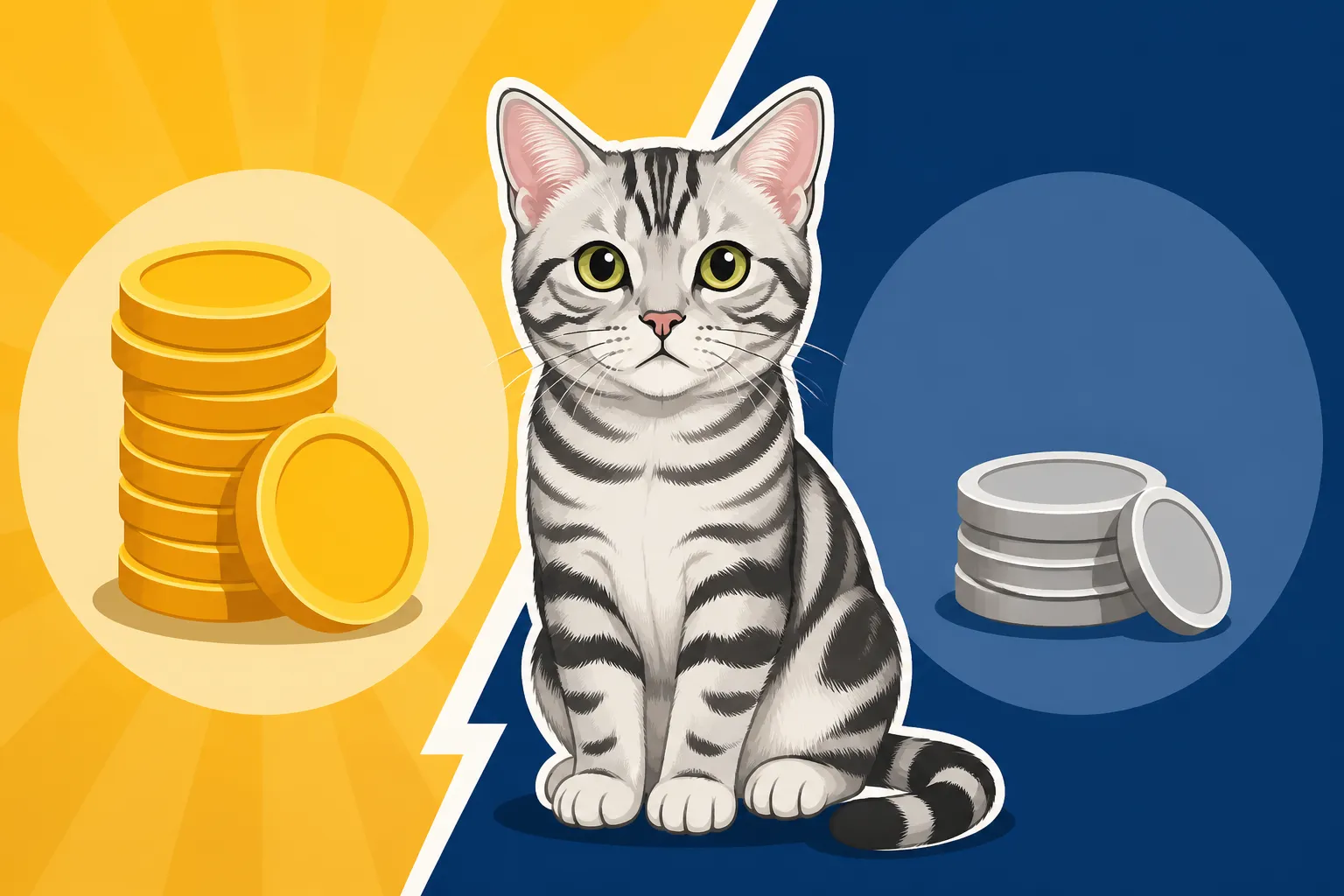
| Price | Lower | Higher |
| Availability | More common for general public | Less common, breeder networks |
Beyond Markings: Other Factors Affecting American Shorthair Pricing
While markings certainly influence the price, they are far from the only factor. A myriad of other elements contribute to the final cost of an American Shorthair kitten or adult cat.
Breeder Reputation and Experience
A highly reputable breeder, one with years of experience, a consistent history of producing healthy, well-socialized kittens, and a strong commitment to the breed standard, will naturally command higher prices. These breeders invest heavily in their cats, from champion bloodlines to extensive health testing for inherited conditions like Hypertrophic Cardiomyopathy (HCM) which, though rare, can affect the breed. How Rare HCM Is in an American Shorthair provides context on this. They provide excellent nutrition, early socialization, and often have waiting lists for their kittens. You're not just paying for the kitten; you're paying for the breeder's expertise, ethical practices, and the peace of mind that comes with knowing your cat has had the best possible start in life. Conversely, a less experienced or "backyard" breeder might offer lower prices, but often at the expense of proper health screening, socialization, or adherence to breed standards. This can lead to unforeseen health issues or behavioral problems down the line, ultimately costing you more in vet bills or training.
Bloodlines and Pedigree
The lineage of an American Shorthair plays a significant role in its price. Kittens from champion bloodlines, where parents or grandparents have achieved prestigious titles in cat shows, will typically be more expensive. This is because these bloodlines indicate a consistent adherence to the breed standard, strong genetics, and often a proven track record of health and temperament. The pedigree itself, detailing generations of registered American Shorthairs, is a valuable document that attests to the cat's purebred status. Which Generations an American Shorthair Pedigree Must Show highlights the importance of this historical documentation.
Location, Demand, and Time of Year
Prices can also fluctuate based on geographic location and regional demand. In areas with fewer reputable breeders or higher demand for pedigree cats, prices might be elevated. Similarly, certain times of the year might see more kittens available, potentially influencing pricing. For instance, if a breeder has a larger litter than anticipated, they might be more willing to offer a slightly reduced price for pet-quality kittens to ensure they all find loving homes in a timely manner. The general economic climate can also have a subtle effect on demand and pricing.
Age of the Cat
While most people seek out kittens, sometimes adult American Shorthairs become available, perhaps from retired breeding cats or show cats, or even from owners who can no longer care for them. These adult cats are often priced lower than kittens, despite being fully trained, socialized, and having established personalities. This can be an excellent option for someone looking for a more mature, settled companion without the intensive puppy-like phase of a kitten. They still offer all the wonderful traits of the breed, like their calm demeanor and self-sufficiency, as discussed in Why an American Shorthair Suits an Older Owner.
What the Price Includes
It's also essential to understand what's included in the price. A reputable breeder's price typically covers:
- Veterinary care: Initial health checks, vaccinations, deworming.
- Spay/Neuter: Often performed before placement or included in the contract terms.
- Microchipping: For identification and safety.
- Registration papers: Proof of pedigree from organizations like CFA or TICA.
- Health guarantee: A contract that protects you against certain genetic health issues.
- Kitten starter pack: Food samples, toys, and informational materials.
- Lifetime support: A good breeder will be available to answer questions and offer advice throughout your cat's life.
When comparing prices, make sure you're comparing apples to apples. A seemingly cheaper cat might not include these vital components, leading to higher costs down the road.
Making the Decision: Is a "Poorly Marked" American Shorthair Right for You?
Choosing to bring an American Shorthair into your life is a big decision, and understanding the nuances of pricing, especially regarding markings, can help you make an informed choice.
The Beauty of Imperfection
For many prospective cat owners, a "poorly marked" American Shorthair is an absolute gem. These cats offer all the same wonderful qualities as their perfectly marked siblings: the calm, adaptable temperament, the sturdy build, the low-maintenance coat, and the loving nature that makes the breed so popular. You get the benefit of a well-bred cat from a responsible breeder, often at a more accessible price point. The slight deviation in their pattern simply adds to their unique charm and individuality.
Consider the classic tabby pattern. If your cat has a "broken" bullseye or a less defined "M" on its forehead, does it make it any less adorable when it rubs against your leg for attention? Absolutely not! These minor aesthetic variations are superficial and do not impact the cat's health, longevity, or ability to form a deep bond with you. In fact, some might argue that these unique markings make your cat even more special, a one-of-a-kind treasure.
Focusing on Temperament and Health
When selecting any cat, especially a purebred, the primary focus should always be on temperament and health, not just markings. A good breeder will prioritize these above all else. They'll ensure their breeding cats are healthy, free from genetic diseases, and have stable, friendly personalities. A kitten that is well-socialized, playful, and confident, even if it has a less-than-perfect coat pattern, will make a much better companion than a perfectly marked cat with health issues or a shy, fearful disposition.
Always ask to see the parents (if possible) and observe the kittens in their environment. Look for kittens that are curious, interactive, and comfortable with human touch. Ask the breeder about their health screening protocols, especially for conditions prevalent in the breed. How Long the American Shorthair Lives Against Other Pedigrees shows why their robust health is a key advantage. Discuss their routine, diet (including any foods the breeder recommends), and how they ensure the kittens are well-adjusted. This holistic approach ensures you bring home a healthy, happy cat, regardless of its markings.
Financial Considerations and Long-Term Costs
While the initial purchase price is a factor, it's really just the tip of the iceberg when it comes to cat ownership. The long-term costs of caring for an American Shorthair will far outweigh the initial investment, whether you bought a "perfectly" marked cat or one with slight imperfections. These costs include:
- Food: High-quality cat food is essential for their health. There are various options, and this can be a significant recurring expense.
- Veterinary care: Routine check-ups, vaccinations, parasite prevention, and unexpected medical emergencies can add up. Pet insurance, like that offered by Healthy Paws, can be a lifesaver in these situations. Whether Insurers Price the American Shorthair Low can give you an idea of typical insurance considerations.
- Litter and supplies: Litter, litter boxes, toys, scratching posts, and grooming tools are ongoing expenses.
- Boarding or pet sitting: If you travel, you'll need to budget for care.
A "poorly marked" American Shorthair offers a fantastic opportunity to enjoy the benefits of a purebred cat without the premium price tag associated with show-quality animals. By focusing on a reputable breeder who prioritizes health and temperament, you can find a wonderful companion that will bring joy to your home for many years to come, regardless of the precise swirl of their tabby pattern or the exact shade of their silver coat. Ultimately, the true value of your American Shorthair will be measured in companionship and love, not in ribbons or perfect markings. How Much Less an American Shorthair Owner Spends at the Vet further illustrates the general affordability of this hardy breed.
Disclaimer
This article is for general informational purposes only and does not constitute professional advice. Laws, prices and regulations vary by location and change over time. Consult a qualified professional for guidance on your specific situation.