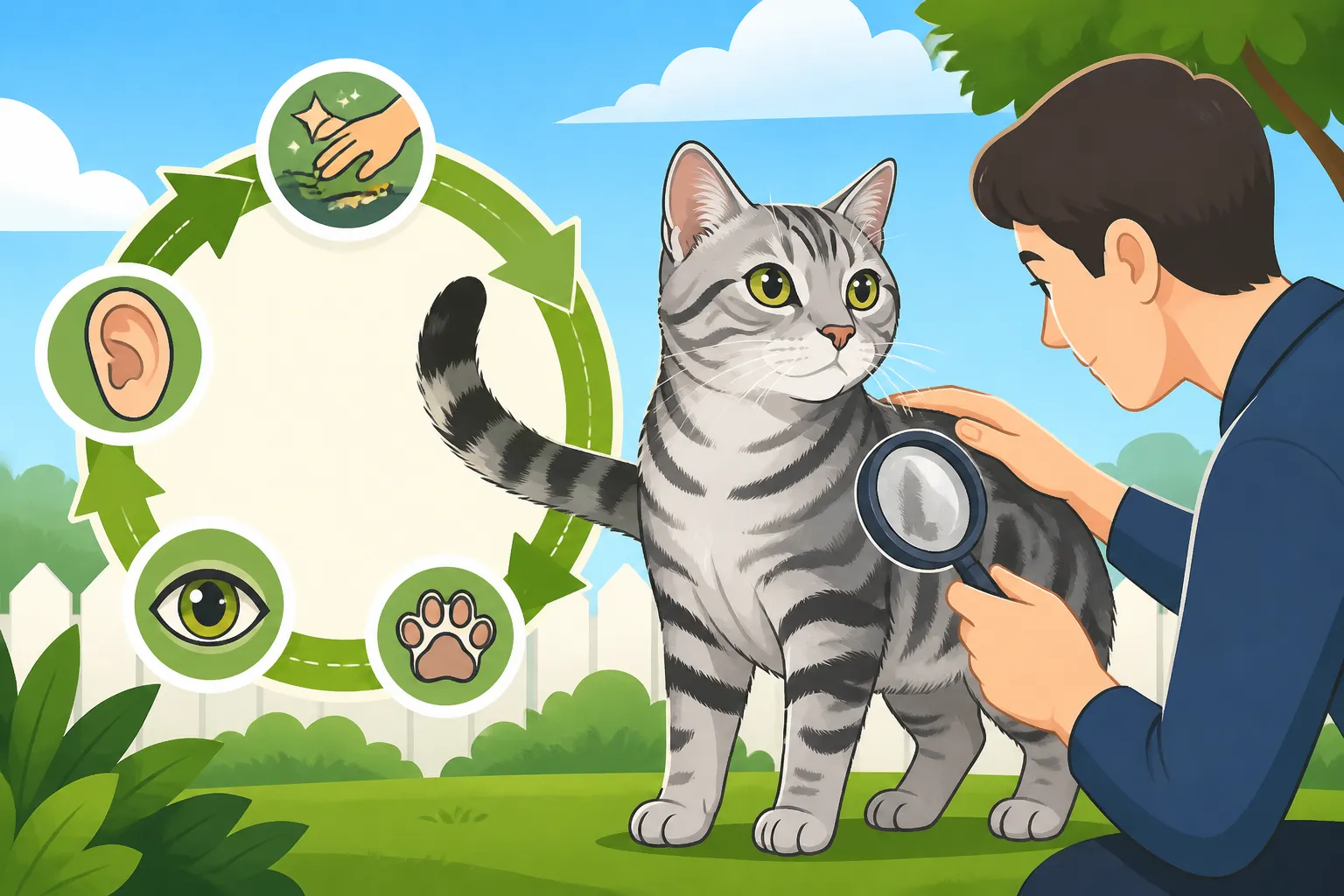
How Often an Outdoor American Shorthair Needs Checking Over
It’s a special kind of joy to watch your American Shorthair enjoy the great outdoors, chasing a leaf or confidently patrolling their territory. They are, after all, descended from working cats who thrived in nature. But with that freedom comes a unique set of responsibilities for you, their human. The truth is, an outdoor American Shorthair faces a different world of potential bumps, scrapes, and health challenges compared to their indoor counterparts, and knowing how often to check them over can feel overwhelming. This comprehensive guide will walk you through a practical routine for regularly assessing your adventurous American Shorthair, helping you spot issues early and keep them healthy.
The Daily Once-Over: Quick Checks for Immediate Concerns
When your American Shorthair saunters back through the cat flap, perhaps with an air of dignified nonchalance or a triumphant twitch of their tail, it’s not just a reunion; it's your first opportunity for a quick health check. These daily spot checks are all about looking for the obvious and the immediate, the things that scream "something's not quite right" and might need attention right away. You don't need a vet degree for these — just a keen eye and a few minutes of your time. This habit is especially important because American Shorthairs, with their historically stoic and independent nature, aren't always keen to broadcast their discomfort.
The Head-to-Tail Visual Scan
Before you even touch them, take a moment to observe your cat as they move and settle. Do they seem themselves? Is their gait fluid, or are they holding a limb oddly? A subtle limp might be easily missed if you’re not looking for it, but it could indicate an injury. Then, once they've settled, it's time for a more focused visual scan, literally from the tip of their nose to the end of their tail. Look for anything that's out of place. This might sound like a lot, but after a while, it becomes second nature. Think of it as a quick "are you okay?" check after their daily adventures.
Check their eyes for clarity, discharge, or squinting. Is there anything stuck in their whiskers? Are their ears clean, or do you see any dirt, redness, or signs of scratching? Sometimes, an outdoor cat might pick up an ear mite from another animal, which can quickly lead to irritation. Whether Ear Mites Reach an American Shorthair is something to be aware of. Gently run your hands over their head and neck, feeling for any bumps or swelling that weren't there before. Pay close attention to their mouth area – are there any cuts on their lips or chin, perhaps from tussling with a mouse? A swollen cheek could mean an abscess is forming from a scratch.
Feeling for Bumps, Scrapes, and Ticks
After the visual scan, it's time for a more tactile approach. Pet your American Shorthair from head to tail, gently feeling along their body. What you’re looking for here are any changes in their fur or skin. This breed has a dense, hard coat that can sometimes obscure small injuries or parasites, making a hands-on check essential. Whether Ticks Reach an American Shorthair Through That Coat is a common concern for outdoor cat owners, and these daily checks are your best defense.
As you pet them, feel for any new lumps or bumps. An American Shorthair, being a robust and active cat, can easily get a minor scrape or thorn embedded in their fur during a hunt or a climb. What feels like a small knot could be the start of an abscess from a cat fight, especially if it feels warm or tender. These can fester quickly, turning into a more serious problem if not caught early. Run your fingers against the grain of their fur, particularly around their ears, neck, armpits, and groin – these are common hiding spots for ticks. If you find a tick, remove it carefully and monitor the spot. Also, check their paws for cuts, thorns, or irritation between their paw pads, as these can be painful and lead to limping.
| Inspection Area | What to Look For (Daily) | Potential Issues |
|---|---|---|
| Eyes | Clear, bright, no discharge, no squinting | Conjunctivitis, foreign body, injury |
| Ears | Clean, no redness, no excessive scratching, no odor | Ear mites, infection, injury |
| Nose | Clear, no discharge, no crusting | Respiratory issues, irritation |
| Mouth/Chin | No cuts, swelling, or excessive drooling | Abscess, dental issues, injury |
| Head/Neck | No new lumps, swelling, tenderness | Cat bite, scrape, embedded object |
| Body | No limping, unusual posture, new lumps, sensitive spots | Injury, fight wound, swelling |
| Fur/Skin | No bald spots, excessive shedding, fleas, ticks, cuts, scabs | Parasites, allergic reaction, fight wound |
| Paws | No cuts, thorns, limping, swelling, tenderness | Embedded foreign body, injury, fight wound |
| Tail | No visible injuries, signs of pain when touched | Injury, bite wound |
| Behavior | Normal appetite, energy, litter box habits, vocalization | Pain, illness, stress |
The Weekly Deep Dive: More Thorough Health Assessments
While daily checks catch the obvious, a deeper weekly assessment allows you to monitor subtle changes and maintain overall health, especially for an American Shorthair that spends time outdoors. This isn't about rushing; it's about a calm, systematic inspection that goes beyond a superficial glance. Your goal is to catch issues that might be brewing beneath the surface before they become major problems. This is particularly crucial for a breed like the American Shorthair, which is known for its quiet resilience; they often won't vocalize discomfort until it's quite advanced.
Coat and Skin Health: Beyond the Surface
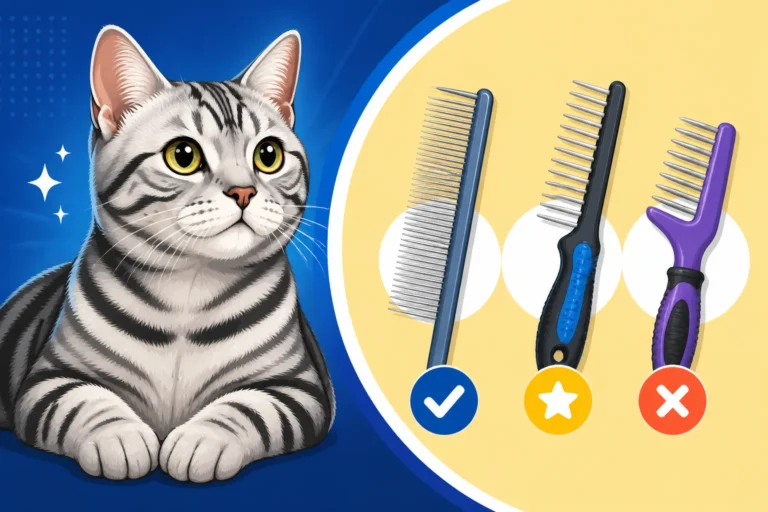
The American Shorthair's coat is a marvel – dense and protective, perfectly designed for its ancestral role as a mouser. But its thickness can also hide problems. During your weekly deep dive, take the time to really get into their fur. Use a good quality comb, specifically one designed for short, dense coats. This isn't just about removing loose hair; it's a diagnostic tool. As you comb, pay close attention to the condition of their skin underneath. Look for any dandruff, dry patches, redness, or scabs. Flea dirt, which looks like tiny black specks, can be a sign of a flea infestation, even if you haven't seen an actual flea. How Often an Outdoor American Shorthair Needs Flea Treatment is a key consideration for preventing these issues.
Inspect areas that are harder to see daily, like their belly, inner thighs, and under their "armpits." These are prime spots for parasites to hide and for skin irritations to develop, especially if your cat has been rubbing against rough surfaces or encountered allergens outside. If you notice any excessive scratching, licking, or chewing in a particular spot, investigate it closely. It could be anything from a persistent flea bite to a small wound that's starting to bother them. Remember, consistent grooming habits and checking help keep their coat in top condition and can give you an early warning system for underlying health concerns.
Dental, Ear, and Claw Care
Even though American Shorthairs are generally low-maintenance, a weekly check-in on their teeth, ears, and claws is vital, particularly for an outdoor adventurer. Their strong jaws and instinct for hunting mean their teeth are put to work, but also vulnerable to wear and tear.
- Dental Health: Gently lift their lips and examine their gums and teeth. Are the gums pink and healthy, or red and swollen? Do you notice any broken teeth, excessive tartar buildup, or bad breath? Outdoor cats are less likely to have their teeth brushed regularly, so being aware of Why Gum Disease Is the American Shorthair's Quietest Problem is important. While regular brushing might be a challenge, weekly checks can help you identify issues that warrant a vet visit.
- Ear Health: A quick look at the outer ear is part of the daily check, but weekly, take a moment to gently lift the ear flap and peer into the canal. It should be clean and odorless. Any dark waxy buildup, redness, or a foul smell could indicate an ear infection or mites. If your cat is shaking their head or scratching their ears more than usual, it's a big red flag. How Rarely an American Shorthair Gets an Ear Infection suggests they're generally robust, but outdoor exposure increases risk.
- Claw Care: For an outdoor cat, claws are essential tools for climbing, self-defense, and hunting. They'll often keep them naturally worn down by scratching on trees and rough surfaces. However, it's still worth checking them weekly. Look for any broken, cracked, or overgrown claws. Sometimes, a claw can get snagged and become painful, or if it grows too long, it can curl back and grow into the paw pad, which is incredibly uncomfortable. While Why an American Shorthair That Sharpened Its Own Claws Needs Fewer Trims is generally true, an older or less active outdoor cat might still need occasional trimming assistance.
Weight and Body Condition Assessment
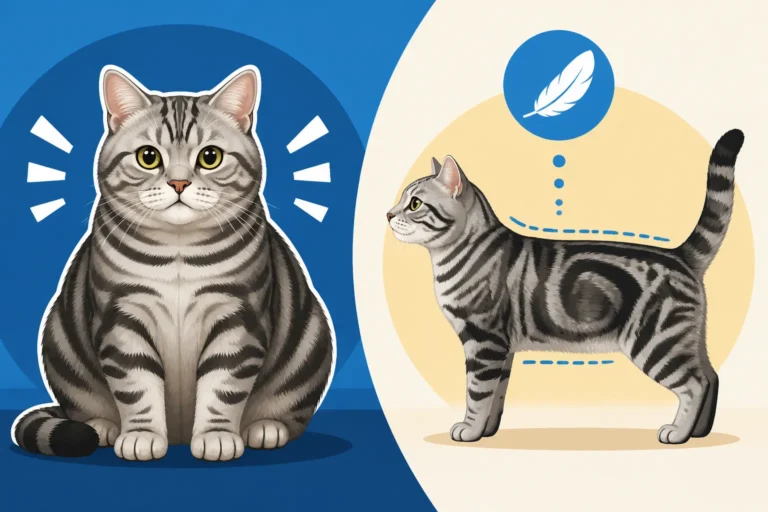
An American Shorthair is naturally a sturdy, muscular cat. But an outdoor lifestyle, coupled with their strong appetites, can sometimes lead to weight fluctuations. It’s important to monitor their body condition weekly. Run your hands along their sides. You should be able to feel their ribs with slight pressure, but not see them prominently. Their waist should be evident when viewed from above.
Outdoor cats are burning more calories, but if their hunting success wanes or their diet isn't adjusted, they can still gain weight. On the flip side, an increase in activity or underlying health issues could cause them to lose weight. Weight loss, especially unexplained, is often one of the first indicators of illness in cats. How to Spot Weight Gain on a Square Built American Shorthair can be tricky, so feeling is often more reliable than just looking. This weekly check allows you to catch trends early and adjust their diet if needed, keeping them at their optimal, muscular weight.
Monthly and Seasonal Vigilance: Adapting Care to the Environment
While daily and weekly checks are focused on immediate and ongoing maintenance, stepping back for a monthly or seasonal review allows you to consider the broader context of your American Shorthair's outdoor life. This is where you proactively address risks that fluctuate with the weather and local wildlife, ensuring your cat is protected against evolving threats.
Parasite Prevention and Deworming Schedules
Outdoor cats are inevitably exposed to a wider array of parasites than indoor cats. This is a simple reality of their adventurous lifestyle. Monthly, it's crucial to review your parasite prevention strategy. Are you using a reliable flea and tick preventative, and is it administered on schedule? Brands like Chewy and Amazon offer a wide range of options, from topical treatments to oral medications, and it’s important to choose one that’s effective for your local parasite population and your cat's specific needs.
Beyond external parasites, intestinal worms are a significant concern. Your American Shorthair's hunting instinct means they're regularly interacting with prey, which is a common source of worm infestations. Whether an Outdoor American Shorthair Needs Regular Worming is a question many owners grapple with, and the answer is usually yes. Consult your vet for a deworming schedule tailored to your cat's activity level and your region's parasite prevalence. Many vets recommend a broad-spectrum dewormer every 1-3 months for actively hunting outdoor cats. Keeping a log of when you administered preventatives and dewormers can be incredibly helpful.
Reviewing Vaccination Status and Regional Risks
A monthly or quarterly check-in on your cat's vaccination records is a good habit. For outdoor cats, some vaccinations are absolutely non-negotiable. While indoor cats might have a minimal vaccine schedule, an outdoor American Shorthair needs comprehensive protection against diseases like Feline Leukemia Virus (FeLV) and Feline Immunodeficiency Virus (FIV), especially if they interact with other unknown cats. Whether an Outdoor American Shorthair Needs FeLV Cover is a vital question to discuss with your veterinarian.
Beyond standard vaccinations, consider any specific regional health risks. Are there prevalent diseases carried by wildlife in your area? Has there been an outbreak of a particular illness? Your veterinarian is your best resource for understanding these localized threats and ensuring your American Shorthair has the necessary immunizations. This proactive approach ensures your adventurous companion is as protected as possible against the various health challenges of the great outdoors.
Seasonal Adjustments to Diet and Hydration
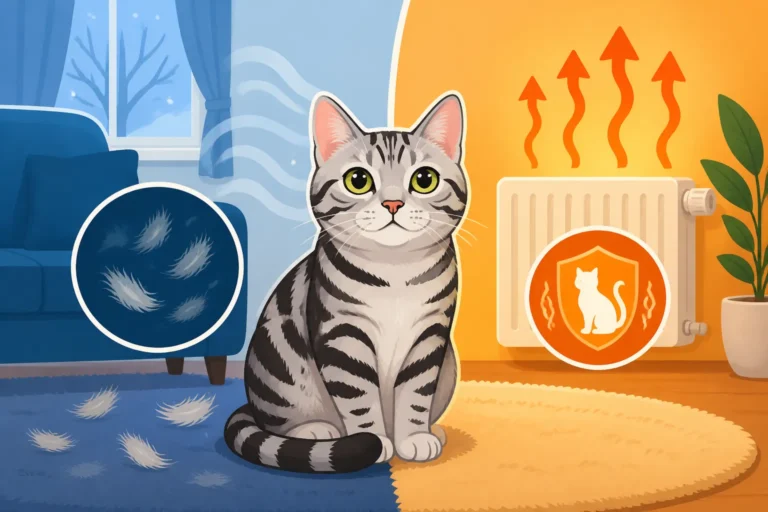
An American Shorthair's activity level and, consequently, their dietary and hydration needs can shift with the seasons. In colder months, they might expend more energy staying warm and hunting, potentially requiring a slightly higher calorie intake. Conversely, in hotter months, ensuring adequate hydration becomes paramount.
Think about how much more your cat might be moving in different seasons. Are they more active in the cooler fall, or do they become a bit more sluggish during the peak of summer? If your cat is highly active, consider supplementing their diet with high-quality, protein-rich wet food to ensure they're getting enough moisture, which is vital for kidney health. Foods with fresh, whole ingredients can support an active cat's energy needs. Even if you offer dry kibble, ensuring multiple fresh water sources, perhaps a pet fountain, can encourage drinking. How Much Water an American Shorthair Should Drink can vary, but access to clean, fresh water is always critical. Pay attention to how often they're drinking, especially in summer. Any significant change in thirst could be a sign of an underlying issue, like dehydration or even conditions like diabetes. Why a Thirsty American Shorthair Should Be Tested is a serious consideration.
Knowing When to Call the Vet: Recognizing Red Flags
Despite your best efforts with daily, weekly, and seasonal checks, sometimes things go beyond what you can manage at home. Your American Shorthair, for all their rugged independence, is still susceptible to illness and injury. Knowing when a symptom is just a passing sniffle and when it warrants a trip to the vet is a skill that comes with observation and experience, but there are definite red flags that should always prompt a call to your veterinary office.
Behavioral Changes That Signal Distress
Cats are creatures of habit, and American Shorthairs, with their generally calm and predictable demeanor, are no exception. Any noticeable change in their typical behavior should immediately grab your attention. This is often the first, and sometimes only, sign that something is amiss. Is your usually affectionate cat suddenly withdrawn or hiding more? Or, conversely, is your independent cat suddenly clingier than usual? Why a Withdrawn American Shorthair Should See a Vet is crucial; it's rarely "just a mood."
Other behavioral red flags include:
- Changes in Appetite or Thirst: A sudden decrease or increase in how much they're eating or drinking. Refusal to eat for more than 24 hours is an emergency.
- Lethargy or Decreased Activity: If your normally playful American Shorthair is suddenly quiet, sleeping more, or unwilling to engage in their usual patrol or play. Why an Old American Shorthair Slows Before It Limps highlights the subtle nature of pain in cats.
- Changes in Litter Box Habits: Straining to urinate or defecate, frequent trips to the litter box with little output, or urinating outside the box. For male American Shorthairs, straining to urinate is a life-threatening emergency. What a Straining American Shorthair Needs Within Hours cannot be overstated.
- Increased Vocalization or Hissing: An American Shorthair is not typically a highly vocal breed. If they're suddenly meowing excessively, crying, growling, or hissing when touched, it's a strong indicator of pain or distress. How Little an American Shorthair Bothers to Say means any significant vocal change should be taken seriously.
- Aggression or Irritability: If your usually placid cat suddenly becomes aggressive, even towards you, it could be a sign of pain or fear.
Physical Symptoms That Require Veterinary Attention
Beyond behavioral shifts, there are clear physical symptoms that mean your American Shorthair needs professional medical care. These are usually more overt and should prompt an immediate call to your vet.
- Limping or Inability to Bear Weight: Any obvious lameness, favoring a limb, or refusal to put weight on a paw is a clear sign of injury or pain. Even if it seems minor, a stoic cat like the American Shorthair might be experiencing significant discomfort. Why a Limp in a Stoic American Shorthair Is Never Minor underscores this.
- Visible Wounds or Abscesses: Deep cuts, puncture wounds (especially from a cat fight), or any swelling that feels hot, painful, or has discharge (pus) needs veterinary attention. Abscesses can quickly become dangerous if left untreated. How an Abscess Forms After an American Shorthair's Cat Fight details why these need swift care.
- Vomiting or Diarrhea: While an occasional hairball is normal, persistent vomiting or diarrhea, especially if accompanied by lethargy, dehydration, or blood, is a serious concern.
- Difficulty Breathing: Open-mouthed breathing, rapid shallow breaths, wheezing, or coughing are all medical emergencies.
- Pale Gums: Gums should be a healthy pink. If they are pale, white, blue, or yellow, it indicates a serious underlying problem.
- Eye or Ear Discharge: Persistent discharge from the eyes or ears, especially if it's thick, colored, or foul-smelling, requires a vet visit.
- Unusual Lumps or Swellings: While you check for these daily and weekly, any new, rapidly growing, or painful lump should be assessed by a vet to rule out more serious conditions. How to Check an American Shorthair for Lumps highlights the importance of regular palpation.
It's always better to be safe than sorry when it comes to your cat's health. If you're ever unsure, don't hesitate to call your veterinarian. They are there to help, and catching an issue early can often make a world of difference in your American Shorthair's prognosis and recovery.
Disclaimer
This article is for general informational purposes only and does not constitute professional advice. Laws, prices and regulations vary by location and change over time. Consult a qualified professional for guidance on your specific situation.