Whether an American Shorthair Sits for a Nail Trim
The thought of trimming your American Shorthair's claws can send a shiver down many a cat parent's spine. It's a task that often conjures images of wrestling matches, hissing, and frantic escapes, leaving both you and your feline friend stressed and possibly scratched. But don't despair! While an American Shorthair isn't naturally inclined to sit calmly like a well-behaved dog at a salon, with the right approach, patience, and understanding of their unique personality, you can absolutely make nail trims a manageable, even peaceful, part of your routine. This guide will walk you through how to approach nail trimming with your independent American Shorthair, offering practical tips and techniques to minimize stress and ensure paw health.
The Independent Spirit of the American Shorthair and Nail Trimming
Let's be honest, asking an American Shorthair to "sit" and patiently offer up their paws for a trim is often met with a look that clearly says, "Are you kidding me?" These cats are descendants of tough, self-sufficient working felines, and that deeply ingrained independence, while charming in many ways, means they aren't usually ones for passive cooperation, especially when it comes to something as unnatural as having their claws clipped.
Why American Shorthairs Aren't Naturally "Still"
Think about the history of the American Shorthair. Their ancestors were the ultimate pest control on ships and farms, constantly on the move, hunting, climbing, and exploring. Their claws were essential tools for survival – for catching prey, for scaling barn walls, and for defending themselves. This isn't a breed that was selectively bred to be a lap ornament from day one. That deep-seated instinct to be in control of their own bodies, to react quickly, and to assert their independence means they often resist restraint. They're not being "naughty" when they pull away; they're simply acting on centuries of genetic programming. They operate on their own terms, and that includes their personal space and physical autonomy. You might notice this in other areas too; while affectionate, they often choose when and how they want to interact, rather than constantly seeking human attention, as discussed in Why an American Shorthair Was Never Bred to Need You. Their instinct to pounce and catch, as detailed in How an American Shorthair Stalks, relies on their agility and quick reflexes, which makes holding them still feel counter-intuitive to their very nature.
The Difference Between a "Sit" and a "Tolerate"
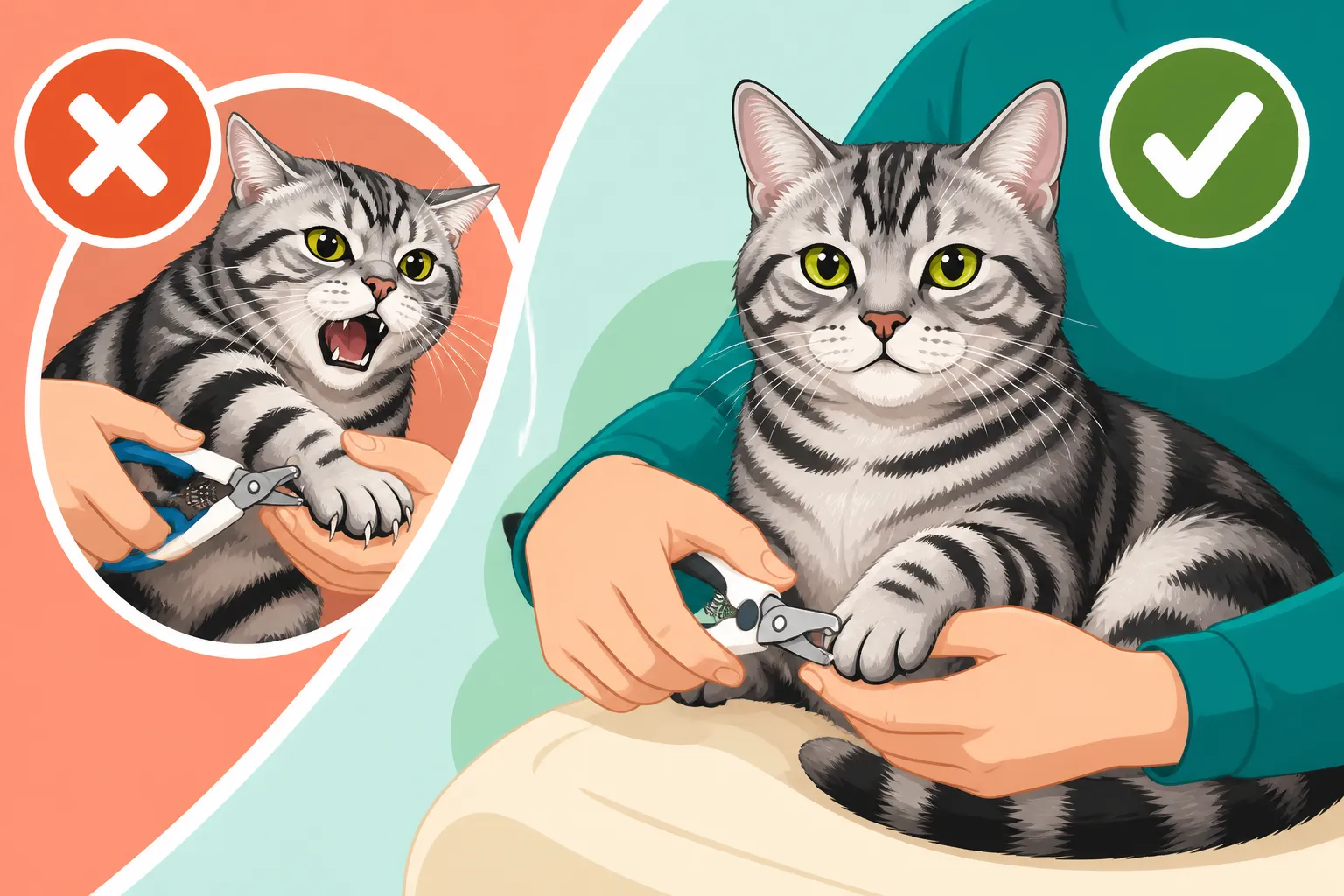
For an American Shorthair, the goal isn't usually to get them to "sit" perfectly still like a statue. It's about building enough trust and positive association that they tolerate the process. This subtle distinction is crucial for your mindset. If you go into it expecting absolute stillness, you'll likely end up frustrated. Instead, aim for short, calm sessions where your cat allows you to handle their paws and clip a nail or two, even if they're not thrilled about it. Think of it as a negotiation, not a command. You're asking for a moment of cooperation, and in return, you'll be quick, gentle, and follow up with something they truly love. Over time, with consistent positive reinforcement, that tolerance can grow into a grudging acceptance, and sometimes, even a relaxed submission. It's less about breaking their spirit and more about teaching them that this isn't a threat, but a routine that leads to good things.
Early Socialization Makes a Huge Impact
This cannot be stressed enough: if you have an American Shorthair kitten, start early! Even before you pick up the clippers, simply get them used to having their paws handled. Gently touch their toes, massage their paw pads, and extend their claws while offering tiny, high-value treats. Make it a game, a pleasant experience, never a struggle. The younger they are, the more adaptable they'll be. Imagine trying to introduce toothbrushing to an adult who's never had it done versus a kitten – it's a similar principle. This early desensitization is key, much like how you might How to Introduce Combing to an American Shorthair Kitten to make grooming easier later on. These early positive experiences lay the groundwork for a lifetime of easier nail trims. Without this foundation, adult cats are much harder to convince, and it becomes a longer process of retraining.
Strategies for a Successful American Shorthair Nail Trim
Successfully trimming your American Shorthair's claws isn't about brute force; it's about strategy, patience, and creating an atmosphere of calm confidence. You're setting the stage for cooperation, not confrontation.
Creating a Calm Environment
The environment you choose for nail trims can make or break the experience. First, pick a quiet time of day when your American Shorthair is already relaxed, perhaps after a good play session or a meal when they're a bit sleepy. Avoid times when they're full of energy or feeling particularly feisty. Choose a calm, well-lit space in your home where you both feel comfortable and there are no distractions – no loud noises, no other pets, and no sudden movements. A small, familiar room can work best, making them feel secure rather than cornered.
Before you even bring out the clippers, try to establish a routine. Maybe you always do it on a specific blanket or towel that smells familiar and comforting. Some owners find that playing calming music or using a feline pheromone spray in the area can help reduce anxiety. Just like you wouldn't want to receive a surprise manicure in a bustling airport, your cat prefers a peaceful setting for their pawicures. The goal is to make the entire process as predictable and non-threatening as possible, letting them know what to expect.
Positive Reinforcement and Desensitization
Positive reinforcement is your best friend when it comes to American Shorthairs and nail trims. It's all about making them associate the act with something good. Start by simply showing them the clippers, then giving a treat. Touch their paw, give a treat. Gently press on a toe to extend a claw, give a treat. Don't even attempt to cut a nail at first. Build up to it gradually. Once they're comfortable with their paws being handled and the sight of the clippers, you can try to snip just one nail. Immediately follow with a super high-value treat they absolutely adore – perhaps a dollop of squeeze tube cat treat, a piece of cooked chicken, or a tiny bit of their favorite wet food.
The key is consistency and not pushing too far. If you only manage one nail, that's a win! Celebrate it. You can always come back for more later, or even the next day. The idea is to keep each session short and sweet, ending on a positive note before your cat becomes agitated. Never punish or scold them for resisting; this will only create negative associations and make future trims even harder. You're trying to build a new, positive memory each time, essentially reprogramming their natural aversion into a tolerable, treat-worthy event.
The Right Tools for the Job
Having the right equipment is absolutely essential for a quick, clean, and stress-free trim. Dull clippers or clippers that don't fit your hand well can lead to clumsy cuts, split nails, or even pain, making your American Shorthair even more resistant next time.
Here's what to consider:
- Scissor-style clippers: These are often preferred by many cat owners for their precision. They look like small scissors with curved blades. They give you a good view of the nail and the quick (the pink part inside the nail).
- Guillotine-style clippers: These have a small hole where you insert the nail, and a blade slides across to make the cut. Some owners find these trickier for cats as they can obscure the quick.
- Dremel or nail grinder: For cats that absolutely refuse clippers or have very thick nails, a rotary tool designed for pet nails can be an option. However, these require their own desensitization process due to the noise and vibration.
Regardless of the style, make sure your clippers are sharp and sized appropriately for a cat's nails. You can find a wide variety of reliable options on sites like Chewy or Amazon, often with ergonomic handles for comfortable gripping. Always have styptic powder or a styptic pencil on hand, just in case you accidentally cut into the quick. This isn't a failure; it happens to even experienced groomers, but being prepared means you can stop any bleeding quickly and minimize discomfort. It’s important to select clippers that feel comfortable and safe in your hand, allowing you to make quick, confident cuts, as elaborated in Which Clippers Suit an American Shorthair.
Techniques for Safely Trimming Your American Shorthair's Claws
Even with the best preparation, the actual act of trimming can feel daunting. The goal is efficiency, safety, and maintaining your cat's trust.
The "Purrito" Method and Gentle Restraint
Sometimes, despite all your efforts, your American Shorthair simply won't hold still. This is where a gentle restraint technique, often called the "purrito" method, can be a lifesaver. It involves wrapping your cat snugly in a towel or blanket, leaving only the paw you're working on exposed. This minimizes their ability to wiggle, scratch, or escape, providing a sense of security for both of you.
Here's how to do it:
- Lay a medium-sized towel flat on a surface.
- Place your American Shorthair in the middle of the towel, facing away from you, with their head near one short edge.
- Take one corner of the towel and wrap it firmly but not tightly across their back and under their chin.
- Do the same with the other side, securing them within the towel.
- Now, gently pull out one paw at a time to trim the nails.
This method isn't about force; it's about calm, secure containment. It makes them feel safe and restricts their ability to swat or bolt. You can also try holding them gently but firmly on your lap, facing away from you, with one arm wrapping around their body. The key is to be confident and consistent in your hold, but always gentle, never causing pain or undue stress. Remember, even a generally calm American Shorthair might need a bit of gentle persuasion. If they fight too much, stop and try again later. For more tips on secure handling, consider methods similar to How to Get a Patrol Minded American Shorthair Into a Carrier.
Knowing Where to Cut and Avoiding the Quick
This is arguably the most crucial part of nail trimming: understanding cat nail anatomy to avoid causing pain. Cat claws are retractable, and they have a blood vessel and nerve called the "quick" inside. In light-colored claws, the quick appears as a pinkish area. In darker claws, it's much harder to see, which makes trimming a bit more challenging.
The rule of thumb is to only trim the very tip of the claw, the clear or white part that extends beyond the quick. If you cut into the quick, it will bleed and be painful for your cat, making them highly reluctant to let you trim their nails in the future.
Here's a step-by-step approach:
- Gently press on the paw pad to extend the claw fully.
- Identify the quick. If the claws are light, look for the pink area. If they're dark, look for the point where the nail starts to curve downwards, and only snip a tiny bit past that curve.
- Cut swiftly and confidently. Use sharp clippers to make a clean cut at a 45-degree angle, avoiding the quick.
- Repeat for each nail. Take breaks if your cat gets restless.
If you accidentally cut the quick, don't panic. Apply styptic powder (or cornstarch if you don't have styptic powder) to the tip of the nail with gentle pressure until the bleeding stops. Apologize to your cat, offer a treat, and end the session on a positive note. Learning How to Cut the Claws of an American Shorthair That Uses Them correctly is a skill that improves with practice, so don't be discouraged if it's not perfect initially.
When to Seek Professional Help
There's absolutely no shame in admitting that nail trimming is a task best left to the professionals. Many American Shorthairs, despite all your best efforts, simply won't tolerate it from their owners. If you find yourself in a constant battle, if you're consistently cutting the quick, or if your cat becomes overtly aggressive during trimming attempts, it's time to call in the cavalry.
Veterinary clinics often offer nail trimming services, and the vet techs are usually highly skilled and efficient. They can often get the job done quickly and with minimal stress for your cat, sometimes even during a regular check-up. Professional groomers are another excellent option, often having specialized tools and techniques for handling even the most resistant felines.
Consider these situations where professional help is a good idea:
- Extreme resistance: If your cat becomes fearful, aggressive, or genuinely distressed.
- Dark claws: If you can't see the quick and are worried about injuring your cat.
- Overgrown or ingrown nails: If the nails have become so long that they're curling into the paw pad, a vet might need to sedate your cat to safely address the issue.
- Your own safety: If you're getting scratched, bitten, or feel genuinely unsafe during attempts.
Remember, the goal is your cat's health and your peace of mind. If outsourcing this task makes everyone happier and healthier, it's money well spent.
Long-Term Nail Care and Overall Paw Health
Nail trims are just one part of keeping your American Shorthair's paws healthy and comfortable throughout their long life. A holistic approach, combining environmental enrichment with regular checks, ensures their paws are always ready for action.
Scratching Posts as a Natural Alternative
While trimming is necessary, providing appropriate scratching outlets is paramount for an American Shorthair. These cats have a strong instinct to scratch – it's how they mark their territory, stretch their muscles, and shed the outer layers of their claws. If you don't provide suitable alternatives, your furniture will pay the price! This behavior is a natural part of their existence, not a defiance, as reflected in the common issue of Why an American Shorthair Keeps Its Claws Conditioned on Your Sofa.
Invest in a variety of scratching posts. Different cats prefer different materials and orientations:
- Vertical posts: Tall, sturdy posts covered in sisal rope or corrugated cardboard are popular. Make sure they're tall enough for your American Shorthair to fully stretch out.
- Horizontal scratchers: These can be flat cardboard pads or sisal mats. Some cats prefer to scratch horizontally.
- Scratching ramps or angles: These offer a compromise between vertical and horizontal.
Place these scratchers in prominent areas where your cat likes to hang out or scratch already. Make them appealing with catnip or by dangling toys nearby. While scratching posts won't eliminate the need for nail trims entirely, they certainly help maintain nail health, keep them from getting too sharp, and provide a healthy outlet for natural behavior. Knowing Which Post Lets an American Shorthair Condition Its Claws is crucial for satisfying their innate need.
Regular Checks and Recognizing Issues
Beyond just trimming, regularly inspecting your American Shorthair's paws is an important part of their routine care. Aim for a quick check every week or two. This will help you catch any potential problems early before they become serious.
What to look for during your paw inspection:
- Nail length: Are the nails getting too long? Are any curling or growing into the paw pads?
- Cracked or broken nails: These can be painful and lead to infection.
- Swelling or redness: This could indicate an infection, injury, or inflammation.
- Lumps or bumps: While often benign, any new growths should be checked by a vet.
- Sores or cuts: Especially important for indoor/outdoor cats who might step on something sharp.
- Foreign objects: Check between their paw pads for thorns, burrs, or other debris.
If your American Shorthair suddenly starts limping, licking their paws excessively, or avoiding putting weight on a paw, it's a sign that something is amiss and warrants a vet visit. Being proactive with these checks means you can address minor issues before they escalate, ensuring your cat remains comfortable and active. Regular examination of their paws is as vital as any other health check, as highlighted in How Often an American Shorthair's Paws Should Be Checked.
The Link Between Activity and Nail Wear
The American Shorthair is a sturdy, active breed with a history of being on the move. Their natural activity levels can actually contribute to how quickly their nails wear down. Cats who climb, jump, and play extensively often wear down their claws more naturally than those who lead a very sedentary lifestyle. An American Shorthair that actively uses a cat tree, frequently engages in vigorous play with wand toys, or has access to a catio with climbing structures will naturally abrade their claws more. This is why it's so important to provide ample enrichment for an indoor American Shorthair.
Consider the following:
- Vertical scratching surfaces: Encourage climbing with tall cat trees and sturdy shelves.
- Interactive play: Regular play sessions with wand toys that mimic prey encourage natural hunting behaviors, which often involve using their claws for grip and pouncing.
- Puzzle feeders: Making your cat "work" for their food by batting at a puzzle can also involve more paw movement and claw engagement.
While increased activity is beneficial, it doesn't always completely negate the need for trimming, especially the dewclaws (the thumbs on the inner side of their front paws), which often don't touch the ground and therefore don't wear down naturally. But a highly active American Shorthair might need trims less frequently than a couch potato, as their vigorous life naturally helps manage some of the claw length, influencing How Fast a Climbing American Shorthair's Claws Grow Back.
Here's a quick overview of some common nail trimming concerns:
| Concern | American Shorthair Behavior & Needs | Solution / Approach |
|---|---|---|
| Resistance to Handling | Naturally independent, dislikes restraint. May pull away, swat, or vocalize. | Start early (kittenhood). Desensitize paws with gentle touches and treats. Keep sessions short. Use positive reinforcement. |
| Fear of Clippers | Suspicion of new objects, especially those that make noise or are held near their body. | Introduce clippers gradually with treats. Let them sniff and investigate. Associate clippers with positive experiences before actual trimming. |
| Accidental Quick Cuts | Easy to do, especially with dark nails, causing pain and bleeding. Leads to extreme aversion. | Use sharp clippers. Ensure good lighting. Learn nail anatomy. Trim only the very tip. Have styptic powder readily available. |
| Overgrown Nails | Can curl into paw pads, cause discomfort, infection, or alter gait. Common if trimming is neglected. | Regular checks (weekly/bi-weekly). Provide plenty of scratching posts. Regular trimming. Seek vet assistance for severely overgrown or ingrown nails. |
| Lack of Cooperation | Some American Shorthairs are simply too opinionated for at-home trims, no matter the effort. | Don't force it. Seek professional help from a vet or groomer. Prioritize your cat's comfort and your safety. Consider the "purrito" method for gentle restraint. |
| Maintaining Paw Health | Their sturdy build and active nature mean paws are vital for movement and exploration. | Offer varied scratching surfaces. Regular paw inspections. Provide opportunities for climbing and play to encourage natural nail wear. Address any issues promptly. |
Ultimately, understanding your American Shorthair's individual personality and working with, rather than against, their natural instincts will be your greatest asset in managing their nail care. It might take time and patience, but a calm, cooperative approach benefits both of you in the long run.
Disclaimer
This article is for general informational purposes only and does not constitute professional advice. Laws, prices and regulations vary by location and change over time. Consult a qualified professional for guidance on your specific situation.