Why an Old American Shorthair Stops Reaching Its Back
It’s a heart-sinking moment when you notice it: your once spry American Shorthair, a cat known for its incredible self-sufficiency and meticulous grooming, is suddenly struggling to reach that spot on its back. This isn't just about a missed patch of fur; it's a quiet signal that something deeper is changing with your beloved companion. This guide will gently explore why older American Shorthairs develop this struggle and, more importantly, what we, as their devoted human companions, can do to help them maintain their comfort and dignity in their golden years.
The Subtle Signs Your American Shorthair is Struggling with Grooming
Cats are masters of disguise when it comes to pain or discomfort. Their evolutionary history as solitary hunters taught them to hide vulnerabilities, and the stoic American Shorthair, with its practical, no-fuss nature, is particularly adept at this. Owners often don't realize their cat is struggling until the signs become quite noticeable, and by then, the underlying issue might have been present for some time. It's not a sudden breakdown, but a slow, creeping decline that can easily be missed amidst daily life.
The Gradual Loss of Flexibility
One of the first, yet often overlooked, indicators of an aging American Shorthair struggling with grooming is a subtle decrease in their flexibility. They might not stretch as far, twist as easily, or hold those contorted grooming positions for as long as they once did. You might dismiss it as simply "slowing down" or "getting old," which is true in a general sense, but it masks specific physical limitations. Perhaps you'll notice a few more dust bunnies adhering to their lower back, or a small mat forming near their tail base that they used to handle with ease.
This gradual shift is particularly tricky to spot in American Shorthairs because they aren't naturally as acrobatic or overtly expressive as some other breeds. Their movements have always been efficient and purposeful, rather than flamboyant. Therefore, a slight stiffening can just look like a less energetic version of their normal self. It takes a keen eye and a deep understanding of your individual cat's habits to catch these early whispers of discomfort. Maybe they used to effortlessly launch onto the kitchen counter, but now they hesitate, or need a couple of attempts, or choose a lower perch altogether. These seemingly minor changes are often connected to a decrease in their ability to twist and reach for grooming.
Changes in Coat Condition
When an American Shorthair can no longer effectively reach certain areas of its body, the coat condition in those neglected spots will inevitably suffer. Their resilient, weather-resistant short coat, designed for practicality rather than fluff, can start to tell a story of struggle. Instead of the sleek, firm texture that repels water and debris, you might notice areas becoming dull, greasy, or even developing small tangles and mats, particularly along the spine, the base of the tail, or the backs of their legs.
These changes aren't just cosmetic; they can lead to skin irritation, dandruff, or even skin infections if left unaddressed. A cat's saliva contains natural enzymes that help keep their skin healthy, and consistent grooming distributes natural oils, removes loose fur, and stimulates circulation. When these essential functions are compromised, the skin beneath the coat becomes vulnerable. It's a frustrating situation for both you and your cat, as their inability to groom creates discomfort, which in turn makes them even less inclined to try. We want our cats to feel good, and seeing their coat lose its luster can be a real indicator of their internal struggle.
Common Physical Reasons for Reduced Flexibility
The primary reason an older American Shorthair stops reaching its back usually boils down to physical limitations. Just like us, as cats age, their bodies experience wear and tear, and what was once effortless becomes a challenge. Understanding these common culprits can help you approach your vet visit with informed questions and a deeper understanding of what your cat might be going through.
Arthritis and Joint Pain
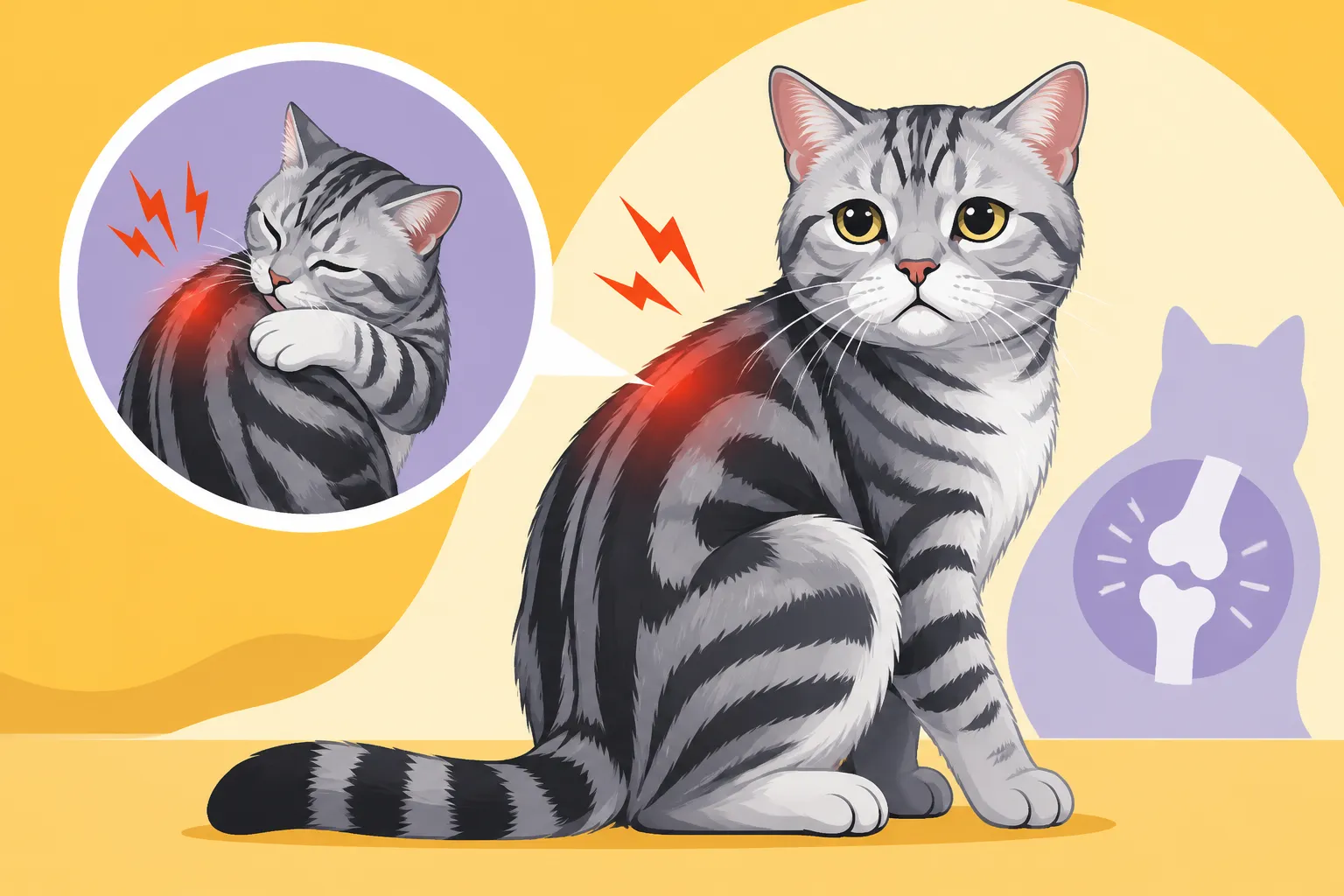
Perhaps the most common reason for reduced flexibility in older cats is arthritis, or osteoarthritis. This degenerative joint disease is often a silent affliction in felines, especially stoic breeds like the American Shorthair. Their natural toughness, a legacy of their working ancestors, means they're less likely to cry out or show obvious lameness, often adapting their movements to minimize pain. How an Old American Shorthair Shows Its Joints Hurt However, this doesn't mean they aren't hurting.
Arthritis can affect any joint, but in cats struggling to groom their backs, it's often the spine, hips, and elbows that are particularly problematic. Imagine trying to twist your body to scratch an itch on your shoulder if your lower back or hips are stiff and painful. It's simply not going to happen comfortably, if at all. The cartilage cushioning the joints wears down, leading to bone-on-bone friction, inflammation, and pain. This makes the intricate twisting, bending, and lifting of a leg required for thorough grooming incredibly uncomfortable. Even getting into the initial contorted position to start a lick can be excruciating. Your cat might avoid specific movements altogether, leading to those neglected patches of fur and the frustrating realization that they can't reach anymore.
Muscle Loss and Weakness (Sarcopenia)
Another significant factor in an older American Shorthair's grooming struggles is sarcopenia, the age-related loss of muscle mass. While American Shorthairs are known for their sturdy, muscular build, even they are susceptible to this natural decline. Why an Old American Shorthair Loses Muscle First Strong muscles are essential not just for movement, but for balance, stability, and the complex coordination required for effective grooming.
When a cat loses muscle mass, particularly in their hindquarters and core, they might find it harder to balance on three legs while lifting one to groom. Their core strength, which helps stabilize their body during twisting motions, diminishes, making those stretches feel wobbly and insecure. This isn't just about strength; it's about the fine motor control and stability that healthy muscles provide. An older cat with sarcopenia might simply not have the muscular support to perform the athletic feats that grooming demands, even if their joints aren't severely arthritic. The loss of that once powerful, agile frame makes even simple tasks like reaching over their shoulder or down their spine a monumental effort.
Obesity and Excess Weight
Let's be real: American Shorthairs are prone to putting on a bit of weight, especially as their active "mouser" days give way to a cushier indoor existence. Their hearty appetites and substantial build can easily lead to carrying a few extra pounds, which quickly turns into a significant burden for their skeletal and muscular systems. Why an American Shorthair Stops Jumping to the Counter Obesity is a huge impediment to self-grooming.
Imagine trying to touch your toes with a heavy backpack strapped to your front. That's a simplified version of what an overweight American Shorthair experiences. The excess fat physically gets in the way, making it impossible to bend, twist, and reach all parts of their body. The rolls of fat can prevent their tongue from making contact with the fur, especially along the spine or over their hindquarters. It's not just a matter of reduced flexibility; it's a physical barrier. Moreover, carrying extra weight exacerbates joint pain and muscle weakness, creating a vicious cycle where decreased mobility leads to more weight gain, which further reduces mobility. This can be a tough pill to swallow for owners, but addressing weight is one of the most impactful things you can do to improve your cat's quality of life and grooming ability. Why a Heavy American Shorthair Cannot Reach Its Own Back Many pet supply stores, like Chewy, offer a variety of weight management cat foods designed to help with this challenge.
Underlying Health Conditions Impacting Mobility and Grooming
While physical limitations like arthritis and weight are often the most obvious culprits, sometimes a deeper, less apparent health issue can be at play, affecting your American Shorthair's ability or desire to groom. It's crucial not to dismiss a sudden or significant change in grooming habits as "just old age" without a veterinary check-up, as these changes can signal a more serious underlying problem.
Dental Pain and Discomfort
You might be wondering, "What do teeth have to do with reaching their back?" And it's a fair question! While not directly related to joint flexibility, severe dental pain can profoundly impact a cat's overall well-being and their willingness to engage in grooming. Imagine having a searing toothache – would you feel like stretching, contorting, and putting pressure on your jaw to meticulously clean your fur? Probably not. Why an American Shorthair Loses Teeth Nobody Noticed
Cats with painful dental disease – which is incredibly common in older felines – might become withdrawn, lethargic, and simply too uncomfortable to bother with extensive grooming. The act of licking, even without direct mouth pain in the specific area, can still cause general discomfort throughout their head and neck, discouraging them from starting the grooming process. Abscesses, inflamed gums, or tooth resorption can cause chronic pain that saps their energy and motivation. So, while it might not directly prevent them from physically reaching, it removes the desire to do so, leading to neglected fur, just as if they couldn't physically reach.
Other Pain or Discomfort
Cats are notoriously stoic, and sometimes a change in grooming is the only subtle clue we get that something is truly wrong. Beyond arthritis, other forms of pain or discomfort can deter an American Shorthair from their grooming routine. This could include spinal issues, nerve pain, or even discomfort from internal organs. A cat with kidney disease, for example, might feel generally unwell and have less energy or desire to groom. Similarly, a cat experiencing nausea or abdominal pain might avoid positions that put pressure on their belly or make them feel sick.
Neurological conditions can also play a role, affecting coordination, balance, or the ability to initiate complex movements. While less common, a vet might investigate issues that impact nerve function, which could manifest as difficulty with precision movements like grooming. It's why any marked change in an older cat's behavior, especially one as fundamental as grooming, warrants a thorough veterinary examination to rule out anything serious. We need to be their advocates because they won't always tell us directly what's bothering them.
Cognitive Decline (Feline Cognitive Dysfunction)
Just like humans, cats can experience cognitive decline as they age. Feline Cognitive Dysfunction (FCD) is akin to dementia in people and can manifest in a variety of behavioral changes, including a decline in self-grooming. An older American Shorthair with FCD might simply forget to groom, or they might become confused about the process. What Confusion Looks Like in an American Shorthair Past Sixteen
They might start grooming but then stop midway, losing focus. They might groom excessively in one spot while completely neglecting others, or they might just wander around appearing disoriented. It's not a physical inability to reach, but a mental one – their cognitive processes are simply no longer directing and coordinating the grooming behavior effectively. This can be heartbreaking for owners to witness, as it feels like your cat is "losing themselves." If you notice other signs of cognitive decline, such as changes in sleep patterns, increased vocalization, inappropriate urination/defecation, or altered interaction with family members, a discussion with your vet about FCD might be in order.
How You Can Help Your Aging American Shorthair Maintain Grooming
Discovering your senior American Shorthair is struggling to reach their back can feel overwhelming, but the good news is there's a lot you can do to help them live comfortably and keep them looking (and feeling) their best. Your role shifts from just providing love and food to becoming a proactive care partner in their golden years.
Regular Brushing and Grooming Assistance
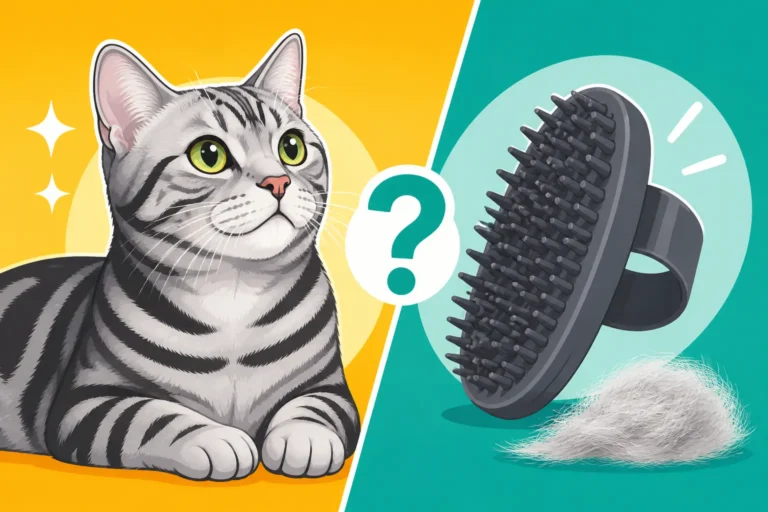
Since your cat can no longer do the job themselves, it’s time for you to step in! Regular brushing is probably the most direct and impactful way to help. Daily or every-other-day brushing, even if it's just for a few minutes, can make a world of difference. Focus on those hard-to-reach areas: along the spine, the base of the tail, and the back of their hind legs. A good quality brush with firm but gentle bristles is key. For an American Shorthair's dense, practical coat, a rubber curry brush or a slicker brush can work wonders for removing loose hair and stimulating the skin.
Don't see this as a chore, but as a bonding experience. Many cats, once accustomed to it, enjoy the gentle massage of a brush, especially when it relieves the discomfort of tangled fur. Make it a positive experience with treats and soft praise. This isn't just about aesthetics; it prevents mats, reduces hairballs, and allows you to monitor their skin for any lumps, bumps, or irritations. You can find excellent grooming tools online from retailers like Amazon, ensuring you have the right equipment for your particular cat's coat. Which Comb Suits an American Shorthair's Hard Coat
Managing Pain and Mobility
If arthritis or other painful conditions are limiting your American Shorthair's flexibility, working closely with your veterinarian is paramount. They can prescribe appropriate pain management medications, which might include NSAIDs (non-steroidal anti-inflammatory drugs) or other pain relievers specifically formulated for felines. Don't try to self-medicate, as many human medications are toxic to cats. Beyond pharmaceuticals, your vet might suggest joint supplements containing glucosamine and chondroitin, or even Omega-3 fatty acids, which can help support joint health and reduce inflammation.
Environmental adjustments at home can also significantly improve their quality of life. Consider ramps for accessing favorite high perches, or provide lower-sided litter boxes if they're struggling to step over high edges. Ensure their sleeping spots are easily accessible and well-cushioned. Some premium pet foods include ingredients beneficial for joint health, which might be a good discussion point with your vet. Making their world easier to navigate reduces strain and encourages movement, which in turn can help maintain some flexibility.
| Reason for Grooming Difficulty | Impact on American Shorthair | Owner Action to Help |
|---|---|---|
| Arthritis / Joint Pain | Stiff, painful twisting/bending | Vet-prescribed medication, joint supplements, ramps, soft bedding, gentle brushing |
| Muscle Loss (Sarcopenia) | Weakness, poor balance, reduced reach | High-quality protein diet, controlled exercise, supportive brushing |
| Obesity / Excess Weight | Physical barrier, increased joint strain | Vet-guided weight loss plan, portion control, puzzle feeders, increased play, supportive brushing |
| Dental Pain | Avoidance of grooming due to mouth discomfort | Regular vet dental checks, professional cleaning, dental treats/water additives (vet-approved) |
| Cognitive Decline | Forgetting/confusion about grooming, disinterest | Routine gentle grooming, consistent schedule, cognitive supplements (vet-approved), comfortable environment |
Weight Management
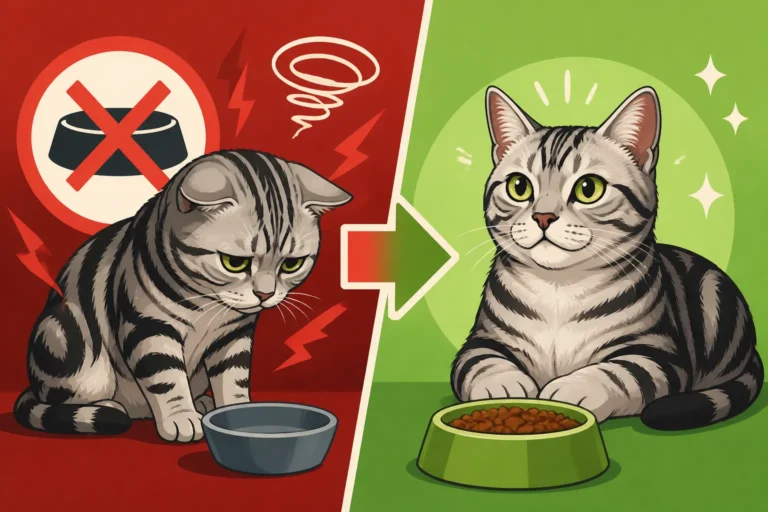
For American Shorthairs carrying extra weight, a vet-supervised weight loss plan is crucial not only for overall health but specifically for restoring their ability to groom. Even a modest amount of weight loss can make a dramatic difference in their flexibility and comfort. Your veterinarian can help you determine your cat's ideal weight and calculate a safe, effective daily calorie intake. How a Vet Builds an American Shorthair's Weight Loss Plan
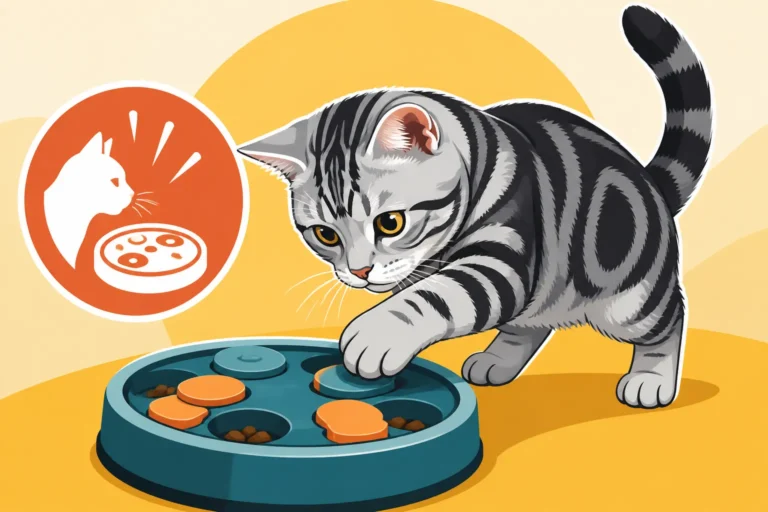
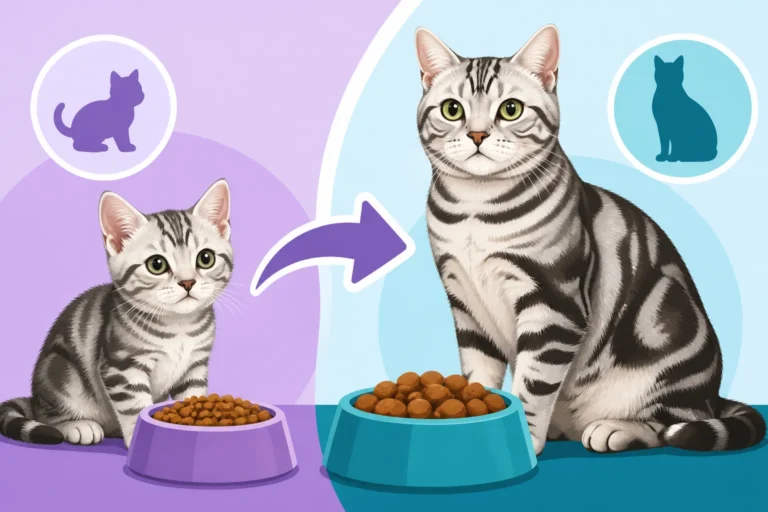
This often involves transitioning to a prescription weight management diet or carefully portioning a high-quality, protein-rich wet food. Free-feeding, where food is left out all day, usually needs to stop. Instead, offer measured meals, perhaps using puzzle feeders to make them "work" for their food, simulating their natural hunting instincts. Making an American Shorthair Work for Its Dinner Again Increased interactive playtime can also burn calories and strengthen muscles, making them more agile. Consistency is key, and while it requires effort, seeing your cat regain some of their youthful agility and groom themselves more effectively is incredibly rewarding.
Addressing Dental Health
Finally, don't overlook dental health. If dental pain is contributing to your cat's reluctance to groom, addressing it can improve their comfort and motivation. This often involves professional dental cleaning under anesthesia, where your vet can thoroughly examine, clean, and extract any problematic teeth. While the idea of anesthesia for an older cat can be daunting, modern veterinary practices take many precautions, and the relief your cat experiences can be profound. Why an American Shorthair Is a Low Anesthetic Risk
Ongoing dental care might include dental-specific treats or water additives, though these are often supplemental to professional cleaning. Regular at-home toothbrushing, if your cat tolerates it, can also help prevent future issues. Remember, a pain-free mouth means a happier cat, and a happier cat is more likely to engage in their natural behaviors, including grooming. How Many Dentals an American Shorthair Needs in Twenty Years
Helping an aging American Shorthair who can no longer reach its back is a testament to the enduring bond you share. By understanding the reasons behind their struggle and implementing practical solutions with the help of your veterinarian, you can ensure their golden years are filled with comfort, dignity, and a beautifully maintained coat, even if you're the one doing most of the work.
Disclaimer
This article is for general informational purposes only and does not constitute professional advice. Laws, prices and regulations vary by location and change over time. Consult a qualified professional for guidance on your specific situation.