How a Diabetic American Shorthair Comes Off Insulin
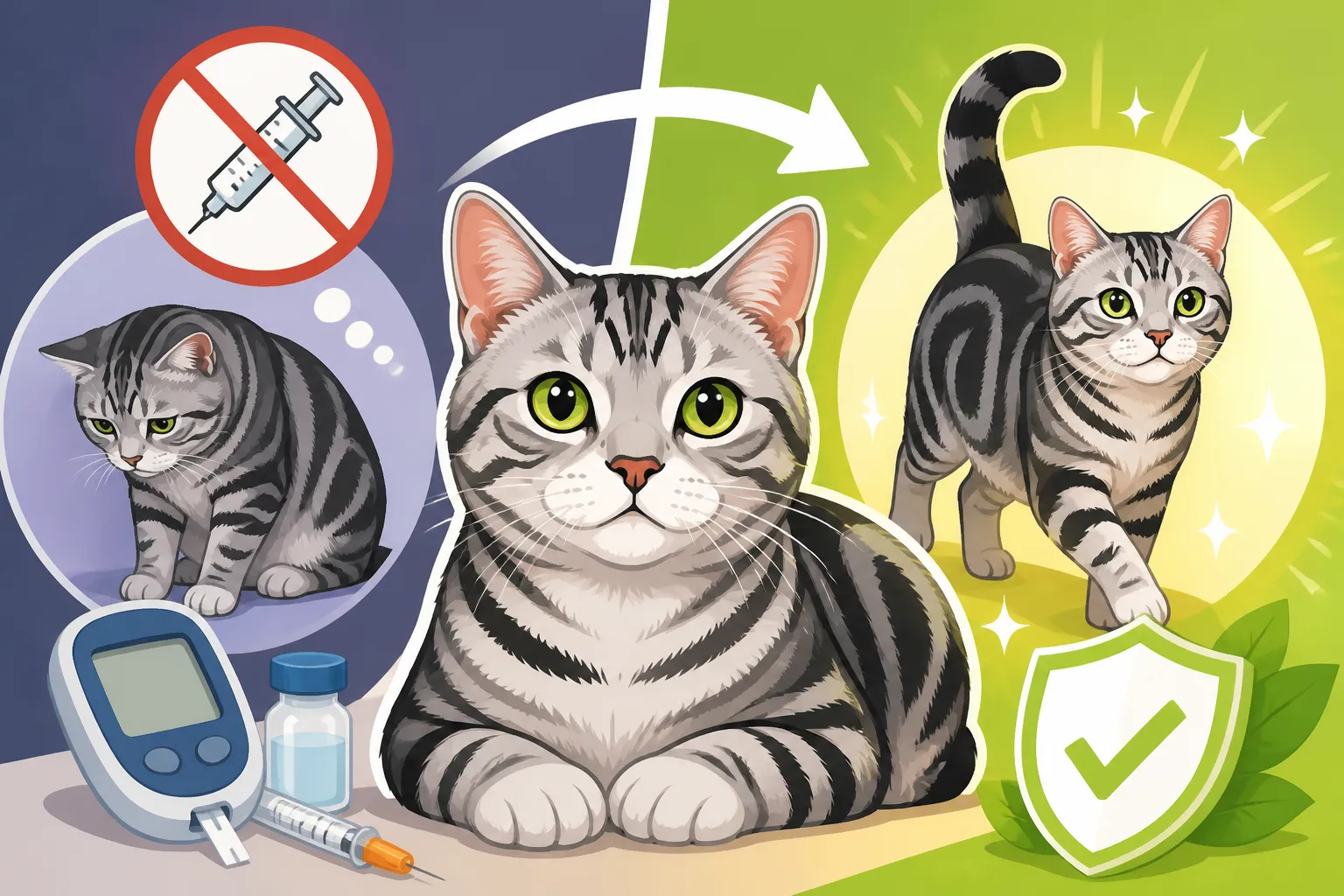
Receiving a diabetes diagnosis for your cherished American Shorthair can truly feel like a punch to the gut. The thought of daily insulin injections, constant monitoring, and the fear of complications is enough to make any cat parent's heart sink. But here's the incredibly good news: for many cats, especially those with Type II diabetes, remission is not just a pipe dream—it's a very achievable goal. This comprehensive guide will walk you through the journey, detailing how your American Shorthair might just be able to come off insulin and live a vibrant, healthy life once more.
Understanding Feline Diabetes and Remission Potential
When you first hear the words "feline diabetes," it's natural to feel overwhelmed. It sounds serious, and it is, but understanding the type your cat has and what that means for treatment is the first step toward hope.
The Different Types of Feline Diabetes
In the world of cat diabetes, there are primarily two types, though one is far more common and offers a better chance for remission. Type I diabetes, much like in humans, is quite rare in felines. This is where the pancreas simply doesn't produce enough insulin, often due to an autoimmune attack. Cats with Type I diabetes are truly insulin-dependent for life because their bodies can't produce the hormone.
However, the vast majority of diabetic cats, including many American Shorthairs, suffer from Type II diabetes. This is a condition where the pancreas either doesn't produce enough insulin or, more commonly, the body's cells become resistant to the insulin that is produced. Think of it like a lock and key: insulin is the key, and the body's cells are the locks. With Type II, either there aren't enough keys, or the locks are rusty and don't respond well. This insulin resistance is often directly linked to obesity and a diet high in carbohydrates, which constantly floods the cat's system with glucose, pushing the pancreas into overdrive until it starts to fail.
Why Remission Is a Realistic Goal for Many Cats
The fantastic news about Type II diabetes is that it's often reversible, especially if caught early. The goal of treatment isn't just to manage symptoms with insulin, but to give the pancreas a much-needed break and reverse that insulin resistance. By implementing early and aggressive treatment, particularly through significant dietary changes and weight loss, we can often bring a cat's blood sugar levels back to normal. This allows the pancreatic beta cells, which produce insulin, to recover and start functioning effectively again.
This period of recovery is often referred to as the "honeymoon period." During this time, with careful management, your cat may reduce their insulin dependency, or even stop needing insulin altogether. This isn't a cure in the strictest sense, as the predisposition to diabetes remains, but it's a state of clinical remission where the cat no longer requires exogenous insulin to maintain healthy blood glucose levels. The key is to act quickly once diagnosed, before the pancreatic cells become too damaged to recover.
Factors Influencing an American Shorthair's Chances of Remission
While American Shorthairs are generally known for their robust health and long lifespans, they are not immune to lifestyle diseases like diabetes. Their sturdy build and often placid indoor lifestyle can, unfortunately, make them prone to weight gain, which is the biggest risk factor for feline Type II diabetes. The good news is that because their health baseline is strong, if diagnosed with diabetes, they often respond well to treatment.
The biggest influences on your American Shorthair's chances of remission are the duration of the disease, their current body condition, and the commitment to strict dietary changes. Cats diagnosed early in the disease progression, who haven't been diabetic for long, have a much higher chance of achieving remission. Similarly, an overweight or obese American Shorthair who successfully loses weight significantly improves their prognosis. Stress can also play a role in blood sugar regulation, so a calm, consistent home environment is beneficial.
The Cornerstone of Remission: Diet and Weight Management
When it comes to getting your American Shorthair off insulin, there's no magic pill—the real hero is almost always diet and weight management. It's truly the foundation upon which remission is built.
Transitioning to a Low-Carbohydrate, High-Protein Diet
Cats, by nature, are obligate carnivores. Their bodies are designed to thrive on a diet rich in animal protein and fat, with very little carbohydrates. Unfortunately, many commercial dry kibbles, while convenient, are packed with carbs that simply aren't suitable for a cat's metabolic system, especially one struggling with insulin resistance. Imagine constantly pumping sugar into a system that's already failing to process it; that's what a high-carb diet does to a diabetic cat.
The goal is to transition your American Shorthair to a low-carbohydrate, high-protein, moderate-fat diet. This typically means switching to an all-wet food diet, or at the very least, a prescription diabetic dry food (if your vet approves and insists on dry). Look for foods with carbohydrate levels below 10% on a dry matter basis. Many excellent prescription diets, like Purina Pro Plan DM or Royal Canin GlycoBalance, are specifically formulated for diabetic cats and often lead to significant improvements. For general guidance on cat food composition, you can look at the nutritional analysis provided by brands, focusing on the "as fed" or "dry matter" carbohydrate percentage. This dietary shift helps minimize blood sugar spikes after meals, easing the burden on the pancreas and allowing it to heal.
Switching food can be a gradual process, especially for a finicky American Shorthair. Start by mixing a small amount of the new food with their old food, slowly increasing the proportion of the new diet over several days or even weeks. Patience is key!
Achieving and Maintaining a Healthy Weight
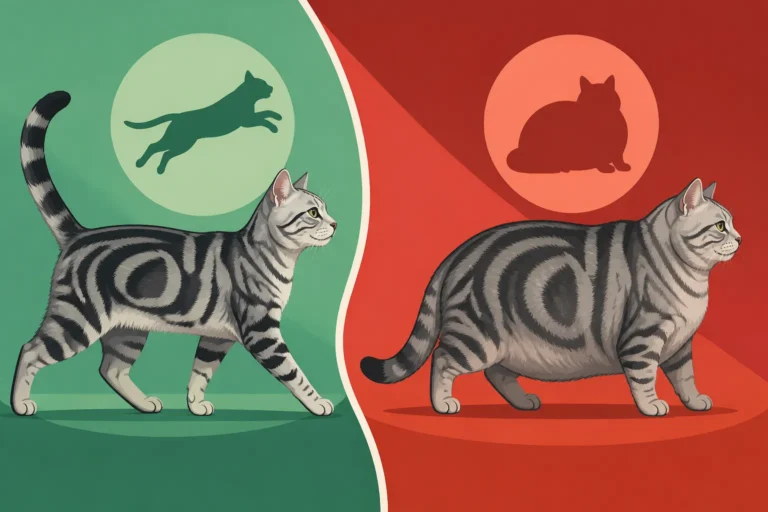
Obesity is a massive contributor to Type II diabetes in cats. When an American Shorthair carries extra weight, their body's cells become even more resistant to insulin, making it harder for glucose to enter the cells and be used for energy. This vicious cycle exacerbates the diabetes. Therefore, getting your American Shorthair to a healthy, lean weight is paramount for achieving and sustaining remission. If you've ever wondered Why Indoor Life Made the American Shorthair Fat, it often comes down to reduced activity and free-feeding high-calorie diets.
Your vet will help you determine your American Shorthair's ideal weight based on their frame and muscle mass, and then create a safe and effective weight loss plan. It's not about crash dieting, which can be dangerous for cats, but a steady, controlled reduction in calories. Portion control is absolutely essential. Measure out meals precisely and resist the urge to free-feed. Regular, interactive playtime can also help burn calories and keep your cat engaged. American Shorthairs, with their innate hunting drive, often respond well to structured play with wand toys or puzzle feeders that mimic the hunt. Understanding What an American Shorthair Should Weigh at Its Frame is critical, and your vet can show you how to assess their body condition by feeling for ribs and the waistline.
Here's a quick comparison of typical nutritional profiles:
| Nutrient | High-Carb Dry Kibble (Typical) | Low-Carb Wet Food (Diabetic Formula) |
|---|---|---|
| Protein (Dry Matter) | 30-35% | 40-50%+ |
| Fat (Dry Matter) | 15-20% | 20-30% |
| Carbohydrates (Dry Matter) | 30-50% | <10% |
| Moisture | ~10% | ~75-80% |
| Fiber | 2-5% | 1-3% |
The Insulin Tapering Process and Close Monitoring
Once your American Shorthair is on a low-carb diet and perhaps beginning to lose weight, their insulin needs will inevitably change. This is where the delicate process of tapering begins, always under strict veterinary supervision.
Working Closely with Your Veterinarian
Let me be absolutely clear: attempting to adjust your cat's insulin dosage on your own is incredibly dangerous and can lead to severe, even fatal, complications like hypoglycemia (dangerously low blood sugar). The journey to remission is a team effort, with your veterinarian as the captain. They will guide every step, interpreting glucose curves and making dosage adjustments based on clinical signs and test results. This means frequent vet visits, especially in the initial stages, which can be a financial strain, but pet insurance providers like Healthy Paws can offer significant relief by covering a portion of these essential diagnostic and treatment costs.
Your vet will perform regular glucose curves, often involving multiple blood sugar readings over a 12-24 hour period, to understand how your cat's body processes insulin throughout the day. They'll also monitor other important health markers. It's not just about getting the blood sugar down, but ensuring it's stable and within a healthy range without wild fluctuations. The goal is a steady, safe path towards remission.
Understanding Home Glucose Monitoring
While vet visits provide crucial snapshots, home glucose monitoring empowers you with real-time data, which is invaluable during the tapering process. This involves taking small blood samples from your cat's ear vein using a special lancet and a glucometer. It might sound intimidating at first, but with practice and a calm approach, most cats, including the typically tolerant American Shorthair, can learn to accept it. Many resources, including your vet or vet tech, can teach you the technique.
Home monitoring allows you to track trends, identify potential hypoglycemic events, and provide your vet with a much more complete picture of your cat's glucose regulation. Target glucose ranges for a diabetic cat often aim for levels between 100-250 mg/dL (5.5-13.9 mmol/L) after insulin, but for remission, the goal is often to see sustained readings below 150 mg/dL (8.3 mmol/L) without insulin. It's this sustained normalcy that signals the potential for insulin reduction. Knowing Which Blood Values Matter Most in an American Shorthair can help you have more informed conversations with your vet.
The Gradual Reduction of Insulin Dosage
As your American Shorthair's diet takes effect and their body becomes more sensitive to insulin, their need for injected insulin will decrease. This is the exciting part! However, this reduction must be done slowly and meticulously by your vet. If insulin is stopped too abruptly, your cat could experience dangerous hyperglycemia. Conversely, if insulin is continued at a dose that's now too high, your cat could become hypoglycemic, which is an immediate medical emergency. Signs of hypoglycemia can include weakness, disorientation, trembling, staggering, and in severe cases, seizures or collapse. It's vital to know these signs and have an emergency plan, which usually involves rubbing Karo syrup or honey on your cat's gums and contacting your vet immediately.
Your vet will guide you through reducing the insulin dose in small increments, often half a unit at a time, or even stopping one of the two daily doses. This process can take weeks or even months of careful monitoring. Patience is paramount, and celebrating even small victories along the way can help keep your spirits up during this intensive period. Consistent home monitoring helps provide the confidence needed to make these critical adjustments safely.
Supporting Your American Shorthair's Journey to Insulin Freedom
Beyond diet and insulin management, creating a supportive environment and focusing on overall well-being can significantly boost your American Shorthair's chances of sustained remission.
Creating a Stress-Free Environment
Just like in humans, stress can have a profound impact on a cat's blood sugar levels. When a cat is stressed, their body releases hormones like cortisol, which can increase blood glucose and make insulin resistance worse. For an American Shorthair, known for their calm demeanor but also their appreciation for routine and territory, sudden changes or chronic stressors can be particularly unsettling. We've talked about How an American Shorthair Copes With Change, and generally, they do well, but major disruptions can still affect them.
To minimize stress, strive for a consistent daily routine. Feed meals at the same time, engage in playtime predictably, and ensure quiet, safe spaces are always available for your cat to retreat to if they feel overwhelmed. Gentle handling, a clean litter box, and access to fresh water can all contribute to their sense of security. If you have a multi-cat household, ensure each cat has their own resources to prevent competition and anxiety. Think about it: a peaceful environment supports a peaceful metabolism.
The Role of Regular Exercise and Enrichment
An American Shorthair's ancestral roots are that of a working cat, a skilled hunter designed for activity. While many of our beloved American Shorthairs now enjoy a more sedentary indoor life, their natural instincts remain strong. Channeling these instincts through regular exercise and mental enrichment is not only crucial for weight management but also for overall well-being and stress reduction. If you're wondering What an Indoor American Shorthair Does With a Mouser's Instinct, the answer is, they need an outlet!
Engage your American Shorthair in interactive play sessions daily. Wand toys that mimic the erratic movements of prey are excellent for stimulating their hunting drive. Puzzle feeders that require them to "work" for their food can slow down eating and provide mental stimulation, reducing boredom-related overeating. Providing vertical space, like cat trees or shelves, allows them to climb and survey their territory, which taps into their natural behaviors and helps burn calories. This kind of Play That Finishes the Hunting Sequence for an American Shorthair is not just fun; it's therapeutic and vital for their physical and metabolic health.
Long-Term Monitoring and Relapse Prevention
Achieving remission is a monumental success, but it's not the end of the journey. Cats that have been in remission are still predisposed to diabetes, and relapse is possible if healthy habits aren't maintained. Therefore, long-term monitoring is crucial. Your vet will likely recommend periodic check-ups, even if less frequent than during the intensive treatment phase. This might include occasional blood glucose checks, fructosamine tests (which give an average blood sugar level over 2-3 weeks), and continued weight monitoring. Knowing How Regularly a Healthy American Shorthair Still Needs Checking will become part of your new routine.
The key to preventing relapse lies in maintaining the diet and weight management strategies that led to remission in the first place. Continue feeding a low-carbohydrate diet and strictly portion control meals. Keep up with regular exercise and environmental enrichment. Be vigilant for any signs that your American Shorthair's diabetes might be returning, such as increased thirst, increased urination, or unexpected weight loss. Early detection of a potential relapse means quicker intervention and a better chance of pushing the diabetes back into remission. Think of it as a lifelong commitment to their health, ensuring your American Shorthair can continue to enjoy their full, happy life, potentially reaching ages where you'll be Caring for an American Shorthair Past Twelve. Having pet insurance, like Healthy Paws, can also be a valuable safety net, helping to cover any unexpected costs should your cat need further vet care or diagnostic work down the line.
Disclaimer
The information provided in this article is for educational purposes only and is not intended to be a substitute for professional veterinary advice, diagnosis, or treatment. Always seek the advice of your veterinarian or other qualified animal health provider with any questions you may have regarding a medical condition. Never disregard professional veterinary advice or delay in seeking it because of something you have read here.