Whether Central Heating Keeps an Indoor American Shorthair Shedding
Oh, the joy of having an American Shorthair! These wonderful, sturdy cats are renowned for their easygoing nature and relatively low-maintenance coats. However, many of us cat parents have noticed something a little perplexing: even though our beloved felines live indoors, far from the dramatic shifts of outdoor seasons, they still seem to shed… a lot. And often, it feels like it's a year-round affair, leaving cat hair as a permanent fixture on our furniture, clothes, and sometimes, even our dinner plates. This guide is going to dig deep into whether your home's central heating system is indeed contributing to your indoor American Shorthair's seemingly endless shedding, and what you can do about it.
Understanding the American Shorthair's Natural Shedding Cycle
To truly grasp why your indoor American Shorthair might be shedding constantly, we need to first understand the natural shedding cycle of cats, especially a breed like the American Shorthair, which has a deeply rooted history as a working cat. Their ancestors weren't pampered show animals; they were tough, resourceful felines whose coats were essential for survival.
A Coat Built for Seasons
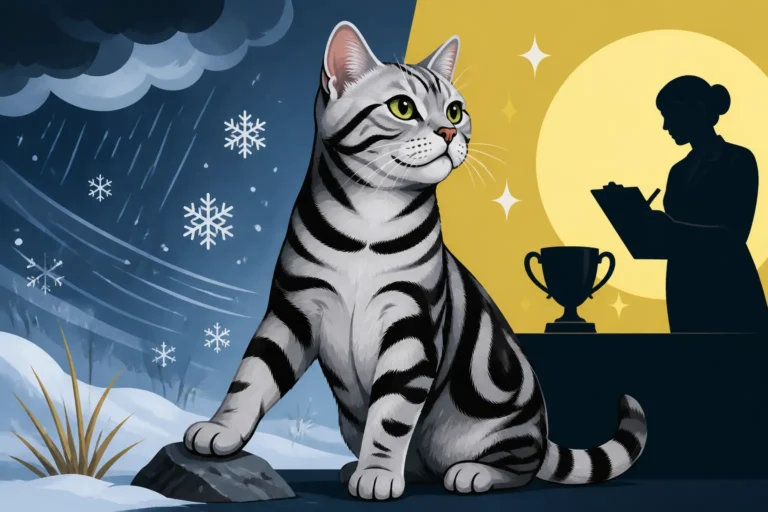
The American Shorthair, much like its domestic shorthair cousins, evolved with a coat designed to handle the elements. Imagine their forebears sailing on ships from Europe to North America, then working hard on farms, protecting grain stores from rodents. Their coats needed to be functional above all else. The American Shorthair's Coat Was Built for Weather, Not a Judge is a testament to this practicality. Their fur is dense and hard, providing excellent insulation against cold and wet weather, yet also capable of thinning out in warmer months.
This meant their bodies were exquisitely tuned to seasonal changes. The length of daylight, known as the photoperiod, and ambient temperatures were the primary cues for their coats to either thicken or thin. It wasn't just about comfort; it was about survival. A thick, protective coat in winter meant less energy expended on keeping warm, while a lighter coat in summer prevented overheating during active hunts. This is a far cry from the consistent, climate-controlled environment of our modern homes.
The Spring and Autumn Molts
In a natural, outdoor environment, an American Shorthair would typically experience two major shedding cycles, often referred to as molts. The first, and usually the most dramatic, occurs in spring. As the days lengthen and temperatures rise, the cat's body signals it's time to shed the dense winter undercoat that kept it warm during the colder months. This can be a noticeable event, leaving significant amounts of fur around the house if you have an indoor cat, or visible tufts blowing away if they're outdoors. This is when their coat "thins" for summer, becoming lighter and more manageable for warmer weather.
The second, less intense, molt happens in autumn. As the days shorten and a chill returns to the air, the cat begins to shed its lighter summer coat to make way for the growth of a thicker, more insulating winter coat. Why an American Shorthair's Coat Thickens for Winter is directly related to this natural rhythm. These molts are essential biological processes, ensuring the cat always has the appropriate level of insulation for the prevailing weather conditions. They are distinct, predictable events, unlike the often constant, low-level shedding we observe in many indoor cats.
The Impact of Central Heating on Shedding
Now, let's bring central heating into the picture. Our homes, with their consistent temperatures and artificial lighting, create an environment that can inadvertently disrupt these ancient biological rhythms.
Blurring the Lines Between Seasons
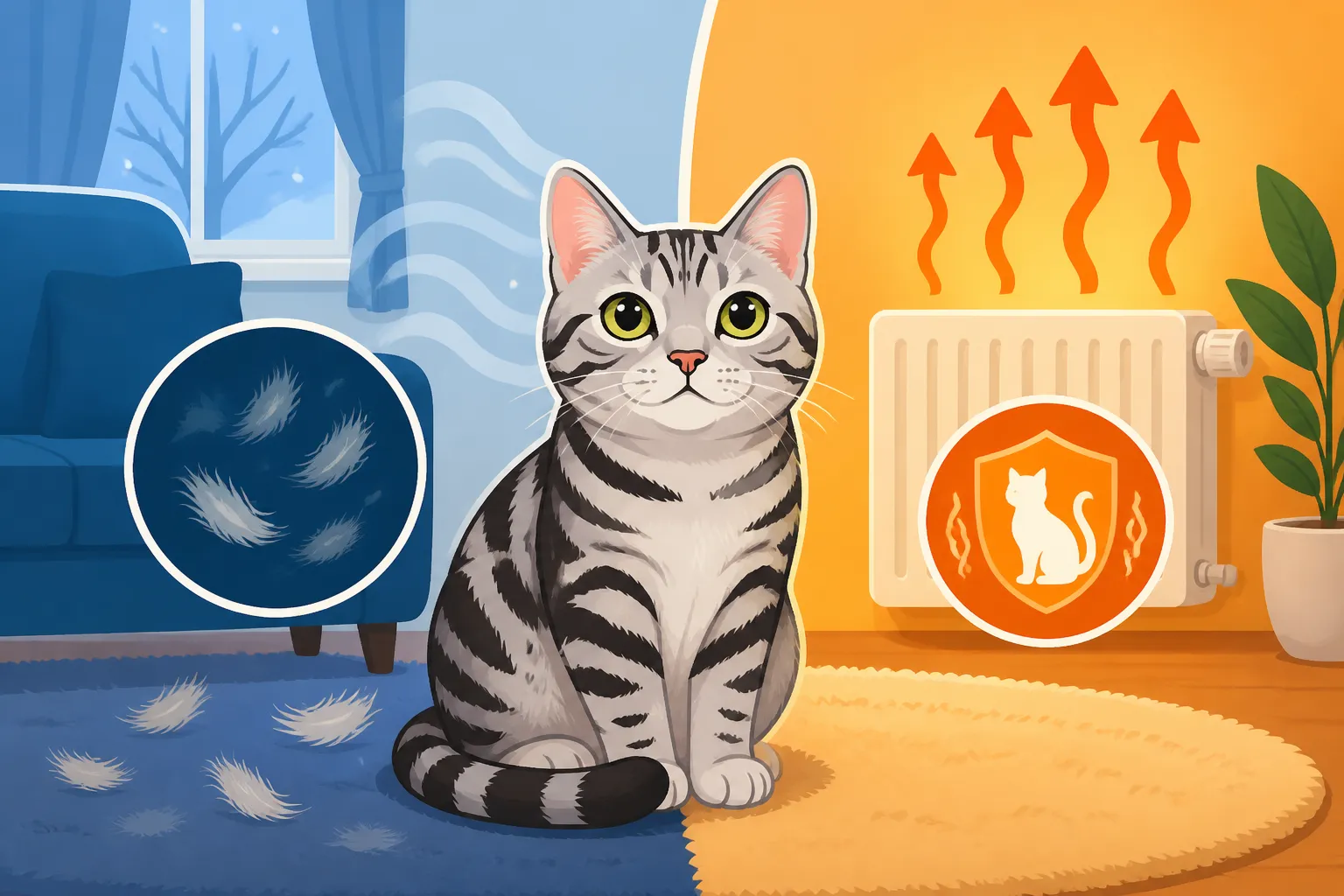
When your American Shorthair lives in a home with central heating, their body no longer receives the strong environmental cues that trigger seasonal shedding. The consistent warmth, especially through what would naturally be colder months, tells their system, "Hey, it's never really winter here!" This means the clear distinction between the spring and autumn molts can become incredibly blurred.
Think about it: in a truly natural setting, a cat feels the temperature dip significantly in winter, and the daylight hours shrink. These signals tell their body to grow that thick winter coat. When spring arrives, the increasing light and warmth signal to shed it. But indoors, with the thermostat humming at a comfortable 70 degrees Fahrenheit (or whatever your preferred temperature), and lights often on into the evening, those strong, unmistakable signals are dampened. The cat's internal clock, which used to dictate precise shedding schedules, gets confused. It's like asking someone to stick to a strict sleep schedule when the sun is always shining or never rising.
Year-Round "Spring"
What often results from this environmental confusion is a state of perpetual, low-grade shedding. Instead of two intense, defined molts, your American Shorthair might shed a moderate amount of hair all the time. The constant warmth of central heating effectively tricks their body into thinking it's always mild weather, somewhere between late spring and early summer.
This means their body never fully commits to growing a super-dense winter coat because it never experiences a true winter chill. Conversely, it never gets the strong "spring is here!" signal to rapidly dump an entire winter coat. Instead, hair follicles might operate on a more continuous cycle of growth and shedding, rather than synchronized, seasonal events. This isn't inherently unhealthy, but it definitely leads to more cat hair around the house for you to contend with year-round, rather than just during concentrated periods. It's a trade-off for their comfort and safety indoors, but it does mean extra vacuuming!
Managing Year-Round Shedding in Your American Shorthair
So, while central heating certainly plays a role in your American Shorthair's continuous shedding, it's not something you can simply turn off without impacting your comfort or your cat's in other ways. The good news is there are several effective strategies you can employ to manage this year-round fur output.
Regular Grooming is Key
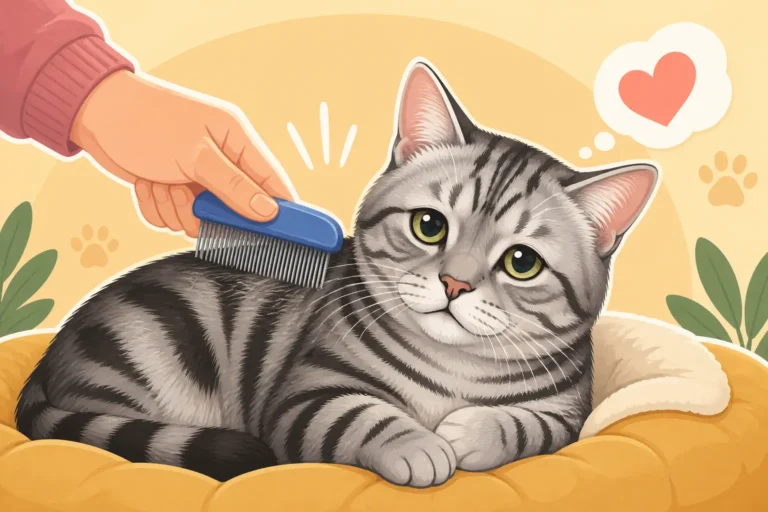
This is perhaps the most crucial step in managing shedding. Consistent and effective grooming will remove loose hair before it has a chance to settle on your furniture. For an American Shorthair, their short, dense coat benefits greatly from regular attention.
Aim for at least 2-3 times a week, and consider daily grooming during periods when you notice a slight increase in shedding, even if it's not a full "molt." A good deshedding tool, like those you can find readily on Amazon or specialized pet sites like Chewy, can make a huge difference. These tools are designed to reach through the topcoat and gently remove loose undercoat hair without damaging the healthy guard hairs. A simple rubber curry brush or a fine-toothed comb can also be very effective for daily maintenance. The goal is to collect as much shed hair as possible directly from your cat, rather than letting it fall naturally. How Little Combing an American Shorthair Actually Needs might surprise you, but when shedding is continuous, more frequent combing can be a lifesaver for your home.
| Grooming Tool Type | Best For | Frequency | Notes |
|---|---|---|---|
| Deshedding Tool | Undercoat, heavy shedding | 1-2 times/week | Use gently to avoid skin irritation. |
| Rubber Curry Brush | Surface shedding, massage | Daily-Every other day | Great for distributing natural oils. |
| Fine-toothed Comb | All-around, checking for fleas | Daily | Good for removing loose hairs and minor tangles. |
| Grooming Glove | Sensitive cats, light shedding | Daily | Mimics petting, good for bonding. |
Environmental Management
While you can't realistically replicate an outdoor seasonal cycle, there are a couple of environmental factors you can tweak that might help a little or at least contribute to overall coat health.
First, consider the humidity in your home. Dry indoor air, often a byproduct of central heating, can sometimes contribute to dry skin and a less healthy coat, which in turn might exacerbate shedding. Using a humidifier, especially in the room where your cat spends a lot of time, can add moisture back into the air, benefiting both your cat's skin and coat, and potentially your own.
Second, think about lighting. While we love our well-lit homes, constant artificial light can further confuse a cat's natural rhythms. If possible, allow for some natural darkness in the evenings, and ensure your cat has access to windows to experience natural daylight cycles. Of course, don't sacrifice your own comfort or safety, but subtle adjustments can make a small difference. For an indoor cat, creating stimulating environments can also help keep them healthy, which reflects in their coat. How Much Vertical Space an American Shorthair Needs for exploring can also encourage activity, contributing to overall well-being.
Nutritional Support for Coat Health
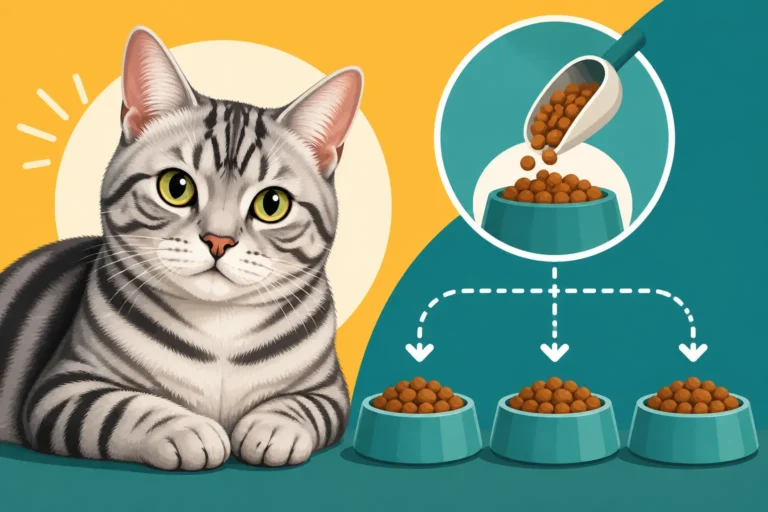
Diet plays a significant role in the health and luster of your cat's coat. A well-balanced, high-quality diet provides the necessary nutrients, vitamins, and fatty acids that support healthy skin and hair follicles. If your American Shorthair isn't getting adequate nutrition, their coat might appear dull, brittle, and shed excessively.
Look for cat foods that list real meat as the first ingredient and contain essential fatty acids like Omega-3 and Omega-6. These are crucial for skin hydration and coat quality. Some premium foods, available through pet retailers or your vet, are specifically formulated to support skin and coat health. If you're concerned about your cat's shedding or coat condition, a conversation with your veterinarian about their diet is always a good idea. They might recommend specific supplements or dietary changes, especially if your cat is aging or has other health considerations. Hydration is also incredibly important for skin and coat health, so ensuring your cat drinks enough water is vital. How Much Water an American Shorthair Should Drink is a good point to consider here.
In conclusion, while central heating definitely contributes to continuous shedding in your American Shorthair by disrupting their natural seasonal cycles, it's a manageable part of having a happy, healthy indoor feline companion. With consistent grooming, thoughtful environmental considerations, and a nutritious diet, you can keep the fur under control and enjoy all the wonderful qualities that make the American Shorthair such a cherished member of the family.
Disclaimer
This article is for general informational purposes only and does not constitute professional advice. Laws, prices and regulations vary by location and change over time. Consult a qualified professional for guidance on your specific situation.