Whether Ticks Reach an American Shorthair Through That Coat
It's a common worry for any cat owner, especially those with robust, active breeds like the American Shorthair: can those pesky ticks really burrow through that beautiful, dense coat and latch on? You might think a cat with such a practical, weather-resistant fur would be somewhat immune, but the reality is, ticks are incredibly tenacious parasites. This guide will meticulously unpack how ticks interact with your American Shorthair's coat and, more importantly, what you can do to protect your beloved feline companion.
Understanding the American Shorthair's Coat and Its Protection Level
The American Shorthair is renowned for its low-maintenance, practical coat, a legacy of its working cat ancestors who needed robust protection against the elements. This isn't a delicate, decorative coat; it's a functional one, built for resilience. However, even the most formidable fur isn't always a match for a determined tick.
The Double-Layered Defense
The American Shorthair's coat is a marvel of natural engineering, featuring a double layer designed for insulation and protection. The outer layer consists of guard hairs that are coarse, dense, and provide a strong barrier against moisture and environmental debris. Beneath this lies a softer, thicker undercoat, which offers excellent insulation against both cold and heat. This combination means that the coat is generally quite resilient and can shed water effectively, making it a powerful natural shield. It's a coat built for utility, not just aesthetics, as discussed in The American Shorthair's Coat Was Built for Weather, Not a Judge.
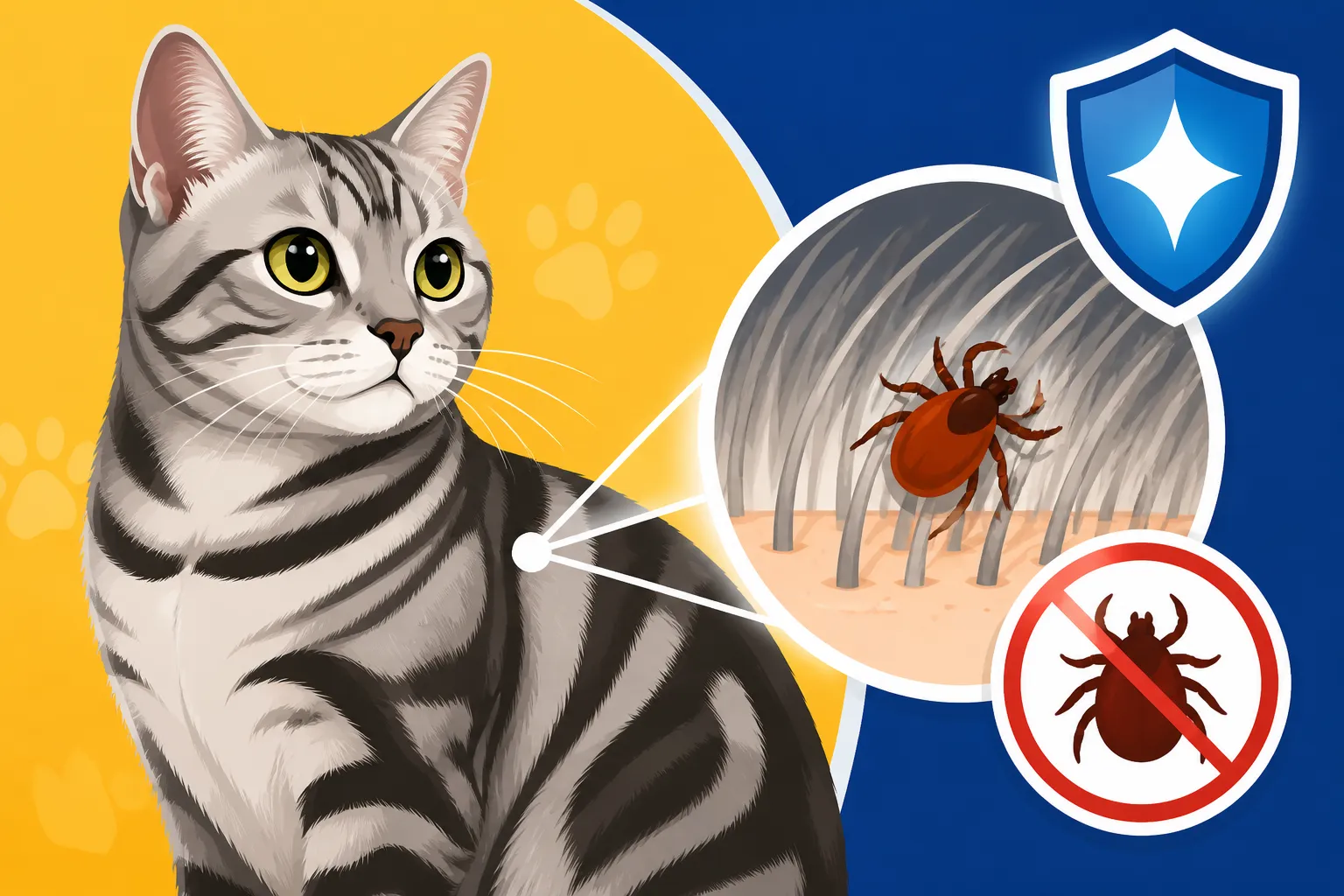
Despite this impressive density, it's not impenetrable. Ticks, especially smaller nymph-stage ticks, are incredibly adept at navigating through dense fur. They don't typically try to pierce the hair itself; rather, they crawl through the gaps between individual hairs, seeking exposed skin. The very density that protects against weather can, in a way, offer ticks a multitude of pathways to burrow down, often going unnoticed by the casual glance. The stiffness of the guard hairs might make their initial ascent slightly more challenging, but once they find a path, the thick undercoat can actually provide them with cover, making detection even harder.
Seasonal Changes and Impact on Protection
Like many short-haired cat breeds, the American Shorthair experiences seasonal shedding, which significantly impacts the density of its coat throughout the year. As temperatures drop, their coats tend to thicken, growing a denser undercoat to provide extra warmth. This period, typically in late fall and winter, can make the coat even more formidable. However, while a thicker coat might seem like better protection, it can also create more hiding spots for ticks, especially if your cat spends time outdoors during these cooler months.
Conversely, in spring and summer, the American Shorthair will shed its heavy winter coat, resulting in a much thinner and less dense covering. This period is when they An American Shorthair Sheds Twice a Year and Asks Nothing Else, often referred to as "blowing their coat." While the reduced density might make it seem easier to spot a tick, the exposed skin is also more accessible. Ticks thrive in warmer weather, so ironically, when your cat's coat is naturally thinner, the tick population might be at its peak. This means that year-round vigilance is absolutely critical, as the changing coat offers different challenges for tick detection and prevention.
How Ticks Navigate the American Shorthair's Coat
Understanding the tick's perspective can help us better protect our cats. Ticks aren't particularly fast, but they are incredibly persistent and possess sensory capabilities that make them highly efficient at finding a host.
The Tick's Hunting Strategy
Ticks don't jump or fly; they "quest." This means they climb onto blades of grass, shrubs, or other vegetation, extend their front legs, and wait for a host to brush past. They detect hosts through scent (carbon dioxide, ammonia), heat, and vibrations. Once an American Shorthair brushes by, a tick will quickly grab on. The coarse, stiff guard hairs of your American Shorthair's coat might initially make it a bit more difficult for a tick to get a firm grip compared to, say, a smooth-coated cat or a human leg. However, once attached, they begin their methodical crawl.
Their primary goal is to reach the skin. They'll use their eight legs to push and pull their way through the fur, parting the hairs as they go. The American Shorthair's coat, with its dense layers, actually provides a good "highway" system for ticks. They can travel along the hair shafts, staying hidden from view, until they find a suitable spot to attach. This journey can take minutes or even hours, during which they remain largely undetected, especially if your cat is distracted or simply not groomed regularly.
Common Hiding Spots on an American Shorthair
Even with a dense coat, ticks have preferred areas on a cat's body where the skin is thinner, warmer, and less disturbed. These are the prime targets they seek out after navigating the fur. For an American Shorthair, you'll want to pay close attention to these common hiding spots during your inspections.
The head and neck area are frequent targets, especially around and inside the ears, under the chin, and along the jawline. These spots offer relatively less dense fur and are difficult for a cat to groom thoroughly themselves. Another common area is the armpits and groin. These are warm, moist regions with thinner skin, providing an ideal environment for ticks to embed. Don't forget between the toes and paw pads, as well as under the tail and around the anus. These areas are often overlooked but are prime real estate for ticks seeking discreet locations. Remember, Which Parasites an Outdoor American Shorthair Picks Up include ticks, and knowing their preferred spots is half the battle. Regular, thorough checks of these zones are essential, as a tick embedded in any of these sensitive areas can be particularly irritating or even painful for your cat.
Proactive Measures and Prevention Strategies
While the American Shorthair's coat offers some natural defense, it's not a foolproof barrier against ticks. Proactive measures are the best way to keep your feline friend safe and tick-free. This involves a combination of regular checks, effective preventative products, and managing their environment.
Regular Inspections and Grooming
Even if your American Shorthair is an indoor-only cat, ticks can hitchhike indoors on humans or other pets. If your cat ventures outdoors, even for short periods, daily inspections are non-negotiable. Begin by running your hands thoroughly over your cat's entire body, paying special attention to those common hiding spots: around the ears, under the chin, in the armpits, groin, and between the toes. Feel for any small bumps or irregularities on the skin. Ticks can range in size from tiny poppy seeds to engorged grapes, so a keen sense of touch is crucial.
During your inspection, use a fine-toothed comb, like a flea comb, to systematically part the fur, especially in denser areas. This not only helps you spot ticks but also helps identify other external parasites. While an American Shorthair typically How Little Combing an American Shorthair Actually Needs, these focused grooming sessions for tick checks are indispensable. If you find something suspicious, don't panic. The key is to remove it safely and completely, which we'll cover shortly. Consistent, calm inspection rituals will make your cat more accustomed to the process, making it easier for both of you.
Effective Tick Prevention Products
The market offers a variety of highly effective tick prevention products, and choosing the right one for your American Shorthair is a crucial step in their care. These products come in different forms, each with its own benefits and application methods.
Topical spot-on treatments are a popular choice. These are typically applied to a small area of skin, usually between the shoulder blades, where the cat cannot lick it off. The active ingredients then spread over the cat's skin and coat, killing or repelling ticks. Brands like Frontline Plus, Advantage II, or Revolution Plus are common and highly effective. Oral medications, such as Bravecto or NexGard, are another excellent option. These are often flavored chews that your cat eats, and the active ingredient circulates in their bloodstream, killing ticks when they bite. These are particularly good for cats that dislike topical applications or in households where children might touch a recently treated cat. Tick collars are also available, but their effectiveness can vary, and some cats find them irritating. Always choose a collar specifically designed for cats, as dog collars can be toxic.
When considering these preventative measures, it's wise to consult your veterinarian to determine the best product based on your cat's lifestyle, health status, and local tick prevalence. They can recommend the most appropriate and safest option. It’s also a good idea to consider pet insurance, like a policy from Healthy Paws, which can help cover the costs of veterinary care should your American Shorthair encounter a tick-borne illness despite your best prevention efforts. Remember, consistency is key; these products typically need to be applied or administered monthly or quarterly to maintain their efficacy.
Environmental Management
Your American Shorthair's outdoor environment plays a huge role in their exposure to ticks. While some ticks may be unavoidable, there are steps you can take to make your yard less hospitable to these pests. Start with your landscaping. Ticks thrive in tall grasses, leaf litter, and dense brush. Keeping your lawn mowed short, clearing away fallen leaves, and trimming back overgrown shrubs can significantly reduce tick habitats. Creating a barrier of wood chips or gravel between your lawn and wooded areas can also deter ticks from migrating into your yard.
Consider discussing with a professional pest control service about tick treatments for your yard, especially if you live in a high-risk area. There are pet-safe options available that can reduce the tick population. However, it's important to weigh the benefits against any potential risks to your cat and local wildlife. For American Shorthairs who do venture outside, even supervised, the risks of Which Injuries an Outdoor American Shorthair Comes Home With or Which Parasites an Outdoor American Shorthair Picks Up are always present. For indoor-only cats, ensure windows and screens are intact to prevent ticks from entering your home. Always check yourself and other family members for ticks after spending time outdoors, as ticks can easily hitch a ride indoors on clothing or skin, eventually finding their way to your unsuspecting cat.
What to Do If You Find a Tick
Finding a tick on your beloved American Shorthair can be a startling experience, but it's important to remain calm and act swiftly and correctly. Improper removal can leave parts of the tick embedded or even cause it to regurgitate disease-causing pathogens into your cat.
Safe Removal Techniques
First, gather your tools: a pair of fine-tipped tweezers or a specialized tick removal tool (often available at pet supply stores or vet clinics), rubbing alcohol or antiseptic wipes, and disposable gloves. Avoid using home remedies like petroleum jelly, nail polish, or lit matches, as these are ineffective and can cause the tick to stress and release more pathogens.
To remove the tick, gently part your American Shorthair's fur to expose the tick and the skin around it. Grasp the tick as close to the skin's surface as possible with your tweezers or removal tool. Pull upward with steady, even pressure. Do not twist or jerk the tick, as this can break off its mouthparts, leaving them embedded in your cat's skin. Once the tick is removed, place it in a small container of rubbing alcohol to kill it. You might want to save the tick in a sealed baggie with a date, especially if your cat shows signs of illness later, as this can aid your vet in diagnosis. Clean the bite area on your cat with an antiseptic wipe or rubbing alcohol. Praise and reward your cat for their cooperation.
Post-Removal Care and Monitoring
After successfully removing the tick, it's crucial to monitor the bite site and your American Shorthair for any signs of illness. The bite area might appear slightly red or swollen for a few days; this is normal. However, watch for persistent redness, swelling, pus, or a firm lump that doesn't go away, as these could indicate an infection or a retained tick head.
More importantly, keep an eye on your cat's overall health and behavior for several weeks. Tick-borne diseases, like Lyme disease (though less common in cats than dogs) or ehrlichiosis, can have a delayed onset. Symptoms can include lethargy, loss of appetite, fever, limping, swollen joints, or changes in behavior. If you notice any of these signs, contact your veterinarian immediately. Be sure to mention the tick bite and when it occurred. Having pet insurance, like a policy from Healthy Paws, can provide significant peace of mind if your cat does develop a tick-borne illness, helping to manage unexpected veterinary costs. Early detection and treatment of tick-borne diseases are crucial for the best outcome for your American Shorthair.
Why Vigilance is Key, Even for a Robust Breed
Even with their sturdy, practical coats and generally robust health, American Shorthairs are not immune to the threats posed by ticks. Their ancestral background as working cats meant they were often outdoors, making them familiar with parasites. While many are now pampered housecats, the instincts and physical traits remain, and so does the susceptibility to hitchhiking pests.
The Stubborn Reality of Ticks
The truth is, no cat coat, no matter how dense or luxurious, offers 100% immunity to ticks. Ticks are survivors, evolved over millions of years to locate and attach to hosts effectively. While an American Shorthair's double coat might make the journey slightly longer or more challenging for a tick, it simply won't stop a determined one from eventually finding skin. Think of it like a thick forest; it might take more effort to traverse, but it's not impassable.
The belief that a short, dense coat offers complete protection is a dangerous misconception that can lead to complacency. This is why regular inspections, even for indoor-only cats, are so vital. A tick can enter your home on your clothes, on another pet, or even through an open window, and an American Shorthair's stoic nature might mean they don't immediately show discomfort until the tick is engorged or has been attached for some time. Being proactive and consistently checking your cat is the only truly reliable defense against these tenacious parasites.
The Larger Health Implications of Tick-borne Diseases
Beyond the immediate discomfort of a tick bite, the far more significant concern is the potential for tick-borne diseases. Ticks are vectors for a variety of pathogens that can cause serious, sometimes life-threatening, illnesses in cats. While cats are generally more resistant to some tick-borne diseases compared to dogs (Lyme disease, for example, is less frequently diagnosed in felines), they are still susceptible to conditions like cytauxzoonosis (bobcat fever), haemobartonellosis, and anaplasmosis.
Symptoms can range from mild lethargy and fever to severe anemia, organ damage, and neurological issues. Diagnosing these diseases can be complex and treatment can be intensive and costly. This is where Why an American Shorthair Still Needs a Yearly Heart Scan and regular vet check-ups come into play, allowing for early detection of any underlying health issues, including those related to parasites. The risk of disease is precisely why preventing tick bites is paramount. It’s not just about removing a creepy crawler; it’s about safeguarding your American Shorthair’s long-term health and well-being from silent, insidious threats carried by these tiny pests.
Disclaimer
This information is for general guidance and educational purposes only and should not be considered a substitute for professional veterinary advice, diagnosis, or treatment. Always consult with a qualified veterinarian regarding your American Shorthair's specific health concerns and before making any decisions about their medical care or preventative treatments.