What an Outdoor American Shorthair Brings Home in Its Coat
Bringing an outdoor American Shorthair into your home is an absolute joy, but it also comes with a unique set of considerations. You love that your sturdy little adventurer gets to explore the world, but let's be real, you've probably noticed they don't always come back as pristine as they left. It's not just a bit of mud on their paws; their coat can become a veritable treasure trove of outdoor "souvenirs" – some harmless, some requiring a bit more vigilance. This guide will walk you through exactly what kinds of things your adventurous American Shorthair might be carrying home in their surprisingly effective coat, and what you can do about it.
The Unwanted Passengers: Pests and Parasites
Our American Shorthairs are resilient, and their ancestral roots as working cats mean they're built for outdoor life. However, this close contact with nature, and other animals, inevitably exposes them to various hitchhikers that would love nothing more than to set up camp in your home. Understanding these common culprits is the first step in protecting both your feline friend and your household.
Fleas and Ticks: The Most Common Stowaways
Ah, fleas and ticks. These are probably the first things that come to mind when you think about an outdoor cat. Fleas are tiny, fast-moving insects that thrive in warm, humid environments, and they absolutely adore burrowing into a cat's dense fur for a blood meal. They can jump impressive distances, making it easy for your American Shorthair to pick them up from tall grass, brush, or even other infested animals. Once they're on your cat, they're not just a nuisance; their bites can cause intense itching, skin irritation, and even allergic reactions in sensitive cats, leading to painful hot spots or infections. Plus, a flea infestation in your home can be incredibly difficult to eradicate.
Ticks, on the other hand, are arachnids that latch onto your cat, embedding their mouthparts into the skin to feed on blood. They are often found in wooded areas, long grass, or leaf litter, patiently waiting for a host to pass by. While they don't infest your home in the same way fleas do, a single tick can transmit serious diseases like Lyme disease or anaplasmosis. You might spot a tick as a small, engorged bump on your cat's skin, often around the head, ears, neck, or between the toes. Catching and removing these quickly is paramount. How Often an Outdoor American Shorthair Needs Flea Treatment is a key question for many owners.
Worms and Other Internal Parasites
While internal parasites like worms might not technically be "in the coat" in the same way fleas or dirt are, their eggs can certainly be transferred via the coat or through grooming. If your American Shorthair has been hunting mice or birds – a very natural instinct for these proficient hunters – they could ingest tapeworm segments from their prey. These segments can sometimes be seen in your cat's fur around the tail or anus, resembling small grains of rice. Similarly, roundworm eggs, which are microscopic, can be picked up from contaminated soil or feces and then ingested when your cat grooms itself.
Imagine your cat, after a successful hunt or a curious roll in the dirt, meticulously cleaning their beautiful coat. Any microscopic eggs or larvae clinging to their fur, paws, or whiskers can easily be licked up and ingested, completing the parasitic lifecycle. This is why regular deworming is so crucial for outdoor cats. Even if you don't see any obvious signs, the risk of exposure is consistently high. For a deeper dive into these issues, you might find Which Parasites an Outdoor American Shorthair Picks Up very helpful.
Mites and Fungi
Beyond fleas and ticks, there are other tiny invaders your American Shorthair might encounter. Ear mites, for example, are common in cats who spend time outdoors, especially if they interact with other stray or feral cats. These microscopic creatures live in the ear canals, causing intense itchiness, head shaking, and a dark, crumbly discharge that looks a bit like coffee grounds. While they primarily reside in the ears, they can travel on the fur, especially around the head and neck.
Then there's ringworm, which despite its name, isn't a worm at all but a fungal infection. Ringworm spores are incredibly resilient and can live in soil, on contaminated surfaces, or on other infected animals. If your American Shorthair rubs against a contaminated fence post or rolls in an area where an infected animal has been, those spores can easily transfer to their coat. Once on the skin, they can cause circular patches of hair loss, scaly skin, and sometimes redness and itching. This is particularly concerning because ringworm is zoonotic, meaning it can spread from animals to humans, making diligent care and awareness even more important.
Environmental Debris: More Than Just Dirt
Your American Shorthair's coat is designed for protection, a tough outer layer that keeps them warm and dry, as highlighted in What an American Shorthair's Coat Looks Like by the Standard. But this protective quality also means it's incredibly good at picking up all sorts of environmental bits and pieces. What seems like just "dirt" can often be a complex mix of natural elements and less desirable man-made substances.
Plant Matter, Pollen, and Allergens
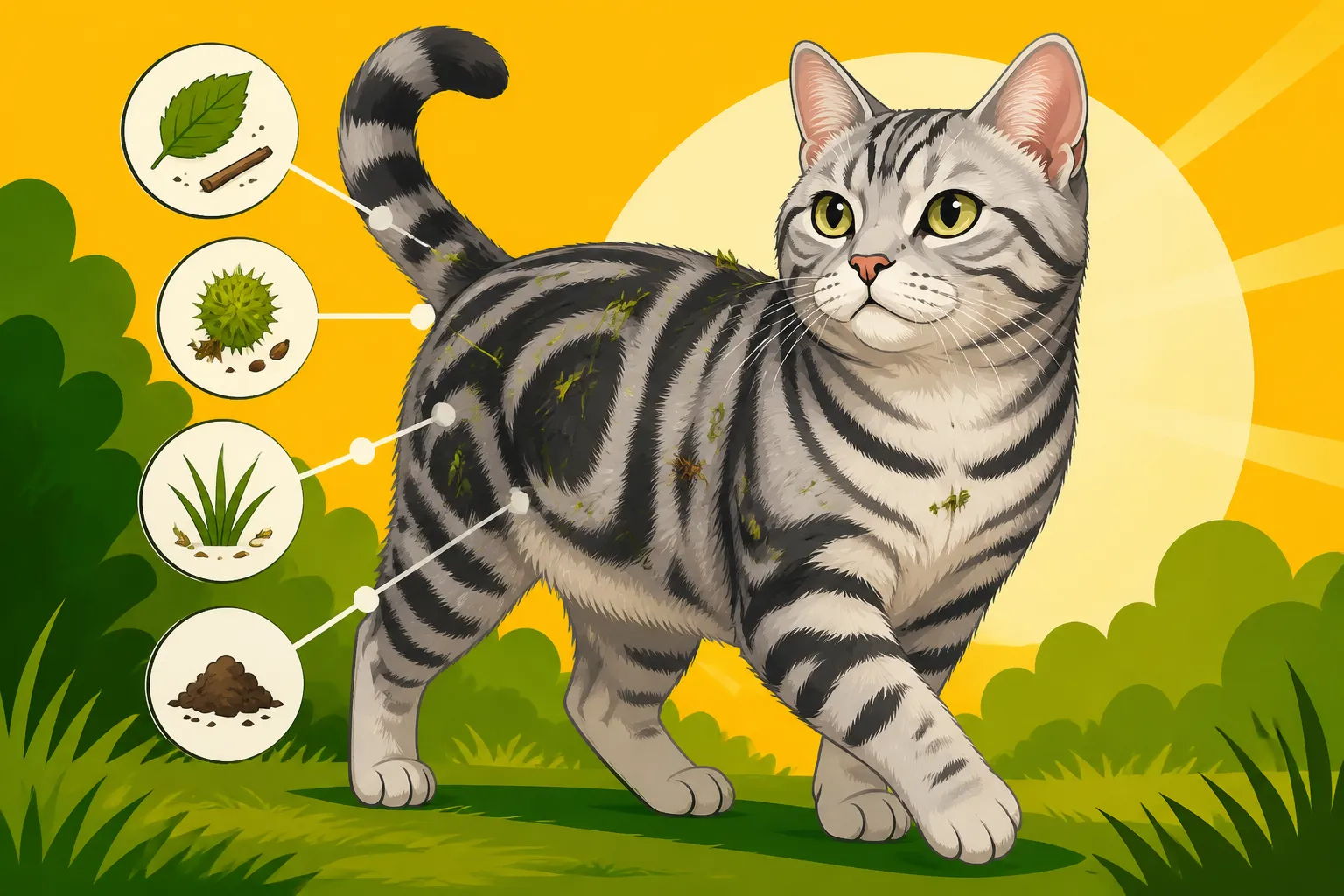
After a romp through the bushes or a stealthy stalk through tall grass, your American Shorthair might come back looking like a walking botanical garden. Leaves, tiny twigs, grass blades, and thorny burrs are all common coat adornments. These can easily get tangled, especially if your cat's coat is naturally thick or if they’ve been exploring particularly dense foliage. Burrs, in particular, can be a pain to remove, sometimes requiring careful trimming if they're deeply embedded or matted.
Beyond the visible plant matter, your cat's coat is an excellent collector of microscopic particles. Pollen, for instance, can cling to their fur during allergy season, which might not bother your stoic American Shorthair but could certainly trigger allergies in sensitive household members. Dust, mold spores, and other environmental allergens can also be carried indoors on their coat, contributing to indoor air quality issues. If you have someone in your home with seasonal allergies, an outdoor cat can inadvertently bring those outdoor triggers inside.
Dirt, Mud, and Chemical Residues
Of course, the most obvious thing an outdoor cat brings home in its coat is good old-fashioned dirt and mud. Whether they've been digging for a hidden treasure, rolling in a dust bath, or simply traversing damp ground, their paws and underbelly can get quite soiled. This is usually just an aesthetic issue, easily remedied with a quick wipe down or, for the more adventurous stains, a gentle spot bath.
However, sometimes the "dirt" can be more insidious. Think about what's often found in urban or suburban environments:
- Oil and Grease: From driveways, parked cars, or industrial areas.
- Antifreeze: A particularly dangerous substance, often found as puddles in driveways. Even a tiny amount licked off the fur can be toxic.
- Pesticides and Herbicides: Sprayed on lawns and gardens by neighbors. While many homeowners are cautious, some chemicals can linger on plants and surfaces, transferring to your cat's fur. If your cat then grooms themselves, they could ingest these harmful substances.
- Road Salt or De-icers: During winter, these can stick to paws and fur, causing irritation if not cleaned off.
These chemical residues are a silent threat because they might not be visible, but they pose a significant health risk if ingested. A quick paw and coat wipe at the door can make a big difference in preventing accidental ingestion.
The Unseen Dangers: Bacteria and Pathogens
Beyond the visible and palpable, there's a whole world of microscopic life that can hitch a ride on your American Shorthair's coat. Their instinctual behaviors, particularly hunting and interacting with their environment, expose them to various bacteria and pathogens.
From the Hunt: Bacteria from Prey
Let's face it: American Shorthairs are natural hunters. What an American Shorthair Still Hunts, Whether You Want It To or Not is a testament to their innate drive. If your cat catches and plays with a mouse, bird, or other small creature, they're not just bringing home a trophy; they're potentially bringing home bacteria. Prey animals, especially rodents, can carry a host of bacteria like Salmonella, E. coli, or various strains of Pasteurella. If your cat rolls on a carcass, or if the prey is injured and its bodily fluids come into contact with your cat's fur, these bacteria can transfer.
When your cat then comes inside and jumps on your bed or rubs against your legs, those bacteria can transfer to your household surfaces. While a healthy cat's immune system often handles such exposures, there's a risk of gastrointestinal upset for them, and a slight risk of transmission to humans, especially those with compromised immune systems, young children, or the elderly. It’s another excellent reason why good hygiene for both pet and owner is always recommended.
From Other Animals: Pathogen Exchange
Outdoor cats inevitably interact with other animals, whether it's a friendly sniff with the neighbor's dog, a tense standoff with a squirrel, or a full-blown altercation with another feline. These interactions, especially cat fights, can be a significant source of pathogen exchange. If your American Shorthair gets into a scuffle, they might come home with not only a wound but also bacteria from the other cat's claws or teeth. How an Abscess Forms After an American Shorthair's Cat Fight highlights the direct consequences of these encounters.
Even without direct physical contact, merely sharing spaces can lead to exposure. communal areas where multiple cats frequent, like neighborhood gardens or under porches, can be hotbeds for bacterial and viral contamination. Fecal matter from other animals can contaminate soil, and if your cat steps in it or rolls nearby, those pathogens can adhere to their fur. While many feline diseases are species-specific, a robust outdoor life means constant exposure to a diverse microbial world.
Prevention and Management: Keeping Your ASH and Home Clean
So, what's a loving American Shorthair owner to do when their adventurous feline brings home the great outdoors? The good news is, a consistent routine of prevention and regular management can drastically reduce these risks, ensuring both your cat and your home stay healthy.
Regular Grooming and Inspection
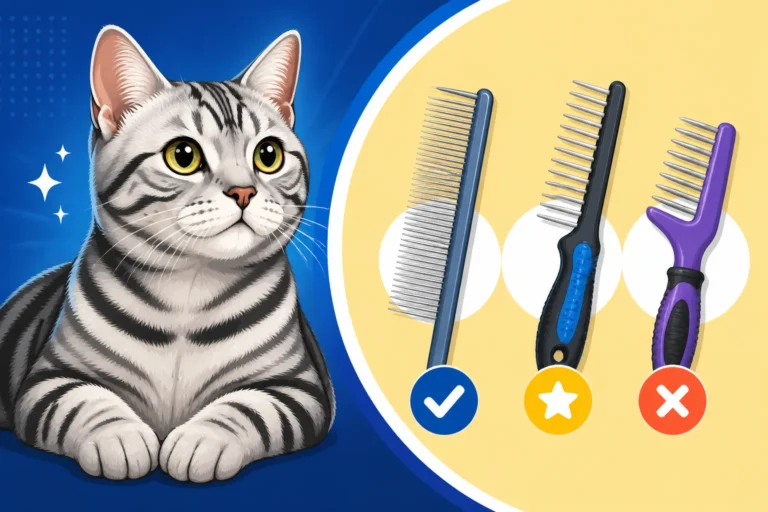
One of the simplest yet most effective ways to manage what your outdoor American Shorthair brings inside is through routine grooming and inspection. Their dense, hard coat, while low-maintenance in terms of matting, still benefits from a good brush, particularly if they are allowed outdoors. Investing in a sturdy comb, like one you might find on Chewy or Amazon, designed for a shorthaired cat can work wonders. Which Comb Suits an American Shorthair's Hard Coat offers great advice on selecting the right tool.
Aim for a quick brush-down every day, especially after they've been outside. This isn't just about removing loose fur; it's a chance to physically dislodge any loose debris, burrs, or even dead ticks before they become a bigger problem. Pay close attention to their paws, underbelly, and behind the ears. This daily ritual also serves as a fantastic opportunity for a full-body inspection. Look for any new bumps, scratches, engorged ticks, or areas of irritation. Catching these issues early can prevent them from escalating into more serious health concerns. How Often an Outdoor American Shorthair Needs Checking Over further emphasizes the importance of these checks.
Proactive Parasite Control
When it comes to fleas, ticks, and worms, prevention is undeniably better than cure. There are many excellent veterinary-approved parasite control products available, from topical spot-ons to oral medications. Your vet can recommend the best regimen for your American Shorthair based on their lifestyle and your local parasite prevalence. These products are incredibly effective at killing and repelling common external parasites, significantly reducing the risk of your cat bringing them into your home or developing a flea allergy. You can often purchase these treatments directly from your vet or through reputable online pet pharmacies like Chewy.
For internal parasites, a regular deworming schedule is crucial for outdoor cats. Many broad-spectrum dewormers target common intestinal worms. Again, consult your veterinarian to establish a deworming protocol that suits your cat's exposure risk. It's a small but vital step in maintaining their overall health and preventing the spread of parasites. Whether an Outdoor American Shorthair Needs Regular Worming is a question every owner of an outdoor American Shorthair should ask their vet.
Environmental Management at Home
While you can't control the entire outdoor world, you can manage the immediate environment your American Shorthair returns to. Consider having a designated "decompression zone" just inside your door – perhaps a rug where you encourage them to pause for a quick paw wipe and a brush. Keep a damp cloth or pet wipes handy for this purpose.
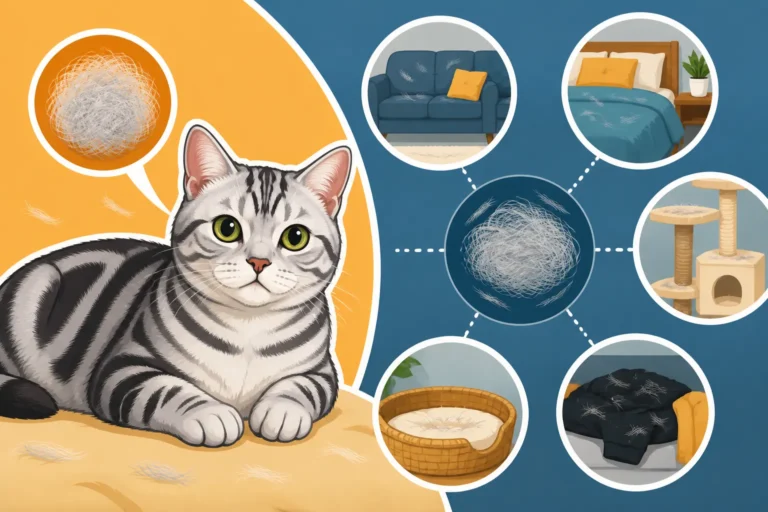
Regularly cleaning your home, especially areas where your cat spends a lot of time, can also help. Vacuuming carpets and washing bedding frequently will remove any shed fur, dander, and microscopic hitchhikers that may have made it past your initial checks. If you have concerns about chemical residues, consider wiping down their paws before they enter the main living areas. Furthermore, if you're concerned about your cat eating questionable things outdoors, feeding them a high-quality, protein-rich diet can help ensure they are less driven to scavenge and keep their immune system strong.
By being proactive and consistent, you can enjoy the companionship of your independent, adventurous American Shorthair without constantly worrying about what hidden treasures they're bringing back from their latest patrol.
| Type of Hitchhiker | Common Source/Location | Potential Risks | Management Strategies |
|---|---|---|---|
| Fleas | Tall grass, other animals, brush | Itching, skin irritation, allergies, tapeworm transmission | Monthly vet-approved preventative, regular combing |
| Ticks | Wooded areas, leaf litter, long grass | Disease transmission (e.g., Lyme, Anaplasmosis) | Daily checks, prompt removal, vet-approved preventative |
| Worm Eggs/Larvae | Contaminated soil, infected prey | Digestive issues, nutrient deficiency, zoonotic risk | Regular deworming schedule, discourage hunting/scavenging |
| Ringworm Spores | Soil, other infected animals/surfaces | Skin lesions, hair loss, zoonotic transmission | Grooming, isolation of affected areas, vet treatment |
| Plant Matter (Burrs) | Dense bushes, thorny plants | Matting, skin irritation, discomfort | Daily brushing, careful removal |
| Pollen/Dust/Allergens | Air, outdoor surfaces | Human allergies, respiratory irritation | Wiping coat, regular home cleaning |
| Chemical Residues | Lawns, driveways, puddles | Toxicity if ingested (e.g., antifreeze, pesticides) | Paw/coat wipes upon entry, avoid treated areas |
| Bacteria (from prey) | Rodents, birds, carcasses | Cat GI upset, potential zoonotic transfer | Prevent hunting, good hygiene for cat and owner |
Disclaimer
This article is for general informational purposes only and does not constitute professional advice. Laws, prices and regulations vary by location and change over time. Consult a qualified professional for guidance on your specific situation.